Tag

Australopithecus

All articles tagged with #australopithecus

Time to Redraw the Human Family Tree
science21 hours ago

Time to Redraw the Human Family Tree

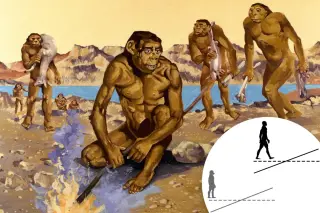
New fossil data and genetic analysis cast doubt on the traditional three-genus view of human relatives (Homo, Australopithecus, Paranthropus), showing these groups often aren’t true clades and traits evolve in mosaic ways. Some researchers suggest folding Australopithecus and Paranthropus into a broader Homo genus to reflect actual relationships and to accommodate interbreeding over millions of years. The proposed reclassification would improve alignment with evolutionary history but would blur familiar distinctions and change everyday language about humans’ place on the primate family tree. We’re in a transition toward taxonomy that mirrors real relationships.

Hominin Taxonomy Reimagined: Australopithecus and Paranthropus Could Join Homo
science5 days ago

Hominin Taxonomy Reimagined: Australopithecus and Paranthropus Could Join Homo

Dr. Ian Towle proposes folding Australopithecus and Paranthropus into Homo to better reflect shared ancestry and gene flow, arguing that brain size, tool use, and other traits no longer reliably separate genera; citing non-monophyly in Australopithecus and interbreeding among close relatives, he suggests expanding Homo back to about 4–5 million years ago (anchored at A. anamensis) and redefining Hominini and Hominina; the paper is published in the American Journal of Biological Anthropology.

Should Homo expand to include Australopithecus and Paranthropus?
science-tech6 days ago

Should Homo expand to include Australopithecus and Paranthropus?

New fossil data and genetic analyses suggest the traditional three-genus classification of human relatives (Homo, Australopithecus, Paranthropus) doesn’t reflect true evolutionary branches, with evidence that Australopithecus and Paranthropus may not form real clades; some researchers propose folding them into an expanded Homo genus to better map our family tree, though this would erase familiar distinctions and require changes in language and interpretation of human evolution.

Meat-Driven Growth Spurts Shaped Early Humans, Study Finds
science2 months ago

Meat-Driven Growth Spurts Shaped Early Humans, Study Finds

A new study analyzing 386 hominin fossils across 21 species and 1,000 models suggests body size rose steadily in early humans until about 2 million years ago, when a shift to higher meat intake and improved bipedalism coincided with a rapid ~50-pound increase. This growth likely boosted long-distance travel, hunting, and predator defense, helping Homo erectus and Homo ergaster reach modern-like weights, though some lineages like Homo floresiensis remained small. The research, published in the Proceedings of the National Academy of Sciences, refines how we understand the pace and drivers of human size evolution.

Ancient Coexistence in Ethiopia: Early Homo and Australopithecus Shared the Landscape 2.6–2.8 Ma
science3 months ago

Ancient Coexistence in Ethiopia: Early Homo and Australopithecus Shared the Landscape 2.6–2.8 Ma

Fossils from Ledi Geraru, Ethiopia, show early Homo and an unnamed Australopithecus species living in the same area about 2.6–2.8 million years ago, supporting a bushy, overlapping view of human evolution. Volcanic ash dating anchors the ages and helps reconstruct the ancient habitat, suggesting multiple hominin lineages coexisted in eastern Africa, with more fossils needed to name the Australopithecus species and clarify their interactions.

Digital Face of Little Foot Unearthed from a 3.67-Million-Year Skull
science5 months ago

Digital Face of Little Foot Unearthed from a 3.67-Million-Year Skull

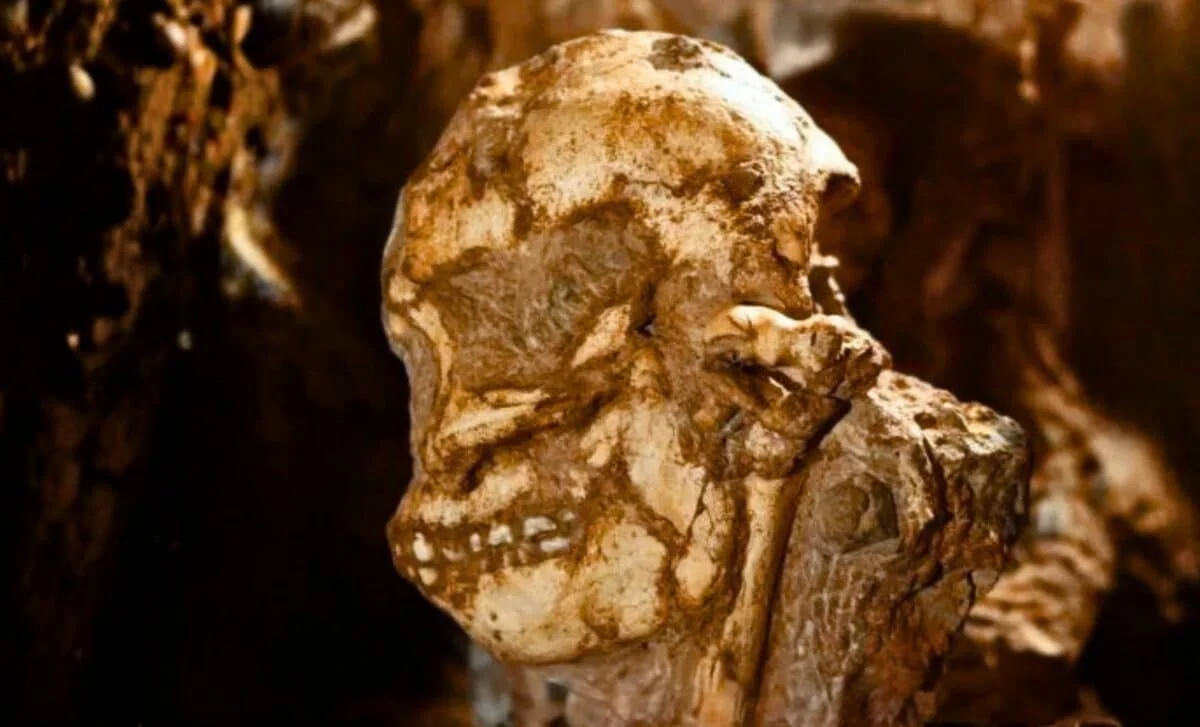
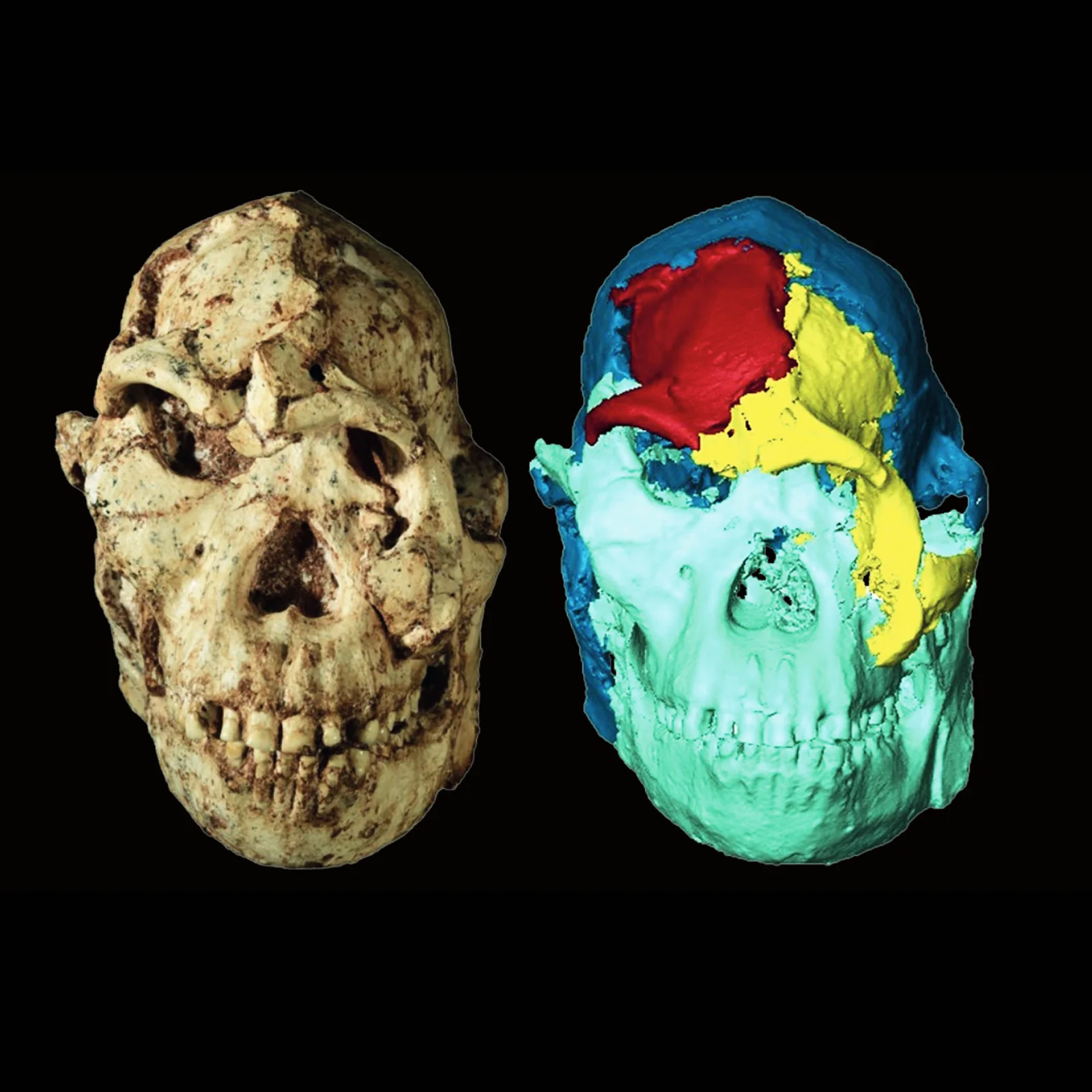
Scientists digitally reconstructed a stable facial model for Little Foot (StW 573) by modeling deformation from 3.67-million-year-old geological crushing and using high-resolution synchrotron X-ray scans, enabling quantitative facial comparisons with other Australopithecus fossils. The results show Little Foot’s facial structure more closely resembles East African specimens than South African ones, suggesting a more dynamic early hominin history than previously thought.

Ancient Face, Connected Africa: Little Foot’s Reconstruction Rewrites Hominin History
science5 months ago

Ancient Face, Connected Africa: Little Foot’s Reconstruction Rewrites Hominin History

Scientists digitally rebuilt the distorted face of Little Foot, a 3.67‑million‑year‑old Australopithecus from South Africa, using high‑resolution scans. The resulting features show Little Foot’s face resembles East African fossils more than a younger South African counterpart, suggesting Africa was a connected evolutionary landscape and facial evolution 4–3 million years ago may have been more complex than regional models imply. The study highlights orbital (eye region) evolution and notes the face is only part of the story, with other skull parts still deformed and awaiting digital reconstruction.

3D facial reconstruction uncovers Little Foot’s face, reshaping view of early human evolution
science5 months ago

3D facial reconstruction uncovers Little Foot’s face, reshaping view of early human evolution

Scientists digitally reconstructed the crushed skull of Little Foot (about 3.67 million years old) from the Sterkfontein Caves in South Africa using high‑resolution CT scans and 3D modeling, revealing the upper face and eye sockets for the first time. The nearly 90% complete skeleton’s face size lies between a gorilla and an orangutan, with affinities to East African Australopithecus; the work underscores Africa as a connected evolutionary landscape and aims to refine brain size estimates by further correcting deformation in the skull.

Face of Little Foot: digital reconstruction unveils an ancient ancestor’s features
science5 months ago

Face of Little Foot: digital reconstruction unveils an ancient ancestor’s features

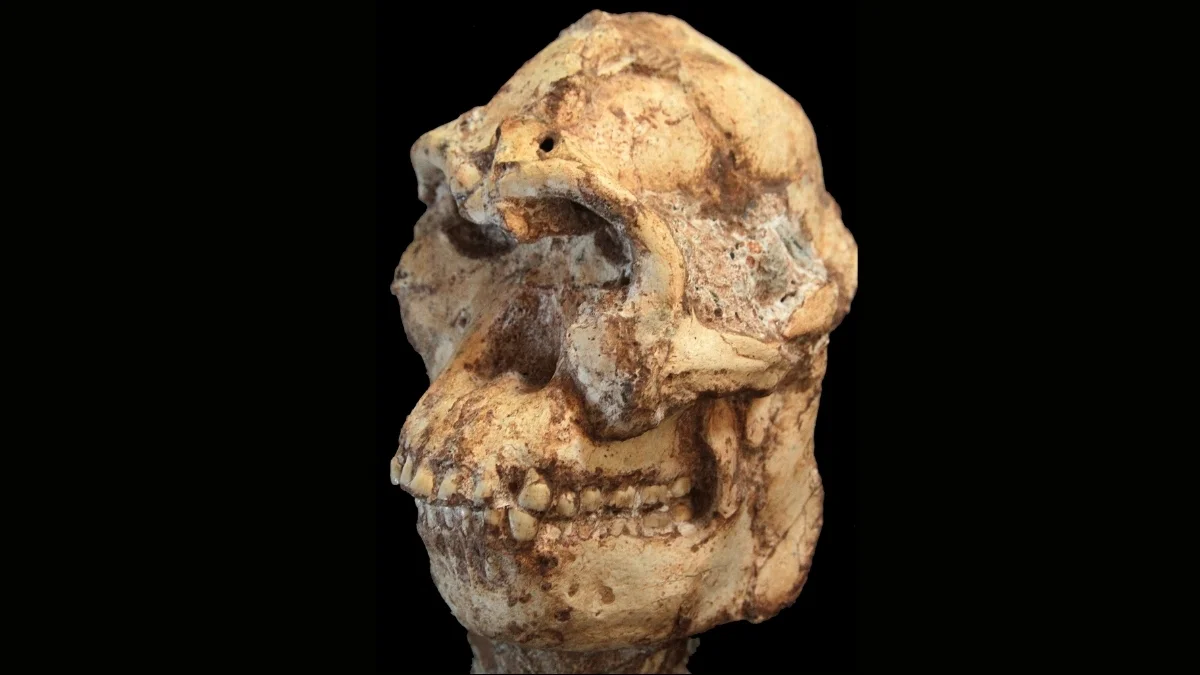
Researchers digitally reconstructed the nearly complete face of Little Foot, a 3.67-million-year-old Australopithecus from the Sterkfontein Caves, using high‑resolution CT scans and 3D modeling to reveal the eye region and facial proportions. The reconstruction places the face size between a gorilla and an orangutan and shows affinities with East African Australopithecus, suggesting Africa was a connected evolutionary landscape. The team plans further digitization to refine braincase features and explore cognitive implications, while debates about Little Foot’s precise species designation continue.

Face Reconstructed for 3.7-Million-Year-Old Hominin Little Foot
science5 months ago

Face Reconstructed for 3.7-Million-Year-Old Hominin Little Foot

Researchers digitally reconstructed the crushed skull of Little Foot, a 3.67-million-year-old Australopithecus specimen, using high-resolution CT scans and a five-block 3D reassembly to estimate its original facial structure; the result suggests eastern African affinities and distinctive orbital features, but the exact species classification remains uncertain and the reconstruction is considered preliminary.