Tag

Honeybee

All articles tagged with #honeybee

Painful Parade: The World’s 10 Most Excruciating Insect Stings
science8 days ago

Painful Parade: The World’s 10 Most Excruciating Insect Stings

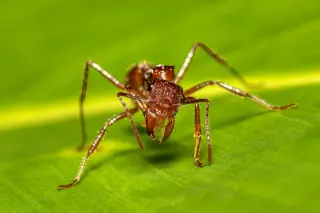
A compact, list-style explainer ranking ten of the most painful insect stings, detailing how stings deliver venom and why some cause extreme pain and dangerous reactions; highlighted stings include the bullet ant (often cited as the most painful), tarantula hawk wasp, honeybees, various hornets, saddleback caterpillar, Arizona bark scorpion, velvet ants, and black widow spiders, with notes on anaphylaxis risk and treatments such as epinephrine and dialysis in severe cases.
Ancient Japanese Honeybee Fossil Bridges Two-Million-Year Gap
paleontology28 days ago

Ancient Japanese Honeybee Fossil Bridges Two-Million-Year Gap

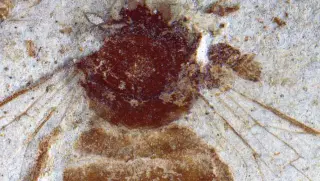
A 2.8–2.2 million-year-old fossil honeybee from Hyogo, Japan, named Apis aibai, is the youngest known extinct honeybee and the oldest fossil in the Apis subgenus, bridging gaps between the fossil record and genomic dates; its wing and leg morphology closely matches the living Apis nigrocincta, implying a broader ancient distribution and possibly ancestral ties to Apis cerana; the find supports timing estimates for the subgenus’s origin and was published in ZooKeys.

"Western Honey Bees: Synthesizing Nutrients for Gut Microbiota"
biology2 years ago

"Western Honey Bees: Synthesizing Nutrients for Gut Microbiota"

A study on the western honey bee reveals that it synthesizes food for its intestinal bacteria, particularly the symbiont Snodgrassella alvi, by producing organic acids that are exported into the gut. This intricate metabolic synergy between the bee and its gut microbiota could explain the bee's specialized and conserved gut microbiota and may play a role in their vulnerability to climate change, pesticides, and new pathogens. The findings shed light on the importance of host-derived compounds in gut colonization and could have implications for understanding and addressing bee health challenges.