Tag

Andes

All articles tagged with #andes

Andean Potatoes Linked to Rapid Evolution of Starch-Digesting Genes
science10 days ago

Andean Potatoes Linked to Rapid Evolution of Starch-Digesting Genes

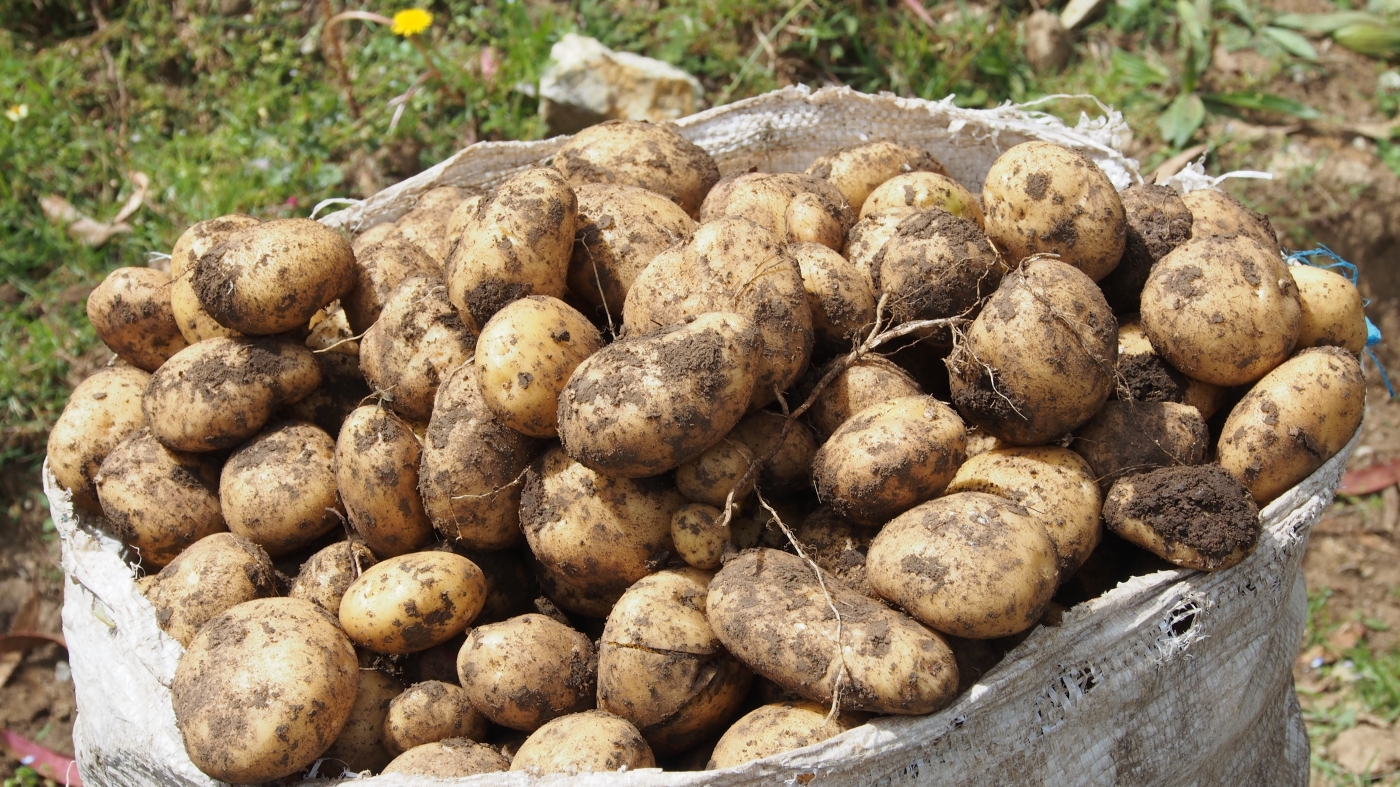
Genome analysis of 3,723 people from 85 populations shows Quechua Peruvians have a median of 10 AMY1 copies (vs. global median 7), boosting salivary amylase and starch digestion. Dating suggests the increase began about 10,000 years ago, around potato domestication in the Andes, giving a small generational advantage and illustrating rapid dietary-driven human evolution; Maya-descended groups lacking long potato farming do not show the same adaptation.

WHO narrows hantavirus origin to the Andes, debunking Ushuaia landfill theory
health12 days ago

WHO narrows hantavirus origin to the Andes, debunking Ushuaia landfill theory

WHO investigators say the hantavirus outbreak aboard the MV Hondius most likely originated in the Andes Cordillera region of northern Argentina and Chile, tied to the long-tailed rice rat; a Ushuaia landfill theory has been ruled unlikely, and the immediate priority is containment while further clues about the origin are sought.

New Andean tree genus Daturodendron redefines the nightshade family
plants-news21 days ago

New Andean tree genus Daturodendron redefines the nightshade family

Scientists have identified a new Andean tree genus, Daturodendron, in Colombia and northern Peru, tying this tall cloud-forest tree to the nightshade family that includes tomatoes and potatoes. Genomic analysis of 292 genes across 45 nightshade species places Daturodendron as a distinct lineage within Datureae; its leaves contain tropane alkaloids with medical potential. The species is rare, with isolated populations at 4,400–6,900 ft, and is listed as Data Deficient by the IUCN, highlighting the need for more surveys and forest protection. This international discovery reshapes understanding of nightshade evolution and biodiversity, while underscoring cautions about handling and harvesting in fragile habitats.

Andean Arsenic Adaptation: A Genetic Shield Against Toxic Groundwater
science2 months ago

Andean Arsenic Adaptation: A Genetic Shield Against Toxic Groundwater

DNA analysis of 124 women from the high-arsenic town San Antonio de los Cobres shows variants near the AS3MT gene that help metabolize arsenic more safely, producing excretable forms and fewer toxic intermediates. The pattern suggests long-term arsenic exposure has driven genetic adaptation in Andean populations, with similar signals in other Andean groups and implications for how humans adapt to environmental toxins (published in Molecular Biology and Evolution).

Andean Arsenic Adaptation: A Genetic Edge Against Toxic Groundwater
science2 months ago

Andean Arsenic Adaptation: A Genetic Edge Against Toxic Groundwater

Researchers studying San Antonio de los Cobres, Argentina, found a cluster of genetic variants near the AS3MT gene that are more common in residents exposed to high arsenic levels in drinking water; these variants likely increase the body's ability to convert arsenic into excretable forms, reducing toxic intermediates and providing a genetic adaptation to a long-term toxic environment.

U.S. Releases Alleged Narco-Terrorists Amid Controversy
world7 months ago

U.S. Releases Alleged Narco-Terrorists Amid Controversy

Ecuador released a man who survived a U.S. attack on a suspected drug submarine, with authorities finding no evidence of his involvement in a crime. The incident involved a U.S. Navy strike targeting a vessel believed to be carrying drugs, specifically fentanyl, heading towards the U.S., but the survivor was cleared of any charges. The event has heightened tensions between the U.S. and Latin American countries, with regional leaders criticizing the operation.

Uncovering the 9-Million-Year-Old Tomato Connection to Potato Origins
science9 months ago

Uncovering the 9-Million-Year-Old Tomato Connection to Potato Origins

Scientists discovered that potatoes originated from a hybridization event between ancestors of tomatoes and Etuberosum around 9 million years ago, which allowed them to adapt to high-altitude habitats in the Andes and eventually led to domesticated varieties. This hybridization provided potatoes with unique traits like tuber formation, and understanding this process could help develop disease-resistant and climate-resilient potato crops through genetic engineering.

Tragic Bus Crash in Peru's Andes Kills Over 25
world-news1 year ago

Tragic Bus Crash in Peru's Andes Kills Over 25

At least 25 people were killed and 17 injured when a bus plunged 650 feet down a ravine in Peru's Andean Ayacucho region. The accident occurred on the Los Libertadores highway, and rescue operations are ongoing. Deadly bus crashes are common in Peru due to precarious mountain roads and inadequately trained drivers. An investigation has been initiated by the ground transportation superintendent SUTRAN.

"High Andes of Peru Reveals 4700-Year-Old Megalithic Circle"
archaeology2 years ago

"High Andes of Peru Reveals 4700-Year-Old Megalithic Circle"

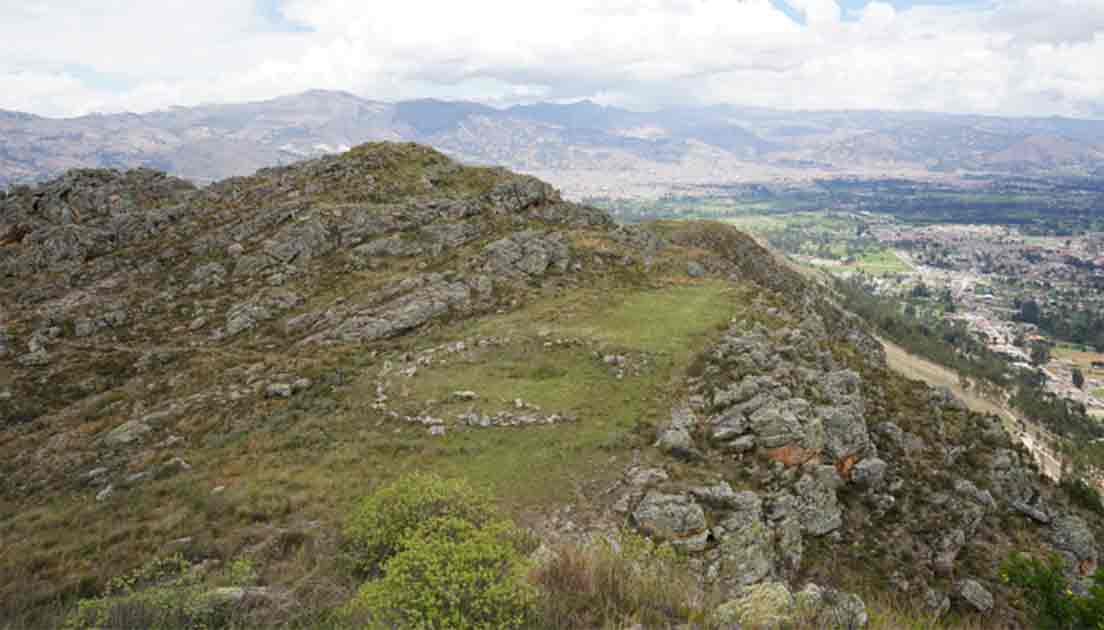
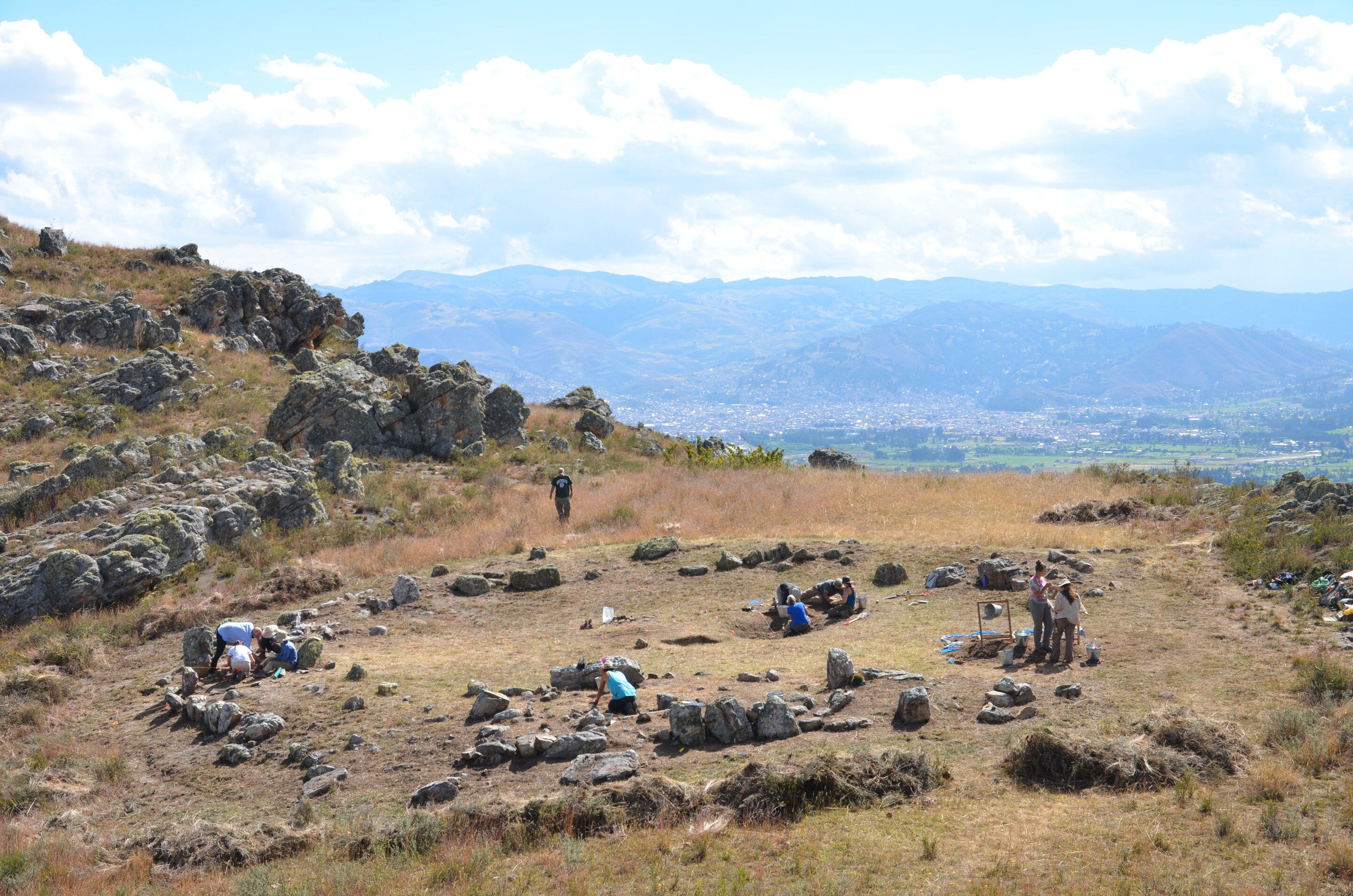
Archaeologists have discovered a 4,700-year-old megalithic stone plaza, known as Callacpuma, in the high Andes of Peru. This significant finding features a stone circle where offerings were made to ancient gods, shedding light on a crucial transitional period in South America. The plaza, built by semi-nomadic groups, raises questions about its function and the rituals that took place there, with evidence suggesting continued use and ceremonial sealing during the Layzón period. The research team plans to use ground-penetrating radar and drone-captured infrared images to uncover more mysteries of the site.

"Uncovering an Early Stone Plaza in the Andes: Anthropological Insights"
archaeology2 years ago

"Uncovering an Early Stone Plaza in the Andes: Anthropological Insights"

University of Wyoming anthropologists have discovered one of the earliest circular plazas in Andean South America, built around 4,750 years ago in the Cajamarca Basin of northern Peru. This monumental stone plaza, constructed with large, vertically placed megalithic stones, represents an early example of monumental and megalithic architecture in the region. The site, known as Callacpuma, is believed to have served as a gathering place and ceremonial location for some of the earliest people in the area, shedding light on ancient Peruvian civilizations. The research, published in Science Advances, provides valuable insights into the cultural heritage of the region and the lifestyles of its early inhabitants.

"Revising the Hunter-Gatherer Narrative: New Research Unveils Surprising Insights"
archaeology2 years ago

"Revising the Hunter-Gatherer Narrative: New Research Unveils Surprising Insights"

New research led by a University of Wyoming archaeologist challenges the traditional hunter-gatherer narrative by revealing that early human diets in the Andes Mountains were primarily plant-based, with 80% of the diet composed of plant matter and 20% meat. The study, published in PLOS ONE, utilized isotope chemistry and statistical modeling to analyze human remains from burial sites in Peru, providing a clearer understanding of early Andean diets and the pathway to agricultural economies. This groundbreaking research suggests that early human economies in at least one part of the world were plant-based, contrary to long-held beliefs about meat-heavy diets.

"Revisiting the Hunter-Gatherer Narrative: New Research Reveals Surprising Insights"
archaeology2 years ago

"Revisiting the Hunter-Gatherer Narrative: New Research Reveals Surprising Insights"

Archaeological findings from burial sites in the Peruvian Andes dating back 9,000 to 6,500 years ago suggest that early human hunter-gatherers primarily consumed plants and vegetables, with wild potatoes and root vegetables being a dominant source of nutrition. This challenges the common belief of a high protein, meat-heavy diet and raises the possibility of a more gradual transition from foraging to farming. The study, published in PLOS One, indicates that plant foods comprised 80% of the individuals' diets, with meat playing a secondary role, contrary to the widespread assumption of meat dominance in early human diets.

Survivor's Chilling Instruction: Eat My Family or Society of the Snow's Spare and Spiritual Music
survivaltrue-story2 years ago

Survivor's Chilling Instruction: Eat My Family or Society of the Snow's Spare and Spiritual Music

A new film called "Society Of The Snow" tells the harrowing true story of the 1972 Andes plane crash survivors who resorted to cannibalism to stay alive. After 72 days, a rescue team finally reached the 14 survivors who had endured freezing temperatures, avalanches, and starvation. The survivors were hailed as heroes, and their story of determination and bravery continues to captivate the world.