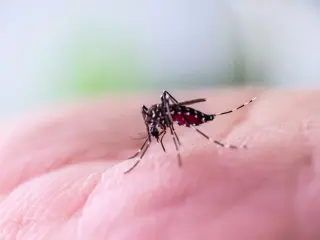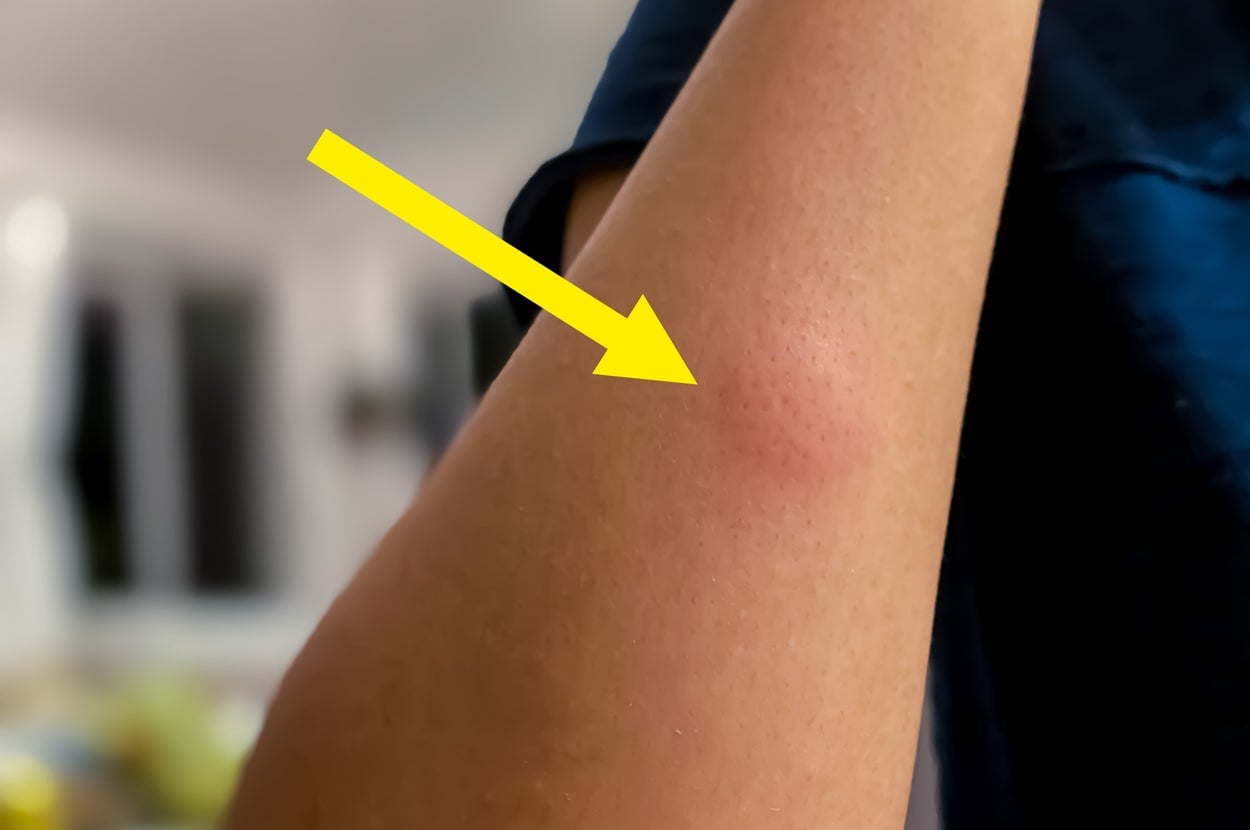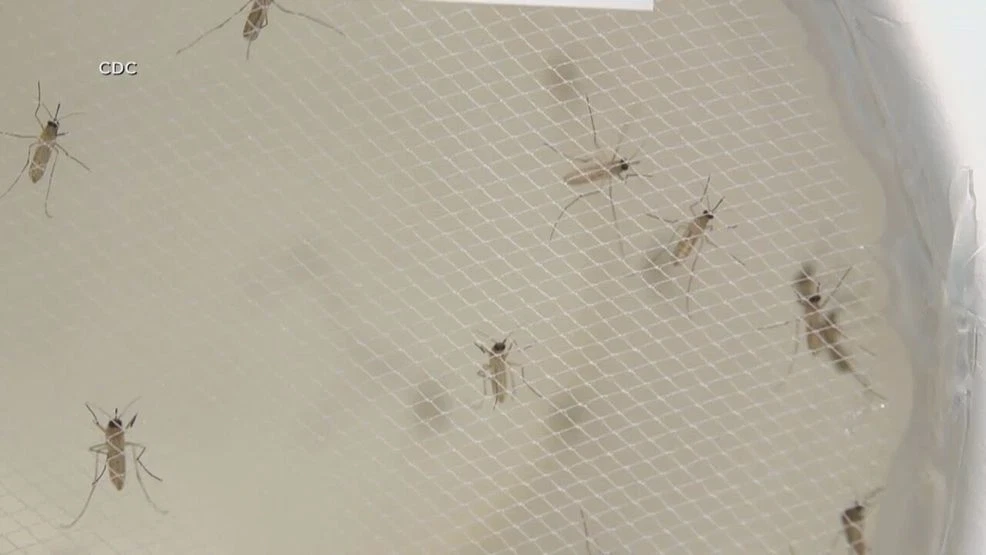
The simple trick to stop a mosquito bite from itching is to apply heat or cold to the bite. These methods help curb the urge to scratch and reduce the risk of skin infection, though they won’t speed up healing.
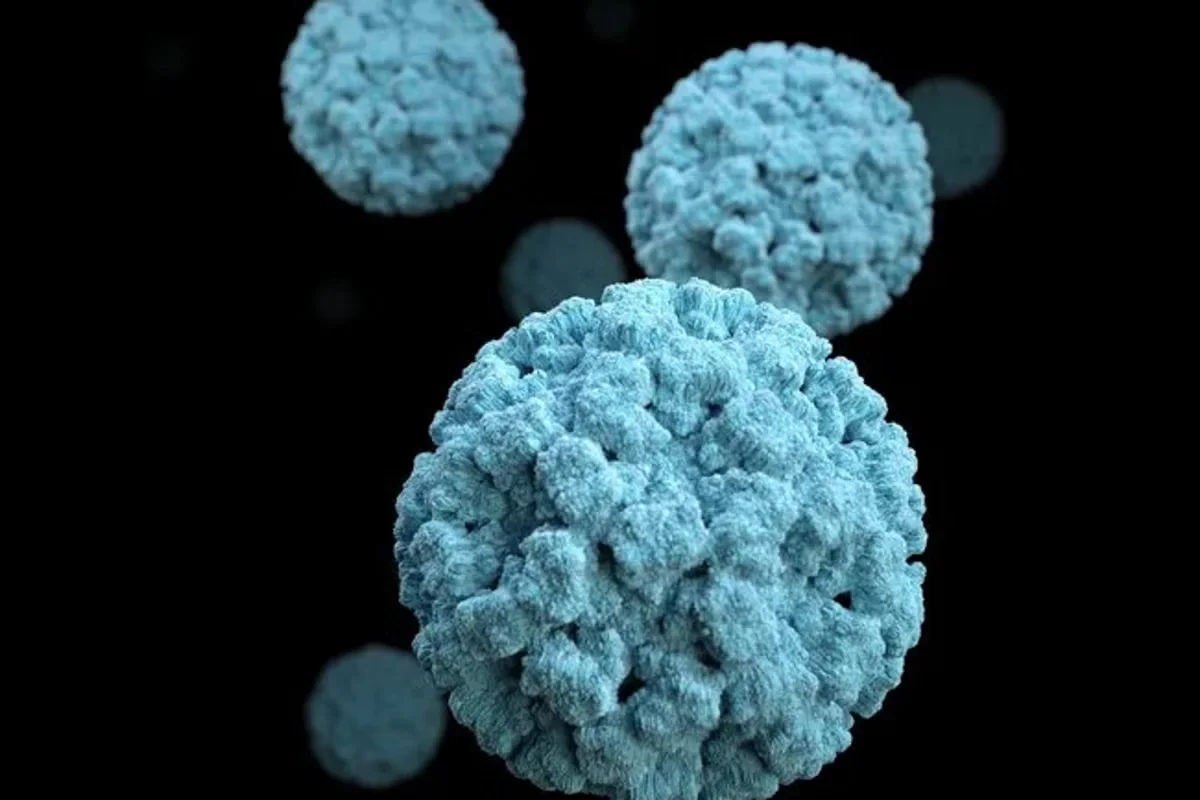
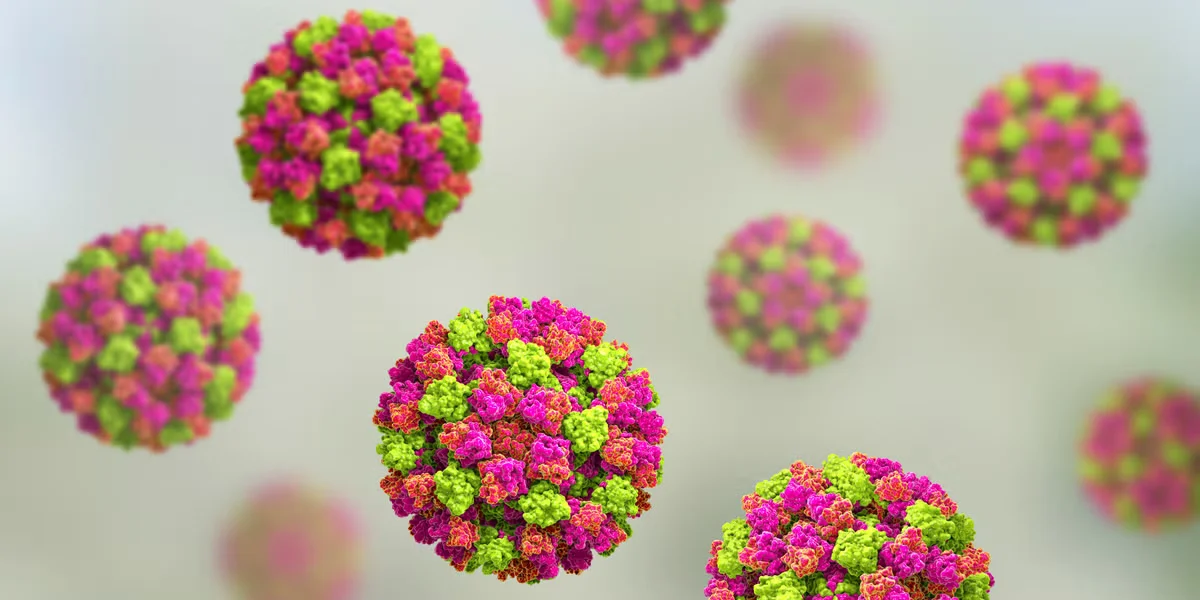
Norovirus cases are rising in the UK, putting extra pressure on the NHS with four trusts declaring critical incidents. The highly infectious winter vomiting bug spreads through close contact, contaminated surfaces, food, and water, prompting Health Security Agency guidance that handwashing with soap and warm water is essential (not alcohol gel). Those affected should stay home for 48 hours after symptoms end, avoid handling food, and refrain from visiting vulnerable people in hospitals or care homes.
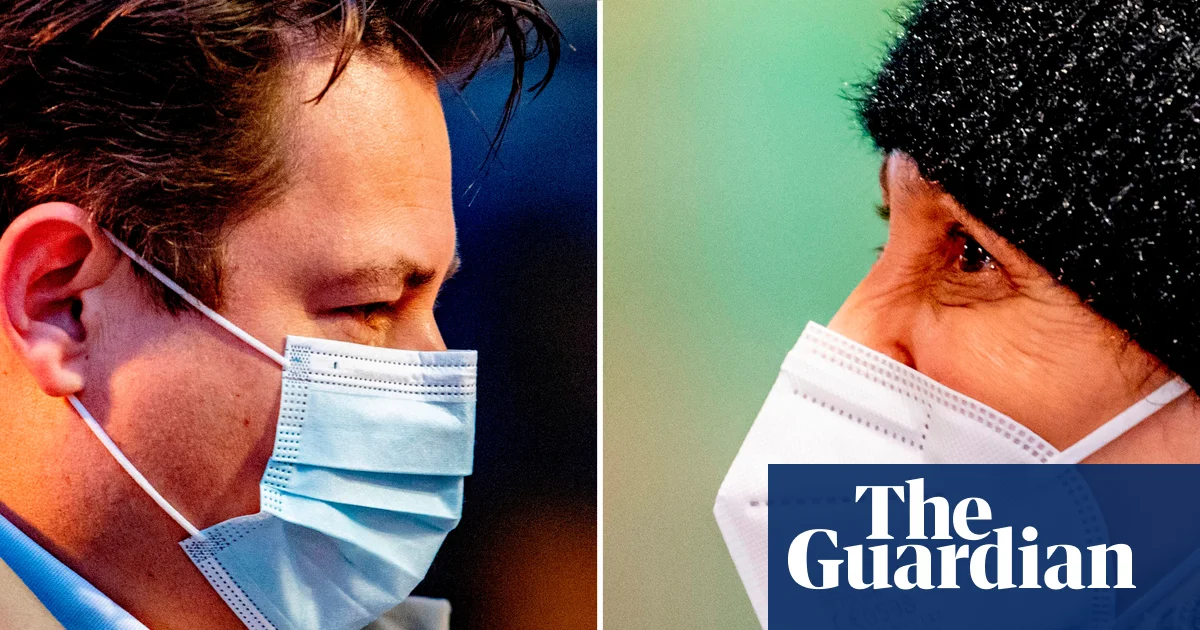
A group of experts has urged the WHO to replace surgical masks with respirator-level masks for healthcare workers, citing inadequate protection from surgical masks against airborne pathogens like COVID-19, and emphasizing that respirators offer significantly better filtration and safety.
With rising norovirus cases, infectious disease doctors recommend hand washing with soap and water, avoiding sick individuals, disinfecting surfaces with bleach, and wearing masks when caring for someone sick to reduce transmission, although the CDC primarily emphasizes hand hygiene and surface cleaning.
To properly care for mosquito bites, avoid scratching to prevent infection and worsening symptoms. Instead, clean the area, apply ice, and use anti-itch creams or DIY remedies. Monitor for symptoms of mosquito-borne diseases like Zika or West Nile virus, and seek medical attention if necessary.
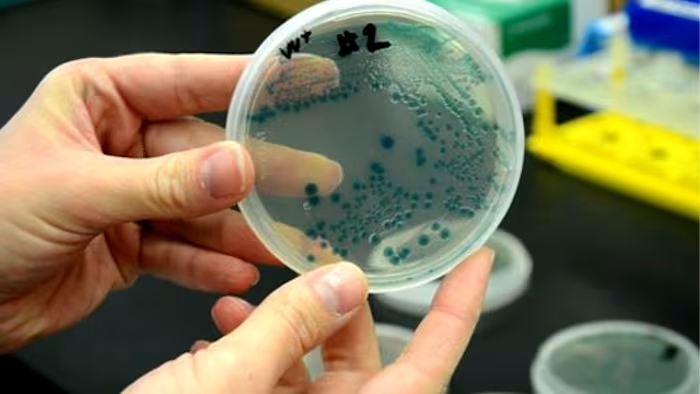
The CDC reports a dramatic 460% increase in infections caused by the drug-resistant bacteria NDM-CRE in the U.S., raising concerns about treatment challenges and the need for cautious antibiotic use and hygiene practices, especially among vulnerable populations.
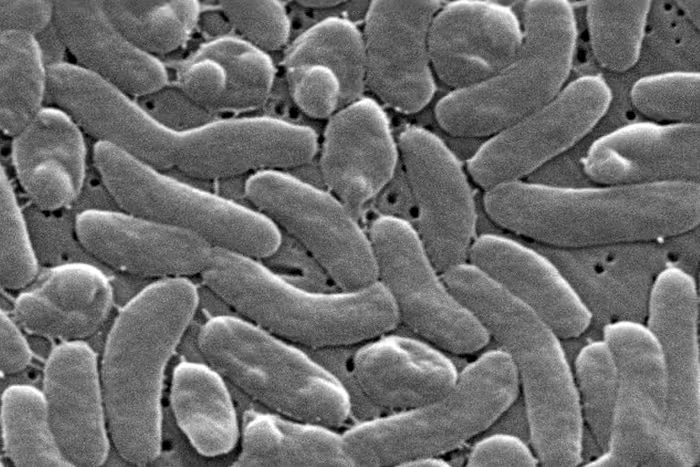
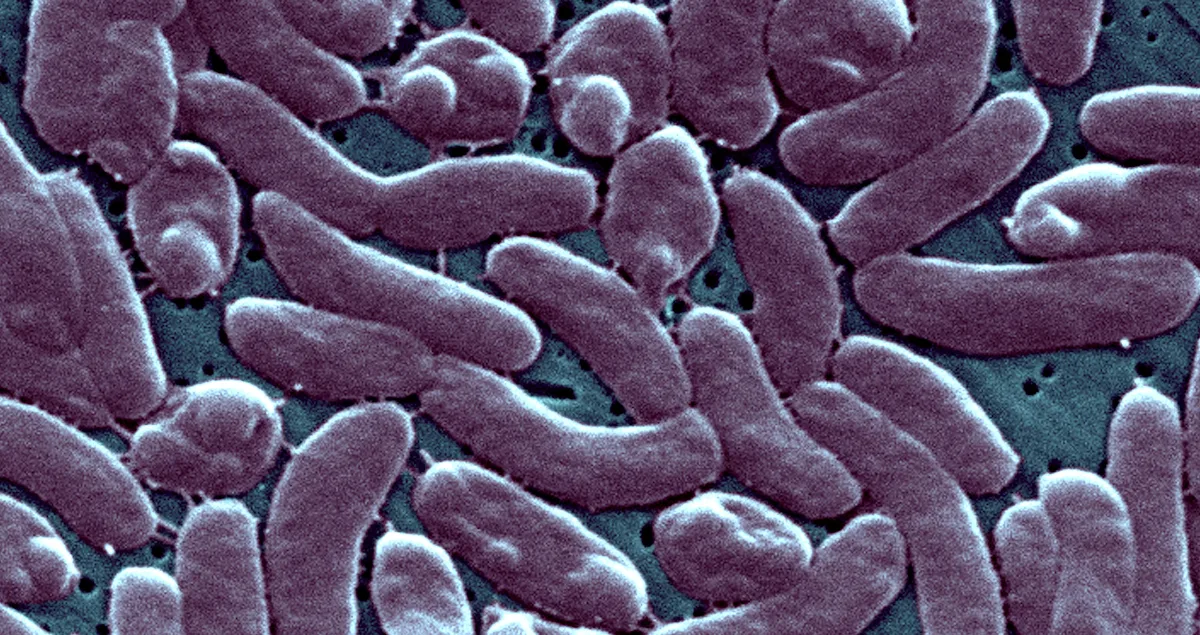
The article warns about the rising risk of Vibrio vulnificus infections from coastal waters, especially during summer, and provides safety tips such as avoiding seawater with open wounds, cooking shellfish thoroughly, and being cautious in high-risk groups like the elderly and immunocompromised.
Flesh-eating Vibrio vulnificus bacteria have caused several deaths in Florida and Louisiana this summer. The bacteria thrive in warm coastal waters and can infect through open wounds or by eating contaminated raw shellfish. To reduce risk, avoid raw shellfish, cover wounds, and steer clear of warm coastal waters if you have open cuts or underlying health conditions. Prompt medical attention is crucial if infection signs appear.
A case of flesh-eating bacteria, Vibrio vulnificus, has resulted in one death in Broward County, South Florida, with a total of 11 cases reported across the state in 2025. The bacterium, found in warm seawater and shellfish, can cause severe illness, especially through raw shellfish consumption or open wounds exposed to saltwater. Preventative measures include thoroughly cooking shellfish and avoiding contact with contaminated water or raw seafood.
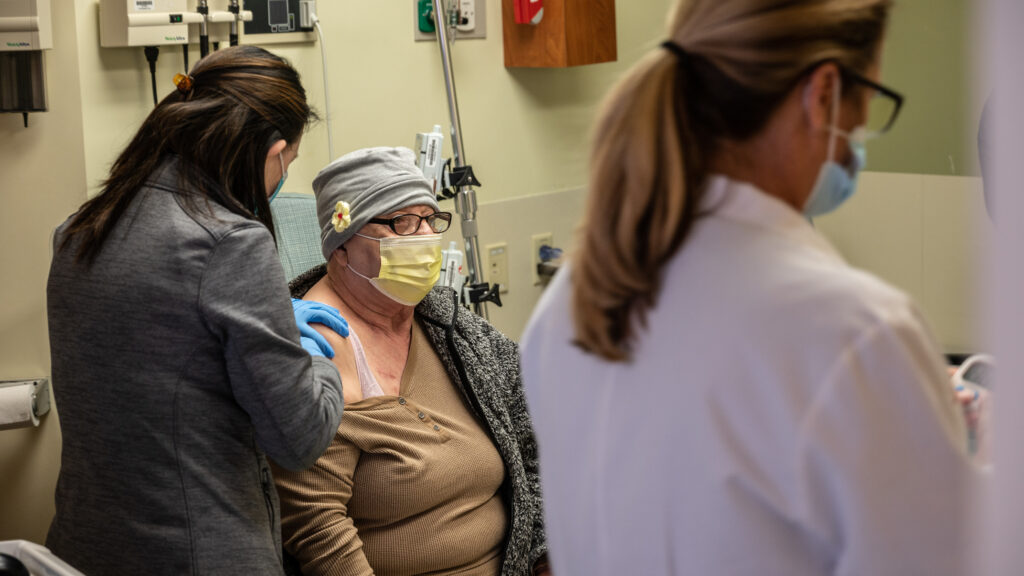
Oncologists are urged to recognize antimicrobial resistance as a critical crisis impacting cancer treatment, with studies showing cancer patients are at higher risk of resistant infections, which threaten to undermine advances in cancer therapies. The article emphasizes the need for integrated efforts across disciplines to improve infection control, develop new antibiotics, and update treatment guidelines to address this emerging threat.
The Cincinnati Health Department confirmed the first West Nile virus detection in the city in 2025, with a mosquito in Madisonville testing positive. Authorities advise residents to prevent infection by eliminating standing water and using repellents, especially during dawn and dusk. Last year, Cincinnati reported 24 positive mosquito pools but no human cases, with the last human infection in 2015.
Vitamins are essential for immune function and can help fight infections, especially in cases of deficiency, but their effectiveness as a preventive measure for infections in healthy individuals is uncertain and mixed. Overuse of supplements can be harmful, and they should complement, not replace, other proven health measures like vaccines and good hygiene.
Hand sanitizer is convenient but not always effective against all germs, especially non-enveloped viruses, spores, and parasites. Proper hand washing with soap and water is preferred when possible, and hand sanitizer should contain at least 60% alcohol, be used thoroughly, and not replace good hygiene practices like avoiding touching the face and disinfecting surfaces. Hand sanitizer is a useful backup when soap and water aren't available, but it doesn't eliminate all pathogens.
Research shows that kissing and cuddling newborns, especially those born premature or with health problems, can pose serious health risks due to their vulnerable immune systems. Despite the risk, many parents feel uneasy asking visitors not to touch or kiss their baby, fearing offense or being labeled overprotective. Setting boundaries with friends and family can be difficult, but experts advise calmly and firmly explaining concerns about infections and trusting parental instincts to keep the baby safe and healthy. Simple hygiene measures, such as hand-washing and avoiding contact when unwell, can help lower the risk of passing on infections to young babies.