Tag

Interest Payments

All articles tagged with #interest payments

US hits $40 trillion debt milestone, sparking questions about the road ahead
economy16 days ago

US hits $40 trillion debt milestone, sparking questions about the road ahead

The United States’ federal debt climbed to a record $40 trillion, a milestone that heightens concerns about long-term fiscal stability as aging Baby Boomers drive Social Security and Medicare costs, while decades of tax cuts and pandemic-era spending have kept deficits growing. Interest payments are expected to top $1 trillion this year, financing costs rise with higher bond yields, and policymakers face a tense debt-ceiling environment, with projections suggesting debt could reach around $50 trillion in six years amid ongoing revenue shortfalls and spending pressures.


Borrowing at Pace: U.S. Debt Service Now Hits About $24B Weekly
business1 month ago

Borrowing at Pace: U.S. Debt Service Now Hits About $24B Weekly

Nine months into FY2026, the U.S. Treasury is borrowing about $155 billion per month (roughly $39 billion per week) while net interest on the public debt runs at about $857 billion for the year (around $23.8 billion per week). The national debt stands near $39.4 trillion, and rising Social Security, Medicare and Medicaid costs are pushing deficits higher, prompting calls for entitlement reforms and higher revenues to avert an unsustainable fiscal path.

US debt tops GDP for the first time since WWII, prompting fiscal reform debate
economy4 months ago

US debt tops GDP for the first time since WWII, prompting fiscal reform debate

America's national debt now exceeds its GDP for the first time since World War II, with debt held by the public around $31.27 trillion and GDP about $31.22 trillion (gross debt near $39 trillion). The rise is driven by higher spending, tax cuts, interest costs, and aging-entitlements. The CBO projects debt held by the public to reach roughly $53 trillion by 2036, lifting the debt-to-GDP ratio to about 120% unless deficits are reduced, and groups urge a 3% of GDP deficit target to stabilize the path. Risks include higher interest costs crowding out programs, potential market confidence hits, and inflationary pressure, though some observers say the economy's growth and strong demand for U.S. debt keep the situation from an immediate crisis.

Tariffs Alone Won't Solve the National Debt Crisis
economy1 year ago

Tariffs Alone Won't Solve the National Debt Crisis

President Trump claims tariffs will pay down the US's $37 trillion debt, but in reality, tariff revenues are insufficient to cover interest payments alone, let alone reduce the debt. Experts argue that tariffs will only marginally slow debt accumulation rather than pay it off, and market confidence remains uncertain about the government's ability to manage its debt effectively.

Ted Cruz Proposes Major Fed Interest Payment Cuts Amid Market Concerns
economics1 year ago

Ted Cruz Proposes Major Fed Interest Payment Cuts Amid Market Concerns

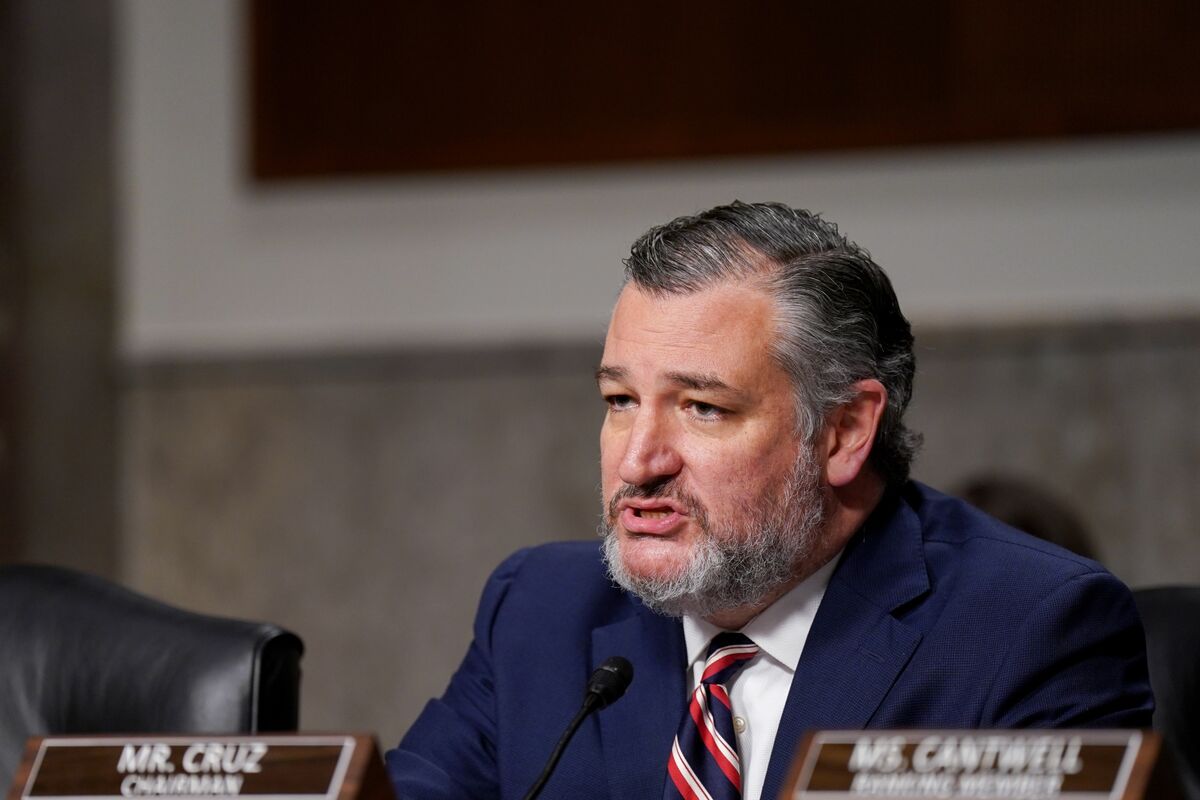
Senator Ted Cruz proposed ending the Federal Reserve's interest payments to banks, claiming it could save $1.1 trillion over ten years, a move supported by some conservatives but warned against by financial strategists due to potential market disruptions. The proposal aims to offset the costs of a large tax and spending package, with debates centering on the impact on liquidity and the federal deficit.

"Warning: US Debt's Unsustainable Path Could Trigger Fiscal Ruin"
economy2 years ago

"Warning: US Debt's Unsustainable Path Could Trigger Fiscal Ruin"

Bloomberg's million simulations indicate that the US national debt is on an unsustainable path, with 88% of them showing borrowing is unsustainable. The Congressional Budget Office forecasts the national debt to reach $54 trillion in the next decade due to an aging population, rising federal health care costs, and higher interest rates. Interest payments are expected to triple by 2032, potentially surpassing spending on Social Security, Medicare, and Medicaid. The debt-to-GDP ratio could rise to 123% in 2034, and even higher in a "higher simulation" scenario, risking America's economic standing in the world. President Biden's administration has approved roughly $4.8 trillion in borrowing, with the national debt reaching $34.5 trillion, leading to concerns about the impact on the economy.

"Wharton Professor Warns of $34 Trillion Debt Crisis and 2025 Financial Meltdown"
financeeconomy2 years ago

"Wharton Professor Warns of $34 Trillion Debt Crisis and 2025 Financial Meltdown"

Wharton Business School Professor Joao Gomes predicts that America's $34 trillion debt could lead to a financial crisis as early as 2025 if the next administration pursues expensive policies, with the debt-to-GDP ratio projected to reach 190 percent by 2050. Interest payments on the national debt are set to surpass defense spending this year, and experts warn that the ballooning deficit threatens America's economic future, impacting inflation, interest rates, and major programs like Social Security and Medicare.

"CBO Projections: U.S. Interest Payments Surpass Defense Spending, Deficit to Soar Over Next Decade"
economics2 years ago

"CBO Projections: U.S. Interest Payments Surpass Defense Spending, Deficit to Soar Over Next Decade"

The Congressional Budget Office's latest projections reveal that federal interest payments will surpass defense spending in 2024, a year earlier than previously estimated. This is due to higher-than-expected interest rates and lower defense spending resulting from the bipartisan Fiscal Responsibility Act of 2023. While spending caps may reduce the deficit over time, the federal debt is projected to reach $54 trillion by 2034, with interest payments becoming the largest budget item in the 2040s. The report highlights the urgent need for fiscal discipline and addressing federal health care spending and Social Security insolvency to avoid a potential economic crisis.

economy2 years ago

"Skyrocketing US Debt Interest Hits Record $1 Trillion Annually"

The annualized interest payments on the US government debt have surpassed $1 trillion, doubling in the past 19 months and equivalent to 15.9% of the entire Federal budget for fiscal year 2022. This increase in debt repayment may lead to renewed selling pressure on US Treasuries and has already driven up bond yields. The worsening metrics highlight concerns about the US fiscal path and the need for increased Treasury coupon auctions and refinancing of climbing maturities.

"U.S. Debt Payments Soar, Budget Deficit Widens to $1.7 Trillion"
economy2 years ago

"U.S. Debt Payments Soar, Budget Deficit Widens to $1.7 Trillion"

The U.S. government's payments on its debt have nearly doubled in the past two years, reaching $659 billion this year, as the nation's fiscal imbalance and the Federal Reserve's rate hikes have increased the cost of borrowing. Economists argue that these interest payments are economically wasteful and could be better spent on more productive areas. If interest rates remain elevated, debt payments could become the second-largest federal program within three years. The Congressional Budget Office projects that payments on the debt could reach $10.6 trillion over the next decade. However, some economists believe that the risks posed by higher interest payments are overstated, as the U.S. government continues to attract purchasers of its debt and inflation eases.