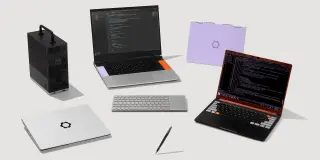
Framework has opened pre-orders for its Wireless Touchpad Keyboard, a $99 all-in-one input device featuring open-source firmware, a replaceable battery, and integrated trackpad. Shipping begins in Q1 2027.
Framework has launched pre-orders for its Wireless Touchpad Keyboard, a $99 all-in-one input device featuring open-source CAD files, ZMK firmware, and a replaceable battery. Designed as a premium alternative to the Logitech K400, the device supports Bluetooth, 2.4 GHz, and wired connections, with shipping expected in Q1 2027.
Framework has opened pre-orders for its Wireless Touchpad Keyboard, a $99 all-in-one input device designed for couch and desk use. The keyboard features a replaceable battery, open-source CAD files, and ZMK firmware, but its price is nearly triple that of the Logitech K400. Pre-orders require a $50 refundable deposit, with shipping expected in Q1 2027.
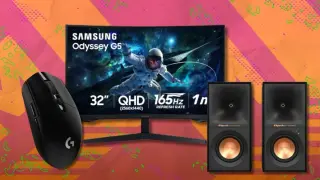
Ahead-of-Prime-Day deals roundup highlights major gaming upgrades: a 32-inch Samsung Odyssey G5 curved monitor for $189.99 (42% off), a TCL 65-inch Class QM6K QLED TV for $527.99, a Logitech G305 Lightspeed wireless mouse for $30.99, a Razer BlackWidow V4 Pro wired mechanical keyboard for $182.99, and Klipsch R-40PM bookshelf speakers for $316.99, with additional gaming deals live before Prime Day runs June 23–26.
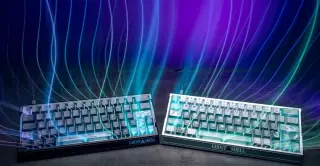
The Verge reviews the Iqunix EV63 Ghost in the Shell Edition—a two-design, 65% Hall‑effect gaming keyboard priced at $249. Wired-only with an 8,000Hz polling rate, it uses KeyTok Nova switches and sports Ghost in the Shell artwork inspired by the 1995 film. Hefty build with frosted keycaps and bold cyberpunk visuals, it’s a premium pick for anime‑enthusiast keyboard fans who value design and feel over wireless convenience.
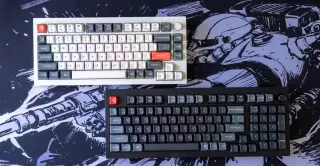
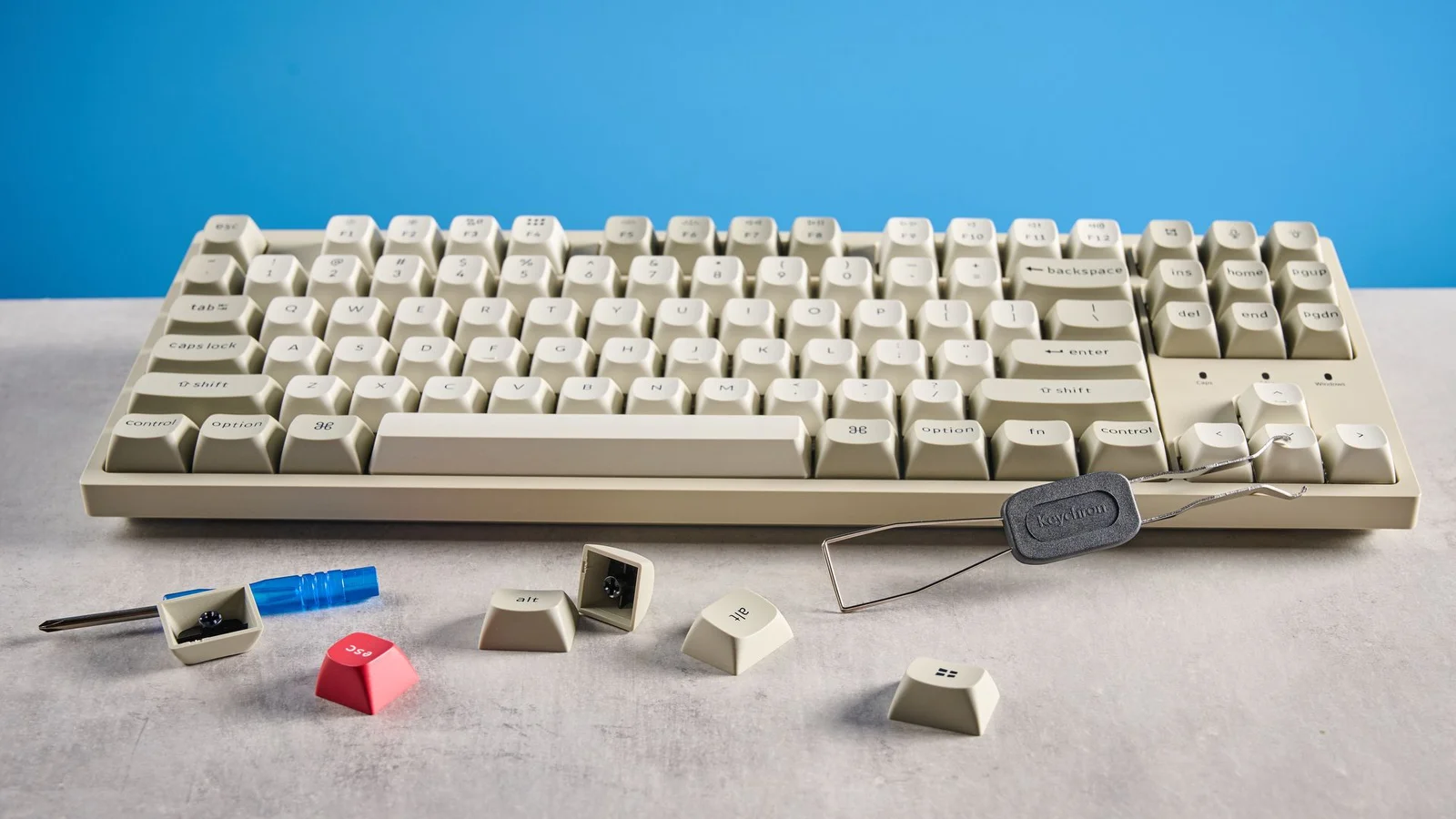
The Verge tests Keychron’s V5 Ultra 8K and Q1 Ultra 8K, praising marathon battery life (up to about 660 hours with backlight off) and 8,000 Hz wireless polling that improves responsiveness. Both use open-source ZMK firmware via Keychron’s Launcher, feature updated stabilizers and Silk POM switches, and differ mainly in layout and chassis (V5 is plastic near-full-size; Q1 is heavier aluminum with 75% layout). The review calls them the best Keychron keyboards yet and expects ZMK-driven features to spread to more lines.
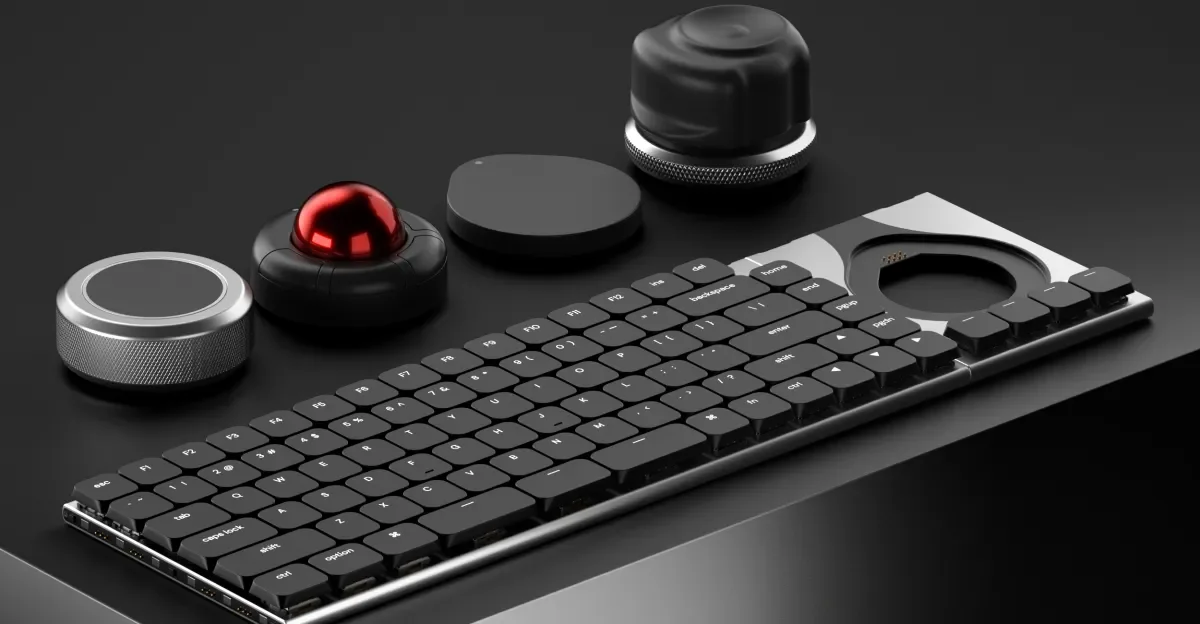
Naya Connect is a modular keyboard system built around four components—Naya Type (a low-profile 75% keyboard), a 24‑key multipad, a six‑key programmable strip, and a dock with four keys and a slot for one of four swappable controllers. All pieces use magnetic connectors and can be arranged in nearly any layout (left/right placement, dual macro setups, etc.), including a trackball or a 3D controller called Float. The All‑in bundle is €568 (~$662), while the cheapest option with a dock and touchpad is €187 (~$218). The campaign reportedly hit its funding goal in about six minutes on Kickstarter, signaling strong interest in the concept.
The article reviews the top three keyboards for productivity, highlighting the Lenovo Multi Device Keyboard for portability, the Keychron B2 Pro for its numeric keypad and fast polling rate, and the Keychron C1 Pro 8K for ergonomic comfort and high responsiveness, catering to different needs from on-the-go use to at-home work setups.
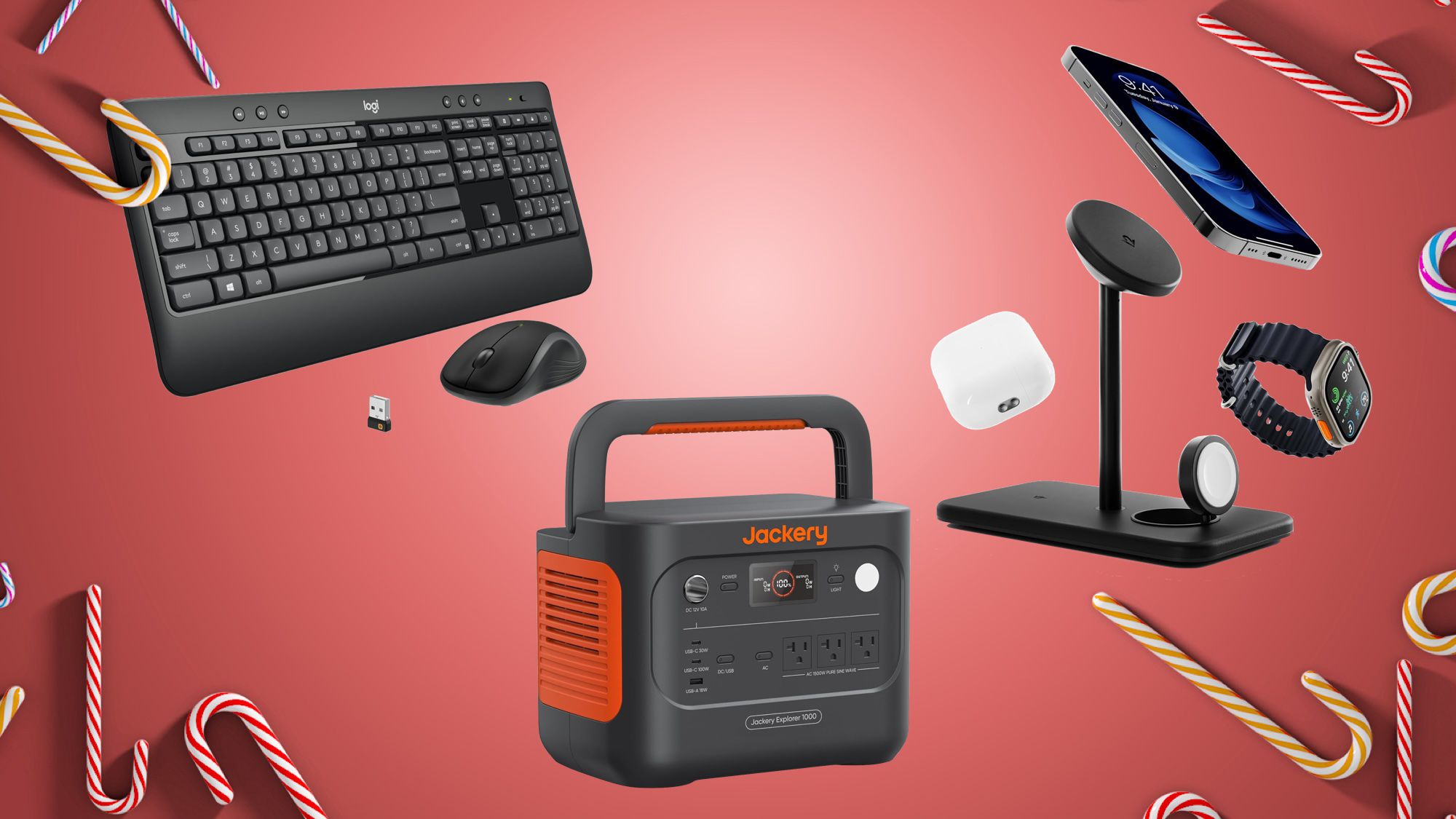
Black Friday offers significant discounts on various accessories, including chargers and keyboards, providing an opportunity for consumers to save on essential tech items.
The article argues that magnetic keyboards, specifically those using Hall Effect switches, are superior to traditional mechanical keyboards for gaming. Hall Effect keyboards offer features like adjustable actuation points and multiple actuation points per key, providing a competitive edge in gaming. These keyboards use magnets instead of physical contact for key activation, allowing for more customization and responsiveness. While some mechanical keyboards offer similar features, the article suggests that the future of gaming keyboards lies in magnetic technology.
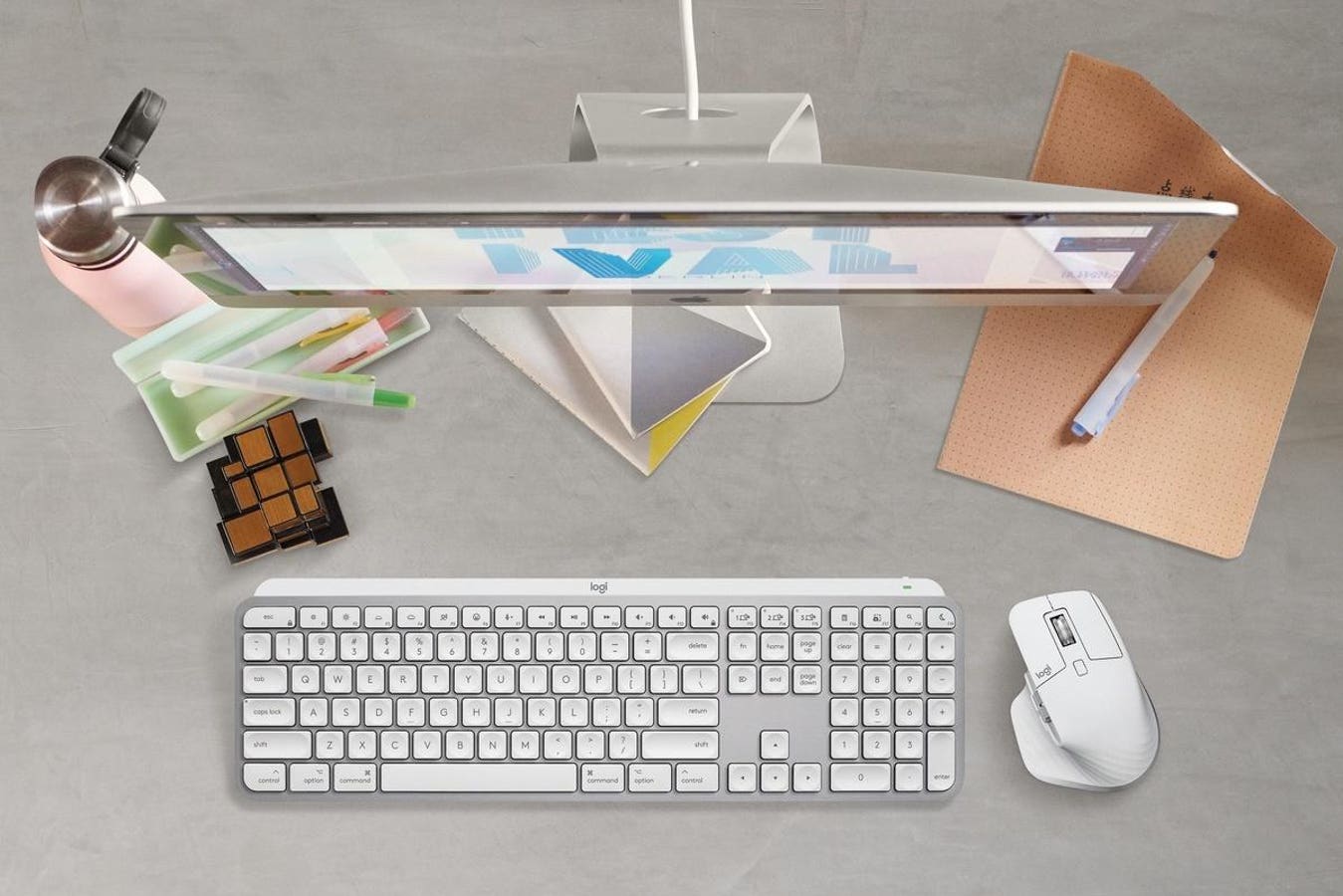
Logitech has announced a new lineup of peripherals designed exclusively for Mac users, including the MX Keys S for Mac, MX Keys S Combo for Mac, MX Anywhere 3S for Mac, MX Keys Mini for Mac, and the Logi Ergo Wave Keys for Mac. These devices are tailored for macOS and iPadOS, featuring dedicated Mac layouts, ergonomic designs, and sustainable manufacturing practices. The new products will be available globally in May 2024.
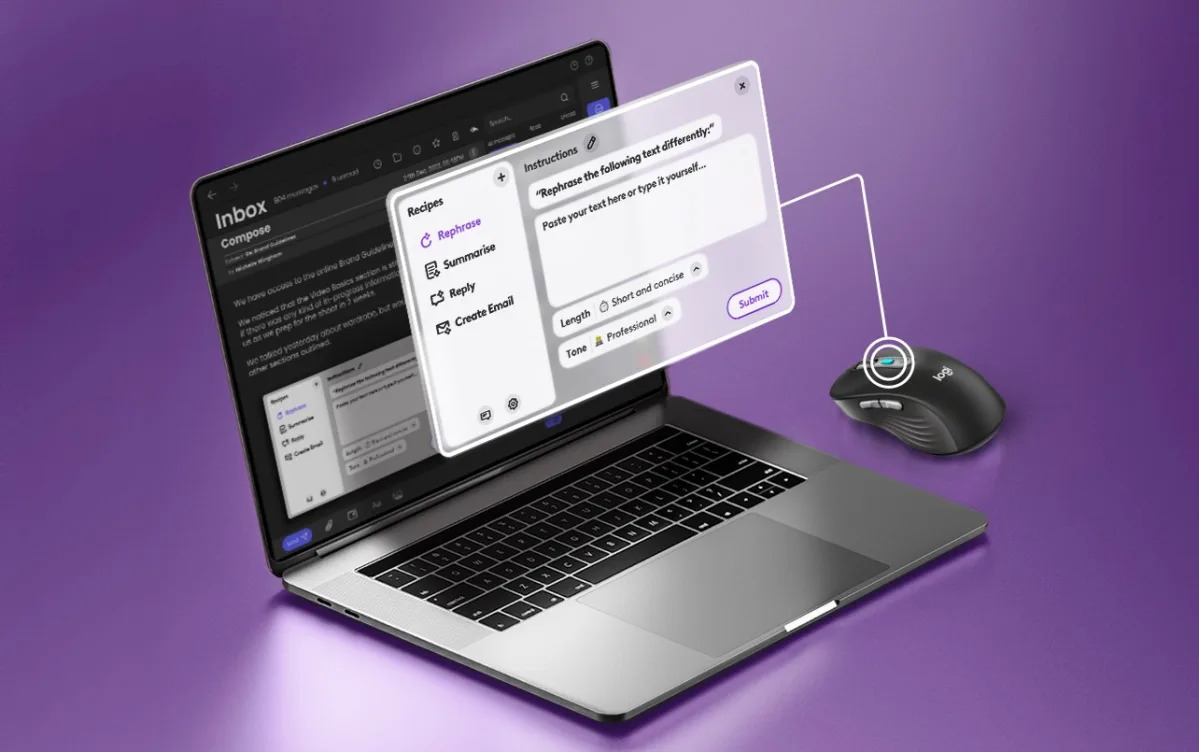
Logitech has introduced Logi AI Prompt Builder, a software tool that allows users to create shortcuts on their keyboards or mice to access ChatGPT's features. The tool offers functions like Rephrase, Summarize, and Create Email, and users can also create their own recipes, including one for generating images. The Logi AI Prompt Builder is accessible on Logitech keyboards and mice that support the English language version of the Logi Options+ app, with the newly launched Logitech Signature AI Edition Mouse featuring a dedicated button for it. Microsoft has also introduced a dedicated keyboard key to summon Copilot, powered by OpenAI's technology.
Tom's Guide editors share their favorite types of keyboards, with preferences ranging from mechanical keyboards for their tactile feedback and variety of switches, to ergonomic split keyboards for comfort and adjustability. Some editors prefer the familiarity and consistency of laptop keyboards, while others appreciate the low-profile design and comfort of chiclet keyboards. Each editor emphasizes the importance of finding a keyboard that suits their individual typing style and preferences.
Ars Technica provides a comprehensive guide to different types of keyboards, including mechanical, membrane, and buckling springs, exploring how their design impacts the typing experience. Mechanical keyboards are praised for their tactile feedback and customization options, with detailed explanations of how their switches work and the benefits they offer for typing comfort and speed. The guide also delves into other keyboard types and their unique characteristics, providing insights into what makes each type feel different.
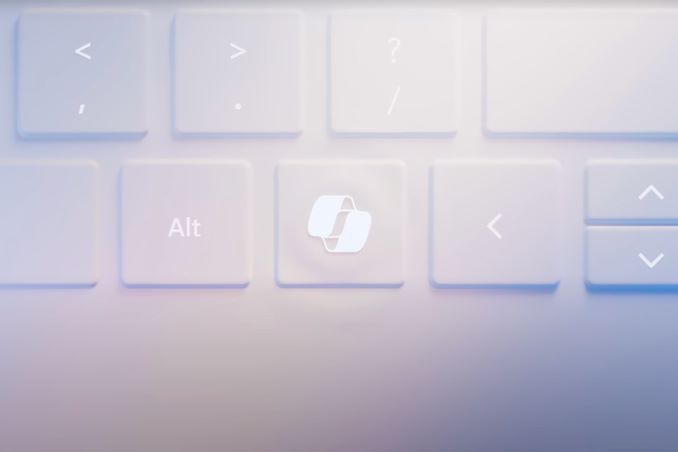
Microsoft has directed Windows OEMs to include a dedicated Copilot AI key on Windows 11 laptop keyboards, replacing the traditional Menu key. This key will activate the Copilot generative AI assistant, emphasizing Microsoft's commitment to integrating AI into personal computing. The change reflects Microsoft's influence over hardware design and coincides with the launch of CPUs with neural processing units (NPUs) from partners like AMD, Intel, and Qualcomm, which will enhance AI capabilities on devices. The implementation of the Copilot key on desktop keyboards is yet to be detailed.