
Historical Precedent Suggests Market Correction After Rare Yield Spike
A rare market condition, occurring only three times in 156 years, has emerged, with historical data suggesting a specific outcome for stocks.

All articles tagged with #historical analysis
A rare market condition, occurring only three times in 156 years, has emerged, with historical data suggesting a specific outcome for stocks.

The article examines historical data on large tariff increases, particularly around 2025, showing that such shocks historically raised unemployment and lowered inflation, possibly due to increased uncertainty, and discusses implications for current monetary policy decisions.

Scientists used epidemiological models to analyze the spread of rumors during the Great Fear of 1789 in France, concluding that the fearmongering had rational, not emotional, roots, and was driven by strategic dissemination rather than spontaneous panic.

A study analyzing 340,000 texts from 1940-2019 reveals a shift in mental health terminology from "disease" and "disturbance" to "mental health" and "psychiatric," with "mental illness" now the most-used term, reflecting growing recognition of mental health issues. Further research is needed to understand the impact of these terms on those experiencing mental ill health.

Despite concerns of a bubble, historical analysis suggests that US stocks are not in a bubble, as the S&P 500's performance over the past three years has been relatively modest compared to previous bubble peaks. However, extreme bullishness in investor sentiment and the market's heavy reliance on a few large companies raise caution. While the market has become more concentrated, the recent retreat in stock prices tempers the extreme nature of the situation. U.S. stocks have seen a strong start in 2024, with the S&P 500 and Nasdaq Composite posting gains, but caution remains amidst record highs and extreme bullishness.
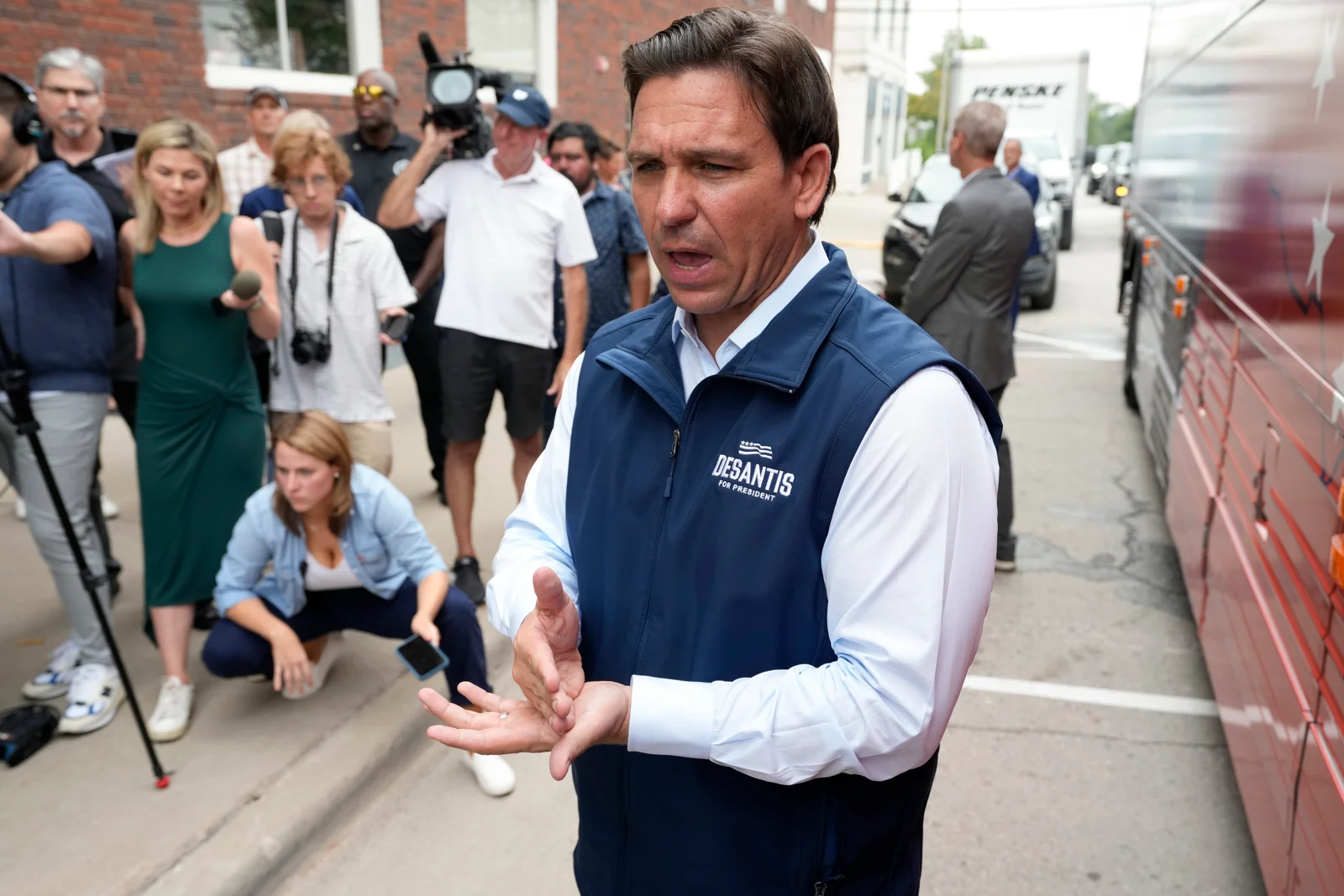
Florida Governor Ron DeSantis' chances of a come-from-behind win in the presidential race are looking increasingly unlikely. Historical analysis shows that voters tend to stick with frontrunners, making it difficult for candidates to reverse their fortunes. DeSantis' recent staffing cuts and declining favorability ratings mirror John McCain's 2008 campaign, but even in the early stages of the primary system, no candidate has ever overcome a polling deficit as large as Donald Trump's. DeSantis' campaign team hopes for a strong showing in Iowa to act as a catalyst, but a Trump collapse and a DeSantis turnaround would be unprecedented.