Eli Lilly's 2026 dealmaking has broadened the pool of early-stage funding for biotech startups, benefiting more than 50 venture investors and reinjecting capital into the startup ecosystem.
Researchers analyzed over 1.1 million tissue-resident lung immune cells from 128 donors using single-cell RNA-seq, revealing that genetic risk factors shape lung immune cell function and can drive autoimmune and inflammatory disease; thousands of risk-associated genes are active in tissue cells but not in blood, and about 1,700 genes show sex-specific expression, suggesting sex-based factors in disease susceptibility.
A study finds that after ketamine anesthesia, female mice exhibit heightened brain activity and microglial remodeling that increases neuroplasticity via corticosterone triggering the FKBP51 protein; this effect is not observed in male mice, suggesting sex-specific drug responses with implications for depression treatment research.
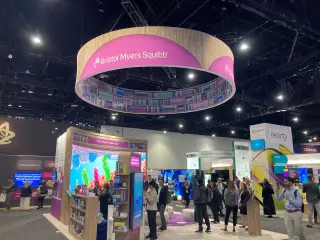
Bristol Myers Squibb is expanding its Nvidia-powered infrastructure with the DGX SuperPOD to create what it calls the most powerful, energy-efficient AI platform in life sciences, enabling hybrid human-AI science to accelerate R&D and improve decision quality across its pipeline; the move extends a multi-year collaboration with Nvidia and aligns with other pharma AI partnerships in the sector.
Cambridge researchers showed in vitro that common sweeteners slow growth of several gut bacteria; most notably, the isosteviol–duloxetine combination strongly suppressed Roseburia intestinalis and Parabacteroides merdae, reducing microbial diversity and altering interactions with host cells. The team tested 25 bacterial species against 39 sweeteners and examined interactions with substances like caffeine, vanillin, and eight drugs, uncovering over 100 interaction effects. Although the findings suggest that sweeteners can affect gut microbes—especially when mixed with other compounds—these were lab experiments and real-world health implications require further study.
Anthropic unveiled Claude Science, an AI workbench for scientists, and signaled plans to develop its own drugs—targeting neglected diseases—while continuing to sell AI tools to biotech and pharma customers. Experts say AI can accelerate drug discovery but human oversight, data gaps, and regulatory hurdles mean any AI-designed drug is likely years away.
Anthropic says it will start developing its own drugs using Claude Science to gain hands-on experience applying its AI to real biotech problems, with unclear plans for commercialization.
Merck KGaA, Darmstadt, Germany, agreed to acquire Bio-Techne for US$73 per share in cash, valuing the deal at about US$11.3 billion (EUR 9.9 billion) and delivering a 36% premium to Bio-Techne’s one-month VWAP. The transaction is expected to be immediately accretive to EBITDA margins and revenue growth, with EPS accretion by year three after closing. Bio-Techne’s multi-omics, spatial biology, analytical technologies and cell-therapy capabilities would extend Merck KGaA’s life-science footprint from discovery through manufacturing, delivering roughly €140 million in annual cost synergies by year three. Financing will come from cash on hand and new debt, with closing targeted for late 2026 or early 2027, subject to customary approvals and shareholder consent.
Life sciences lab real estate is clawing back from disaster, signaling renewed demand and potential opportunities for investors as the market stabilizes.
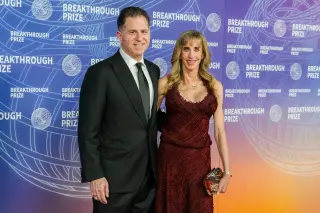
Philanthropists Michael and Susan Dell pledged $750 million to establish a life sciences hub, a landmark gift intended to accelerate biomedical research, biotech innovation, and related workforce development.
Michael and Susan Dell committed more than $1 billion to UT Austin to establish the UT Dell Campus for Advanced Research and the UT Dell Medical Center, uniting medicine, life sciences and AI-enabled computing with MD Anderson as a partner. The gift funds undergraduate scholarships, housing, and the Texas Advanced Computing Center, positions Texas as a life sciences hub, and supports a broader $10 billion fundraising goal over 10 years; the medical center is slated to open in 2030 with groundbreaking planned this year.
OpenAI launches GPT-Rosalind, a life sciences-focused AI model designed to accelerate research in genomics and biochemistry by synthesizing evidence and generating hypotheses, while keeping humans in the loop; it features enterprise-grade security and is being rolled out in a research preview to trusted customers (e.g., Amgen, Moderna, Allen Institute, Thermo Fisher) to speed health outcomes and drug discovery without replacing scientists, amid concerns about misuse.
OpenAI unveiled a life-sciences-focused AI model, GPT-Rosalind, aimed at the biopharma market and positioned to compete with Anthropic as tech giants push into pharma AI.
Blackstone has closed a record $6.3 billion life sciences investment fund, the largest ever for a private fund in the sector, underscoring strong investor demand for biotech opportunities.
New Haven received a $50.5 million state grant to support the development of a new life sciences building, quantum computing initiatives, and pedestrian-friendly infrastructure, aiming to boost scientific research, job creation, and economic growth in the city.