Dave Coulier revealed that extensive radiation for throat cancer and a subsequent lymphoma have changed his speech and appearance, caused him to lose about 45 pounds and struggle with solid food, but he’s in remission with a positive prognosis.
Dave Coulier told fans on Instagram that extensive radiation for throat cancer and treatments for tongue cancer and stage 3 non-Hodgkin lymphoma have left him unable to eat solid food for months, causing a 45-pound loss and a changed voice, but he’s in remission with a hopeful prognosis and is encouraging others to get medical screenings.
Sam Neill says he is cancer-free after chemotherapy stopped working, thanks to CAR-T cell therapy, and he’s advocating for government funding of the treatment in Australia with support from the Snowdome Foundation.
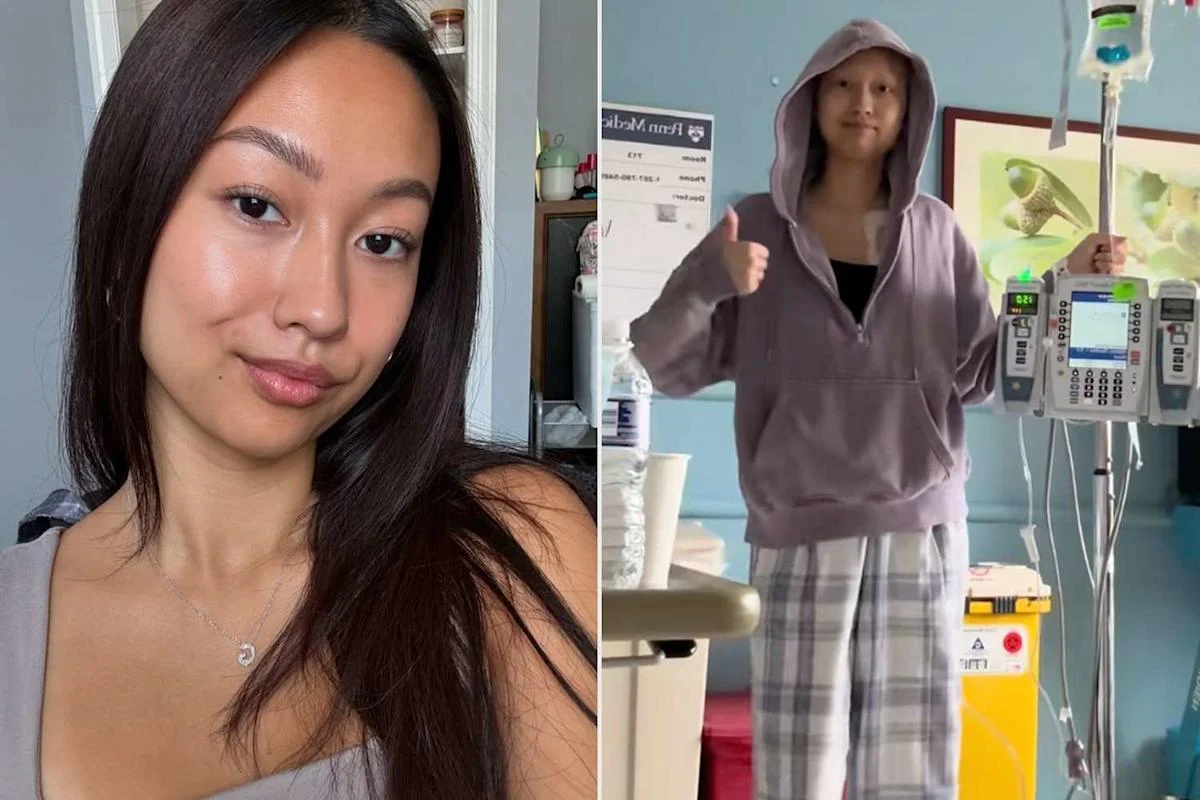
After an ER visit for stomach pain was first blamed on an ovarian cyst, Giahan Tang’s CT scan later revealed small lesions that pointed to metastatic disease, and a biopsy confirmed stage 4 diffuse large B-cell lymphoma. The 24-year-old underwent an aggressive treatment plan of chemotherapy, immunotherapy, and steroids, enduring fatigue, hair loss and loss of independence before a PET scan showed no detectable lymphoma. She completed six rounds of treatment and is now cancer-free. Tang has been sharing her journey on TikTok to encourage others to listen to their bodies and value health.
A Pilates instructor’s flu-like symptoms led to a diffuse large B-cell lymphoma diagnosis; after initial chemotherapy, the cancer recurred in her brain, but a personalized CAR-T immunotherapy treatment induced complete remission. She experienced no major side effects, returned to daily life, and will continue regular scans to monitor for recurrence, marking a hopeful turnaround.
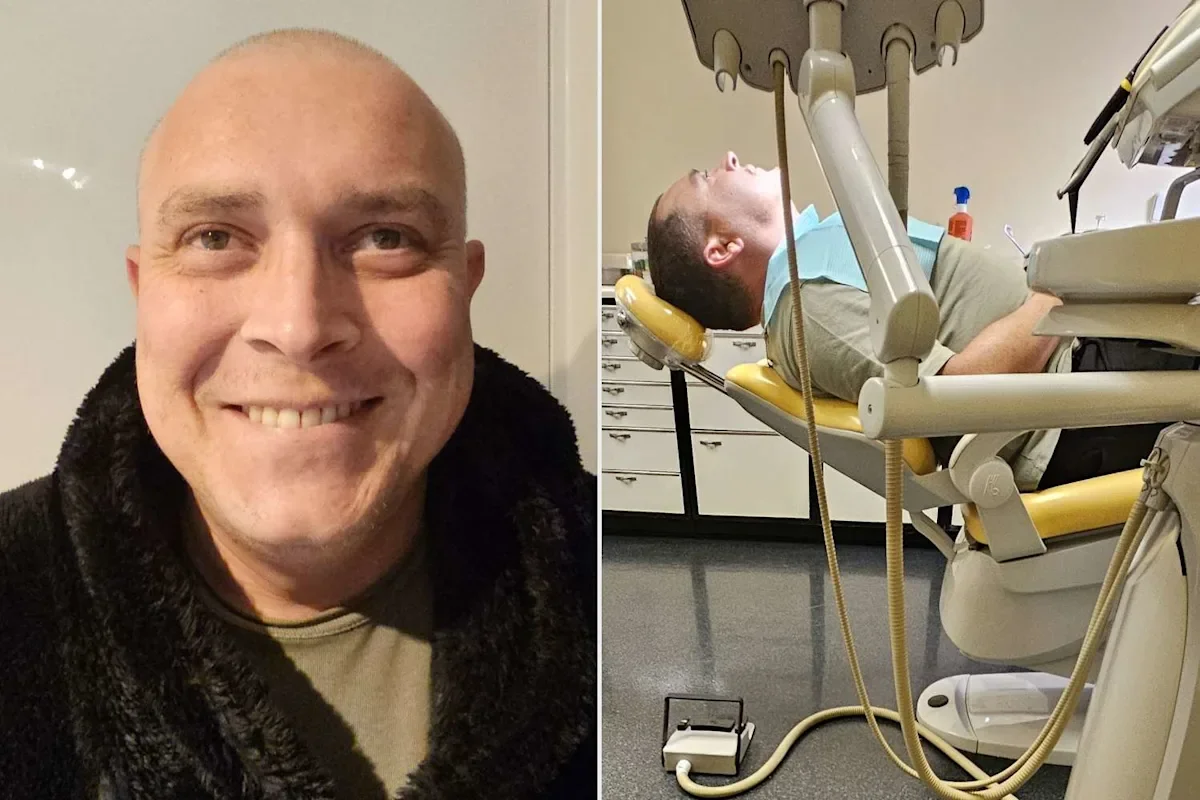
A 42-year-old man in the UK discovered via a toothache that he had an aggressive facial cancer. After a mass was found and a CT/biopsy confirmed stage 2 diffuse large B-cell lymphoma, doctors said the tumor had eaten through his facial bone and was inoperable. He began chemotherapy in December but has paused after four rounds due to severe side effects, and he urges others not to ignore minor symptoms that could signal cancer.
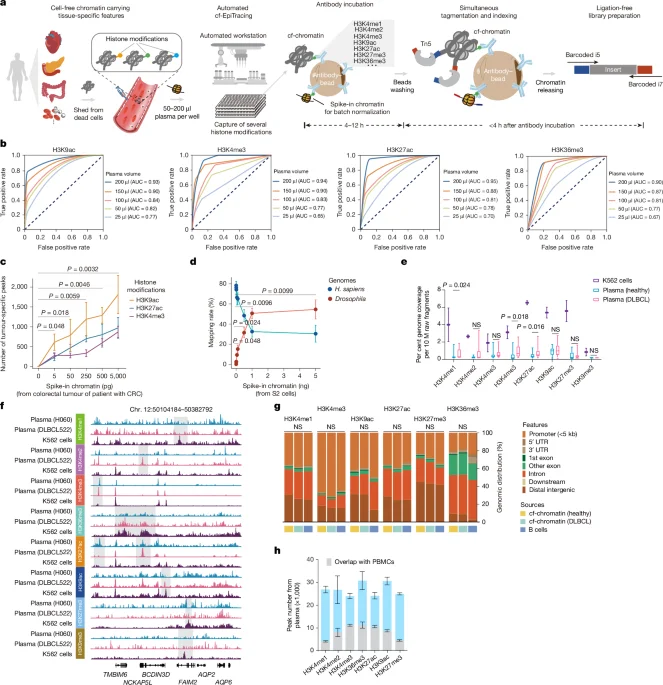
Researchers report cf-EpiTracing, an automated platform that profiles multiple histone modifications in cell-free chromatin from as little as 50 μL of plasma to infer tissues of origin with high accuracy; by integrating an 18-ICS ChromHMM framework across reference epigenomes, it identifies primary diseased tissues, detects organ involvement, enables noninvasive cancer subtyping (DLBCL, FL, MCL), early colorectal lesions, prognosis and therapy-response prediction, and tracks disease transformations and translocations. Validated in CRC, CHD and B-cell lymphoma cohorts, cf-EpiTracing outperforms current clinical indices for prognosis and supports longitudinal monitoring, highlighting a versatile, noninvasive epigenome-centric approach that could be integrated with other cfDNA modalities for enhanced precision.
Emma Operacz, a 21-year-old Eastern Michigan University student, went from thinking she had a UTI to a life-threatening stage IV ALK+ anaplastic large cell lymphoma; after a difficult treatment course that included an experimental drug to cross the blood–brain barrier and a sister-donor bone marrow transplant, she spent months recovering before graduating in December 2025 and beginning a graduate program to work with cancer patients.
Bret Hanna-Shuford, a Broadway actor and social media influencer known for his role in productions like Wicked and for documenting his life as a gay parent with his husband Stephen, has died at 46 after battling lymphoma and HLH. He was also working on a children's book and is survived by his family, including his son Maverick.
Dave Coulier, known for 'Full House,' announced he has Stage 3 tongue cancer, diagnosed after a routine PET scan, following his previous battle with lymphoma. He is undergoing 35 rounds of radiation and is optimistic about his prognosis, emphasizing the importance of early detection and healthy products.
Jessica Farrington shared her experience of ignoring early signs of non-Hodgkin follicular lymphoma, emphasizing the importance of listening to one's body and seeking medical attention for subtle symptoms to enable early diagnosis and treatment.
A pregnant woman in England experienced severe symptoms mistaken for morning sickness, but was later diagnosed with a fast-growing lymphoma, leading her to make the difficult decision to terminate her pregnancy to begin life-saving treatment. She has since gone into remission and is raising funds for lymphoma awareness.
Johnson & Johnson's early-stage clinical trial of a dual-targeting CAR-T therapy for lymphoma shows promising results, with a 100% response rate in patients with prior treatment, and manageable safety profile, marking a significant step forward in blood cancer treatment.
Jessica DeCristofaro shares her journey of being misdiagnosed multiple times before discovering she had stage 4B Hodgkin's lymphoma. Initially dismissed as allergies or acid reflux, her persistent symptoms led to a critical diagnosis after visiting numerous doctors. Following intense chemotherapy and radiation, she went into remission and now supports other cancer patients through her blog and care packages. Her story highlights the importance of self-advocacy in healthcare.
NIH researchers have developed a five-drug combination therapy, ViPOR, that achieves lasting remissions in patients with aggressive B-cell lymphoma resistant to standard treatments. In a clinical trial, ViPOR led to complete tumor disappearance in 38% of patients and showed significant survival benefits, particularly in specific subtypes of diffuse large B-cell lymphoma (DLBCL). The treatment's side effects were generally mild to moderate, and further studies are planned to confirm its efficacy and explore its use in other lymphoma types.