Tag

Medication Adherence

All articles tagged with #medication adherence

Large Meta-Analysis Finds Statin Side Effects Far Less Severe Than Public Perception
health5 days ago

Large Meta-Analysis Finds Statin Side Effects Far Less Severe Than Public Perception

A major meta-analysis in The Lancet suggests that while statins cause minor increases in muscle pain, liver enzyme changes, and diabetes risk, they do not significantly cause memory loss, depression, or sleep issues. Most reported muscle complaints are not actually caused by the drug, yet poor adherence remains a critical issue.

health1 month ago

Consistency Is Key: Adherence Drives Heart Benefits of Blood Pressure Drugs

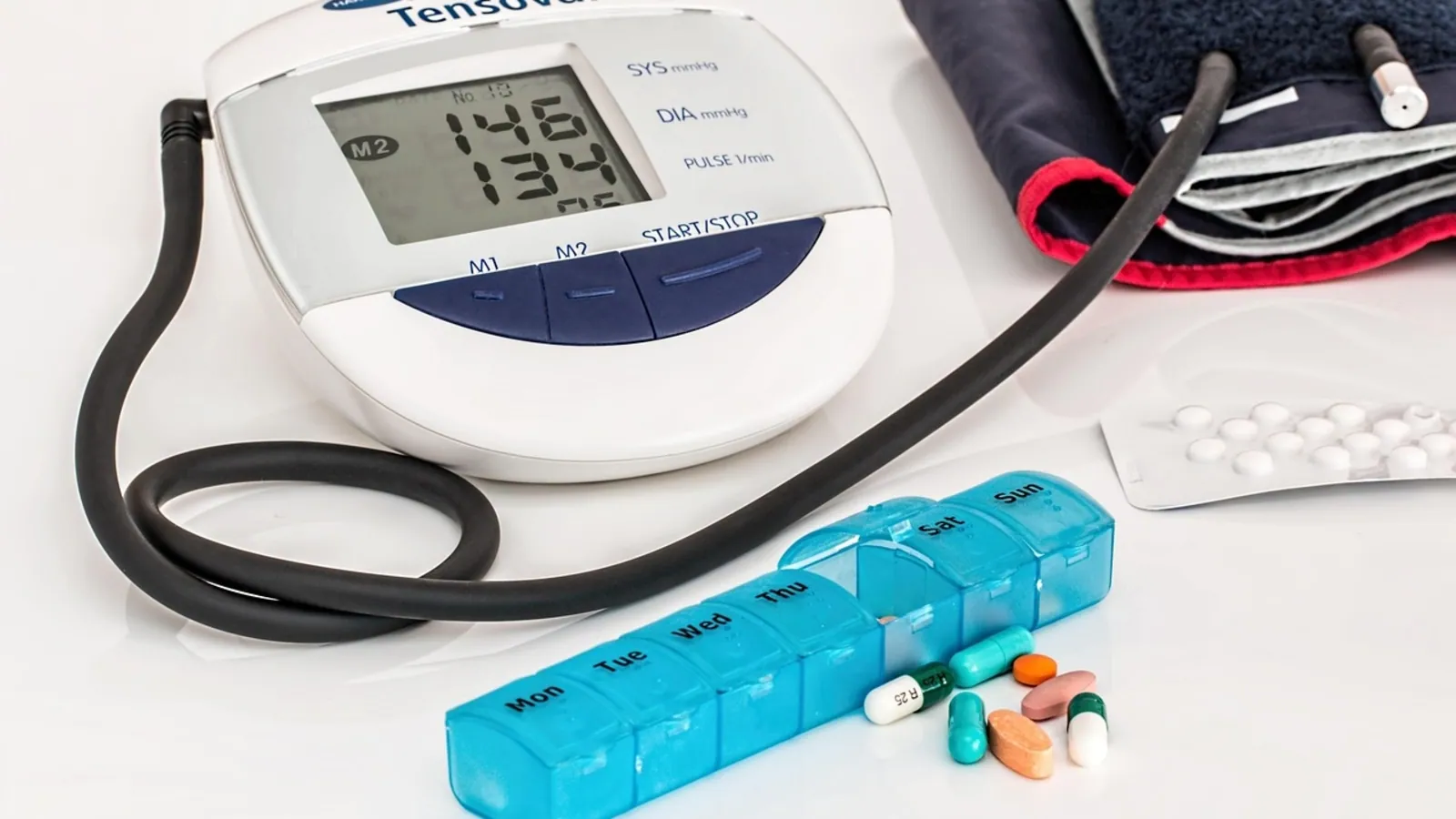
A meta-analysis of 91,339 participants across nine randomized trials shows that the cardiovascular protection from antihypertensive medications hinges on consistent dosing: higher adherence (≥80%) yielded greater blood pressure reductions (5.2 vs 3.0 mmHg) and an 11% reduction in major cardiovascular events, while lower adherence offered little benefit. The findings highlight the need for simpler, longer-acting regimens and strategies to improve adherence so patients don’t miss out on life-saving effects.

Consistency with blood pressure meds matters: missed doses weaken heart protection
health1 month ago

Consistency with blood pressure meds matters: missed doses weaken heart protection

A meta-analysis of nine randomized trials (over 91,000 adults) found that hypertension patients who take at least 80% of their prescribed blood pressure meds have an 11% lower risk of major cardiovascular events and reduce systolic blood pressure by about 5.2 mmHg, compared with those on placebo or less intensive treatment; those with lower adherence saw no significant risk reduction. The study, soon to be presented at the 2026 European Society of Cardiology Congress and not yet peer‑reviewed, highlights that consistent, sustained medication use yields greater protection and offers strategies to improve adherence (e.g., simplifying regimens, habit stacking, and combination pills).

MIT’s Biodegradable Capsule Confirms Medication Ingestion in Real Time
science9 months ago

MIT’s Biodegradable Capsule Confirms Medication Ingestion in Real Time

MIT engineers have developed a biodegradable ingestible capsule with a zinc-cellulose antenna and a micro-RFID chip that emits a real-time signal confirming a pill has been swallowed. The capsule dissolves in the stomach while the RFID component is excreted, enabling noninvasive adherence monitoring for critical therapies (e.g., transplant immunosuppression) and potential integration with health records. The SAFARI project uses safe, eco-friendly materials and aims for human trials, offering a pathway to real-time feedback without bulky wearables.

High Dropout Rates for New Weight-Loss Drugs Due to Costs and Side Effects
health2 years ago

High Dropout Rates for New Weight-Loss Drugs Due to Costs and Side Effects

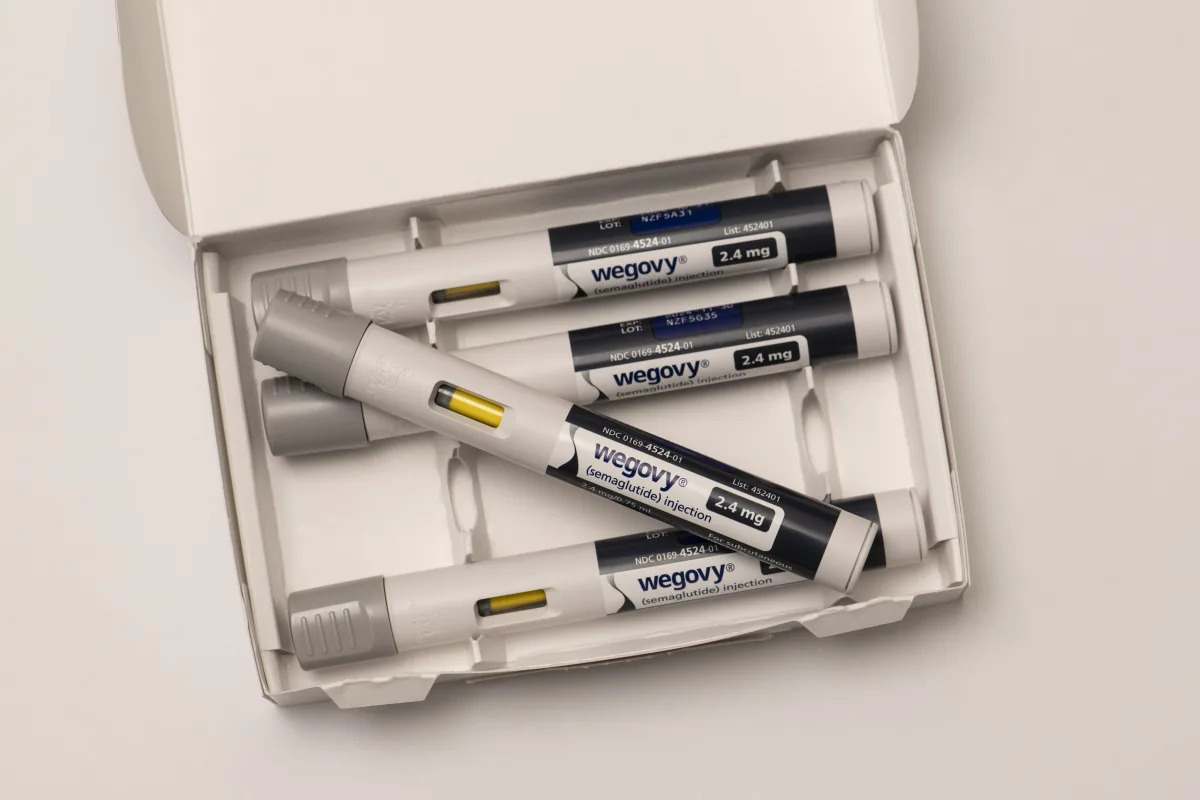
A new study by the Blue Cross Blue Shield Association reveals that over 30% of people taking GLP-1 weight-loss drugs like Ozempic and Wegovy stop their treatment within four weeks, often due to early side effects and high costs. This premature discontinuation is more common among younger adults and those in underserved areas. Experts emphasize the importance of completing at least 12 weeks of treatment to achieve significant weight loss and maintain health benefits, as stopping early often leads to regaining most of the lost weight.

"Wegovy: A Game-Changer in Obesity Treatment?"
health2 years ago

"Wegovy: A Game-Changer in Obesity Treatment?"

Patients often struggle with nonadherence to prescribed medications, but the new obesity drugs Wegovy and Zepbound are showing exceptional compliance rates among users, with many intending to take them indefinitely. Unlike traditional medications, patients are often the ones seeking out obesity drugs after struggling with weight loss and regain. The drugs, while effective, come with drawbacks such as cost, availability issues, and side effects, but users are willing to endure these challenges due to the significant improvement in their quality of life and the elimination of obesity-related stigma and shame.

"Comparing Ozempic and Wegovy: A New Approach to Weight-Loss Drugs"
health2 years ago

"Comparing Ozempic and Wegovy: A New Approach to Weight-Loss Drugs"

Many patients struggle with medication adherence, leading to preventable medical costs and deaths, but the new obesity drugs Wegovy and Zepbound are showing promise in overcoming this issue. Doctors have observed that patients are faithfully taking these drugs, which have been effective in helping people lose weight and keep it off. While some patients may initially hesitate to start due to concerns about regaining weight if they stop, those who do start are reportedly continuing with the medication.

"Comparing Ozempic and Wegovy: A New Approach to Weight-Loss Drugs"
health2 years ago

"Comparing Ozempic and Wegovy: A New Approach to Weight-Loss Drugs"

Many patients struggle with medication adherence, leading to preventable medical costs and deaths, but the new obesity drugs Wegovy and Zepbound are showing promise in overcoming this issue. Doctors have observed that patients are faithfully taking these drugs, which have been effective in helping people lose weight and keep it off. While some patients may initially hesitate to start the medication, those who do begin are reportedly continuing with it, indicating a potential breakthrough in addressing medication nonadherence in the treatment of obesity.

High Dropout Rate for Diabetes Medications Ozempic and Mounjaro
health2 years ago

High Dropout Rate for Diabetes Medications Ozempic and Mounjaro

A study found that half of the patients using GLP-1 RAs, a class of injected drugs including Ozempic and Mounjaro, quit within a year due to gastrointestinal issues such as nausea, vomiting, and diarrhea. The discontinuation of these medications puts patients at a greater risk for hospitalizations related to diabetes. The study highlights the need for ongoing communication between patients and prescribers to address medication benefits, side effects, and costs.

Improving Medication Adherence for Older Adults: Ask This Question.
health3 years ago

Improving Medication Adherence for Older Adults: Ask This Question.

A study published in JAMA Network Open found that 1 in 5 adults aged 65 and above skipped or delayed their prescription medications last year due to concerns about cost. The study's lead author attributed the increase to rising inflation and prescription drug costs. The findings are in line with earlier studies and real-world experiences. The Inflation Reduction Act aims to lower the high cost of prescription drugs for older adults, but some of its provisions won't go into effect for several more years. Billionaire Mark Cuban's Cost Plus Drug Co. offers some generic drugs at discounted prices.