First renal denervation procedure targets hard-to-control hypertension in Southeastern Massachusetts
St. Anne's Hospital in Southeastern Massachusetts performed its first renal denervation procedure to treat hard-to-manage hypertension.
All articles tagged with #high blood pressure

St. Anne's Hospital in Southeastern Massachusetts performed its first renal denervation procedure to treat hard-to-manage hypertension.

Intermountain Health explains that strokes occur from blocked arteries or bleeding in the brain and that rapid treatment dramatically improves outcomes. Learn the BE FAST signs (Balance, Eyes, Face, Arm, Speech) and call 911 at the first symptom. In the hospital, imaging (CT/MRI) identifies the stroke type and treatments such as tPA or clot retrieval are time-sensitive. Many strokes are preventable, with high blood pressure as the top risk factor; reducing risk through medication adherence and lifestyle changes (exercise, healthy diet, weight management, smoking cessation) can lower incidence and improve recovery when strokes do occur.

A woman explains how she spent years ignoring high blood pressure because she didn’t feel sick, underscoring the hidden dangers of untreated hypertension and urging others to monitor and manage their blood pressure early.

A Mumbai doctor explains that hypertension often starts quietly with mild, non-specific symptoms such as headaches, dizziness, fatigue, blurred vision, irritability, poor sleep, or shortness of breath, which many attribute to stress. Regular blood pressure checks—especially after age 30 or with risk factors like family history, diabetes, obesity, or smoking—are essential for early detection and reducing the risk of long-term organ damage.

Stroke doctors say 80% of strokes are preventable with lifestyle changes and list seven habits to avoid: sedentary living, uncontrolled high blood pressure, skipping regular checkups, smoking, excessive alcohol, a poor diet, and neglecting necessary treatment—plus the importance of rapid stroke care and recognizing FAST symptoms.

A meta-analysis of 27 population studies (over 74,000 participants across multiple countries) finds that higher salinity in drinking water is associated with higher systolic and diastolic blood pressure and about a 26% higher risk of hypertension, especially in coastal populations where seawater contaminates freshwater. While individual increases are modest, the population-level impact could be substantial, highlighting an environmental factor in cardiovascular risk and the need for better drinking-water standards and further research. In the meantime, checking local water quality and managing overall sodium intake are prudent steps.

A study of death records shows hypertensive heart disease deaths among women aged 25–44 have quadrupled from 1.1 to 4.8 per 100,000 between 1999 and 2023, with over 29,000 deaths in two decades; experts say underdiagnosis, lower treatment rates for women, and a historical focus on older men may contribute, prompting a call for targeted prevention, earlier screening for hypertension in younger women, and consideration of pregnancy-related cardiovascular risks and lifestyle factors like sedentary behavior and high salt intake as potential contributors.

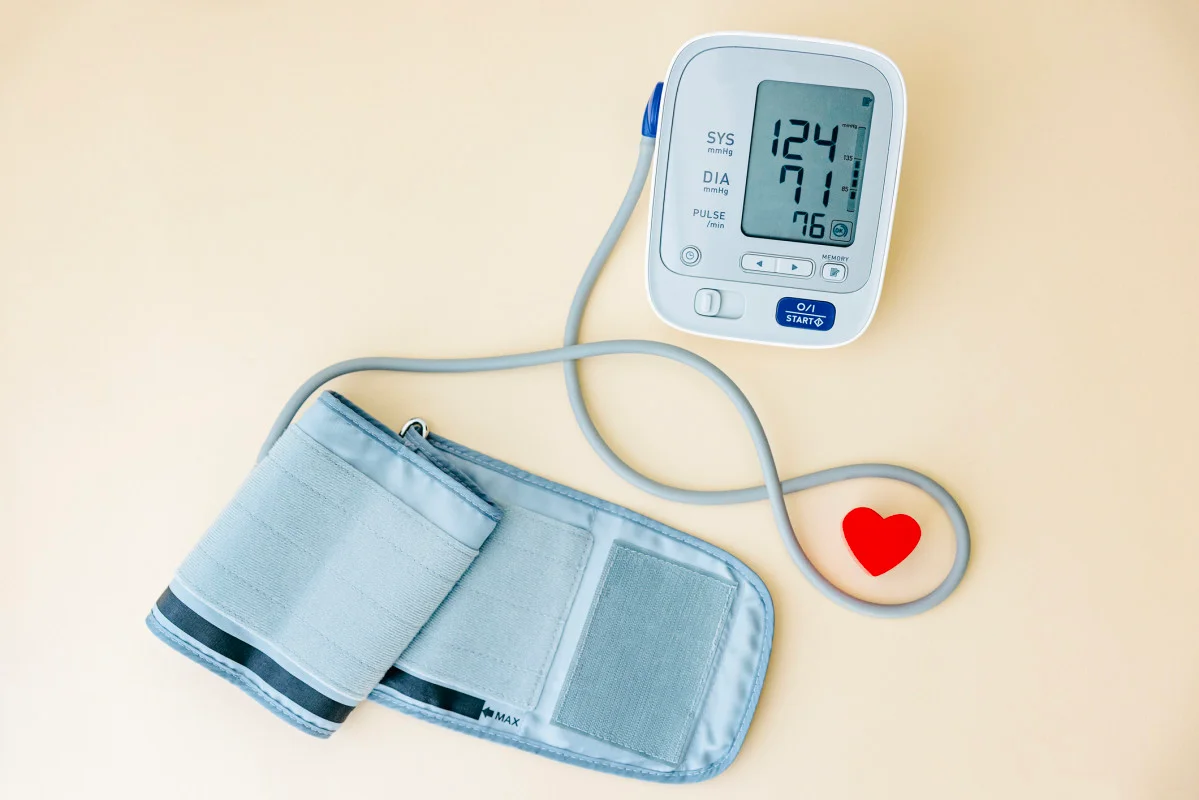
Cardiologists warn that rising quickly after waking can trigger a temporary drop in blood pressure and dizziness for people with hypertension. Instead, rise slowly—sit on the edge of the bed for a minute, hydrate, and take prescribed meds—then, after 30–60 minutes, begin light activity (gentle stretching or a slow walk) and save vigorous exercise for later in the day. Regular moderate aerobic activity remains beneficial for long‑term risk reduction, and timing/intensity should be tailored with your doctor. Normal BP is about 120/80; hypertension stages start at 130–139/80–89 (Stage 1) and above 140/90 (Stage 2).

Hypertension affects about half of US adults and often has no obvious symptoms, yet it quietly raises the risk of heart disease, kidney disease, stroke and other organ damage. Regular blood pressure checks and effective treatment can dramatically reduce these risks, underscoring the condition’s status as a leading preventable cause of death.

A cardiologist warns hypertension often has no obvious symptoms but can quietly damage the heart, brain and kidneys. When symptoms do appear, they may include fatigue, headaches and breathlessness during exercise, but many sufferers have no clear warning signs. The takeaway is regular blood pressure monitoring and addressing lifestyle factors—nutrition, sleep, weight and activity—to prevent organ damage and reduce risks like heart attack, stroke and kidney failure.

A large study involving over 9 million adults from South Korea and the US found that 99% of heart attacks and strokes are linked to four modifiable risk factors: high blood pressure, high cholesterol, high blood sugar, and tobacco use, emphasizing the importance of managing these risks to prevent serious cardiovascular events.

Dr. Wolfson argues that high blood pressure is a warning sign rather than the root problem, and that medications often fail because they do not address underlying causes like stress, inflammation, or toxins, thus not reducing the risk of heart attacks or strokes.

A healthy man in his 50s experienced a stroke likely caused by excessive consumption of high-potency energy drinks containing high levels of caffeine, which led to high blood pressure and vascular constriction. Quitting energy drinks resulted in the normalization of blood pressure and full recovery, highlighting the potential cardiovascular risks associated with energy drink overconsumption.

A global review found that the prevalence of high blood pressure in children and teenagers nearly doubled over 20 years, primarily driven by obesity, unhealthy diets, and inactivity, affecting 114 million young people and posing serious lifelong health risks. Experts emphasize the importance of early detection, healthy habits, and policy measures to combat this rising health concern.

Global rates of childhood hypertension have nearly doubled since 2000, driven by factors like obesity, diet, sedentary lifestyle, and environmental pollutants. Early detection and lifestyle changes can help mitigate long-term health risks, emphasizing the importance of regular monitoring and healthy habits in children.