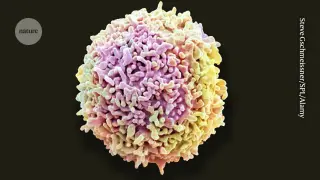
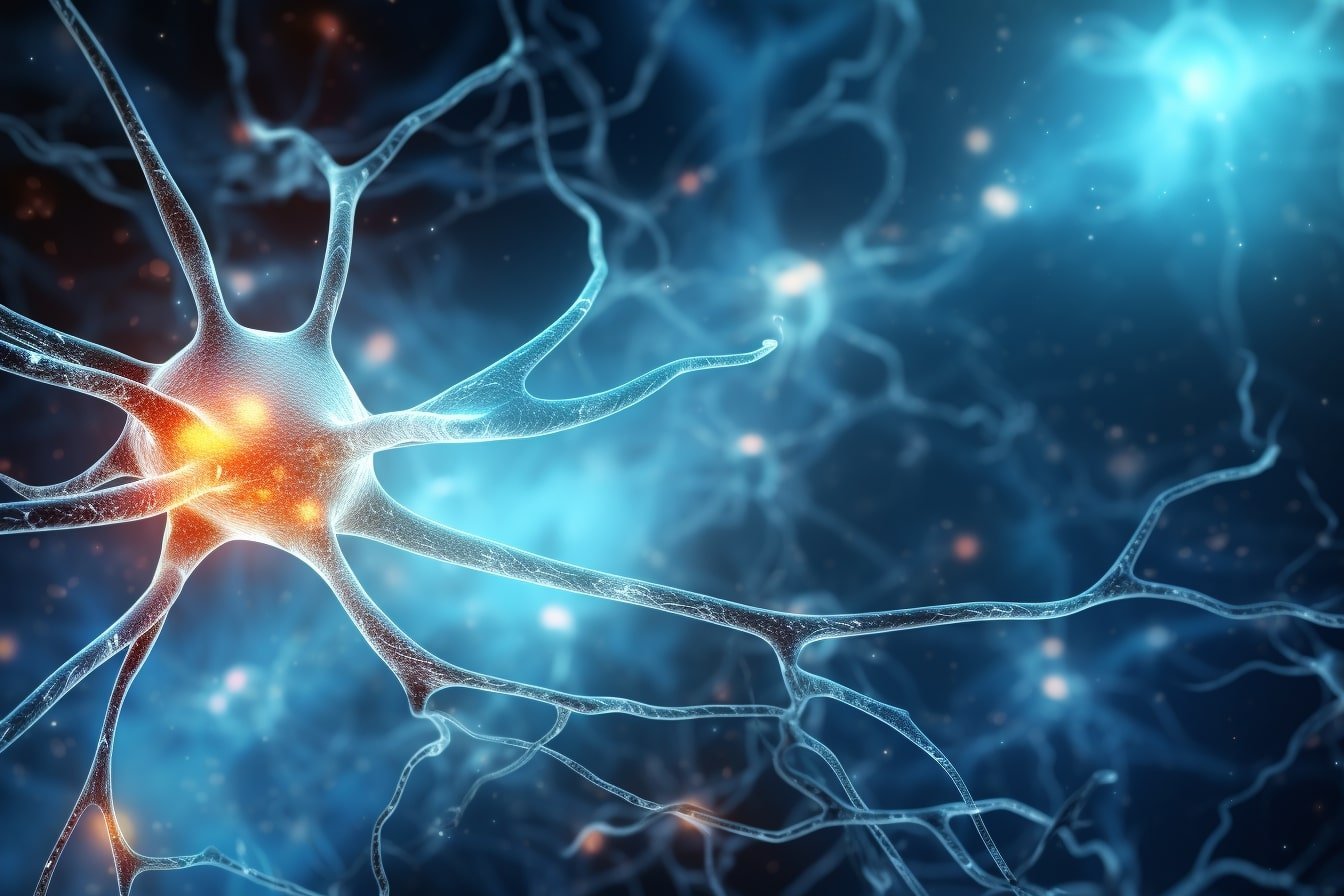
In mice, gut infections drive CD4+ T cells to migrate to the brain’s meninges, where they become resident and respond more strongly to a second infection weeks later, revealing a gut–brain immune connection and potential implications for neurological disease.
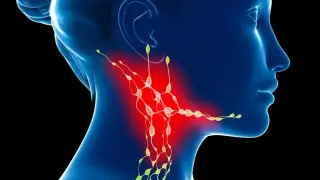
A review of 96 studies links aging to smaller neck lymph nodes and slower clearance of brain waste via the glymphatic and meningeal lymphatic systems, suggesting the cervical lymph nodes act as a brain drainage hub and that impaired drainage could influence brain aging and neurodegenerative disease, though more longitudinal human research is needed before clinical biomarkers emerge.
Real-time MRI captured slow, lymphatic-like fluid flow along the middle meningeal artery in healthy volunteers, revealing a brain drainage hub and challenging the view of a brain isolated from the body's lymphatic system. The finding could reshape understanding of aging, brain injury, and neurodegenerative diseases such as Alzheimer's.
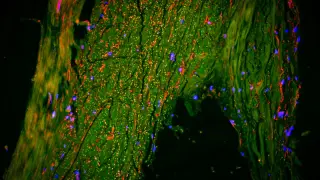
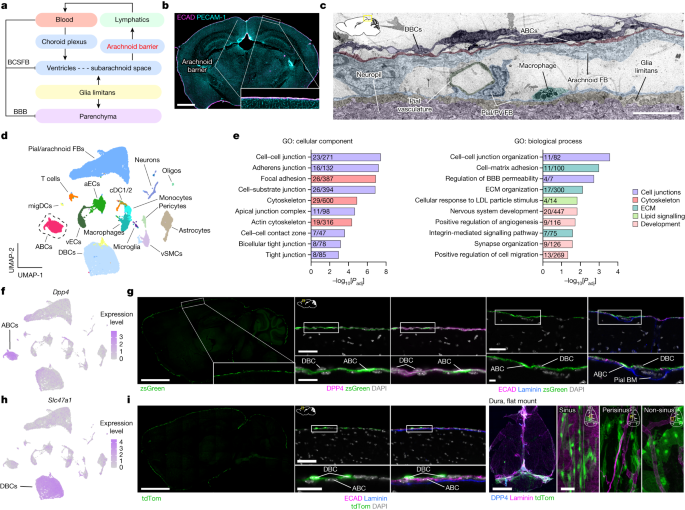
Researchers have identified direct connections between the dura and the brain, shedding light on the structural and functional features of central nervous system lymphatic vessels. The study provides evidence of dural sinuses serving as a neuroimmune interface and highlights the role of meningeal lymphatic drainage circuits in regulating CNS lymphatic drainage and neuroinflammation. Additionally, the findings reveal the involvement of meningeal lymphatic vessels in regulating various neurological processes, including cognitive impairment, anxiety-like behavior, and immune responses in the central nervous system.
Inflammation in the brain's barrier, known as the meninges, may contribute to the progression of multiple sclerosis (MS), according to a study in mice. Using spatial transcriptomics, researchers found evidence of immune genes and inflammatory markers transitioning from the meninges into the adjacent brain tissue. This inflammation within the meninges, present in all types of MS, is suggested to play a role in nerve demyelination, loss of new neurites, and decrease in grey matter volume. The study provides valuable insights into the mechanisms of brain damage in MS and highlights the need for further research using human samples.
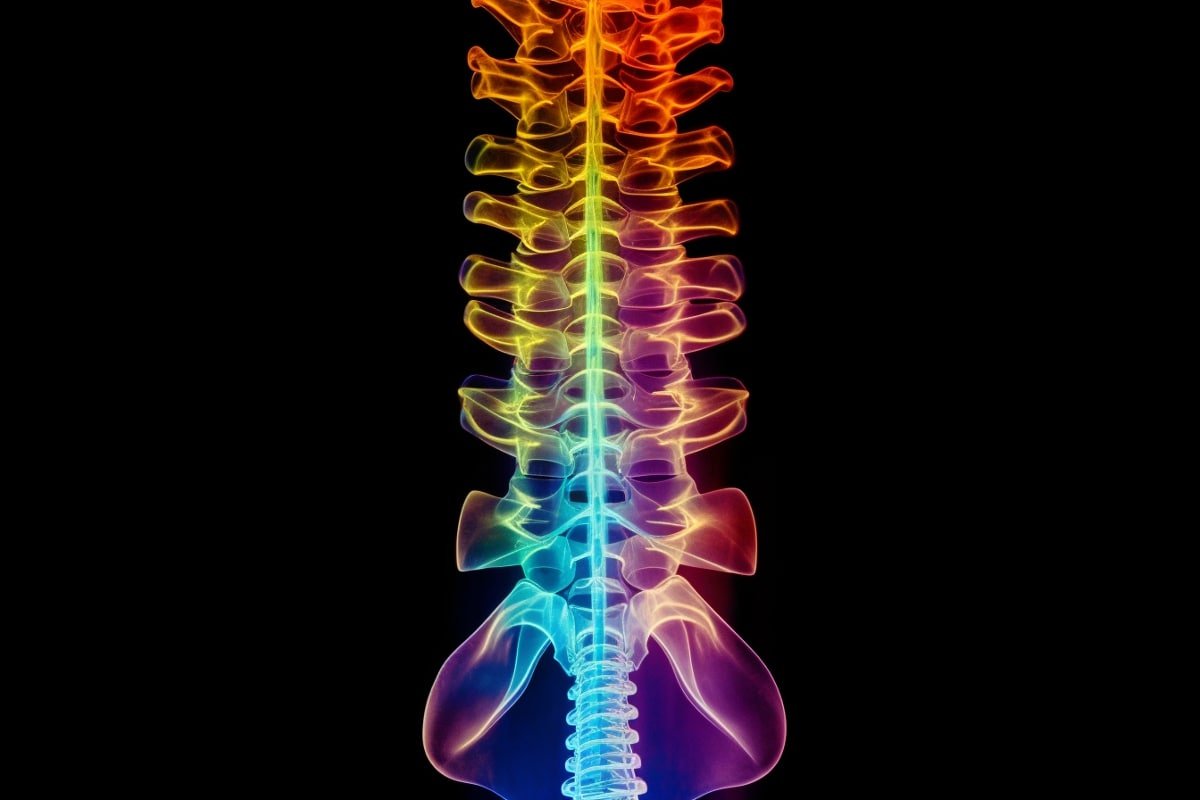
The immune response to spinal cord injuries weakens as people age, according to new research. The study highlights the critical role the membranes surrounding the spinal cord play in this immune response. The findings could help develop treatments to bolster the body’s immune response, improving outcomes for patients, particularly the elderly. The meninges surrounding the spinal cord play an essential role in the immune response to spinal-cord injury. The discovery of the unknown vessels in the membranes, or meninges, surrounding the brain rewrote textbooks and opened a whole new frontier in neurological research.