Tag

Microwave Radiometer

All articles tagged with #microwave radiometer

Juno uncovers buried heat beneath Io's volcanic crust
space-and-astronomy1 month ago

Juno uncovers buried heat beneath Io's volcanic crust

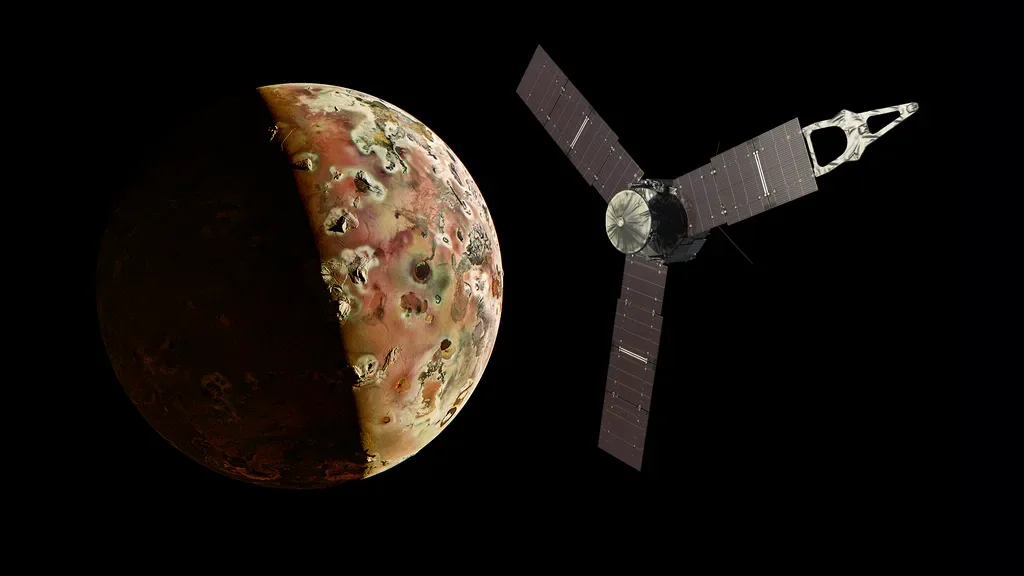
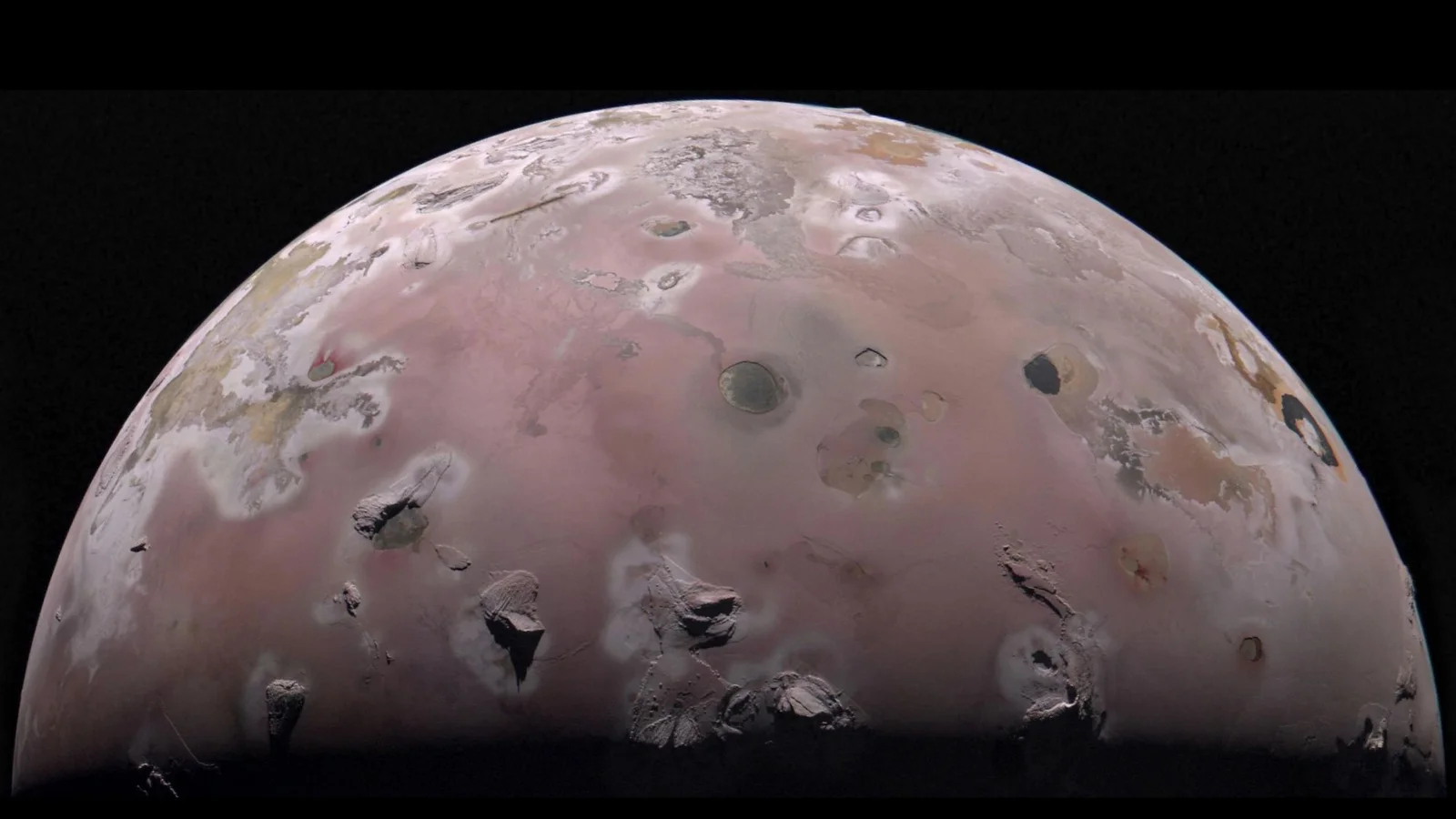
NASA’s Juno spacecraft used its Microwave Radiometer to measure heat beneath Io’s surface for the first time, finding temperatures rise sharply within a few feet of the crust (more than 40°F). The findings suggest a thin, porous surface layer and heat moving through Io’s crust that could result from conduction or cooling lava flows, offering new insights into tidal heating that powers Io’s volcanism and potentially informing heat processes on other worlds with buried oceans; future high-resolution observations could distinguish between conduction and lava-driven heating.
Juno uncovers Io's buried heat, hinting at lava flows or rapid subsurface conduction
space1 month ago

Juno uncovers Io's buried heat, hinting at lava flows or rapid subsurface conduction

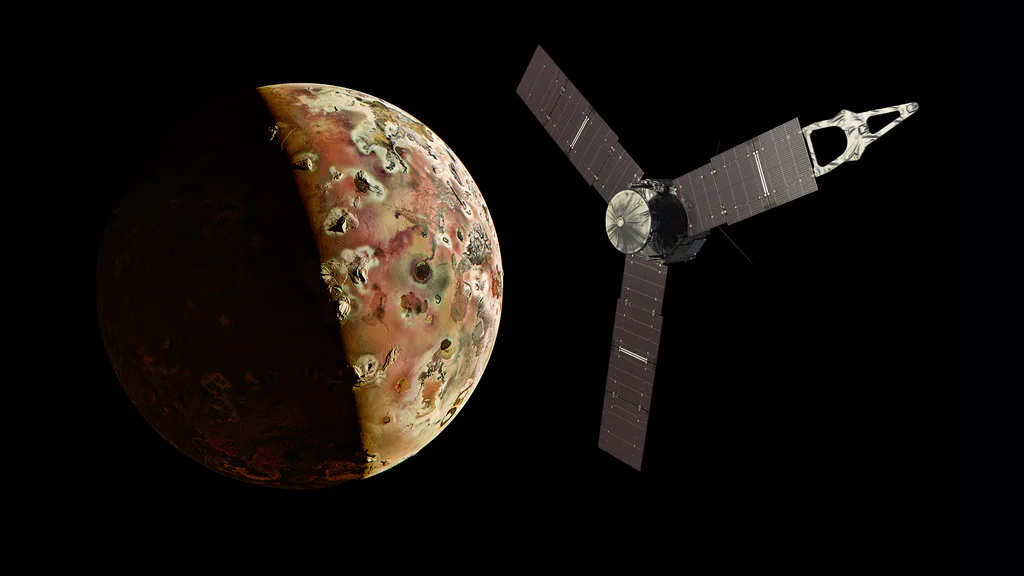
NASA’s Juno spacecraft, using its Microwave Radiometer, measured Io’s subsurface temperatures for the first time and found a sharp, 40+ degree Fahrenheit rise within feet of the surface. The results from two close flybys (2023–2024) suggest heat moving through Io’s crust by conduction or stemming from buried lava flows, offering a new way to study tidal heating and heat transport on rocky worlds and potentially informing heat dynamics on other moons.

Juno Reveals Io's Hidden Heat: Subsurface Clues to a Volcanic Powerhouse
space-exploration1 month ago

Juno Reveals Io's Hidden Heat: Subsurface Clues to a Volcanic Powerhouse

NASA's Juno spacecraft used its Microwave Radiometer to peer beneath Io's surface during late-2023 and early-2024 flybys, uncovering a buried heat signature with temperatures rising several feet below the crust and localized warm pockets. The findings, published in the Journal of Geophysical Research: Planets, show heat moving through Io's crust by conduction or from cooling lava, driven by Jupiter's tidal forces, and offer insights for understanding volcanism on Earth and subsurface oceans on other icy moons such as Europa and Ganymede.

Europa’s Ice Shell Is Much Thicker Than We Thought, New Juno Data Show
space-and-spaceflight7 months ago

Europa’s Ice Shell Is Much Thicker Than We Thought, New Juno Data Show

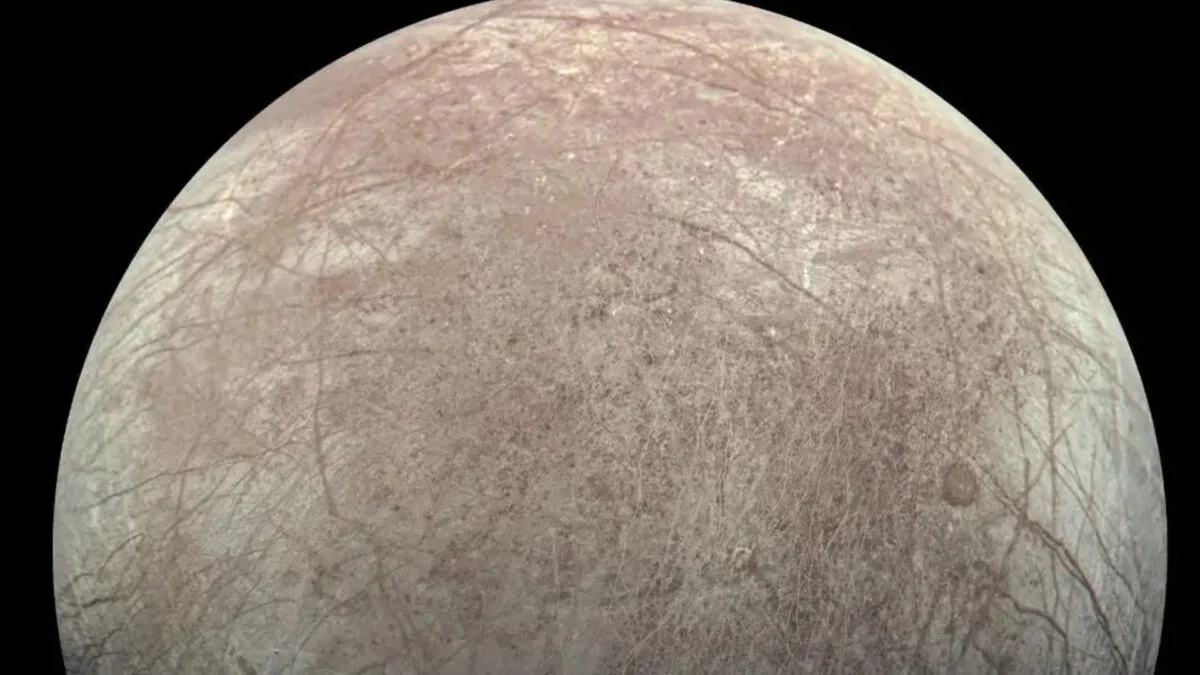
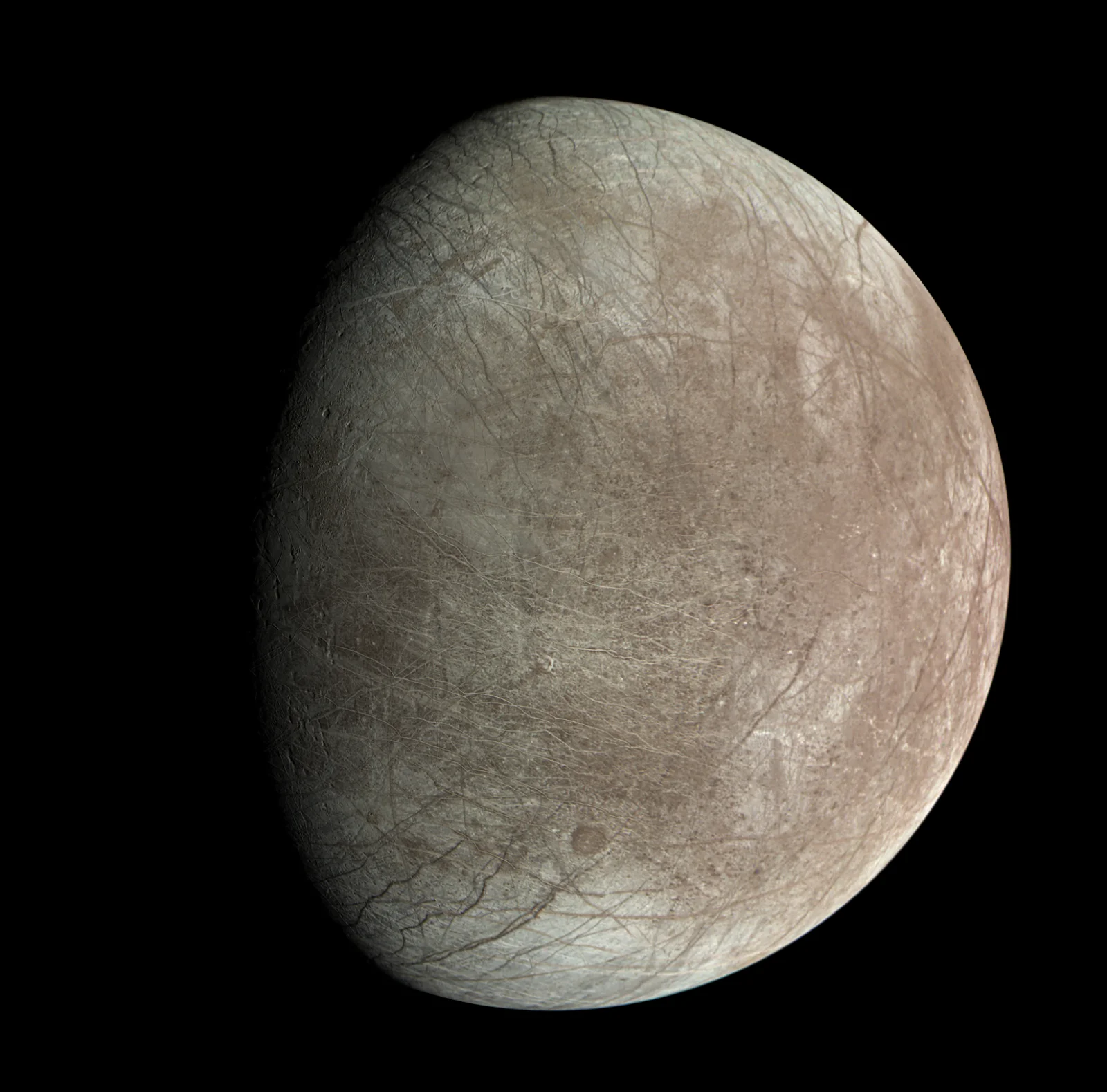
A 2022 Juno flyby analysis estimates Europa’s ice shell in the observed region to be about 29 kilometers (18 miles) thick on average. If a warmer, convective inner layer exists, the total thickness could be greater; the presence of dissolved salt could reduce thickness by roughly 4.8 kilometers. Near-surface “scatterers” (cracks/pores) are likely small and not major pathways for exchange with the ocean. These findings help constrain how the subsurface ocean might connect to the surface and inform upcoming Europa Clipper and Juice missions in assessing the moon’s habitability.

Juno Estimates Europa’s Ice Shell at 29 Kilometers, Hinting at a Deeper Ocean
space7 months ago

Juno Estimates Europa’s Ice Shell at 29 Kilometers, Hinting at a Deeper Ocean

NASA’s Juno used its Microwave Radiometer to measure Europa’s near-surface ice shell during a 2022 flyby, finding an average thickness of about 29 km (18 miles) in the observed region and favoring thicker-shell models; if a salty layer exists, thickness could be reduced by about 3 miles. The data also reveal small near-surface scatterers—cracks and pores—not likely to provide major nutrient pathways to the subsurface ocean, with implications for future Europa Clipper and Juice missions.