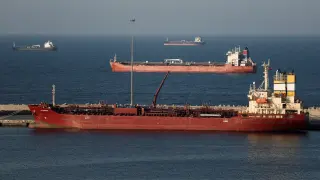
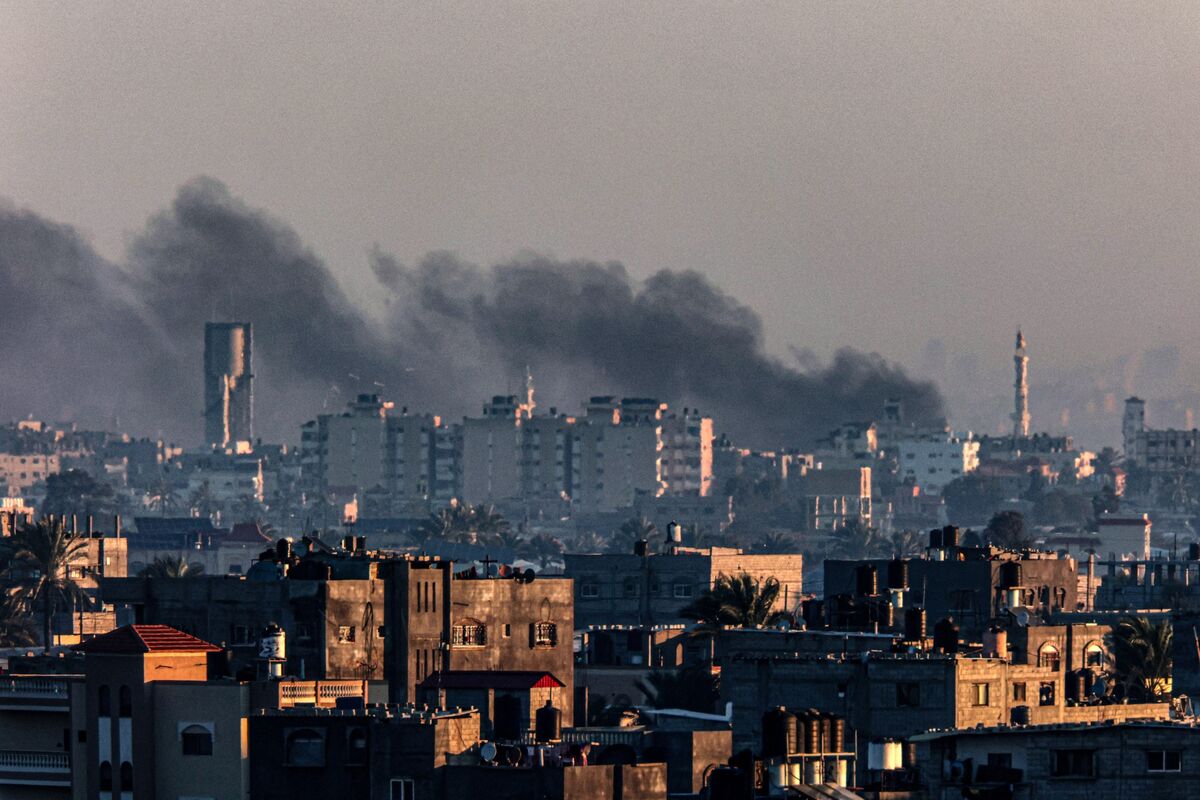
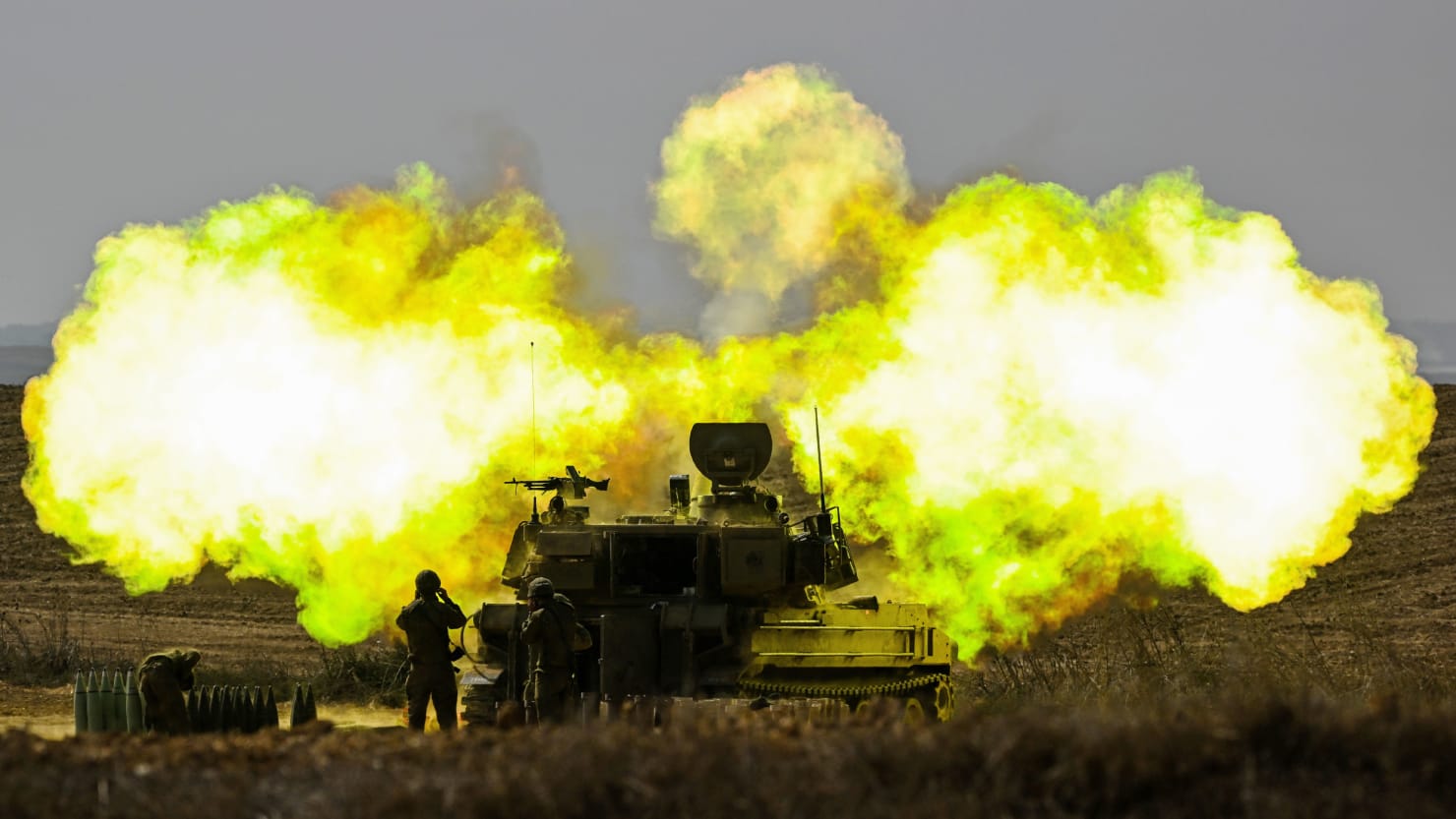
Oil prices rose above $100 a barrel as renewed Middle East tensions raised concerns about oil supply, with Brent briefly at $100 and WTI near $94, while Trump's midterm convention in Dallas got under way, underscoring geopolitical risk shaping markets.
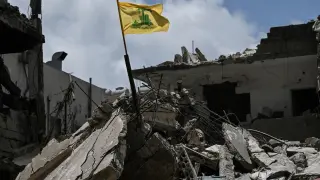
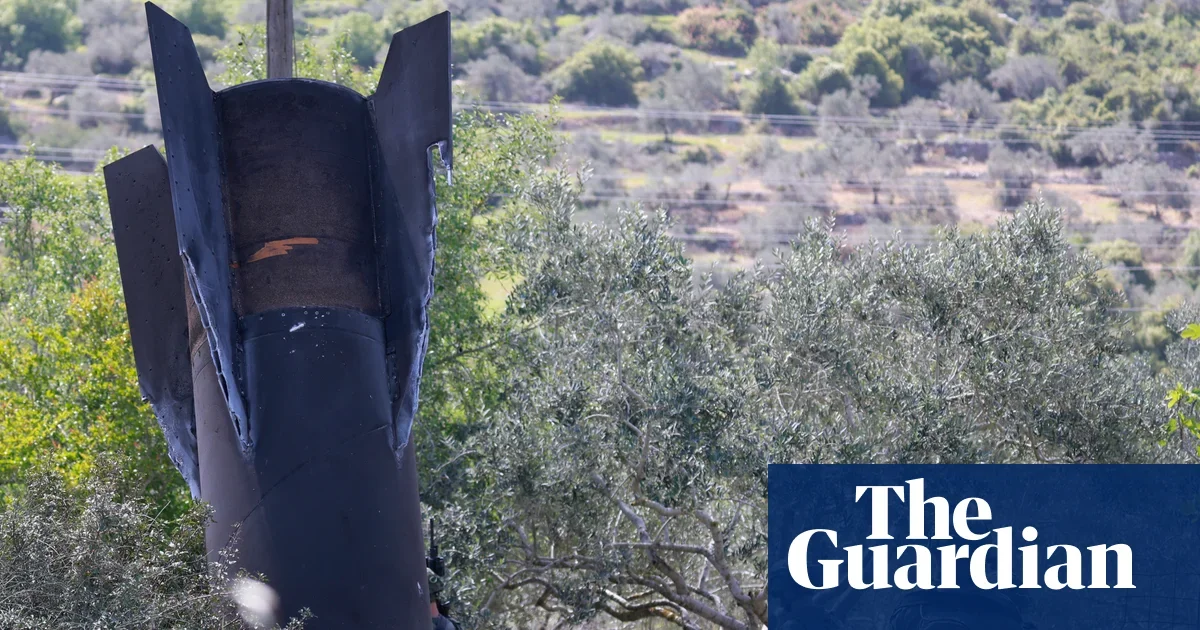
Hezbollah leader Naim Qassem demanded a timetable for a full Israeli withdrawal from south Lebanon, insisting Israel must pull out entirely with the Lebanese army deployed south of the Litani River, as Israeli gunfire killed two people amid a lull in fighting and the ceasefire faced ongoing strains; Hezbollah branded the incident a flagrant ceasefire violation while the broader regional diplomacy continues to push for a broader peace mechanism.
The United States exported a record amount of crude in April (about 5.3 million bpd on average, peaking at 6.4 mbpd) as global supply gaps from the Iran conflict encouraged overseas sales, with SPR withdrawals totaling about 23 million barrels; despite the surge, Brent crude stayed above $100 and WTI near $95, and the national gas price hovered around $4.54/gal. Analysts say keeping more oil in the US won’t automatically lower pump prices due to refinery capacity limits and global pricing, and future prices depend on how long Middle East disruptions last and whether producers increase output.
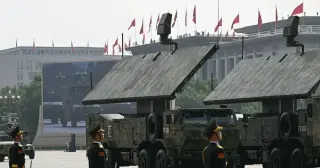
U.S. intelligence officials say China is weighing supplying Iran with advanced X-band radar to bolster its air defenses amid the Iran-Israel war, a move that would broaden external support for Tehran; it remains unclear whether any transfer occurred, but the report underscores growing international competition and alignment against U.S. interests in the region.
Yemen’s Iran-aligned Houthis claim their first attack on Israel as the broader Iran-Israel-US war widens; Rubio says US operations against Iran could wrap up in weeks, while Iran reportedly attacked a Saudi base wounding American troops. Israel maintains strikes on Iranian targets and the conflict risks broadening further, with the Strait of Hormuz remaining a critical flashpoint and casualties mounting on multiple sides.
Rising Middle East tensions as Washington reportedly weighs deploying up to 3,000 troops from the 82nd Airborne amid Iranian and allied strikes on Israel and US bases; drones hit Kuwait's airport and Israeli actions span Lebanon. The digest also notes Meta’s $375m civil penalty over misleading safety claims, a Florida House seat flip for Democrats, plus brief items on energy emergencies, climate misinformation, AI safeguards, and a light note about a record cheesesteak line in Philadelphia.
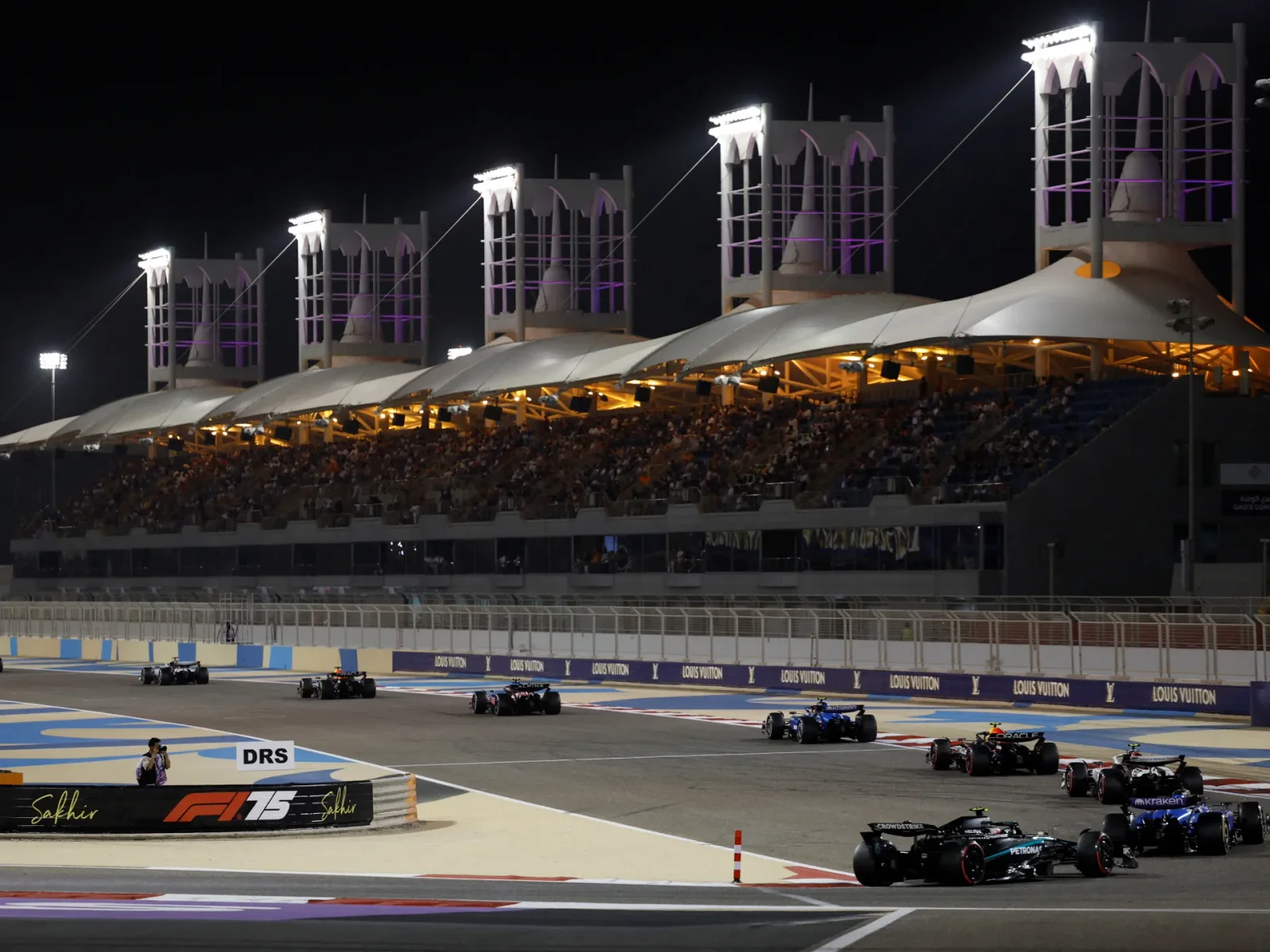
Formula 1 and the FIA announced the Bahrain and Saudi Arabian Grands Prix will not take place in April due to safety concerns linked to the Iran war and broader Middle East tensions, with no substitutions planned and a five-week gap before the next race in Miami.
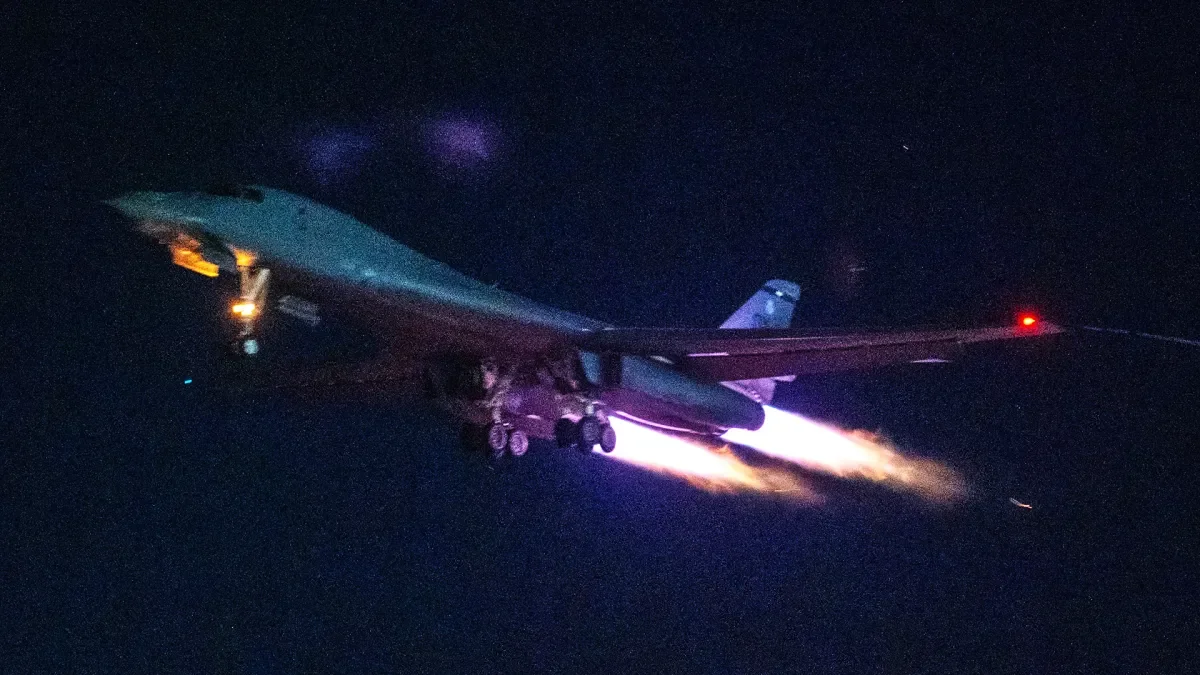
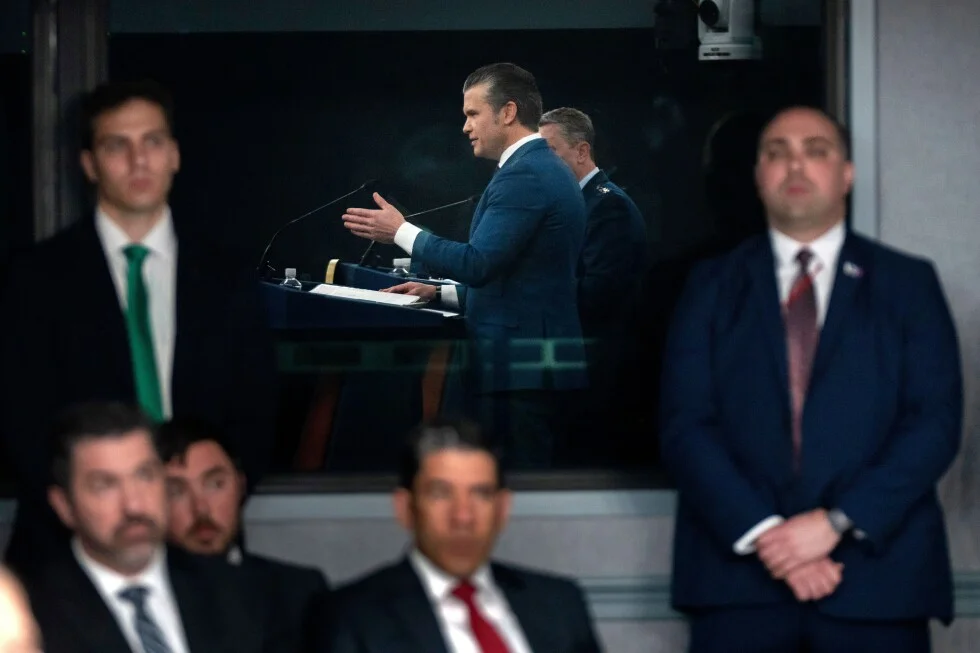
The War Zone reports a rapid escalation in the Iran conflict as the US and Israel intensify strikes, signaling an ongoing overture of carrier groups, bombers, and heavy munitions use (with reports of about $5.6 billion spent in the first two days). CENTCOM highlights actions against Iran’s missile and naval capabilities, while Tehran conducts counterstrikes and regional leaders bolster defenses. About 140 US service members have been wounded; allied actions from the UK, UAE, and others amplify a widening conflict that is already stressing oil markets and global security, with political rhetoric from Washington and Tehran underscoring the high-stakes escalation.
Escalation in the Iran war intensifies with explosions reported in Tehran and southern Beirut as US-Israeli strikes hit major urban centers. Evacuations for foreign nationals expand, energy markets brace for disruptions, and European/NATO partners bolster defenses as the conflict widens across the region. Trump hints at involvement in Iran’s leadership while regional powers weigh security and diplomatic responses.
U.S. officials say a submarine sank an Iranian warship with a torpedo in international waters, as U.S.-led strikes widen the conflict with Iran; the ensuing days featured missile interceptions, air-raid sirens, and widespread disruptions to travel and oil shipments across the region.
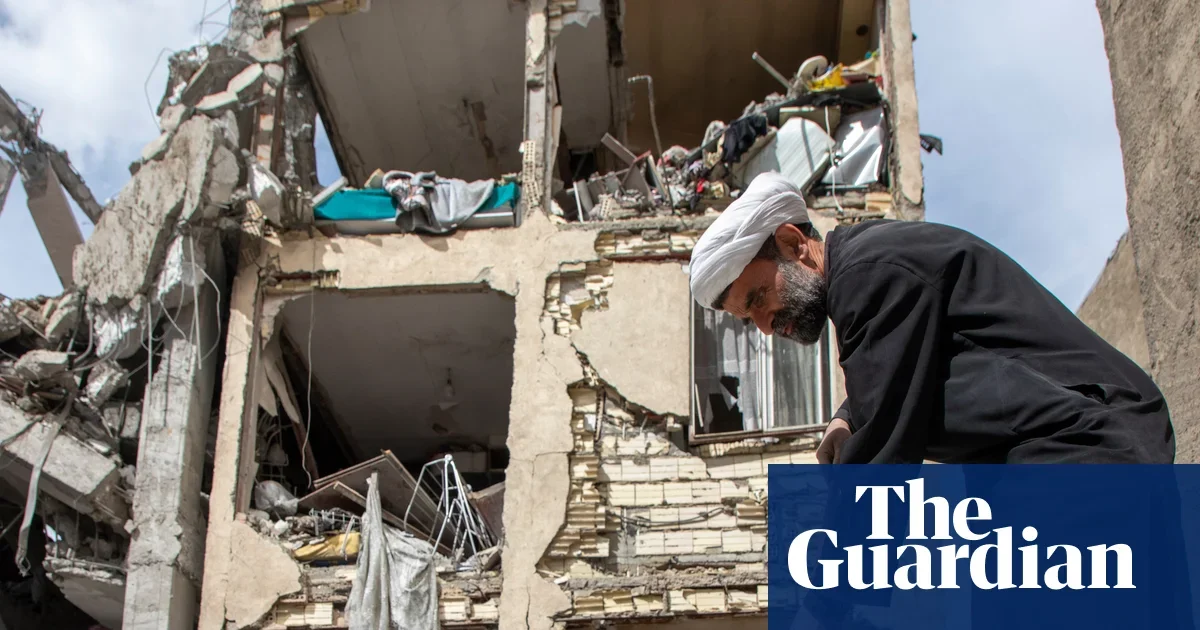
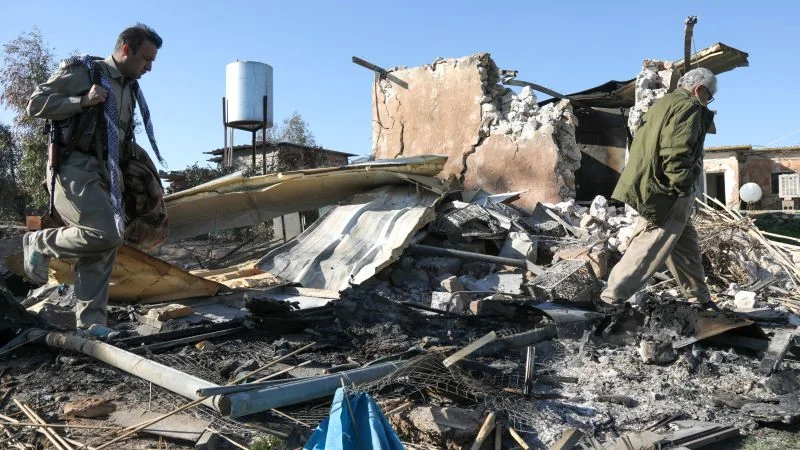
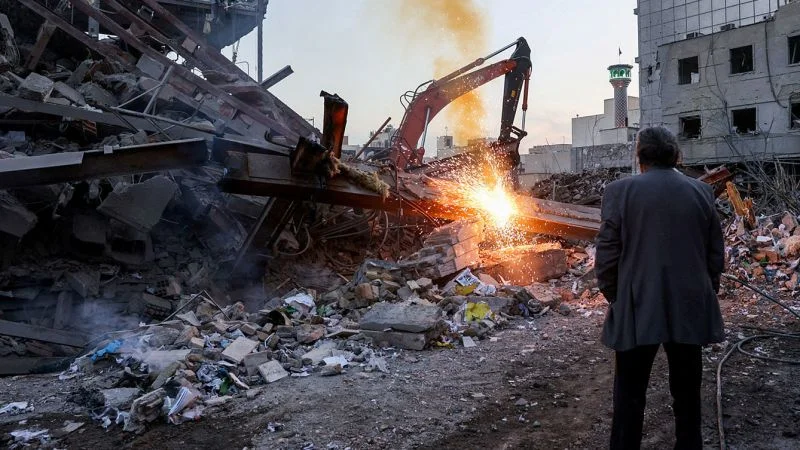
Worsening conflict in the Middle East as Iran retaliates against US-Israeli strikes, with Tehran reporting bombardments while the US orders non-emergency personnel to depart six Gulf states. Iran accuses the US and Israel of war crimes as attacks hit embassies, civilian infrastructure, and key facilities, prompting travel disruptions, protests in the US, and mounting regional security concerns as air defenses come under pressure and strategic chokepoints like the Strait of Hormuz loom large.
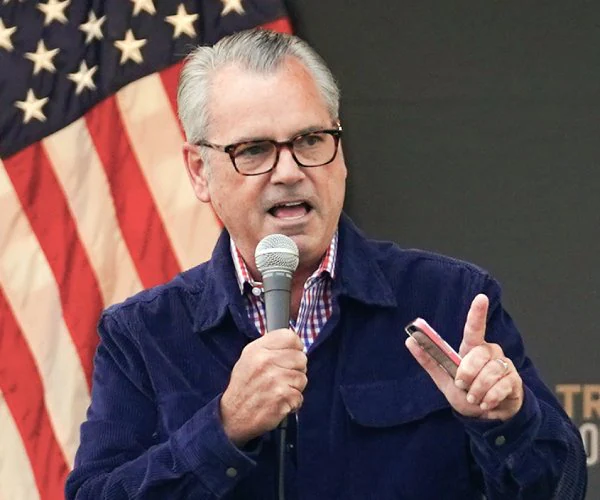
Rep. Mark Alford, R-Mo., expressed his agreement with President-elect Donald Trump's stance that the U.S. should avoid involvement in Syria to prevent another prolonged conflict. Alford emphasized that Israel is effectively managing the situation by targeting strategic weapons in Syria, thus reducing the threat from jihadist groups. He highlighted the importance of allowing Israel to handle its security concerns in the region, particularly near the Golan Heights, without U.S. intervention.
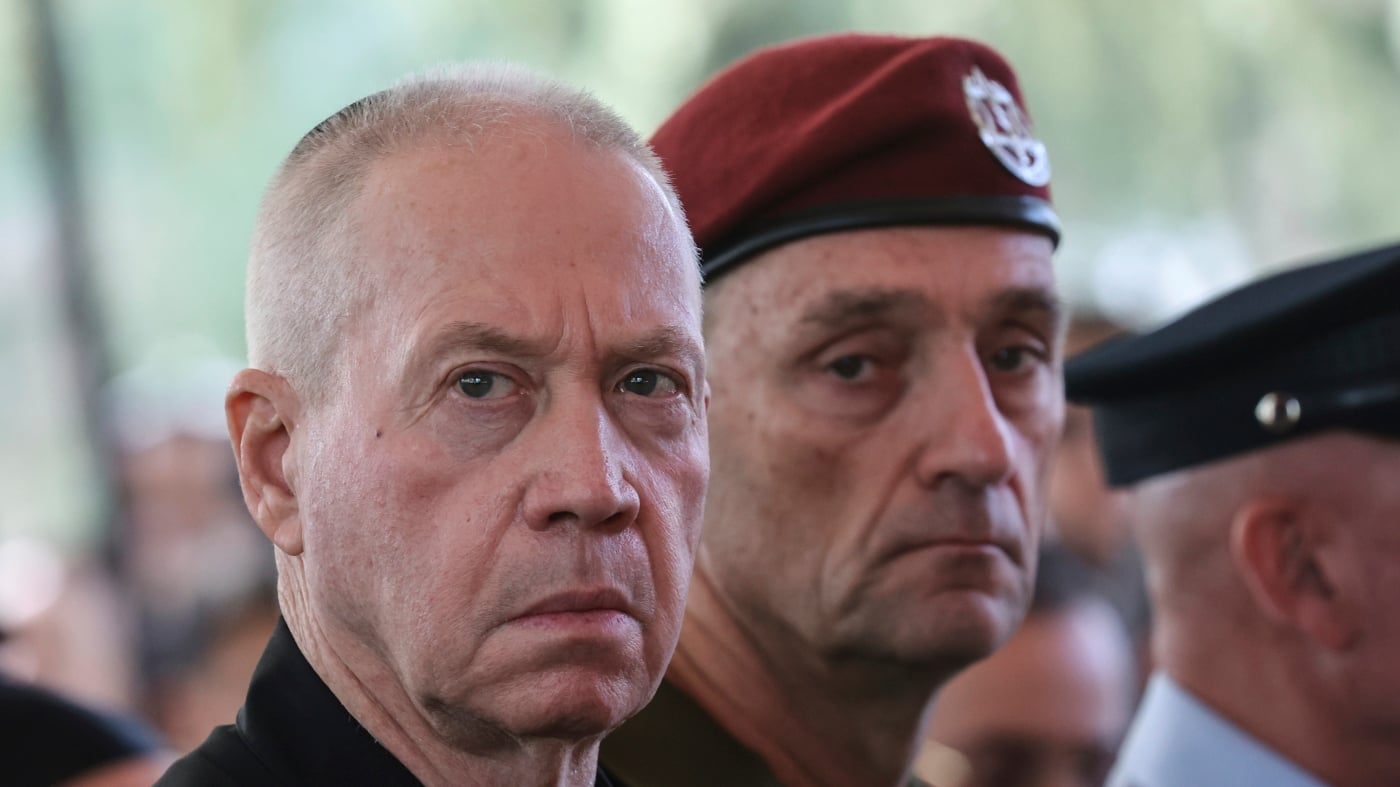
Israeli Prime Minister Benjamin Netanyahu has dismissed Defense Minister Yoav Gallant amid ongoing conflicts in Gaza and Lebanon, citing a "crisis of trust." Gallant's pragmatic approach to the war, including advocating for a diplomatic deal with Hamas, clashed with Netanyahu's hardline stance. The firing has sparked widespread protests across Israel, with critics accusing Netanyahu of prioritizing political survival over national security. Israel Katz, a Netanyahu loyalist, has been appointed as the new defense minister.
U.S. Secretary of State Antony Blinken has described the situation in Gaza as 'dire' amidst concerns of a potential escalation into a wider Middle East war. During his visit to Jordan, Blinken emphasized the importance of speeding up humanitarian aid to Palestinian civilians and discussed the future governance of Gaza post-conflict. His efforts are part of the Biden administration's strategy to prevent the conflict between Israel and Hamas from expanding.
Despite claims from Iranian and Arab pundits that Israel is not winning the war in Gaza, the Israeli military has been effectively targeting and eliminating leaders from Hamas, Hezbollah, and the Iran Revolutionary Guard Corps (IRGC). Israel's precision strikes and intelligence capabilities have been showcased, with significant numbers of enemy combatants killed and minimal civilian casualties. While top Hamas leaders remain at large and rocket attacks continue, the frequency of these attacks and the destruction of Hamas infrastructure suggest a weakening of the group. Israel's military superiority is evident, but for a lasting victory, the focus will need to shift from military action to diplomatic efforts aimed at peace and prosperity in the region.