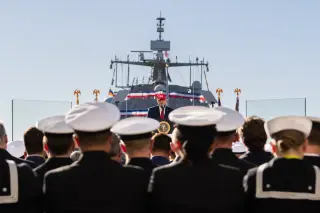
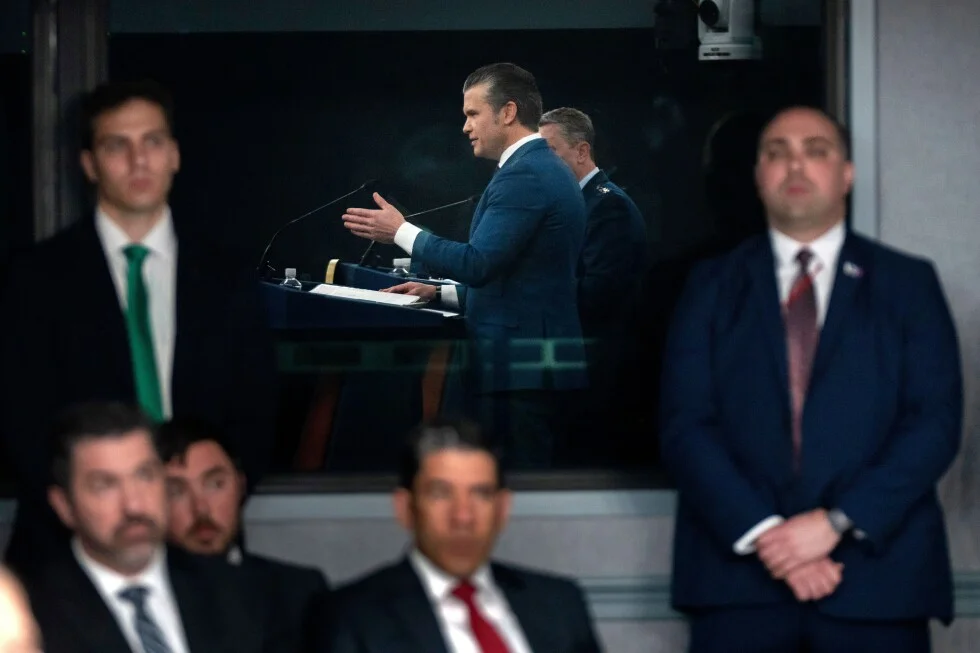
President Trump announced a $7 billion partnership with Anduril to build submarine components in Maryland, marking a major shift for the autonomous-weapons firm into traditional shipbuilding.
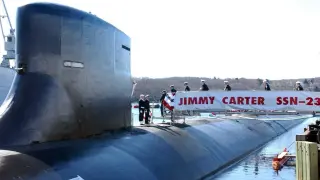
The US Navy is converting the future USS Baltimore (SSN 812) into a specialized subsea and seabed warfare vessel to replace the USS Jimmy Carter. This conversion, revealed through a General Dynamics job listing, aims to protect critical undersea infrastructure like fiber optic cables and pipelines.
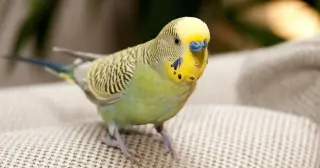
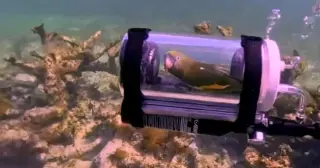
An Iowa man built a clear life‑support capsule for his six‑inch white‑winged parakeet, Bebe, powered by a paintball air tank and an oxygen monitor, to accompany him about a meter underwater for 15 minutes off a Bahamian reef; tested at home first, the bird reportedly swam beneath the surface while the snorkeler stayed close, the footage went viral and sparked online debate about animal safety and even AI‑generated footage, which the creator later addressed with a follow‑up showing the capsule’s valves and cylinder.
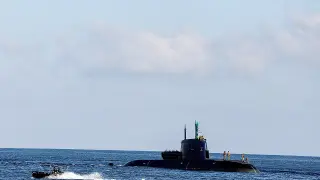
Israel has taken delivery of the INS Drakon, a German-built Dolphin-class submarine costing about $634 million—the largest submarine built in Germany since WWII—significantly expanding the IDF's underwater deterrence and second-strike capabilities against Iran.
Jamie Dimon announced a $24 million package ($18 million in loans and $6 million in grants) to revive American shipbuilding, financing a new submarine manufacturing facility at the Philadelphia Navy Yard built by Rhoads Industries and expanding lending to maritime small businesses and regional suppliers as part of JPMorgan's $1.5 trillion effort to bolster industries key to U.S. economic and national security, a move Dimon called the 'arsenal of democracy' reignited amid rising global tensions.
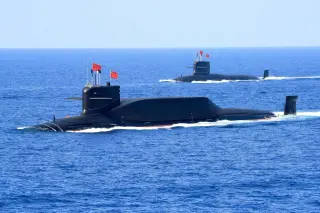
China publicly acknowledged a ballistic missile launch from a nuclear-powered Type 094 Jin-class submarine during its annual training, with a dummy warhead landing in a designated area of the Pacific. The test underscores Beijing’s growing sea-based nuclear capability and survivability, drawing concern from Australia, Japan and New Zealand as NATO allies expand Indo-Pacific security ties ahead of a summit. U.S. officials warn that China’s expanding nuclear triad could threaten deterrence, while Washington continues to rely on its mature sea-based deterrent and plans to replace Ohio-class submarines with the Columbia class.
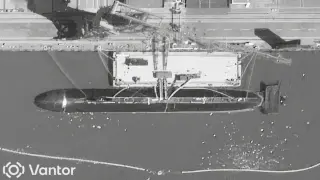
Satellite imagery from Shanghai's JN Shipyard shows a large sailless submarine with an X-form stern and possible pumpjet propulsion, indicating a high-speed, low-profile design that could be part of China’s next-gen submarine efforts; exact role, whether crewed or uncrewed, and how it fits with Type 095/CSSC concepts remain unclear, but it underscores ongoing PLA Navy modernization toward quieter, more capable underwater platforms.
Canada is racing to replace its aging Victoria-class submarines with a showdown between South Korea’s Hanwha Oceans and Germany’s TKMS. Ottawa aims to pick a winner by the end of June for a deal that could be worth tens of billions and involve about 12 subs—four upfront and then one per year. The competition is framed as a major domestic economic boost, promising thousands of Canadian jobs and billions in GDP through supplier contracts, with Hanwha touting a rapid delivery and a broad ad push, while TKMS emphasizes NATO interoperability and established partnerships. Delivery timelines being discussed stretch from 2032–2036, and the current fleet is aging, with only one submarine operational and expected to be out of service by 2035.
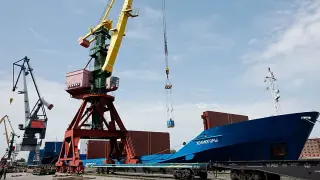
Spanish investigators say the sunken Russian cargo ship Ursa Major was carrying components for two submarine nuclear reactors likely bound for North Korea, with the captain revealing that declared hatch covers were actually reactor parts. The vessel, operated by a state-owned company under sanctions, sank in the Mediterranean after an engine explosion in December 2024. The probe hints at Western efforts to block the delivery and notes ongoing geopolitical tensions around Moscow’s alleged support for Pyongyang’s nuclear program.
A six-year-old parakeet named Bebe, owned by Steven Lawyer in the Bahamas, rode in a DIY mini-submarine dubbed the Bebosphere to about three feet underwater, offering the bird a rare underwater view as the owner says Bebe willingly entered the tube; the parakeet has also accompanied his owner on 15 skydives, stirring discussion about animal autonomy.
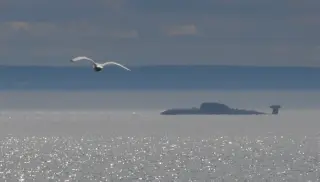
UK and Norway tracked and thwarted a Russian covert operation near critical undersea infrastructure north of the UK, involving an Akula-class submarine and two intelligence submarines believed to be mapping subsea fibre-optic cables; the mission, run by Russia’s deep-sea research program GUGI, lasted over a month, with British and Norwegian forces deterring the activity before the vessels withdrew to the Kola Peninsula, and officials warning that targeting critical underwater infrastructure would have consequences.
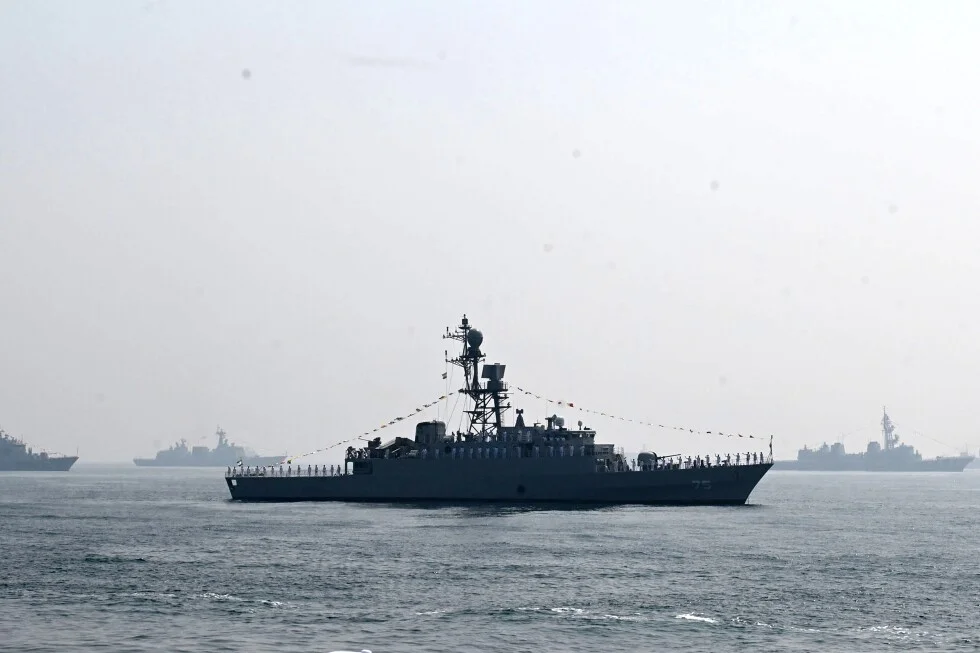
The United States rejected Iran's claim that the IRIS Dena was unarmed when sunk by a US submarine off Sri Lanka, while Iran says the vessel was in a noncombat, ceremonial role; the dispute highlights rising tensions as both sides offer conflicting accounts of the ship's armament amid multinational naval exercises.
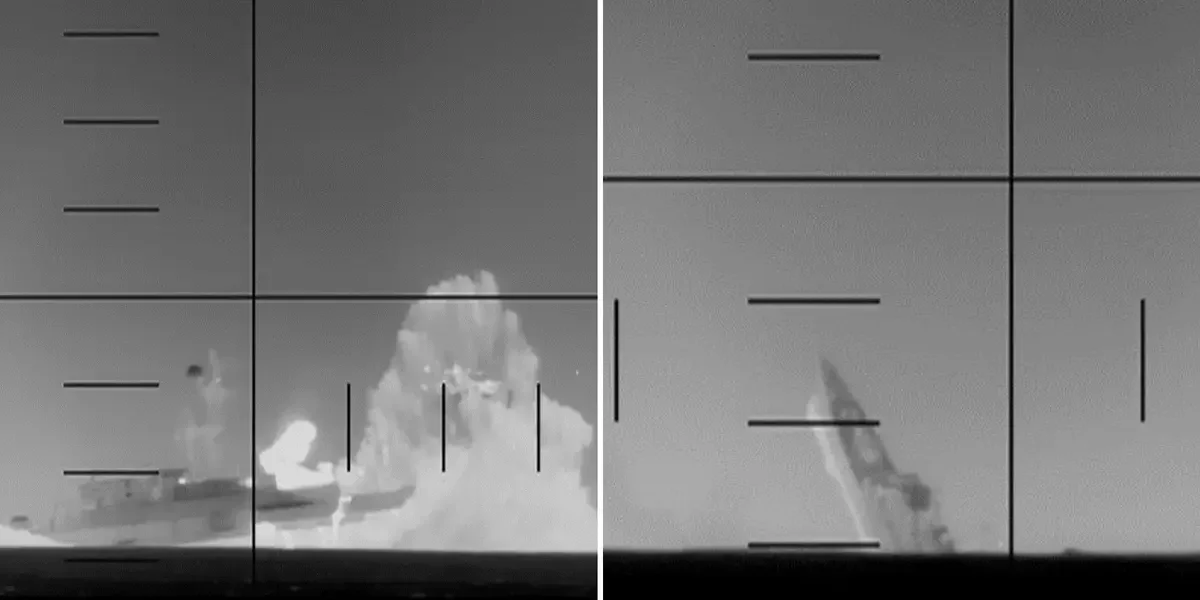
A DoD video and expert analysis indicate a US Navy fast‑attack submarine sank an Iranian warship with a Mark 48 heavyweight torpedo, marking the first submarine-on-ship kill since World War II. Analysts say the footage—likely from a Virginia‑class boat and captured in infrared—resembles the 1945 Torsk attack, though the submarine’s name has not been released and official comments are limited.
U.S. officials say a submarine sank an Iranian warship with a torpedo in international waters, as U.S.-led strikes widen the conflict with Iran; the ensuing days featured missile interceptions, air-raid sirens, and widespread disruptions to travel and oil shipments across the region.
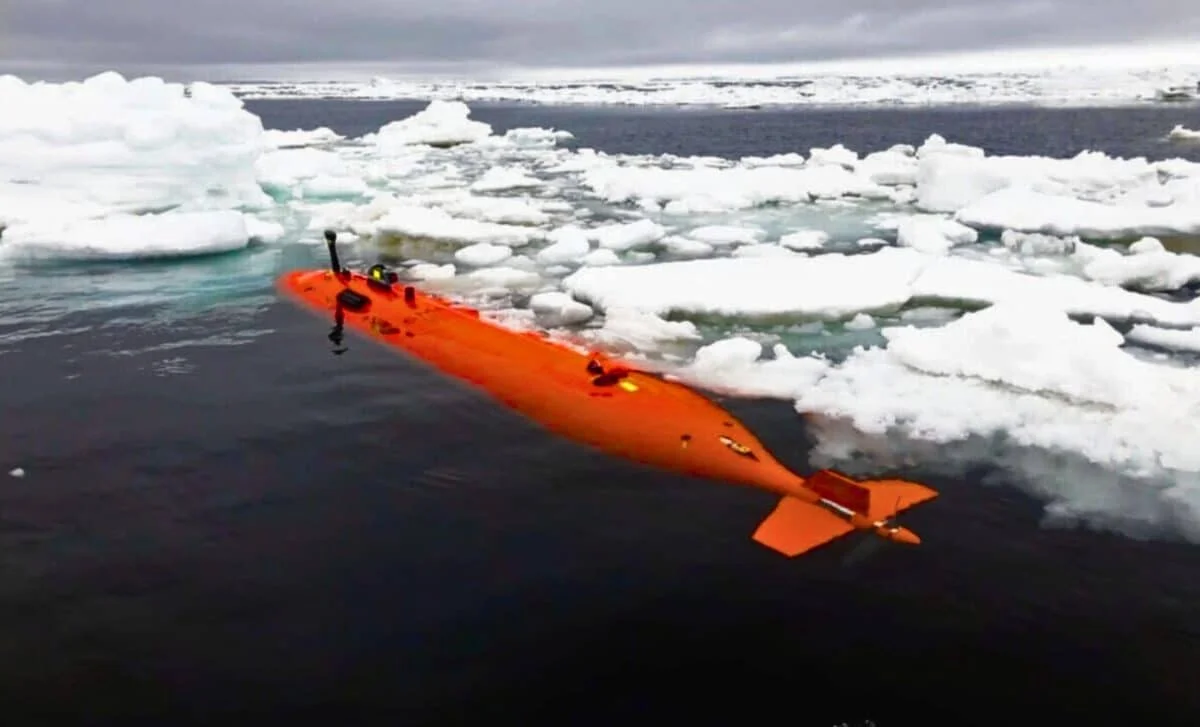
A robotic submersible named Ran, part of an international effort to study West Antarctic ice shelves, disappeared under the Dotson Ice Shelf in January 2024 after completing a detailed ~140 sq km survey that uncovered previously undocumented subglacial features, including teardrop-shaped melt formations; no beacon or debris has been found, the incident halts follow-up data collection in the Amundsen Sea, and investigators are weighing equipment failure or collision as possible causes, while the 2022 dataset continues to inform revised models of basal melting driven by warm Circumpolar Deep Water.