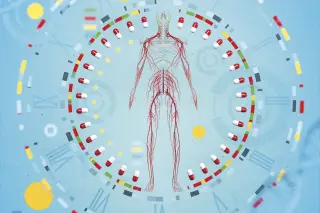
Experts say six simple daily habits—consistent sleep, regular daily movement (NEAT), habit-stacked nutrition changes, a sense of purpose, strong social connections, and stress management—can extend healthy years and reduce disease risk, emphasizing that lifestyle choices matter more than pricey trends when it comes to aging well.
Kara Swisher's CNN series argues that extending healthy years matters more than lifespan, highlighting habits that boost healthspan—learning new, friction-filled activities, social interaction, and science-backed practices like fermentation—so people can thrive rather than just survive.
Americans want longer, healthier lives, but the US lags in healthspan due to lifestyle gaps; the piece argues for a deeper integration of social sciences—emotional motivation, relationships, and intrinsic goals—into medical practice and policy to spur lasting healthy behaviors, rather than relying on tech or drugs alone, drawing on long-running studies like Harvard to support this approach.
GLP-1 drugs, originally prescribed for type 2 diabetes and obesity, are being explored by healthy individuals in the hope of extending healthspan and possibly lifespan. The evidence is tantalising but not conclusive, and these therapies are far from a proven longevity panacea given uncertainties about long-term effects, risks, and costs.
Americans crave longer, healthier lives, but the real path is daily lifestyle choices—eating well, regular exercise, not smoking, moderate alcohol, enough sleep, hydration and social connections—rather than relying on medical advances or tech alone. The U.S. shows a widening gap between lifespan and healthspan, with genetics about 25% and lifestyle about 75% of longevity; despite optimism for future tech, chronic diseases and aging-related conditions persist due to inactivity, poor diet, isolation, and a treatment-focused system. A Medtronic/Morning Consult poll found 66% would trade longer life for a shorter, healthier one, while 84% still rate wellness as a top priority. The takeaway: small increases in activity, preventive care, and a positive mindset can add healthy years, proving that longer life should come with better health through sustained daily habits.
This Nature Aging review examines how different dietary restriction (DR) strategies—caloric, protein, fasting, and time-restricted regimens—affect aging and disease across mammals, highlighting common longevity pathways (autophagy, NAD+, AMPK, mTOR) and potential DR mimetics (FGF21, sirtuins, GLP-1). DR can improve healthspan and delay cancer, cardiovascular disease, and neurodegeneration in preclinical models, but effects vary by genotype, sex, species, and age at initiation, and DR may impair immune function and wound healing. The article discusses physiological adaptations (hunger, body temperature, fat loss) and translational challenges to humans, emphasizing the need for personalized approaches and cautious development of DR mimetics.
Longevity fitness shifts the narrative from chasing beach-ready bodies to maximizing healthspan by prioritizing muscle and aerobic fitness that support independence in older age; while the science supports these goals, the piece warns that much of the longevity hype rebrands existing products, cautions against over-tracking and inequality, and advocates a balanced approach: regular exercise, adequate sleep, solid nutrition, and stress management rather than pricey fads or quick fixes.
Emerging data suggest that a course of the shingles vaccine may slow ageing, reducing age-related health decline by about 20% across multiple countries and potentially lowering dementia risk.
A longevity-focused piece argues there’s no single secret to a longer life, but healthspan can be expanded by avoiding five common habits: sitting for long periods, regularly eating ultraprocessed foods (especially processed meats), isolating oneself, ignoring sleep problems, and skipping routine doctor visits. To counter these, experts recommend integrating movement (about 150 minutes of moderate activity weekly plus 2–3 strength sessions and 5–10 minutes of daily stretching), prioritizing social connections, addressing sleep disorders with medical care, and staying current with preventive care to catch issues early.
Scientists in Japan found that increasing the production of the mitochondrial protein COX7RP in mice extends lifespan by improving mitochondrial efficiency and health indicators, suggesting potential anti-aging therapies for humans in the future.
New research in Japan shows that the mitochondrial protein COX7RP can extend healthy lifespan in mice by improving mitochondrial energy efficiency, which also enhances metabolic health and reduces age-related biomarkers, suggesting potential anti-aging strategies targeting mitochondrial supercomplexes.
Longevity expert Dr. Peter Attia explains that most people experience a sharp decline in health around age 75, but this can be mitigated through strategies like regular exercise, tracking fitness metrics such as VO₂ max, maintaining muscle mass, and focusing on emotional health and social connections to extend healthspan and improve quality of life in later years.
Nutrient deficiencies, such as iron, vitamin D, folate, selenium, and omega-3s, can significantly impact long-term health and lifespan by increasing vulnerability to diseases and accelerating aging processes. Experts recommend getting tested to identify deficiencies and adjusting diet or supplements accordingly, but caution against excessive intake.
NAD supplements, which aim to boost the body's natural levels of the molecule involved in aging and health, are gaining popularity for their potential to improve biomarkers related to aging and disease, though human studies are limited. Experts recommend choosing high-quality, regulated supplements containing precursors like NMN or NR, with top options including Pure Encapsulations NR longevity, Tru Niagen, Elysium basis, and Axia cellenial. Consulting a physician before use is advised due to the unregulated nature of these supplements.
A comprehensive study of 117-year-old supercentenarian Maria Branyas Morera revealed biological factors that protected her from common age-related diseases, such as short telomeres and beneficial gene variants, suggesting potential pathways for promoting healthy aging in others.