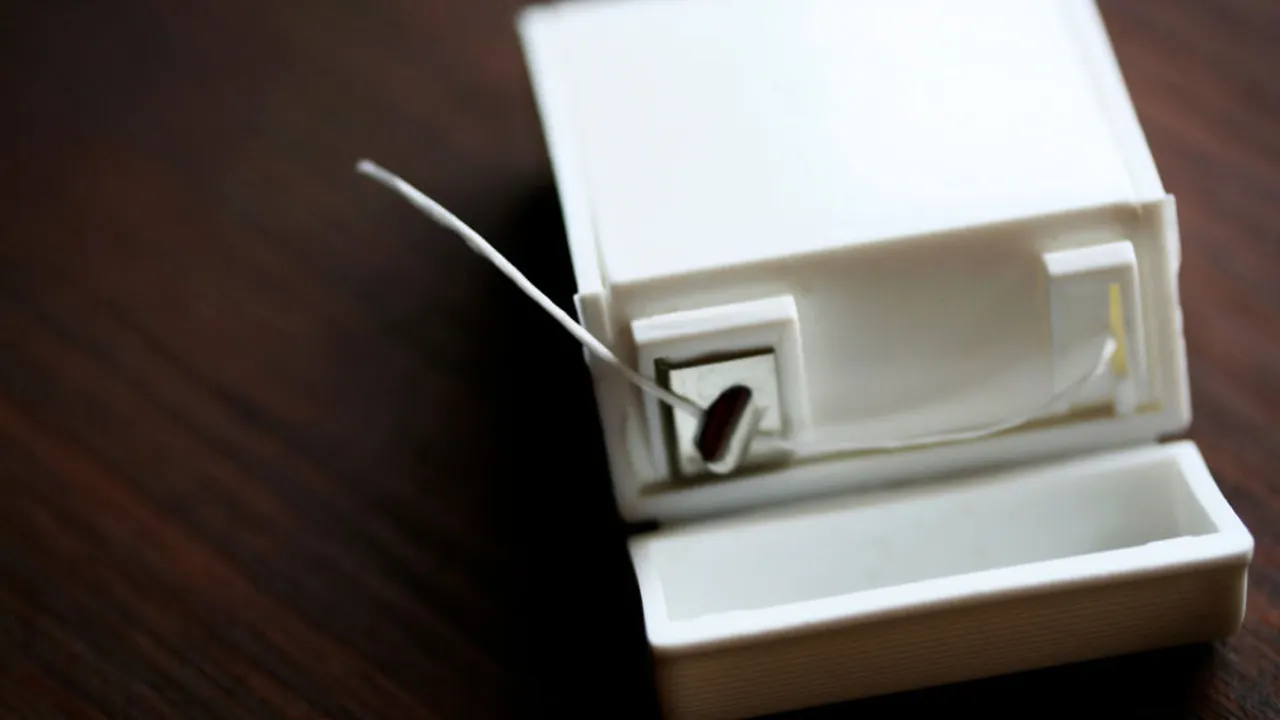
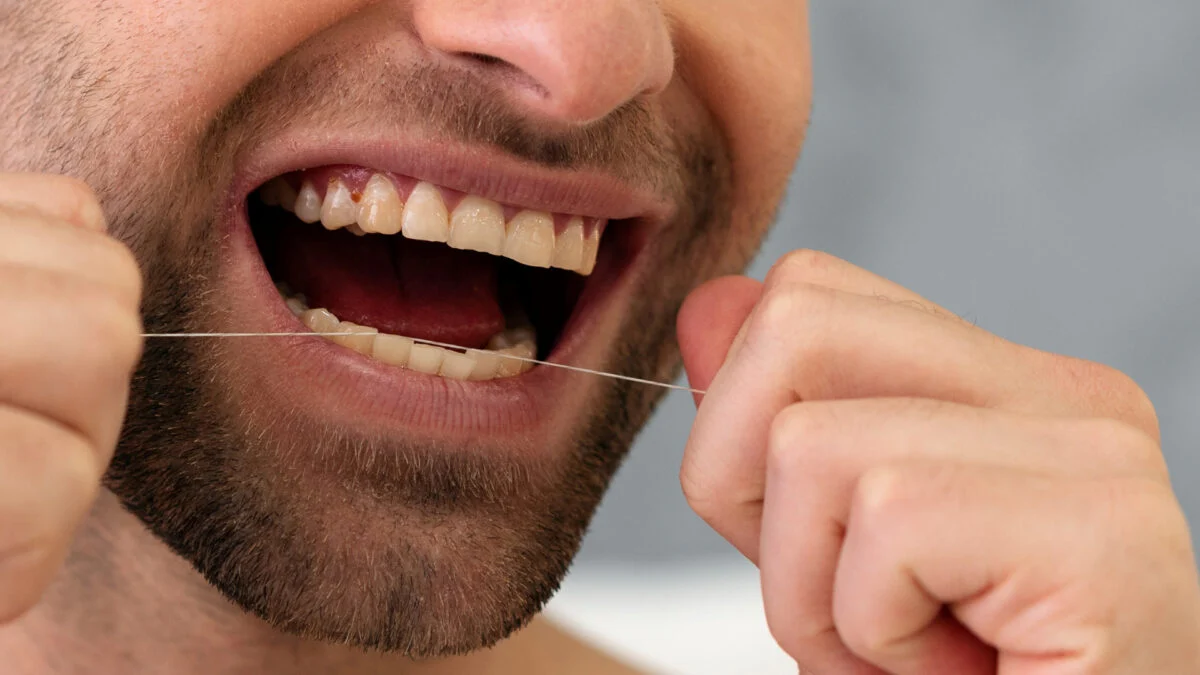
Researchers at NC State are exploring delivering vaccines through the gums using dental floss, aiming for a needle-free method that triggers mucosal immunity; early studies show promise, with potential benefits like self-administration and no cold storage, but human trials are still needed and the approach would target older children and adults rather than infants.
Researchers identify GPR15 as a marker and homing receptor for a mucosal subset of CD8+ regulatory T cells (CD8+ TIGR) that suppress intestinal inflammation. In humans, GPR15 variants that impair this homing are linked to severe early-onset IBD, and CD8+ TIGR are reduced in sporadic IBD. In mice, GPR15 deficiency hampers colonic homing of these cells, leading to inflammatory macrophage accumulation; CD8+ TIGR can kill activated macrophages via FasL and TWEAK, highlighting a potential new immunotherapeutic avenue for IBD.
A multi-strain in vivo/vs in vitro comparison using PRESTO-Salsa reveals that gut commensals, notably infant-dominant Bifidobacterium breve and a Pediococcus strain, can convert dietary choline into acetylcholine (ACh) via bacterial ChAT-like enzymes BbChAT and PpChAT. This ACh production in the gut enhances intestinal IgA responses, reshapes microbial communities, and increases resistance to Salmonella infection; the effect is mediated mainly through nicotinic ACh receptors and requires choline as a substrate. The study identifies two previously uncharacterized hexapeptide-repeat acetyltransferases as ACh-synthesizing enzymes, demonstrates BbChAT’s role via a BbChAT knockout, and shows that ACh-producing B. breve offers a fitness and immune-education advantage in complex microbial communities, highlighting a diet–microbiome–host axis that strengthens mucosal defenses.
A nasal vaccine candidate that trains frontline lung immunity shows promise in mice for broad protection against multiple respiratory infections (cold viruses, flu, and COVID) by boosting alveolar macrophages and T cells rather than targeting a single pathogen; it may also dampen allergic reactions. Human safety and efficacy remain unproven, and the best-case path to a human-ready vaccine is five to seven years, with protection in mice lasting up to about three months and many unknowns, including effects in older adults and on DNA viruses.
Researchers in North Carolina have developed a promising needle-free vaccine delivery method using dental floss coated with vaccine molecules, which successfully protected mice from influenza and could revolutionize immunization practices by eliminating the need for injections.
Researchers have developed a novel method of vaccine delivery using dental floss, which could provide an effective, needle-free alternative to traditional injections and nasal sprays, especially targeting mucosal surfaces to enhance immune response. The study demonstrated promising results in mice, with potential applications in humans, though limitations such as age restrictions and infection considerations remain.
A study conducted on rhesus macaques has shown that intratracheal boosting with a bivalent Ad26-based SARS-CoV-2 vaccine enhances mucosal humoral and cellular immunity, providing near complete protection against SARS-CoV-2 BQ.1.1 challenge. This novel immunization strategy induced robust mucosal immune responses, including neutralizing antibodies, binding antibodies, and T cell responses, surpassing those induced by intramuscular and intranasal boosting. The findings suggest that developing vaccines that target mucosal immunity could be effective in blocking respiratory viral infections.
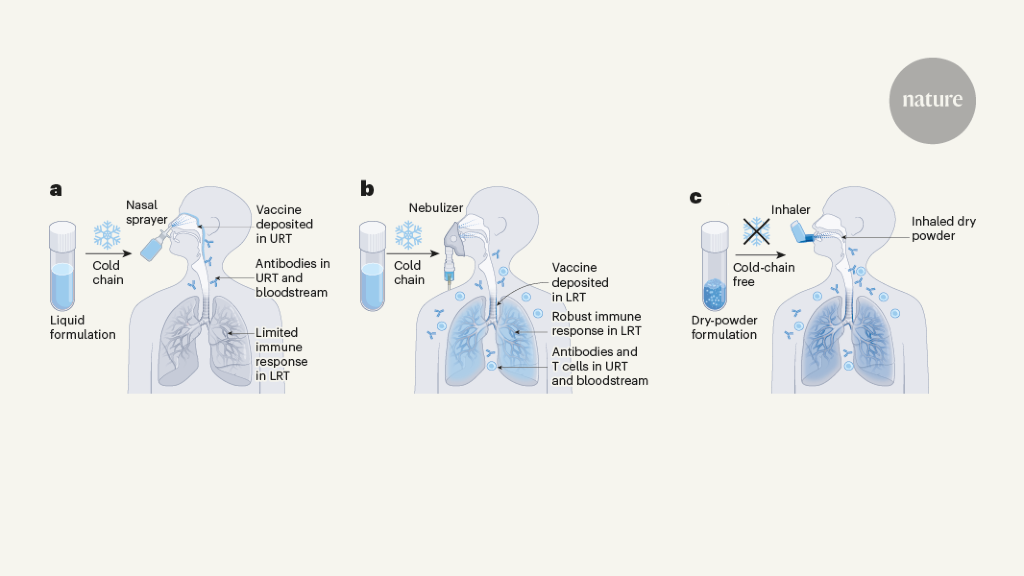
A new study published in Nature reports on a promising next-generation COVID-19 vaccine that can be inhaled as a dry powder, bypassing the need for cold chains and injections. The current injectable vaccines are less effective in preventing infection by evolving variants and inducing immunity in the airway mucosal tissues. This inhalable dry powder vaccine shows potential in inducing robust immunity in the respiratory mucosal tissues, which is the site of SARS-CoV-2 entry. It could be particularly beneficial for high-risk populations and eliminate the need for frequent booster injections.
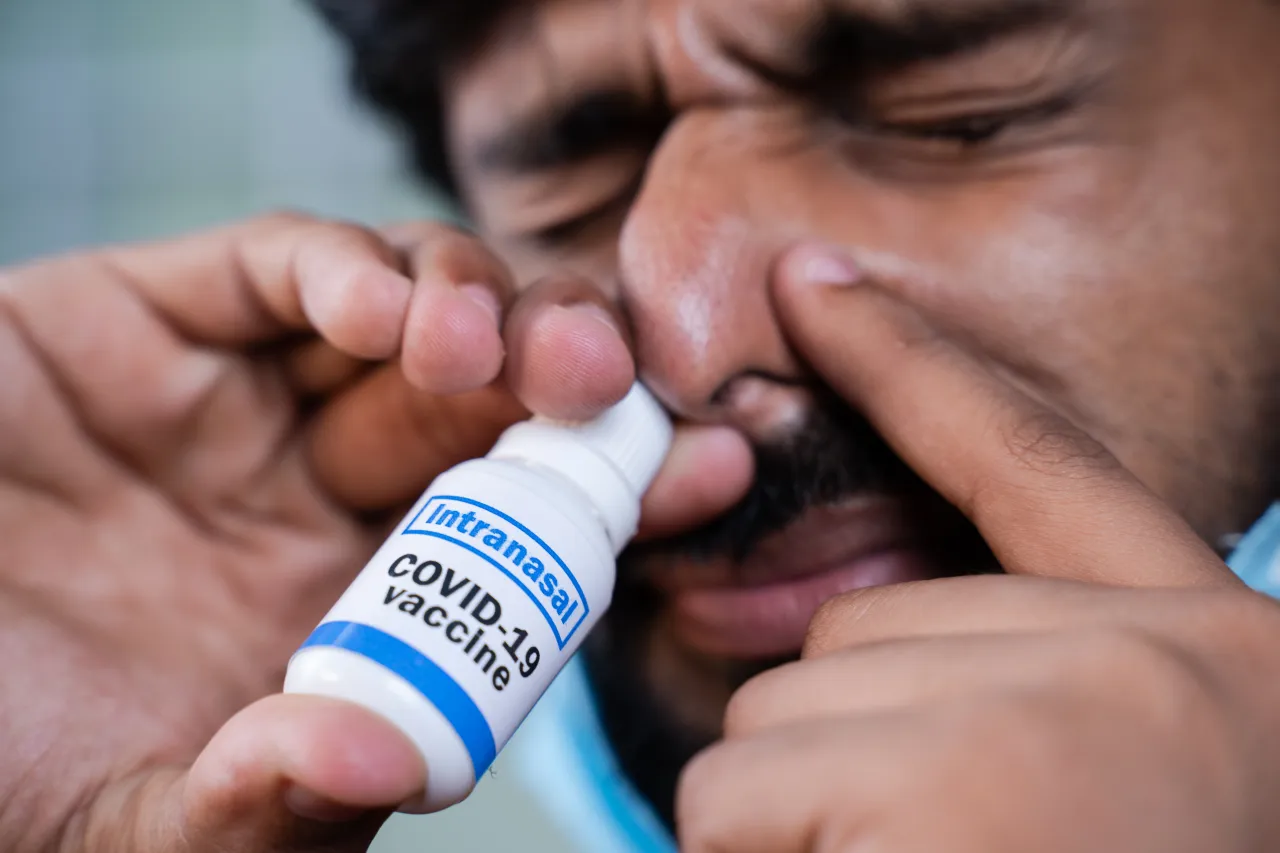
Clinical trials are underway for an intranasal COVID-19 vaccine that is administered by spraying into the nose, not injecting into the arm. The hope is that a nasal vaccine would be even better at preventing mild illness by inducing immunity in the mucosa of the nasal pharynx, the site of initial viral replication, and may prevent infection and reduce transmission. Nasal vaccines work to immediately strengthen antibodies in the mucus and nose, preventing infection before the virus is able to spread throughout the body. While nasal vaccine doses have already been approved for use in some other parts of the world, they are still in the early stages of human trials in the U.S.