Tag

Acetylcholine

All articles tagged with #acetylcholine

Gut-to-brain signals via the vagus nerve boost memory formation in rats
science27 days ago

Gut-to-brain signals via the vagus nerve boost memory formation in rats

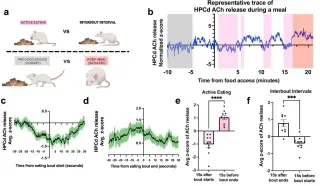
A USC-led rat study shows a nutritious meal triggers a gut-to-brain signal via the vagus nerve that boosts acetylcholine release in the medial septum and hippocampus, strengthening memory-related brain activity; fats and sugars intensified the effect while a Western junk-food diet early in life weakened it. The effect depends on intact vagal afferents and septal acetylcholine neurons, and may not translate directly to humans, but points to gut-brain targets and vagus nerve stimulation as potential therapies—though further research is needed and the study used male rats only.
Gut-Brain Highway: Vagus Nerve Links Diet to Memory Through Acetylcholine
science27 days ago

Gut-Brain Highway: Vagus Nerve Links Diet to Memory Through Acetylcholine

A rat study shows the vagus nerve senses gut state during eating and triggers acetylcholine release in the brain, supporting attention and memory; disrupting this pathway impairs cognitive signaling, and a Western-style high-fat/high-sugar diet may further weaken it, offering clues about diet-related cognitive decline and aging-related diseases like dementia.

Acetylcholine Sparks Habit Change in Mice, New Study Finds
science2 months ago

Acetylcholine Sparks Habit Change in Mice, New Study Finds

A mouse study links the neurotransmitter acetylcholine to behavioral flexibility when rewards change: higher acetylcholine release accompanies mice adjusting choices (lose-shift) and exploring new tactics, while blocking its production makes them more rigid. The findings suggest acetylcholine helps break habits and could inform treatments for neuropsychiatric conditions, though behavior results from multiple brain systems, not a single transmitter.

Dietary choline fuels commensal acetylcholine to educate mucosal immunity
science2 months ago

Dietary choline fuels commensal acetylcholine to educate mucosal immunity

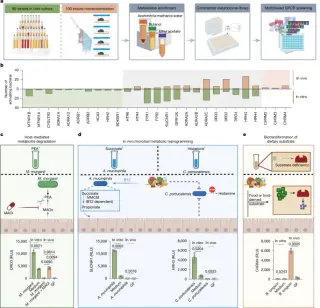
A multi-strain in vivo/vs in vitro comparison using PRESTO-Salsa reveals that gut commensals, notably infant-dominant Bifidobacterium breve and a Pediococcus strain, can convert dietary choline into acetylcholine (ACh) via bacterial ChAT-like enzymes BbChAT and PpChAT. This ACh production in the gut enhances intestinal IgA responses, reshapes microbial communities, and increases resistance to Salmonella infection; the effect is mediated mainly through nicotinic ACh receptors and requires choline as a substrate. The study identifies two previously uncharacterized hexapeptide-repeat acetyltransferases as ACh-synthesizing enzymes, demonstrates BbChAT’s role via a BbChAT knockout, and shows that ACh-producing B. breve offers a fitness and immune-education advantage in complex microbial communities, highlighting a diet–microbiome–host axis that strengthens mucosal defenses.

Two-Stage Gut Signal Triggers Appetite Loss During Infection
science5 months ago

Two-Stage Gut Signal Triggers Appetite Loss During Infection

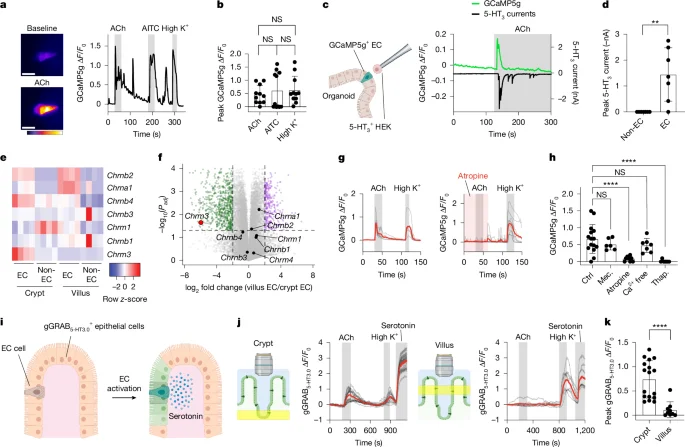
UC San Francisco researchers reveal a two-stage gut signaling pathway: parasite detection by tuft cells releases acetylcholine, which prompts enterochromaffin cells to release serotonin and activate vagal brain signals, leading to delayed appetite suppression as infection takes hold; the finding links gut immune response to behavior and could inform gut disorders like IBS and food intolerances.

Parasites spark a two-step gut–brain chat between epithelial cells to curb appetite
science5 months ago

Parasites spark a two-step gut–brain chat between epithelial cells to curb appetite

New research reveals a two-phase, paracrine dialogue between gut tuft cells and serotonergic enterochromaffin (EC) cells that links parasite detection to brain signaling and feeding behavior. Tuft cells release acetylcholine (ACh) in an acute, parasite-triggered fashion and also a constitutive leak during type 2 inflammation; both modes can activate EC cells, but only sustained ACh release raises serotonin enough to stimulate vagal afferents and suppress food intake. This epithelial crosstalk couples type 2 immune responses with sensory signaling to drive gut–brain communication and protective behaviors during parasitic infections, explaining progression from asymptomatic to symptomatic disease.

Effort amplifies dopamine through local acetylcholine signaling in the reward circuit
science6 months ago

Effort amplifies dopamine through local acetylcholine signaling in the reward circuit

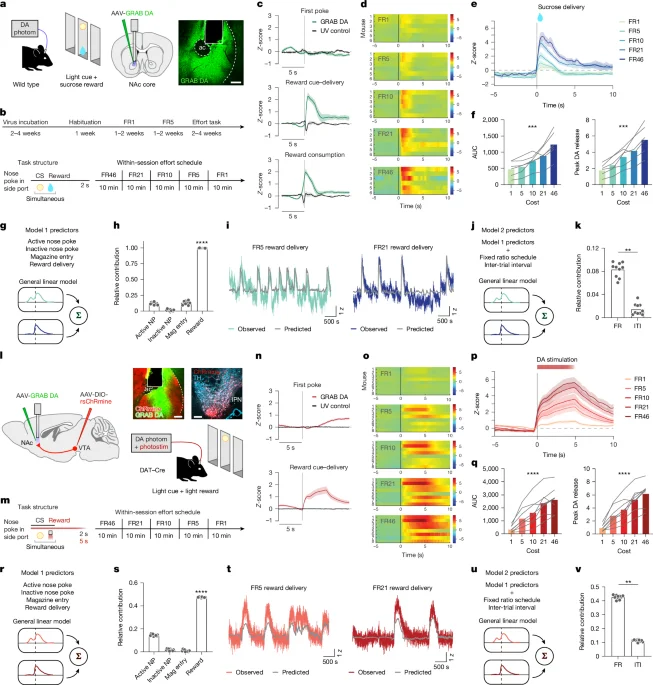
New mouse study shows that high effort for a reward triggers rapid acetylcholine release in the nucleus accumbens, which acts on nicotinic receptors to boost dopamine release at the terminals. This cholinergic modulation specifically enhances dopamine during high-effort rewards and tracks exerted effort rather than reward size. Blocking nicotinic signaling (DHβE) or acetylcholine transmission blunts the enhanced dopamine response and impairs effortful behavior, while low-effort reward consumption remains intact. The findings suggest that local DA terminal modulation by acetylcholine, rather than ventral tegmental area cell-body activity, drives effort-based reward seeking.

Brain Training and Chemical Boosts Show Promise in Reversing Age-Related Cognitive Decline
health-and-science10 months ago

Brain Training and Chemical Boosts Show Promise in Reversing Age-Related Cognitive Decline

A study shows that playing specific brain-training games for 30 minutes daily can increase acetylcholine levels in older adults, potentially offsetting up to a decade of cognitive decline caused by aging, unlike casual games like Candy Crush. The research highlights the importance of targeted mental exercises for brain health.

"Adolescent Junk Food Diet Linked to Long-Term Memory Damage"
health-and-neuroscience2 years ago

"Adolescent Junk Food Diet Linked to Long-Term Memory Damage"

A study on rats suggests that a junk food diet during adolescence may lead to long-lasting memory impairments due to disruptions in acetylcholine, a crucial neurotransmitter for memory and learning. Even after switching to a healthier diet, the memory deficits persisted into adulthood, highlighting the potential irreversible effects of poor dietary habits on cognitive functions. The research emphasizes the critical impact of diet on brain development and suggests avenues for future research on mitigating the impact of dietary choices.

The Lasting Impact of Junk Food on Childhood Memory
health2 years ago

The Lasting Impact of Junk Food on Childhood Memory

A study at the University of Southern California suggests that a diet high in fat and sugar during adolescence may lead to long-term memory impairment in adulthood, similar to findings in rats. The research indicates that a junk food-filled diet may disrupt a teen’s memory ability for a long time, affecting the levels of acetylcholine, a neurotransmitter essential for memory and brain function. While the study shows hope for intervention with medication inducing the release of acetylcholine, further research is needed to understand how memory problems from a junk food diet during adolescence may be reversible.

The Harmonious Rhythm of Acetylcholine and Dopamine in the Striatum
neuroscience2 years ago

The Harmonious Rhythm of Acetylcholine and Dopamine in the Striatum

Researchers have discovered wave-like patterns of the neurochemical acetylcholine in the striatum, a region crucial for motivating actions. This follows previous findings of similar patterns in dopamine in the same region. The study proposes a new mathematical model explaining the simultaneous generation of both acetylcholine and dopamine waves, challenging traditional beliefs about neuronal interactions. The research provides insights into the delicate balance between these neurochemicals and may have implications for understanding movement disorders such as Parkinson's disease.

"Revolutionizing Pain Relief: Harnessing Acetylcholine and Brain Circuits for Non-Opioid Treatments"
health2 years ago

"Revolutionizing Pain Relief: Harnessing Acetylcholine and Brain Circuits for Non-Opioid Treatments"

Researchers have discovered a non-opioid pathway in the brain that provides pain relief similar to opioids but without the risk of addiction. By targeting the acetylcholine receptor alpha-7 (⍺7) in the ventrolateral periaqueductal gray (vlPAG) region of the brain, the team observed a lasting analgesic effect in mice, even those tolerant to opioids. This finding opens up new possibilities for the development of non-opioid pain medications, potentially revolutionizing pain treatment.