In Myrtle Beach, 12-year-old Isabella—who has autism and Williams syndrome—expresses herself through piano, a gift her mother says helps her communicate. Williams syndrome can involve cardiovascular issues, and after early pregnancy challenges and treatment at Boston Children's Hospital, Isabella is healthy and thriving, using music to share her voice.
A six-week Yale study found that weekly two-hour group songwriting helped some people with psychosis reduce paranoia and shift language from I to we, suggesting music-making can help re-tune the brain’s predictive coding and reconnect with reality without the side effects of medication. Benefits were stronger in those with milder symptoms; hallucinations didn’t disappear for everyone, but social engagement and creativity improved. Researchers see potential for lasting brain changes and view music therapy as a complementary treatment, not a replacement for antipsychotics.
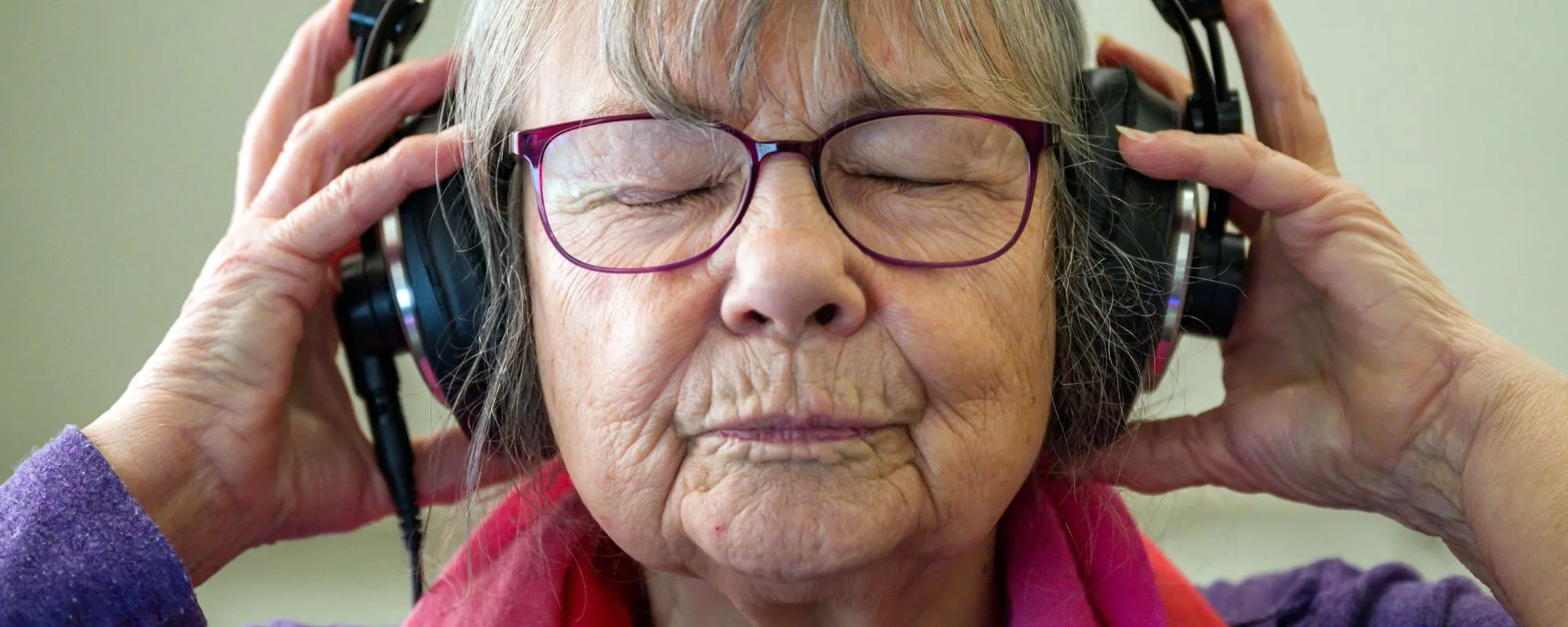
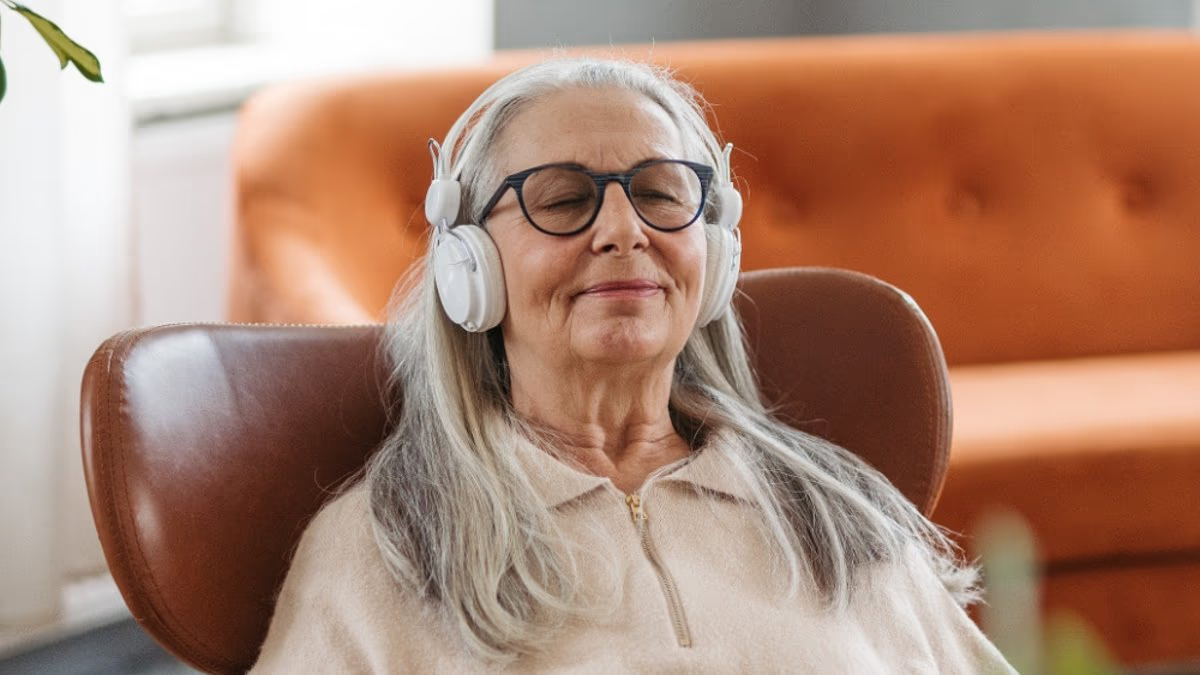
New research shows music embedded with auditory beat stimulation (ABS) can meaningfully reduce anxiety, with 24 minutes identified as the optimal duration. In a 2025 PLOS Mental Health trial of 144 adults on anxiety meds, all music+ABS durations (12, 24, 36 minutes) outperformed pink-noise control, with 24 minutes yielding the strongest overall anxiety reduction and comparable results to 36 minutes. This builds on a 2022 PLOS ONE study finding music+ABS best for both somatic and cognitive anxiety. ABS works by entraining brainwaves to a calmer state, not just playing relaxing music. Practical takeaways: aim for about 24 minutes of ABS-enabled tracks (36 minutes also beneficial); seek binaural-beat or ABS tracks; listen with headphones during commutes, wind-down, or midday resets; ABS is a helpful complement to, not a replacement for, existing treatment.
The article explores the innate human tendency to sing and its numerous health benefits, including improved mood, reduced stress, enhanced immune function, and better motor control, especially in neurological conditions like Parkinson's disease. It highlights the Vatican's initiative to revive Gregorian chant and emphasizes that singing, whether alone or in groups, is accessible and beneficial for physical, mental, and social well-being.
Listening to music, especially with 40 Hz stimulation, can significantly reduce the risk of dementia and cognitive decline in older adults, with studies showing up to a 39% risk reduction, and the benefits are more pronounced in individuals with higher education levels.
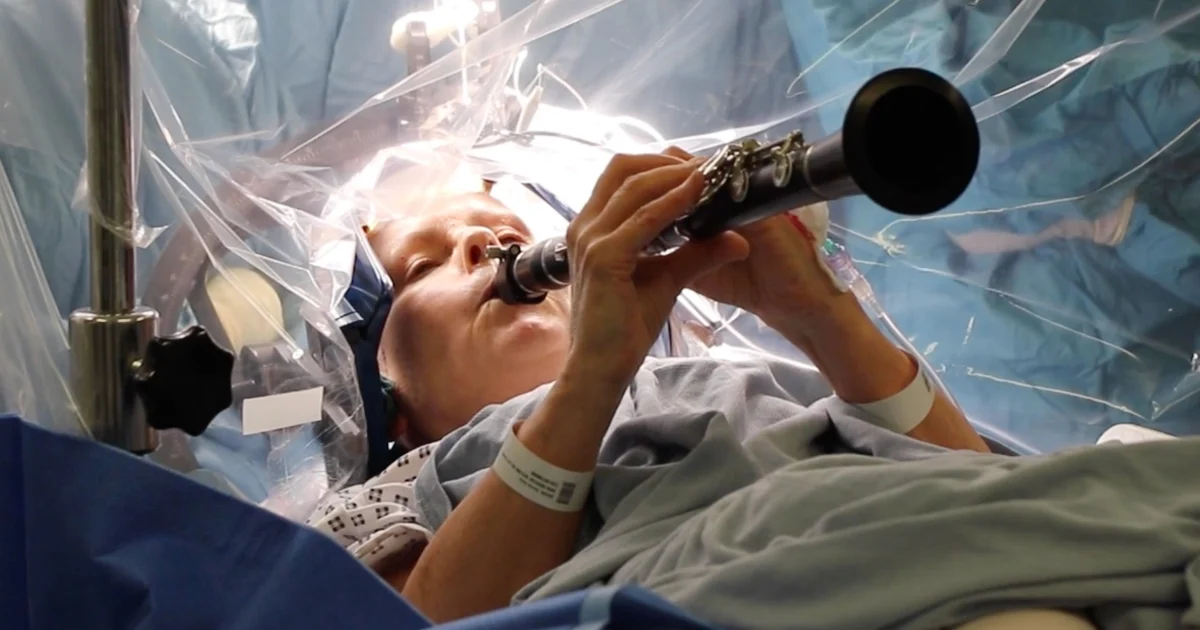
A 65-year-old woman with Parkinson's in England played her clarinet during brain surgery under local anesthesia, demonstrating improved motor control after deep-brain stimulation, and expressed delight with her progress.
A Parkinson's patient played clarinet during brain surgery to test the effectiveness of Deep Brain Stimulation, which immediately improved her hand movements and her ability to play, demonstrating real-time benefits of the treatment.
A study found that soft and joyful music can significantly reduce motion sickness, with soft music decreasing symptoms by 56.7% and joyful music by 57.3%, offering a simple, non-invasive way to improve travel comfort.
A study shows that listening to cheerful or soft music can significantly reduce car sickness symptoms, with joyful tunes decreasing nausea by over 57%, offering a non-invasive, low-cost relief method for motion sickness sufferers.
Scientists have found that listening to upbeat or stirring music can significantly reduce car sickness symptoms by activating the brain's reward centers and providing distraction, while sad music may worsen nausea. The study suggests music as a low-cost, non-invasive way to alleviate motion sickness.
Scientists found that listening to soft and joyful music can significantly reduce motion sickness symptoms, with brain activity measurements supporting these findings, suggesting music as a non-invasive remedy for travel-related nausea.
The article shares the inspiring story of jazz guitarist Sam Miltich, who battled psychosis and schizophrenia, highlighting that recovery from mental illness is possible through effective management, support, and openness, with music playing a therapeutic role in his life. It emphasizes hope, progress in reducing stigma, and the importance of community and policy support for mental health.
New research suggests that listening to music, especially with a moderate emotional response, can enhance memory and potentially slow or prevent dementia, offering hope for millions affected by the disease.
A study from Brown University suggests that familiar music, such as songs from one's past, can provide relief for dementia patients by potentially alleviating symptoms like memory loss and agitation, offering a non-pharmacological approach to treatment.
Memory choirs like Giving Voice use singing to help individuals with dementia preserve memories, improve brain function, and foster community, with scientific research supporting music's role in neurological health and emotional well-being.