Tag

Deep Brain Stimulation

All articles tagged with #deep brain stimulation

Miami-area hospitals push high-tech advances to ease Parkinson's symptoms
health26 days ago

Miami-area hospitals push high-tech advances to ease Parkinson's symptoms

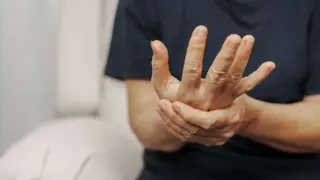
South Florida hospitals are deploying advanced therapies—robot-assisted deep brain stimulation, MRI-guided high‑intensity focused ultrasound, and ongoing stem-cell research—to reduce tremors and improve movement for Parkinson's patients, with quick recoveries and a broader push toward high-tech care at institutions like Memorial Regional Hospital, Baptist Health, and the University of Miami.

Teen defies odds from life-death birth to stroke recovery
health1 month ago

Teen defies odds from life-death birth to stroke recovery

Born with no heartbeat for 22 minutes and diagnosed with ataxic cerebral palsy, 18-year-old Dylan Law has fought tremors and mobility challenges; after a 2022 deep brain stimulation procedure, he suffered a stroke that temporarily impaired speech and walking, but with therapy and support he regained both and now pursues his goal of becoming a youth pastor, earning praise as a comeback kid.

Brain Pacemaker Trials Offer Hope for Treatment-Resistant Depression
health1 month ago

Brain Pacemaker Trials Offer Hope for Treatment-Resistant Depression

About 30% of people with depression do not respond to standard treatments. Researchers are testing deep brain stimulation (DBS) as a potential option, delivering electrical pulses via implanted electrodes to the brain’s white matter to gradually help escape a depressive state. DBS for depression is not FDA-approved and is available only in clinical trials, including UT Southwestern and the TRANSCEND study. Eligibility typically includes major depressive disorder with multiple failed treatments. If results are positive, FDA approval could come within several years, expanding options beyond ECT, TMS, and ketamine.

Frontal Brain Signal Linked to OCD Compulsions Enables Responsive DBS
science3 months ago

Frontal Brain Signal Linked to OCD Compulsions Enables Responsive DBS

Researchers found a consistent high-frequency signal in the right anteromedial orbitofrontal cortex that correlates with OCD compulsions; brief deep-brain stimulation of a deep-brain target rapidly reduced symptoms in three treatment-resistant patients, supporting the development of responsive DBS that activates only when OCD-related brain activity is detected.

Ultrasound Helmet Offers Non-Invasive Parkinson’s Treatment Hope
science8 months ago

Ultrasound Helmet Offers Non-Invasive Parkinson’s Treatment Hope

Researchers from UCL and Oxford have developed a non-invasive ultrasound helmet capable of precisely stimulating deep brain regions, such as the thalamus, without surgery, opening new avenues for neuroscience research and treatment of disorders like Parkinson's disease. The device uses 256 elements to focus ultrasound beams, demonstrated to modulate neural activity in human volunteers, with potential for clinical applications and personalized therapies.

Pre-DBS Cognitive Changes Not Linked to Dementia Risk in Parkinson’s
health11 months ago

Pre-DBS Cognitive Changes Not Linked to Dementia Risk in Parkinson’s

A Danish study found that mild cognitive impairment before deep brain stimulation (DBS) in Parkinson's patients does not increase the risk of developing dementia, with disease duration and depressive symptoms being more significant factors; the study emphasizes the need for further research due to its small sample size.

Facing Early-Onset Caregiving: A Spouse's Journey
health1 year ago

Facing Early-Onset Caregiving: A Spouse's Journey

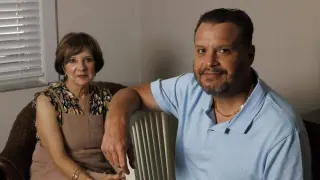
Mollie Lombardi shares her experience of being diagnosed with early-onset Parkinson's disease at 36 and how it has impacted her marriage, with her husband taking on the role of caregiver. She discusses the challenges and adjustments they have made, emphasizing the importance of mutual care and support. Lombardi highlights the significance of her husband's role and the need for caregivers to also receive care. Despite the difficulties, she expresses gratitude for her husband's support and the improvements in her condition following deep brain stimulation surgery.