Tag

Mutualism

All articles tagged with #mutualism

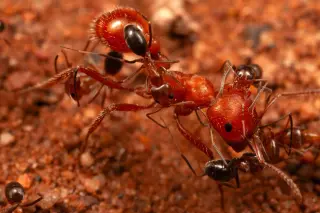
Tiny Ants, Big Ants: A Surprising Mutual Grooming Bond in Arizona
science1 month ago

Tiny Ants, Big Ants: A Surprising Mutual Grooming Bond in Arizona

Researchers in southeastern Arizona documented an unprecedented interaction where small cone ants climb onto much larger harvester ants to lick and nibble their bodies, including inside open jaws. The grooming may benefit both species—cone ants could feed on tiny particles removed, while harvester ants gain cleaning in hard-to-reach areas. This first-recorded behavior, likened to cleaner fish in the ocean, was observed by Mark Moffett and described in Ecology and Evolution, highlighting how much remains to be learned from natural interactions.

Mutual Mews: Rethinking the Human-Cat Bond Through Mutualism
science2 months ago

Mutual Mews: Rethinking the Human-Cat Bond Through Mutualism

A Live Science feature by Sophie Berdugo outlines how humans and domesticated cats evolved from a mutual pest-control partnership into a more complex, sometimes asymmetrical relationship. Tracing cats to African wildcats and their spread with agriculture, the piece argues that while early cats helped curb rodents in small settlements, their role in large grain stores likely diminished, prompting a broader rethink of what mutualism means and what a cat is in our shared ecological story.

Are Dead Wasps Hidden Inside Figs?
science8 months ago

Are Dead Wasps Hidden Inside Figs?

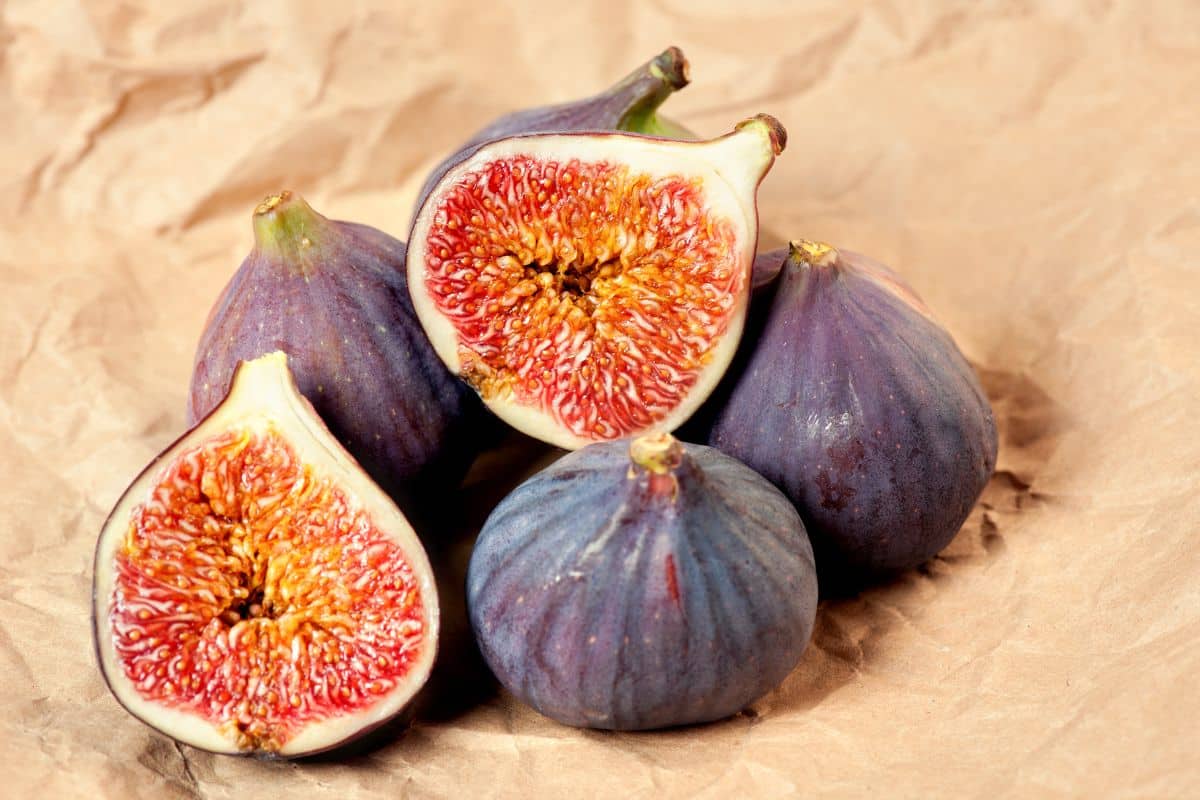
Most supermarket figs are bug-free and do not contain wasps, as many fig varieties can ripen without pollination by wasps, though some wild and certain cultivated figs rely on wasps for pollination, which is part of a complex mutualistic relationship essential for the reproduction of specific fig species.

Unexpected Role of Soil Microbes in Plant Drought Tolerance Revealed
science2 years ago

Unexpected Role of Soil Microbes in Plant Drought Tolerance Revealed

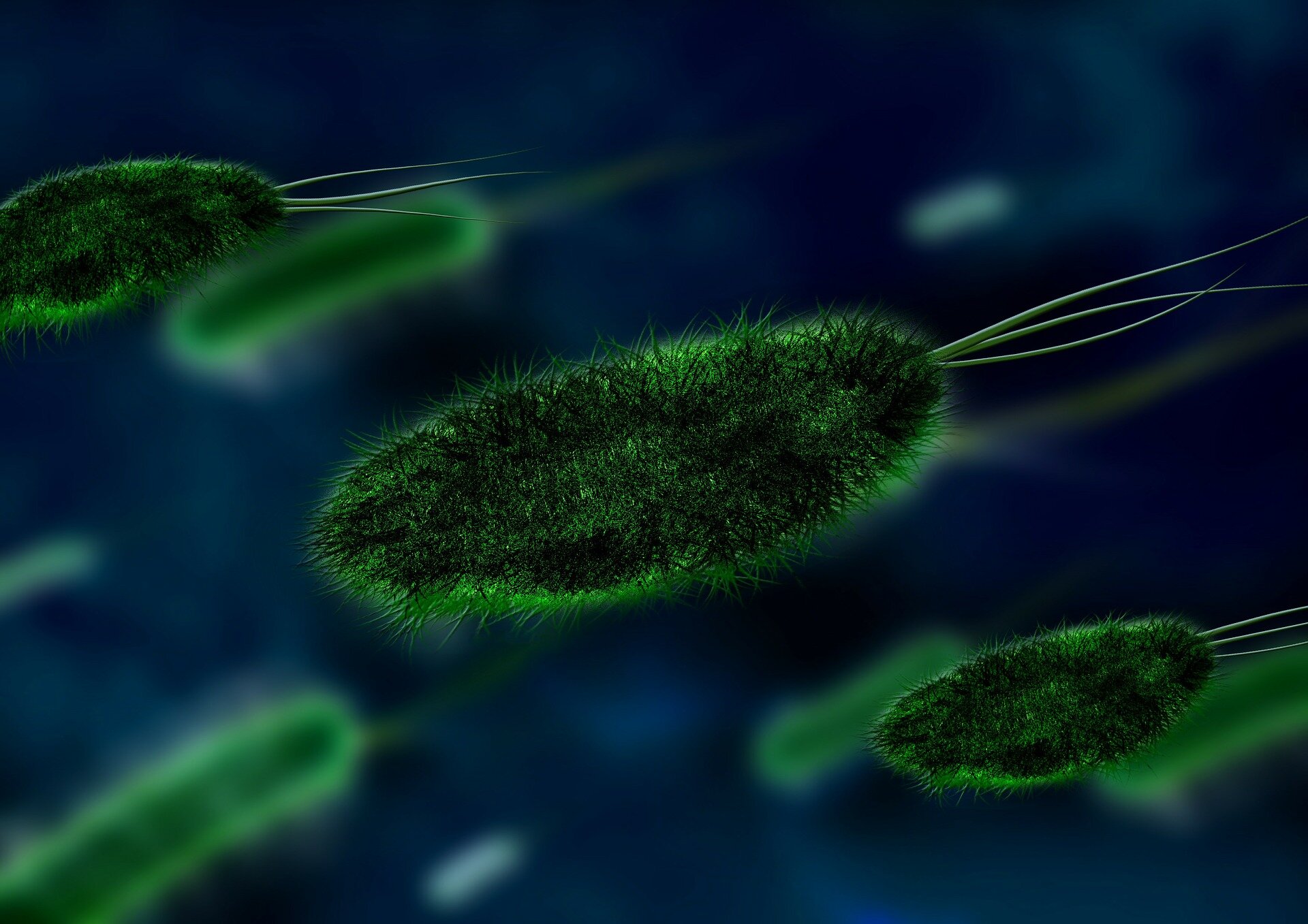
New research challenges the conventional belief that soil microbes help plants cope with drought by responding to the plants' chemical signals. A study from the University of Illinois Urbana-Champaign found that free-living soil microbes are primarily looking out for themselves. The environment selects for drought-tolerant microbes, which incidentally make plants more drought-tolerant. The study highlights the need for considering no-microbe and no-plant controls in future research to better understand plant-microbe interactions.