
Dietitian: Eat Fish Twice Weekly for Brain Health
A registered dietitian advises eating fatty fish twice a week to support brain health, as these foods provide essential omega-3 fatty acids that plant sources cannot efficiently supply.

All articles tagged with #fish
A registered dietitian advises eating fatty fish twice a week to support brain health, as these foods provide essential omega-3 fatty acids that plant sources cannot efficiently supply.
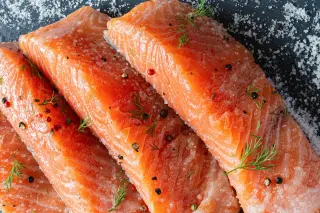
The Health article names four fish as top sources of protein and omega-3 fatty acids while noting mercury content varies by species. It highlights salmon, sardines, tuna (with skipjack noted as lower in mercury), and halibut for notable nutrients, and provides per‑serving nutrition (e.g., 3 oz of Atlantic wild salmon: ~155 calories, 21.6 g protein, 1.8 g omega-3) along with tips to choose lower‑mercury options, cook healthily (grill/bake/steam), and balance omega-3 intake with protein goals for heart and overall health.
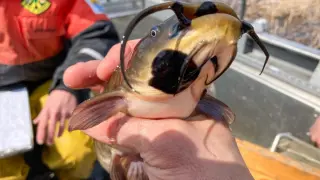
Researchers in Vermont found a contagious form of melanoma in brown bullhead catfish from Lake Memphremagog. Genomic analysis showed tumors shared hundreds of thousands of variants across fish that weren’t present in healthy tissue, indicating an infectious cancer—the first documented in fish and freshwater animals. Transmission details remain unclear (spawning or environmental factors like arsenic may play a role), and while not dangerous to humans, the cancer raises questions about immune evasion and cancer biology.

Researchers in Vermont and Quebec have identified what appears to be a contagious cancer spreading among brown bullhead catfish in Lake Memphremagog, likely arising from a single cancer cell; more than a third of the fish examined carried melanomas, prompting scientists to study how such cancers transmit and what this could reveal about cancer evolution, while noting there is no evidence that it can infect humans.

The European Commission announced the EU's 21st sanctions package against Russia, which includes pausing the energy-price cap for Russian imports through 2026 to curb windfall profits, expanding restrictions on crypto-asset services linked to sanction-evasion jurisdictions, denying entry to current and former Russian military personnel, and imposing import bans on Russian fish (including Belarus) along with new penalties for ships and the shadow fleet; additional measures target third-country facilitators and are expected to be formally adopted in June–July after unanimity among EU states.

A diver photographed an orange, hairy-looking fish in Papua New Guinea about 23 years ago, which stumped scientists for years. In 2020, marine biologists confirmed it as a new species, Solenostomus snuffleupagus, named for its Sesame Street‑inspired shaggy appearance; its hairlike filaments camouflage it among algae, helping explain why it took so long to identify.

Footage shows around 20 snakes lined along a stream ledge and catching fish midair, a rare and striking display of aerial ambush predation.

Stanford researchers tracked 81 African turquoise killifish with automated surveillance and found that midlife differences in sleep timing and daytime activity already distinguish longer‑ from shorter‑lived individuals. Using machine learning, just a few days of middle‑aged behavior could predict ultimate lifespan, revealing a stepwise aging pattern and linking behavioral changes to liver‑gene activity. The findings suggest wearable‑type monitoring in humans could detect early aging signals and guide preventive interventions in the future.
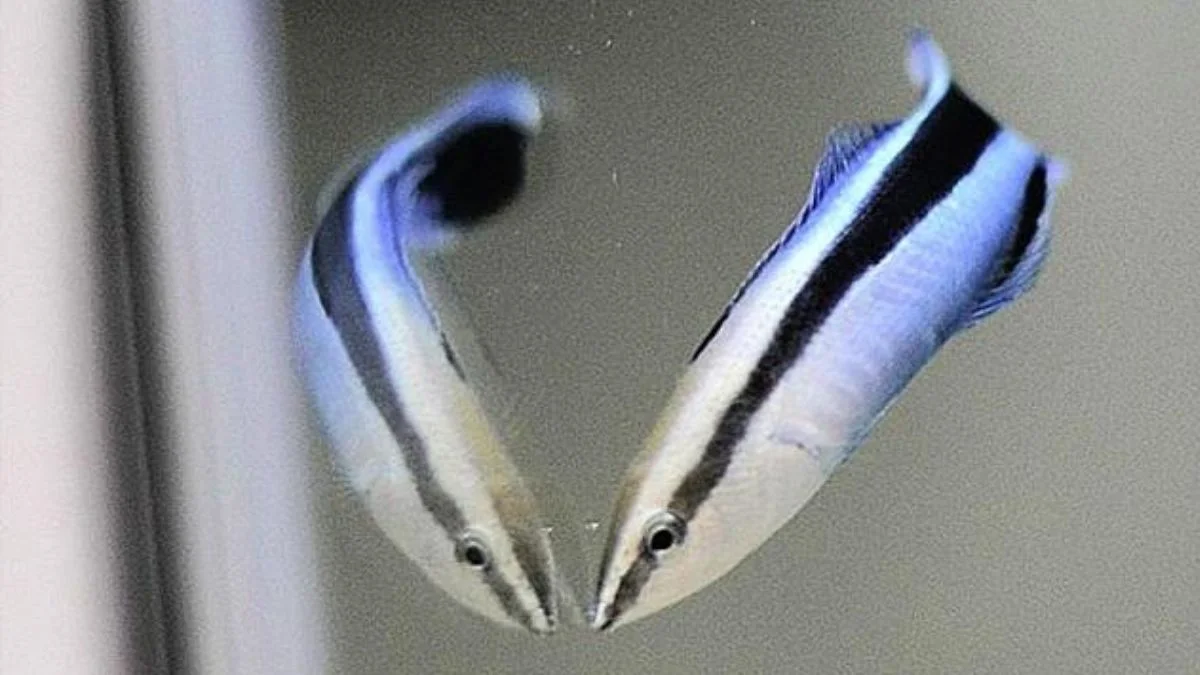
A cleaner wrasse fish passed a revised mirror-self-recognition test, suggesting self-awareness may be more widespread in vertebrates. In the study, researchers marked the fish before introducing a mirror, and the fish began scraping off the perceived parasite after seeing its reflection—on average about 82 minutes later—while also engaging in behavior like carrying a shrimp to the mirror to probe how the reflection works. This contingency testing and self-directed tool use extend previous work from 2018, implying that self-awareness could have evolved in bony fishes and may have implications for evolution, animal welfare, and AI research; the findings are reported in Scientific Reports.
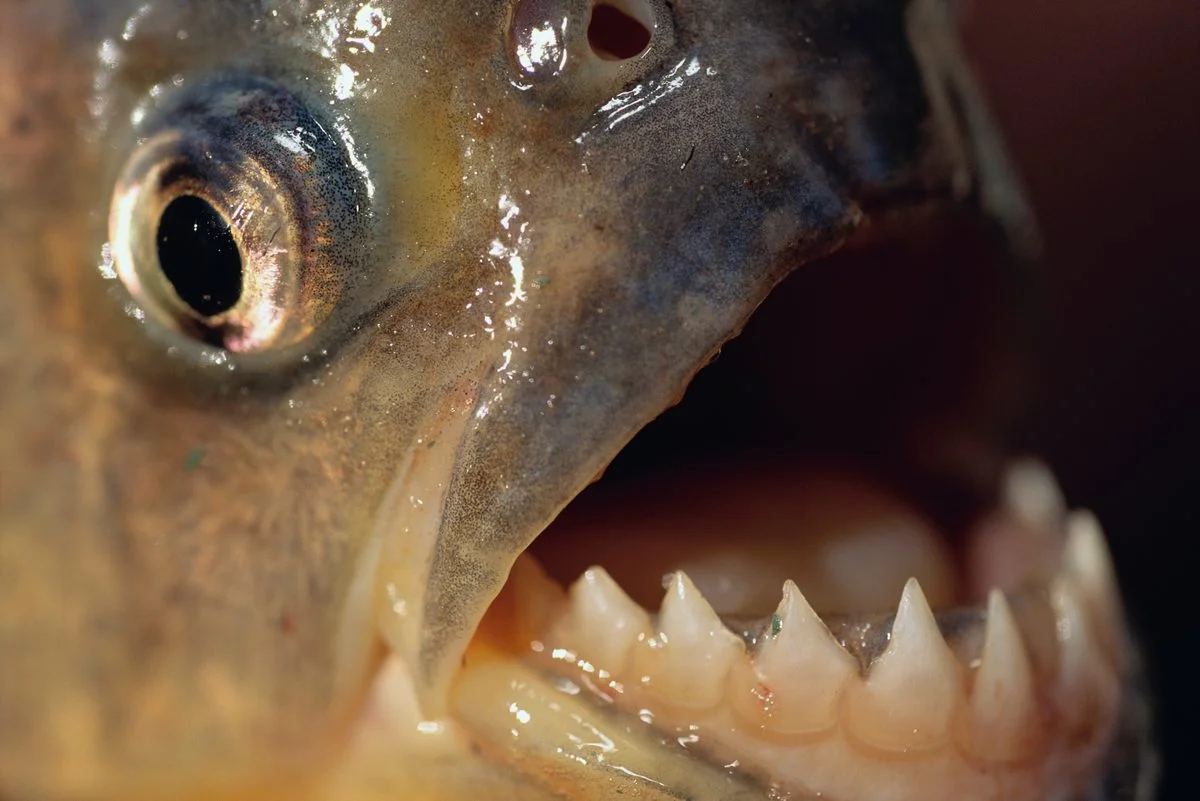
Pound for pound, the black piranha has the most powerful bite of any fish, with a force more than 30 times its body weight, surpassing even great white sharks in bite strength.
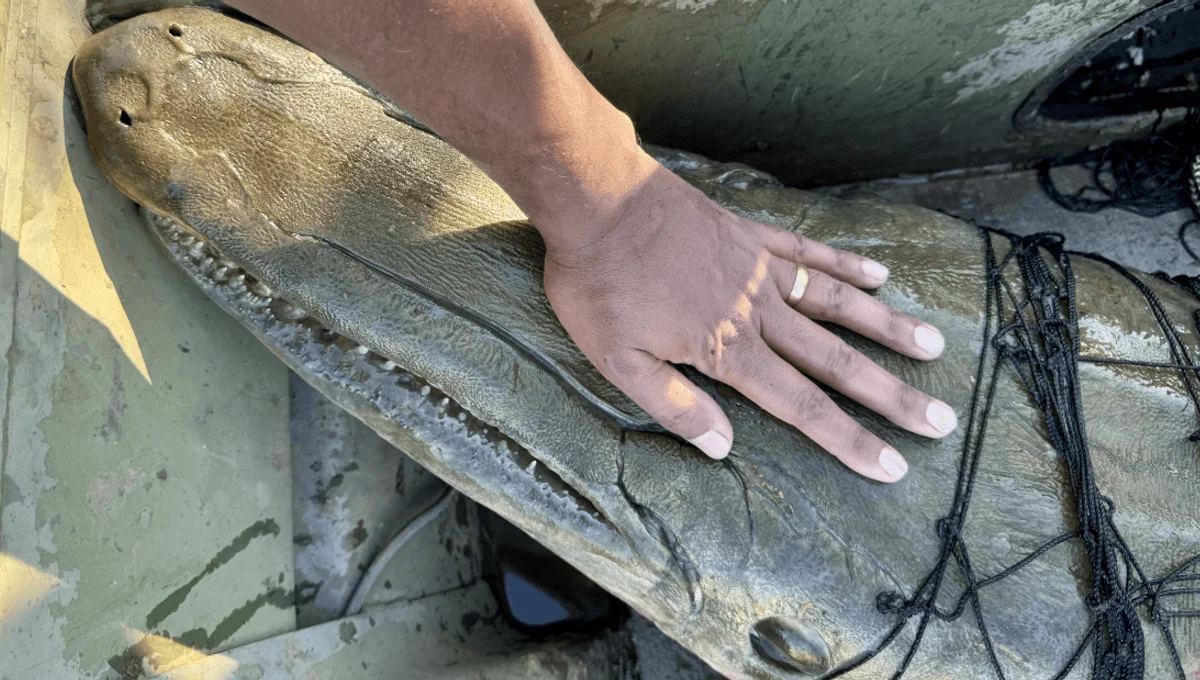
Scientists caught and released a massive 7-foot 10-inch, 136-kilogram alligator gar in the Mississippi River floodplains, highlighting its status as a living fossil and an indicator of river-floodplain connectivity, with implications for conservation and understanding of ancient fish species.
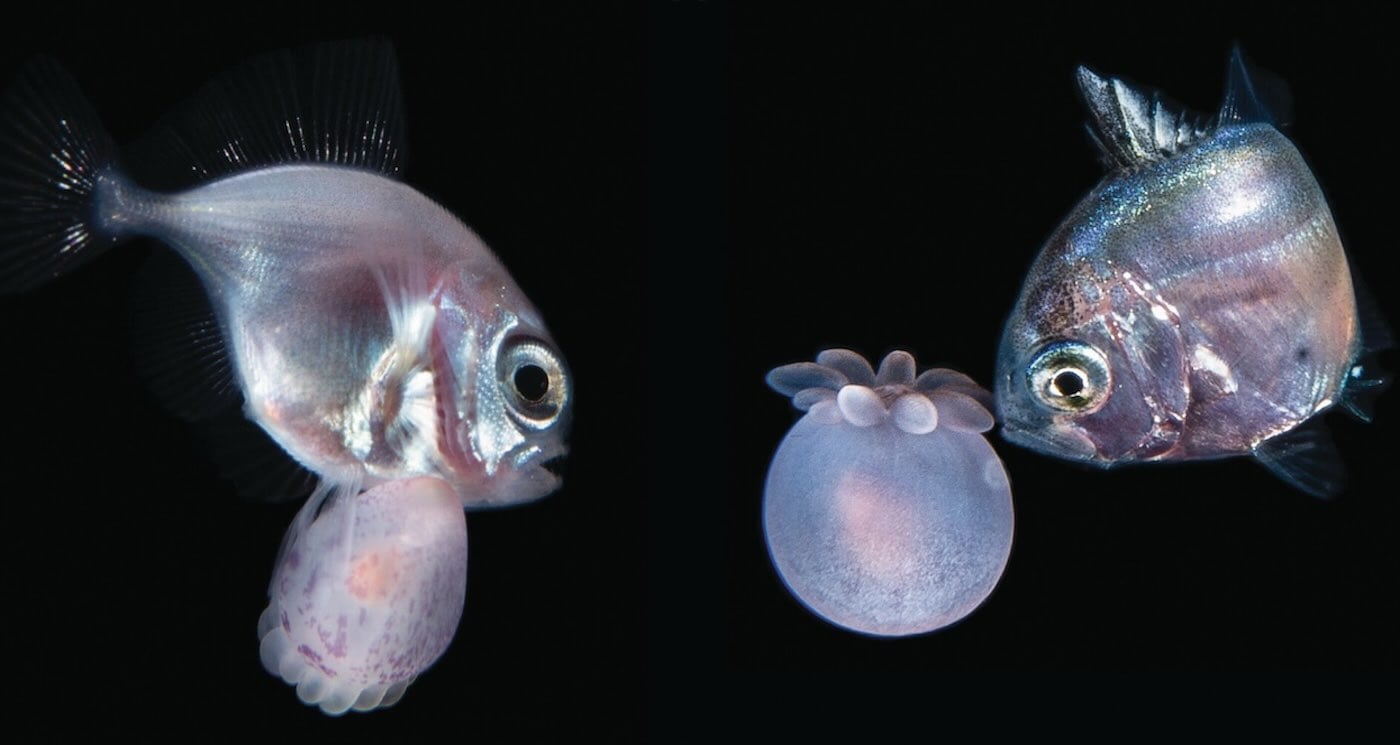
A new study using blackwater night-time photography reveals diverse and previously unseen interactions between fish and sea anemones, including juvenile fish using anemones for self-defense and potential mutual benefits such as dispersion, expanding our understanding of marine relationships beyond what is depicted in popular media.

Eating a diet rich in whole, minimally processed foods such as cruciferous vegetables, dark leafy greens, fatty fish, whole grains, and healthy fats like extra virgin olive oil, along with berries, fermented foods, nuts, yogurt, dark chocolate, legumes, and tomatoes, can significantly boost your chances of living a longer, healthier life according to longevity experts.

A study highlights that consuming fish, rich in omega-3 fatty acids, is the most important dietary factor in reducing the risk of dementia, with a Mediterranean diet overall also beneficial for brain health.
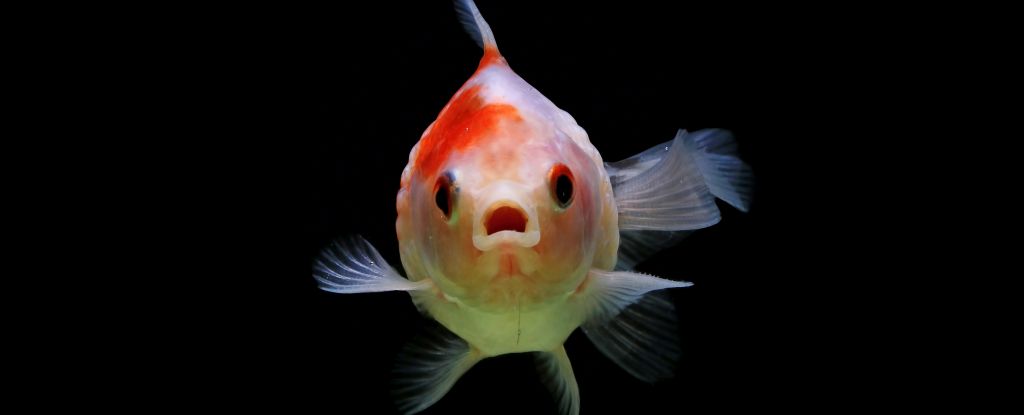
Research suggests that the genetic mechanisms controlling fish cloaca development were repurposed during evolution to form human fingers and toes, illustrating how nature reuses existing genetic tools for new functions.