Tag

Mycology

All articles tagged with #mycology

Florida Researchers Identify First Mushroom Producing Both Psilocybin and Lethal Toxins
science14 days ago

Florida Researchers Identify First Mushroom Producing Both Psilocybin and Lethal Toxins

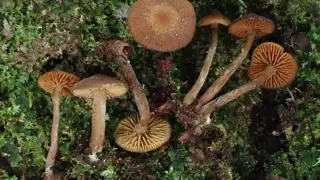
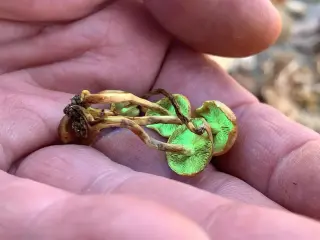
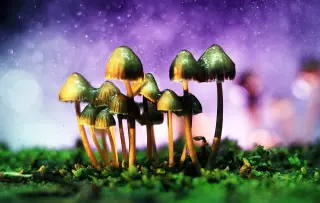
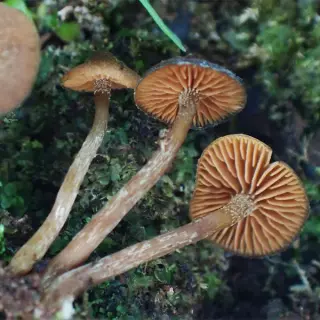
A tiny fungus found in Florida, named Galerina indica, is the first known species to produce both psychedelic psilocybin and deadly amatoxins. Discovered by Andrew Kunik in 2025, the mushroom challenges previous assumptions that these chemical traits are mutually exclusive. Researchers attribute this dual capability to horizontal gene transfer, where ancestors acquired genes for psilocybin from unrelated fungi. The species is extremely small, resembling a thumbnail, and poses significant poisoning risks despite its unassuming appearance.
Florida researchers identify 'dark magic mushroom' containing both psychedelic and lethal compounds
science14 days ago

Florida researchers identify 'dark magic mushroom' containing both psychedelic and lethal compounds

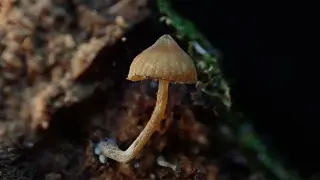
Researchers at the University of Florida have identified Galerina indica, the first known mushroom species to produce both psilocybin and deadly amatoxins. Discovered in a central Florida wetland, this tiny fungus challenges previous assumptions that psychedelic and poisonous traits are mutually exclusive in fungal species.

Florida fungus breaks record by producing both deadly toxins and psychedelic compounds
science15 days ago

Florida fungus breaks record by producing both deadly toxins and psychedelic compounds

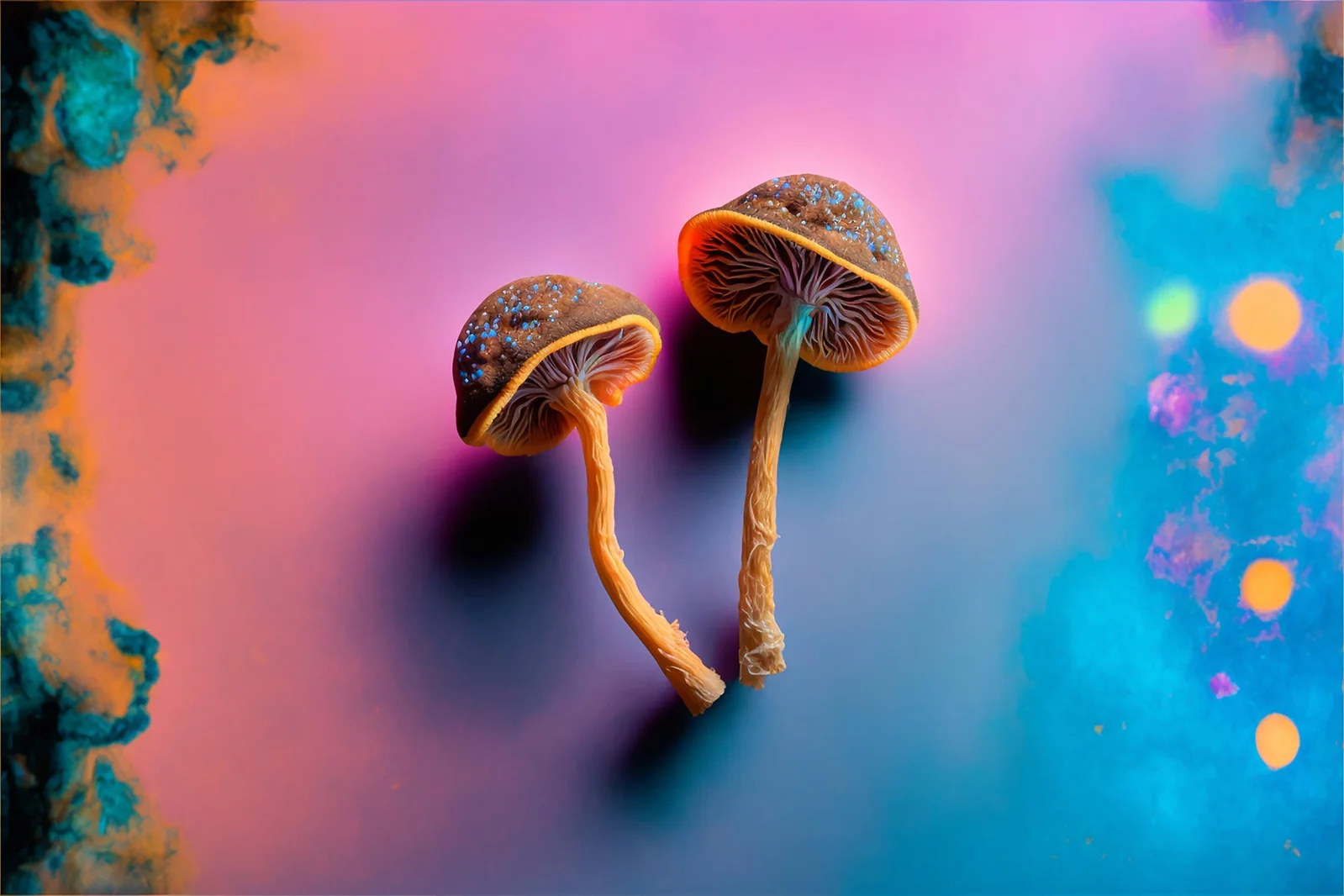
A tiny brown mushroom, Galerina indica, found in Florida swamps, is the first known species to produce both deadly amatoxins and the psychedelic compound psilocybin. Published in Current Biology, the study reveals this unique combination likely resulted from horizontal gene transfer, offering a potential evolutionary defense mechanism against predators.

Florida fungus breaks record by producing both deadly toxins and psychedelic compounds
science16 days ago

Florida fungus breaks record by producing both deadly toxins and psychedelic compounds

Researchers at the University of Florida have identified a tiny brown mushroom, Galerina indica, that is the first known species to produce both deadly amatoxins and the psychedelic compound psilocybin. Discovered in Florida swamps, the fungus was found to have acquired these chemical capabilities through horizontal gene transfer, a process where organisms swap genetic material. While the dual production of these compounds is unprecedented, scientists remain uncertain about the evolutionary advantage this combination provides, though it may serve as a potent defense against predators. The finding, published in Current Biology, highlights the complex and often hidden chemistry of fungi.

DNA links mysterious 'tiny human' hallucinations to a single mushroom species
science1 month ago

DNA links mysterious 'tiny human' hallucinations to a single mushroom species

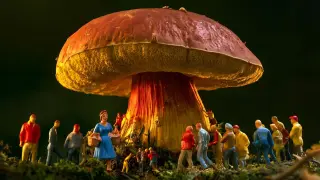
Researchers at the University of Utah identified Lanmaoa asiatica as the mushroom responsible for Lilliputian hallucinations in China and the Philippines. DNA analysis confirmed the species across regions, yet chemical tests found no known psychoactive compounds, suggesting an unidentified substance that could reveal new insights into brain perception.

West Virginia Forager’s Purple Mushroom Yields Unmatched DNA Sequence
science1 month ago

West Virginia Forager’s Purple Mushroom Yields Unmatched DNA Sequence

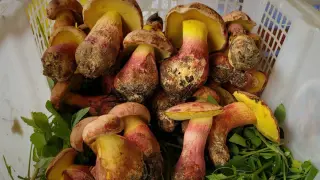
Drew Palmer, an amateur mycologist in West Virginia, discovered a purple-and-yellow mushroom in June that produced a DNA sequence not found in existing databases. The specimen is currently undergoing testing to determine if it represents a new species or an entirely new genus. While the find is promising, experts caution that incomplete fungal databases mean an unmatched sequence does not automatically confirm a new classification.

West Virginia Forager’s Unidentified Mushroom Triggers DNA Testing for Potential New Genus
science1 month ago

West Virginia Forager’s Unidentified Mushroom Triggers DNA Testing for Potential New Genus

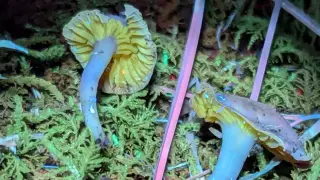
Drew Palmer, an amateur mycologist and poison control consultant in Cross Lanes, West Virginia, discovered a purple-and-yellow mushroom in June that has yielded a DNA sequence never before recorded. The specimen is currently undergoing testing to determine if it represents a new species or an entirely new genus. Palmer, a board member of the West Virginia Mushroom Club, collected the fungus while assisting Kanawha State Forest staff with a separate 'zombie ant' fungus investigation. Under ultraviolet light, the mushroom shifts from purple and yellow to blue and orange. While the unmatched DNA sequence is promising, experts note that formal classification requires detailed comparison and publication, as fungal databases remain incomplete. Palmer emphasizes the ecological importance of fungi in breaking down organic matter and warns against consuming unidentified specimens.

Living Cordyceps Fabric: Self-Healing, UV-Blocking Textile Developed by Chinese Researchers
science2 months ago

Living Cordyceps Fabric: Self-Healing, UV-Blocking Textile Developed by Chinese Researchers

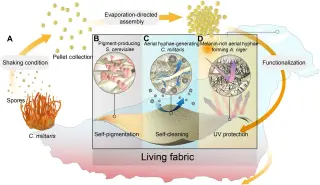
Researchers at the Shenzhen Institute of Synthetic Biology have developed a living textile using Cordyceps militaris mycelium. This fabric can self-heal when damaged, block UV radiation, and change color through embedded microbial cultures. The material fully biodegrades within 41 days, offering a sustainable alternative to traditional fabrics, though practical durability remains untested.

Fungi Form Fairy Rings to Escape Their Own Toxic Wake, Study Suggests
science3 months ago

Fungi Form Fairy Rings to Escape Their Own Toxic Wake, Study Suggests

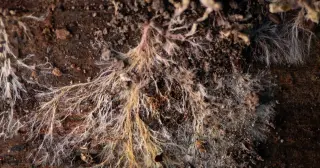
Researchers at Stockholm University have provided preliminary evidence that fairy rings form because fungi actively avoid inhospitable conditions left behind by their own expanding growth. By analyzing DNA in soil samples and conducting transplantation experiments with Marasmius oreades, the team found that mycelium concentrates at the outer edge of the ring while the center becomes barren. This supports the 'transient-escape hypothesis,' suggesting the fungus moves forward to avoid nutrient depletion or self-produced toxins, though the exact mechanism remains unconfirmed.

DNA Links 'Little People' Hallucinations in China and Philippines to Single Mushroom Species
science3 months ago

DNA Links 'Little People' Hallucinations in China and Philippines to Single Mushroom Species

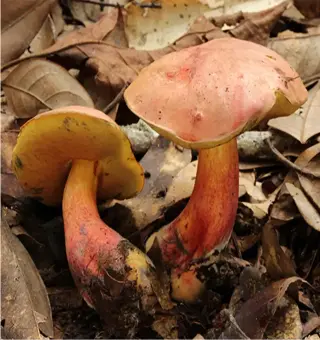
Researchers at the University of Utah have confirmed that Lanmaoa asiatica, a wild bolete mushroom found in southwest China and the northern Philippines, causes specific 'Lilliputian' hallucinations of tiny human figures. Despite extensive genetic and chemical analysis, the mushroom contains no known psychoactive compounds like psilocybin or ibotenic acid, suggesting an unidentified new molecule triggers these vivid, physics-based visual distortions.

Africa’s Psilocybe species rewrites the mushroom’s evolutionary origin
science6 months ago

Africa’s Psilocybe species rewrites the mushroom’s evolutionary origin

Scientists describe Psilocybe ochraceocentrata from Africa as the closest wild relative of Psilocybe cubensis, pushing their common ancestor back about 1.5 million years and challenging the idea that the magic mushroom spread globally after cattle movement; the study also clarifies mislabeled cultivation strains, highlights Africa’s under-sampled fungal diversity, and suggests dung-based ecology and grassland migrations shaped their history, while noting that the birthplace remains unresolved pending more specimens.

New African Mushroom Rewrites the Evolutionary Tale of Psychedelic Fungi
science8 months ago

New African Mushroom Rewrites the Evolutionary Tale of Psychedelic Fungi

Researchers identify Psilocybe ochraceocentrata in southern Africa as a distinct species from the cultivated P. cubensis, dating their last common ancestor to about 1.5 million years ago and challenging the idea that cubensis spread to the Americas with 16th‑century cattle. Using multi-locus phylogenetics, molecular clocks, and ecological niche modeling, the team shows the two mushrooms diverged long ago, and that popular NSS/Transkei strains belong to the new species. The work highlights Africa’s under-sampling of fungal diversity and reshapes the origin story of magic mushrooms.

"Fighting the Next Pandemic: The Killer Fungi Detectives Unveiled"
sciencehealth2 years ago

"Fighting the Next Pandemic: The Killer Fungi Detectives Unveiled"

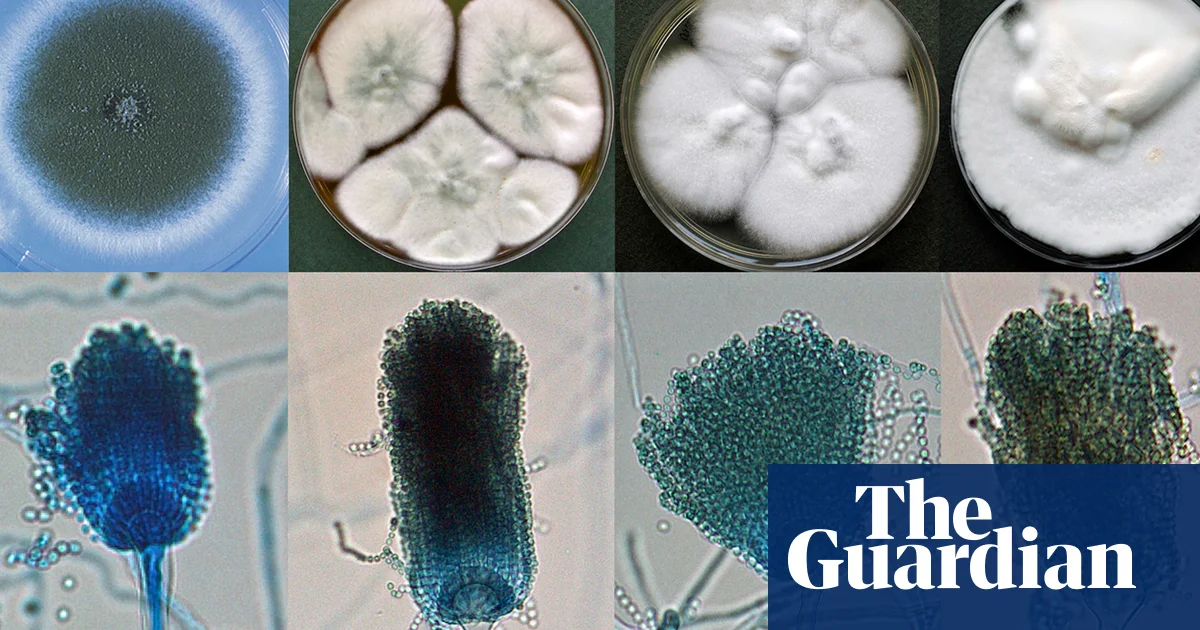
The National Mycological Reference Centre in Adelaide is at the forefront of identifying and studying fungal pathogens, which are becoming more prevalent due to climate change. Dr. Sarah Kidd, the head of the center, highlights the threat of deadly fungal infections and the lack of effective antifungal drugs. The World Health Organization has identified several critical fungal pathogens, emphasizing the need for more research and treatments. While the likelihood of a fungal pandemic is relatively low, experts warn that fungi may evolve to resist higher temperatures, posing a potential threat to human health.