sciencehealth7.245 min read
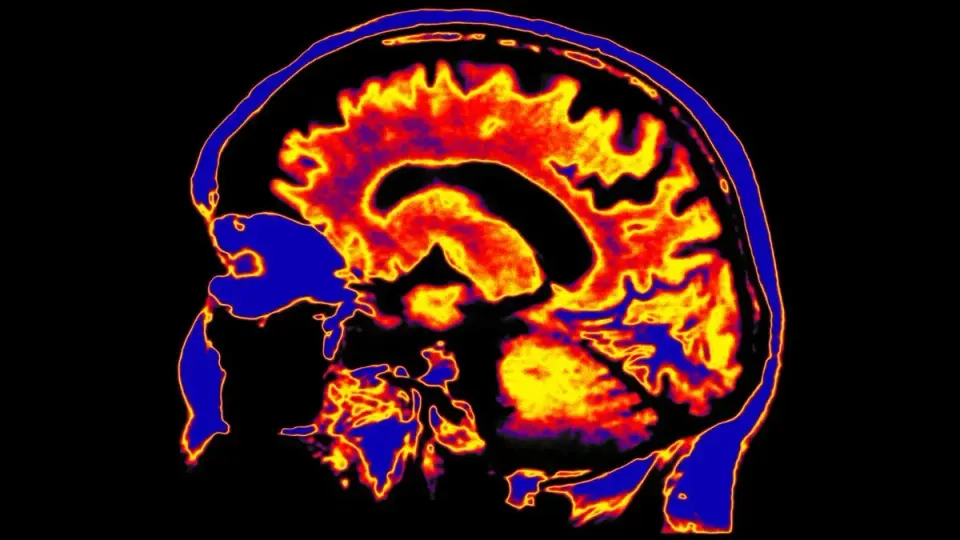
Glymphatic System Dysfunction Linked to ME/CFS, Australian Study Suggests
3 months ago•Source: ScienceAlert

The latest sciencehealth stories, each synthesized from multiple sources with added background and context.

City of Hope and UCLA researchers identify a middle-age–specific stem cell population called committed preadipocytes (CP-As) that arise from adipocyte progenitor cells and markedly generate new fat cells in the belly; the process is driven by LIFR signaling, with mouse experiments showing aged APCs produce many new fat cells, and similar CP-A–like cells found in human tissue, suggesting a potential target to curb age-related belly fat.

CBS News•6 months ago
ScienceAlert•8 months ago

MIT researchers have discovered that the common sedative propofol disrupts the brain's ability to control highly excitable neurons, leading to a loss of consciousness. By studying brain activity in rhesus macaque monkeys, they found that propofol inhibits inhibitory neurons, causing escalating instability in brain activity. This new theory adds to the complex understanding of how anesthetics work, with potential implications for improving the safety of various anesthetic drugs.
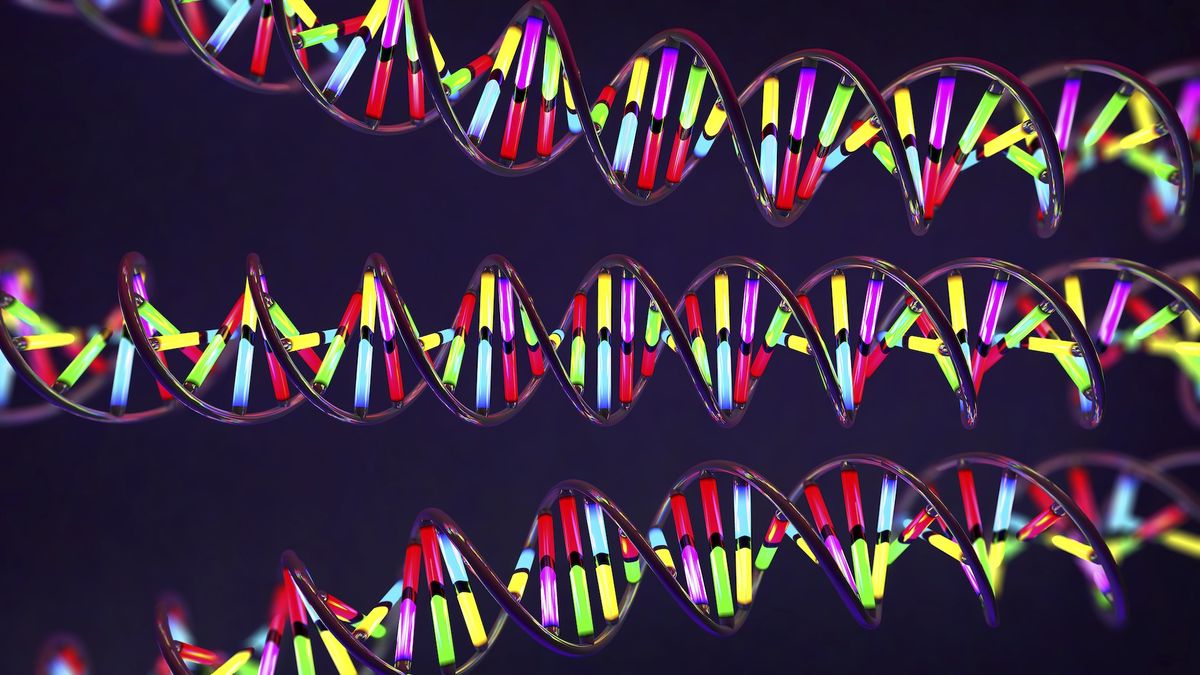
A study in Nature Communications reveals that ancient viral DNA, known as human endogenous retroviruses (HERVs), embedded in the human genome may increase susceptibility to psychiatric disorders like schizophrenia, depression, and bipolar disorder. Researchers found specific gene variants associated with these disorders that also influence HERV activity in the brain. This discovery advances the understanding of the genetic basis of these conditions, though further research is needed to determine how HERVs contribute to disease development.
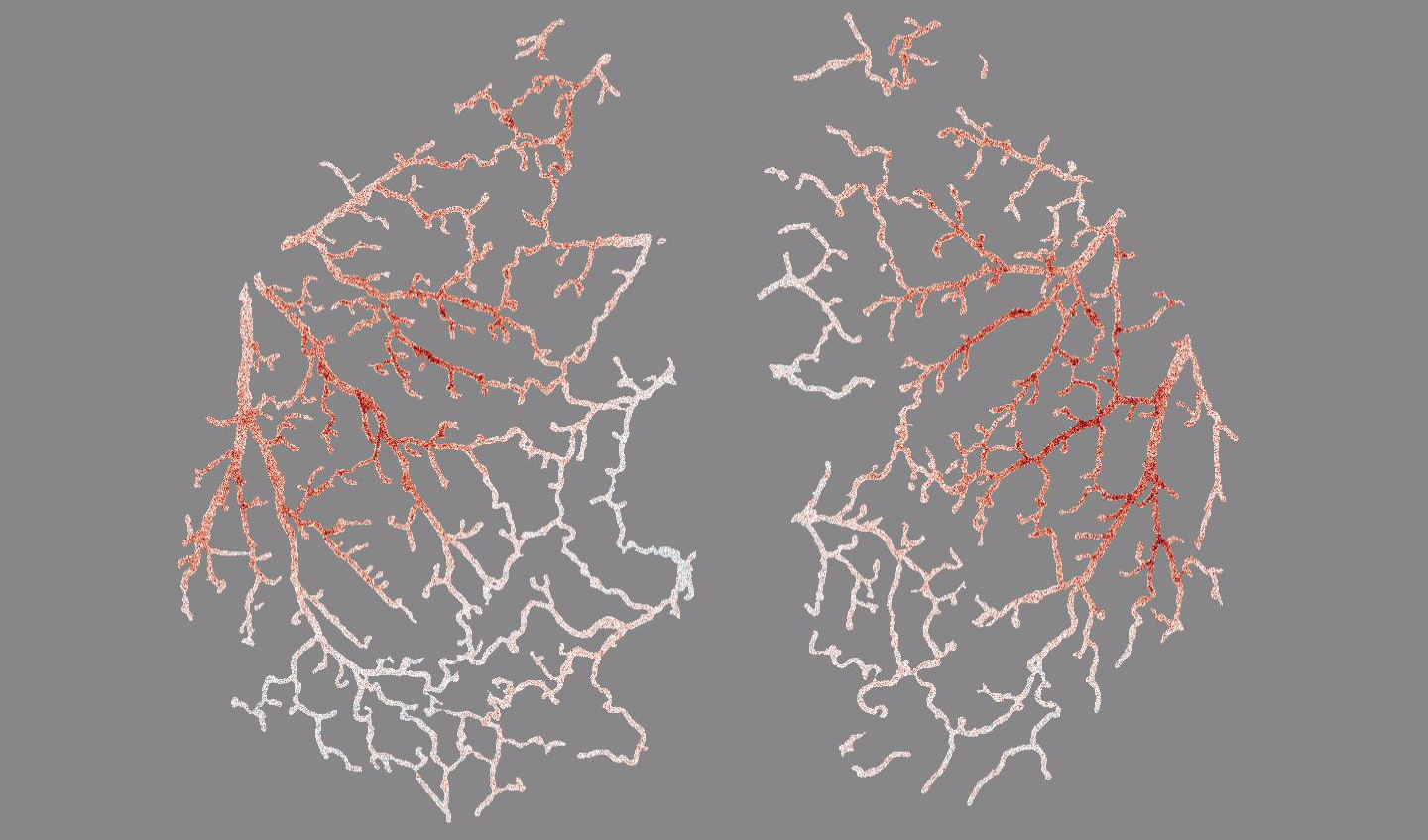
NIH-funded researchers have visualized the full network of blood vessels in the cortex of awake mice, discovering rhythmic waves of blood flow that expand and contract the vessels. These waves, which occur independently of brain activity, may play a role in mixing brain fluids and removing waste, potentially impacting the understanding of neurological disorders and the interpretation of fMRI scans.

Recent research has linked ancient viral DNA sequences, known as human endogenous retroviruses (Hervs), in the human genome to susceptibility to psychiatric disorders such as schizophrenia, bipolar disorder, and major depressive disorder. These Hervs, once considered "junk DNA," are now understood to regulate gene expression and may play significant roles in brain function and mental health. The study profiled Herv expression in nearly 800 brain samples and found associations between specific Hervs and psychiatric conditions, suggesting a more critical role for these viral remnants in the brain than previously thought.
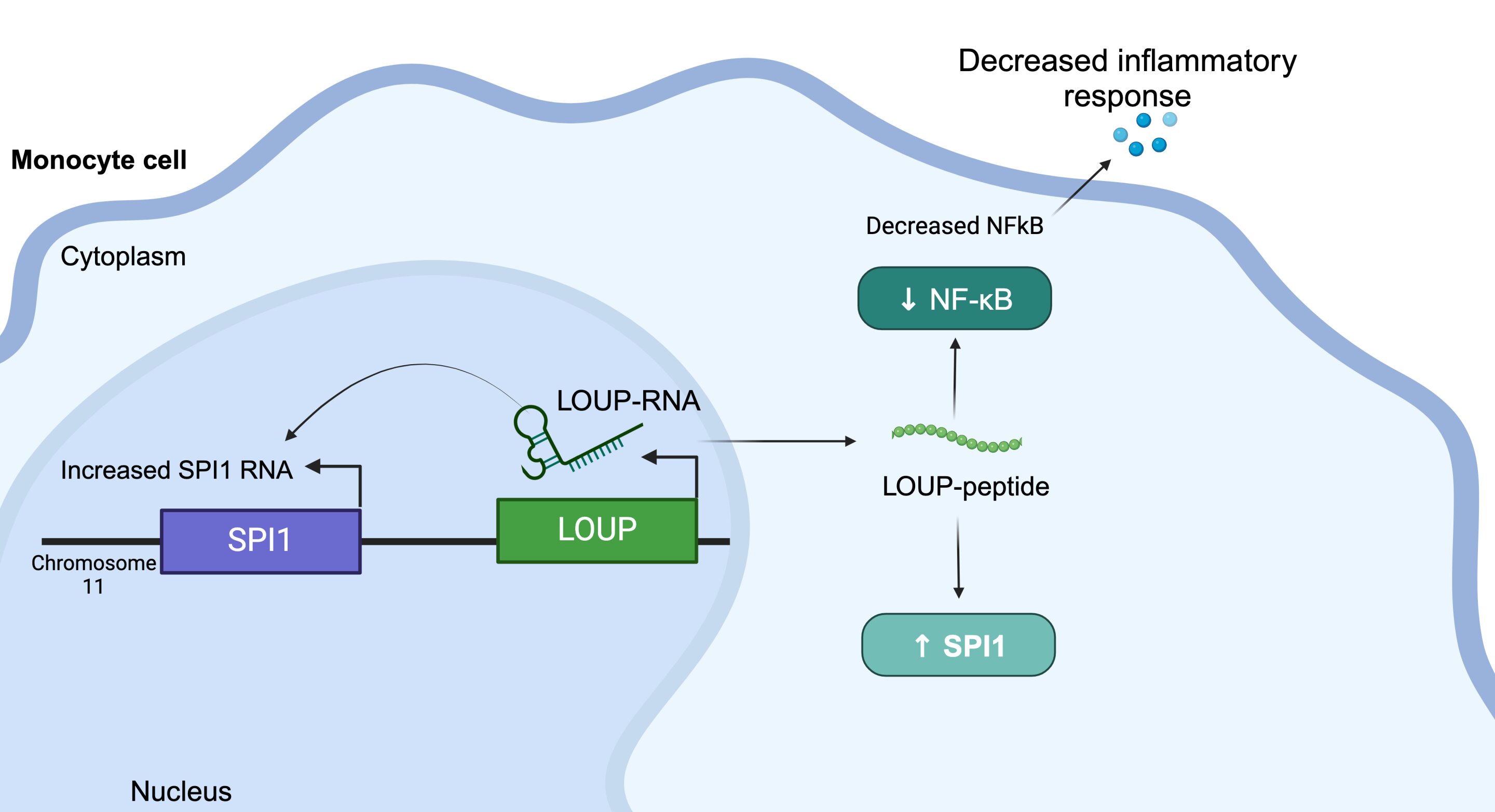
UC Santa Cruz researchers have identified a peptide within the lncRNA LOUP that regulates inflammation by controlling the protein SPI1 and downregulating NF-kB. This discovery, made using CRISPR-based screening, could lead to new treatments for inflammatory diseases like arthritis and lupus.

Researchers from King's College London have discovered that ancient viral DNA sequences, known as Human Endogenous Retroviruses (HERVs), are expressed in the human brain and contribute to the susceptibility of psychiatric disorders like schizophrenia, bipolar disorder, and depression. This study, published in Nature Communications, highlights the significant role these viral sequences play in brain function and mental health, suggesting that further understanding of HERVs could revolutionize mental health research and treatment.
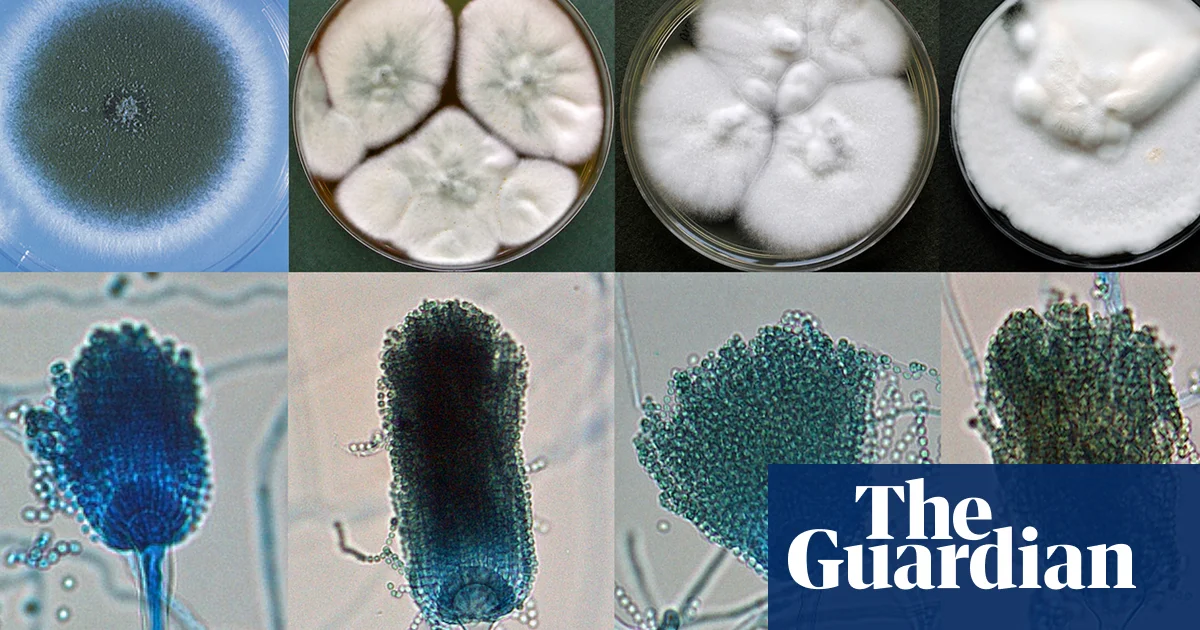
The National Mycological Reference Centre in Adelaide is at the forefront of identifying and studying fungal pathogens, which are becoming more prevalent due to climate change. Dr. Sarah Kidd, the head of the center, highlights the threat of deadly fungal infections and the lack of effective antifungal drugs. The World Health Organization has identified several critical fungal pathogens, emphasizing the need for more research and treatments. While the likelihood of a fungal pandemic is relatively low, experts warn that fungi may evolve to resist higher temperatures, posing a potential threat to human health.
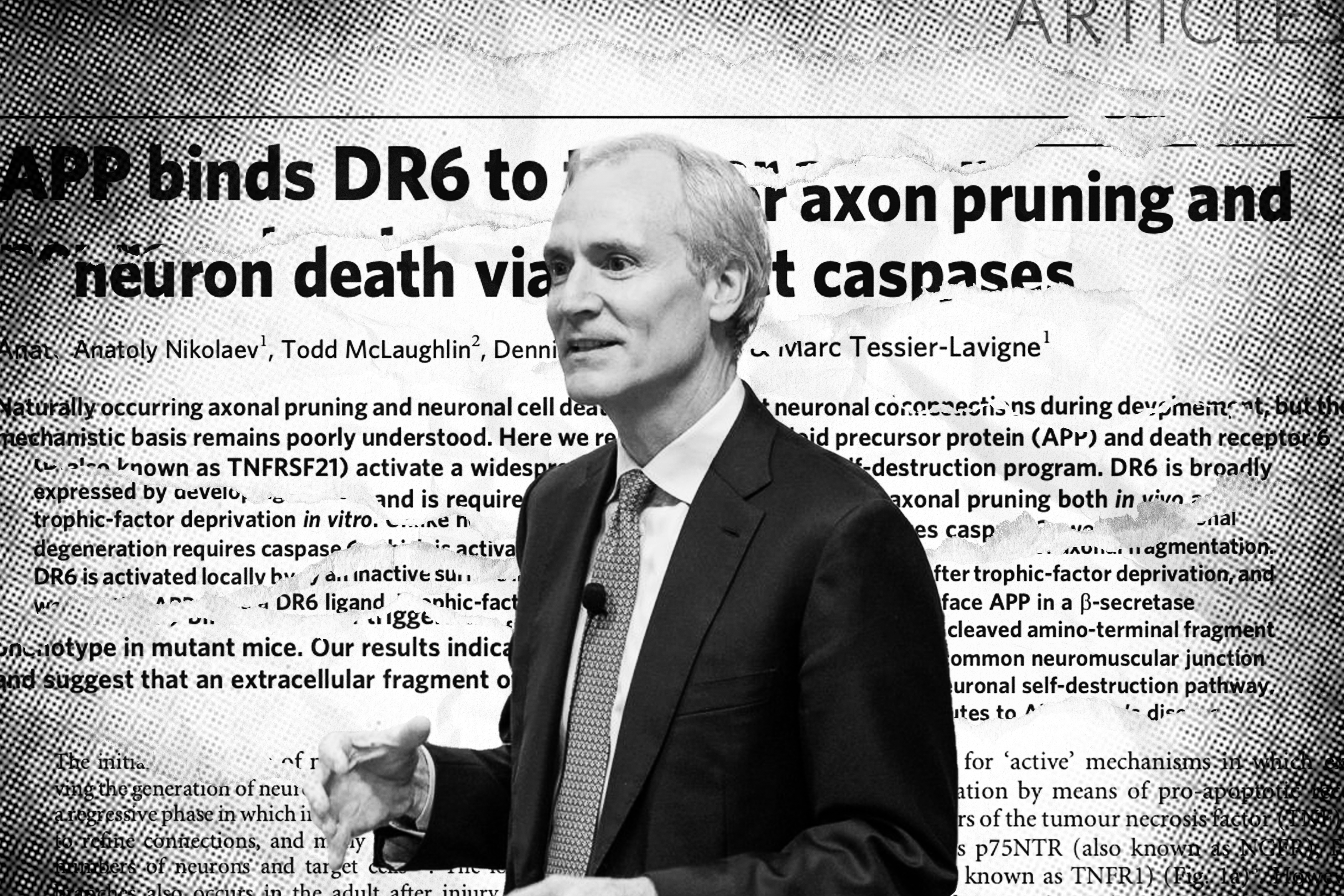
Marc Tessier-Lavigne, a prominent neuroscientist and former Stanford president, has retracted a significant Alzheimer's research paper from Nature after a decade of resistance. The retraction follows the discovery of image anomalies and biostatistical errors, although Tessier-Lavigne denies falsification of data. This is his fourth retraction in recent months, amidst a Stanford-sponsored investigation confirming a pattern of falsified research in labs he oversaw. The paper, once thought to be a breakthrough in Alzheimer's treatment, was also used by Genentech in negotiations to increase the company's valuation during its acquisition by Roche. Concerns about the research's reproducibility and integrity have been ongoing since 2012, with recent developments leading to the retraction.
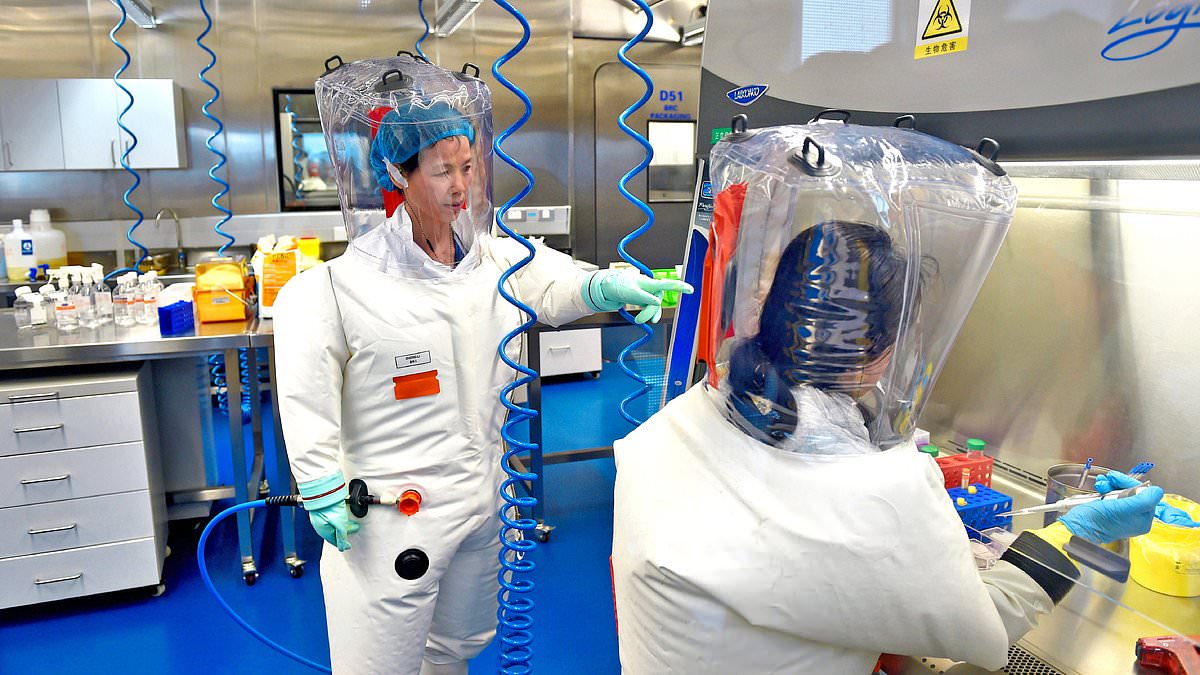
Chinese scientists have discovered a new bat coronavirus, TyRo-CoV-162275, that possesses a furin cleavage site, similar to the one found in SARS-CoV-2. The virus is up to 98% identical to coronaviruses found in pangolins, which were previously suspected of transmitting Covid-19 to humans. The study, conducted between 2016 and 2017, collected samples from bats in Yunnan and Guangdong provinces, far from the epicenter of the pandemic in Wuhan. Some scientists see this discovery as evidence that Covid-19-like viruses can emerge naturally in the wild and pass between species, supporting the theory of a natural origin. However, others remain skeptical, pointing out that the newly-discovered virus is not closely related to SARS viruses, including Covid-19. The debate over the origins of Covid-19 continues, with no definitive evidence either way.
A lab in Montana overseen by Dr. Anthony Fauci reportedly conducted experiments with coronaviruses obtained from the Wuhan Institute of Virology in China, which some believe to be the origin of the Covid pandemic. The experiments, revealed in a 2018 research paper, involved infecting Egyptian fruit bats with a SARS-like virus. Critics argue that such gain-of-function virus research, aimed at making pathogens more infectious, poses risks of a viral leak that outweigh any potential benefits.