Tag

Narcolepsy

All articles tagged with #narcolepsy

Amy Clifton’s 30-Year Narcolepsy Battle Ends in Diagnosis and Advocacy
health1 month ago

Amy Clifton’s 30-Year Narcolepsy Battle Ends in Diagnosis and Advocacy

Amy Clifton, a mother of three, endured nearly three decades of misdiagnosis before finally receiving a type 1 narcolepsy diagnosis at age 30. Her symptoms, including severe sleepiness, hallucinations, and cataplexy, were previously labeled as bipolar disorder or laziness, leading to suicidal thoughts and hospitalization. After insurance initially denied coverage for the expensive medication sodium oxybate, Clifton is now receiving the drug through a patient assistance program. She reports improved energy and fewer hallucinations but faces the ongoing challenge of managing a chronic, incurable condition. Clifton is now an advocate for faster diagnosis and better treatment access.


Narcolepsy Patients Show Youthful Brain Biomarkers Despite Severe Sleep Disruption
health1 month ago

Narcolepsy Patients Show Youthful Brain Biomarkers Despite Severe Sleep Disruption

A new review in Ageing Research Reviews suggests that individuals with narcolepsy type 1 (NT1) do not exhibit the premature brain aging typically associated with chronic sleep disruption. Despite severe fragmentation of sleep-wake cycles, NT1 patients lack the biomarkers and neuroimaging signs of accelerated neurodegeneration seen in other sleep disorders. The authors propose that the loss of hypocretin (orexin) in NT1 may alter how the brain processes age-related stressors, potentially reducing the accumulation of beta-amyloid and tau proteins. This paradox suggests that the structure of wakefulness, rather than total sleep duration, may be a critical factor in neural resilience.

Amy Clifton’s 30-Year Journey to Type 1 Narcolepsy Diagnosis Ends in New Hope
health1 month ago

Amy Clifton’s 30-Year Journey to Type 1 Narcolepsy Diagnosis Ends in New Hope

Amy Clifton, a mother of three, suffered for nearly three decades with undiagnosed type 1 narcolepsy, a condition caused by a lack of the brain chemical orexin. Her symptoms, including severe daytime sleepiness, hallucinations, and cataplexy (sudden muscle weakness), were repeatedly misdiagnosed as bipolar disorder, hormonal issues, or laziness. The misdiagnoses led to inappropriate treatments and deep despair, including suicidal thoughts and hospitalization at age 29. At age 30, a specialist finally identified her condition. Although insurance initially denied coverage for the expensive medication sodium oxybate due to inconclusive test results, Clifton is now receiving the drug through a patient assistance program. She reports improved energy and fewer hallucinations, though she faces the ongoing challenge of managing a chronic, incurable condition. Clifton is now an advocate for faster diagnosis and better treatment access.

Champion Cheerleader Rylie Shaw Finds Diagnosis After Years of Misdiagnosed Fatigue
health2 months ago

Champion Cheerleader Rylie Shaw Finds Diagnosis After Years of Misdiagnosed Fatigue

Rylie Shaw, a 22-year-old two-time world champion cheerleader from Riverside County, California, was finally diagnosed with narcolepsy after years of being mislabeled as lazy. Her journey began in her teens with severe daytime sleepiness that persisted despite adequate rest. After multiple incorrect diagnoses, including attention disorders and depression, a sleep study at age 17 revealed idiopathic hypersomnia, which later progressed to narcolepsy. She now manages the condition with medication and uses her social media platform to raise awareness.

Lasker Awards Honor Sleep Science Breakthroughs and Hemophilia Treatments
science-and-health2 months ago

Lasker Awards Honor Sleep Science Breakthroughs and Hemophilia Treatments

The 2026 Lasker Awards, often called 'America's Nobel Prizes,' have been awarded to researchers for pivotal discoveries in sleep biology and hemophilia treatment, along with a public service honor for Parkinson's advocacy. Each winner receives a $250,000 honorarium, with ceremonies scheduled for September 17 in New York City.

Lasker Award honors sleep researchers for breakthroughs in narcolepsy
science2 months ago

Lasker Award honors sleep researchers for breakthroughs in narcolepsy

Two leading sleep researchers have been awarded the prestigious Lasker Prize for their foundational work on narcolepsy. Dr. Emmanuel Mignot of Stanford University and Dr. Masashi Yanagisawa of the University of Texas Southwestern Medical Center were recognized for identifying the biological mechanisms behind the debilitating sleep disorder. Their research, which utilized animal models including dogs and mice, led to the discovery of orexin, a brain chemical critical for regulating wakefulness. This discovery has paved the way for new treatments that address the root cause of narcolepsy rather than just its symptoms.

FDA Approves First Orexin Agonist, Targeting Narcolepsy's Root Cause
health-and-science3 months ago

FDA Approves First Orexin Agonist, Targeting Narcolepsy's Root Cause

The US Food and Drug Administration has approved Orzeyful, the first medication to treat the biological root cause of narcolepsy type 1 rather than just its symptoms. Developed by Takeda Pharmaceuticals, the drug mimics the neuropeptide orexin, which is typically missing in patients with this condition. By activating orexin receptors, the treatment stabilizes sleep-wake cycles, addressing daytime sleepiness, cataplexy, and sleep paralysis. This milestone marks the beginning of a new class of therapies for sleep disorders and opens potential avenues for treating other neuropsychiatric conditions.

FDA Approves Takeda’s Orzeyful, First Orexin Agonist for Narcolepsy Type 1
health-and-biotech3 months ago

FDA Approves Takeda’s Orzeyful, First Orexin Agonist for Narcolepsy Type 1

The FDA has approved Takeda’s Orzeyful (oveporexton), the first orexin receptor agonist for narcolepsy type 1, marking a shift from symptom management to targeting the underlying neurologic deficiency. The drug showed superior efficacy in Phase 3 trials but faces potential regulatory hurdles regarding controlled substance scheduling.

Packers' Nazir Stackhouse Aims to Inspire Despite Narcolepsy Challenges
sports1 year ago

Packers' Nazir Stackhouse Aims to Inspire Despite Narcolepsy Challenges

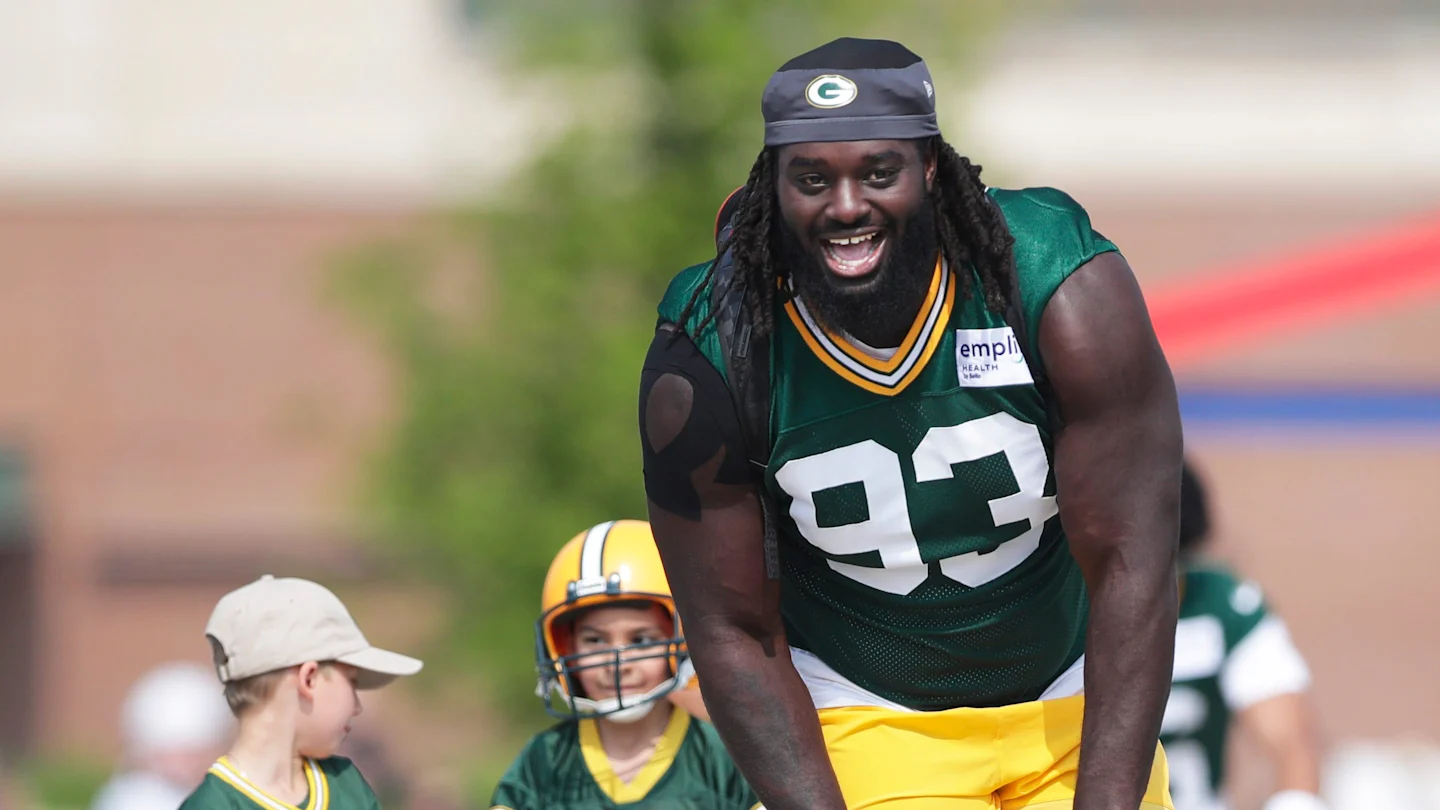
Nazir Stackhouse, a Green Bay Packers rookie defensive tackle, has narcolepsy, a condition he has managed throughout his football career. Despite challenges like falling asleep during games and meetings, he uses medication and strategies to stay alert. He hopes his openness about his condition will inspire others and demonstrates resilience and determination to succeed in the NFL.

ADHD Medication Recalled for Pill Mix-Up
health2 years ago

ADHD Medication Recalled for Pill Mix-Up

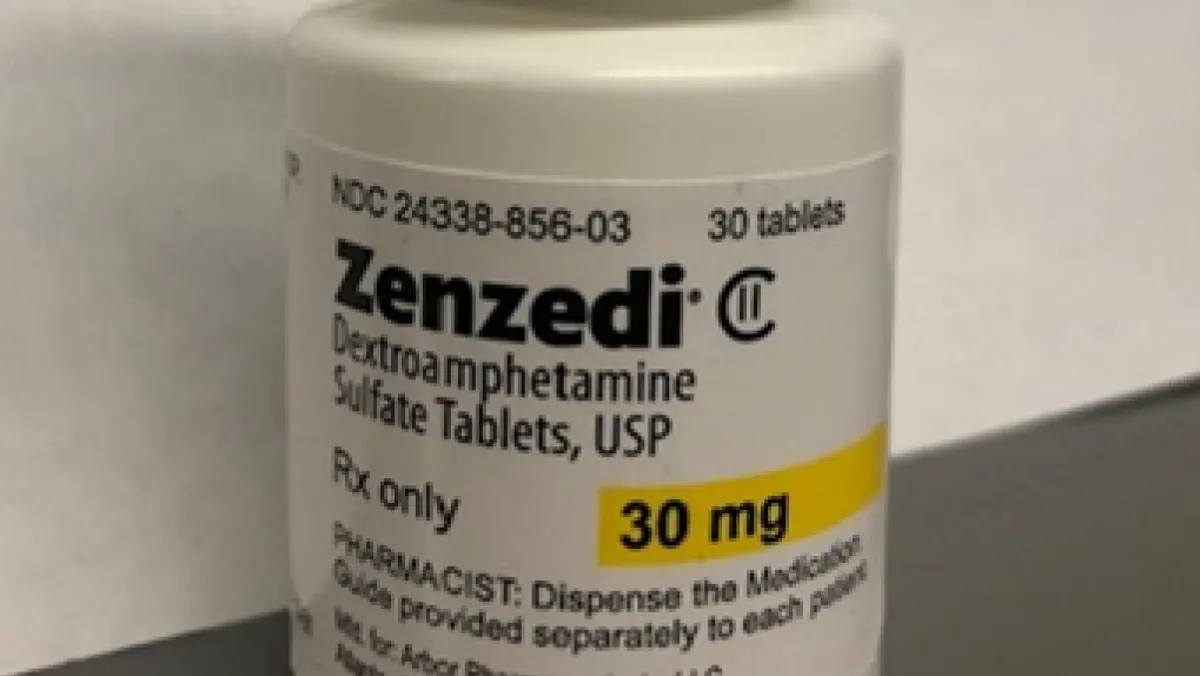
Azurity Pharmaceuticals is recalling a lot of its Zenzedi 30 mg medication used to treat ADHD and narcolepsy due to potential mix-up with an antihistamine drug, Carbinoxamine Maleate, found in some packages. The wrong pills could lead to undertreatment of symptoms, drowsiness, and an increased risk of accidents and injury, particularly for those participating in activities requiring focus and alertness. Consumers are advised to stop using the affected drug, contact their healthcare provider if they have experienced any issues, and report any medical problems to the FDA.

Unraveling the Mystery of Disrupted Sleep Patterns.
health3 years ago

Unraveling the Mystery of Disrupted Sleep Patterns.

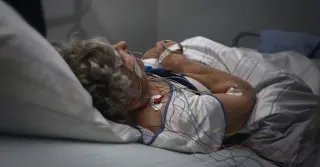
Julie Faenza's significant sleep problems were attributed to anxiety and depression, but after a scary incident while driving, she began a year-long search that resulted in the discovery of a long-overlooked disorder. Faenza was diagnosed with Type 1 narcolepsy, a chronic neurological disorder that impairs the brain's sleep/wake cycles and causes excessive daytime sleepiness. Such a delay in diagnosis is not uncommon, and the lack of education about sleep disorders in medical school remains a barrier to timely diagnosis. Faenza wishes she had heeded advice her mother had given her years earlier about the importance of knowledge and self-advocacy in medical matters.