A new randomized trial confirms that while all diets yield similar weight loss, ketogenic diets offer superior benefits for liver fat reduction and blood sugar control compared to Mediterranean or high-carb diets.
In a randomized trial of metabolically unhealthy obesity, about 10% weight loss with a very-low-carbohydrate ketogenic diet led to greater reductions in liver fat and hepatic insulin resistance than Mediterranean or fat-restricted plant-forward diets, with higher rates of prediabetes remission and multiple favorable metabolic changes, suggesting macronutrient composition influences liver- and insulin-related cardiometabolic risk beyond weight loss.
In a randomized trial, a very low-carbohydrate ketogenic diet reduced liver fat by 67%—the largest improvement among three diets—while about half of keto participants no longer met prediabetes criteria after 4–5 months; all groups lost roughly 10% body weight and showed metabolic benefits.
A small randomized trial of 42 adults with obesity and prediabetes found that while all three diets (ketogenic, Mediterranean, and very low-fat plant-forward) produced ~10% weight loss, the ketogenic diet yielded the strongest liver-health benefits: about a 67% reduction in liver fat, 2–3x greater improvement in liver insulin sensitivity, and 50% of participants in prediabetes remission (vs 29% and 7% for Mediterranean and low-fat, respectively). The study notes its limited size and calls for larger trials, and highlights that very low carbohydrate intake may be hard to sustain.
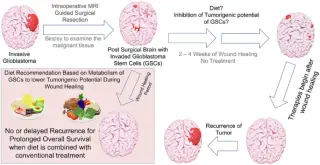
A study shows that a low-carbohydrate, high-fat diet can curb glioblastoma growth by shifting brain lipid availability and restricting fatty acid oxidation in glioblastoma stem cells; the diet also reshapes the gut microbiome and circadian networks, offering a non-pharmacologic strategy to delay recurrence when used around the standard postoperative treatment.
MIT researchers found that a ketogenic diet increases small-intestine tumor formation in mice predisposed to intestinal cancer by boosting fatty-acid oxidation and stem-cell division, while earlier data suggested colon protection; ketone bodies are not the driver, and the colon's response differs, underscoring tissue-specific diet effects and caution against generalizing ketogenic-diet benefits.
A Nature study in mice found that a ketogenic diet can accelerate small-intestine tumors while suppressing colon tumors, and that these effects are driven by fatty acid oxidation and subsequent activation of PPARs—not by ketone bodies. This challenges the idea that ketones explain keto’s impact on cancer, suggesting fat metabolism is the key driver. While having implications for understanding cancer biology, the findings are preclinical and human relevance remains unclear; commercially available ketone supplements are unlikely to replicate these effects.
A new review finds the ketogenic (keto) diet could offer neuroprotection against diseases like Alzheimer's, Parkinson's, and Huntington's by altering energy metabolism and increasing ketone use, which may reduce inflammation, boost autophagy, and improve gut-brain health; though most supporting studies are in animals, long-term safety, practicality, and clinical efficacy in people remain uncertain, and more trials are needed.
A skeptical review of the lean mass hyper-responder (LMHR) hypothesis argues that very high LDL-C on a ketogenic diet does not erase the proven link between apoB-containing particles and atherosclerosis. It critiques two LMHR studies for short duration, lack of proper controls, and confounding factors, and questions the lipid-energy model’s validity. Across decades of evidence, LDL-C/apoB remains causally related to ASCVD, so reducing apoB—through diet, statins, or other therapies—remains the prudent course, even for metabolically healthy individuals. Longer-term, well-controlled data would be required to overturn this consensus.
A mouse study found that an extreme ketogenic diet normalized high blood sugar in hyperglycemic mice within a week, and after eight weeks of diet plus exercise, they showed improved VO2peak and muscle oxidative capacity. However, real exercise performance only improved when carbohydrates were reintroduced, suggesting a complex diet–exercise interaction. The findings are limited to mice, with human trials planned, and researchers caution that such extreme dieting isn’t suitable for everyone while Mediterranean-style approaches may be better for blood-sugar control.
In mice with high blood sugar, a high-fat ketogenic diet normalized blood sugar within a week and remodeled muscles to be more oxidative, improving oxygen use and endurance during exercise, suggesting diet and exercise may synergize to boost metabolic health—though human studies are needed and keto can be hard to maintain.
A Nature Communications study in mice with high blood sugar found that a ketogenic diet lowered glucose, improved aerobic exercise adaptation, and aided skeletal-muscle remodeling when paired with training, suggesting glucose control may enhance exercise benefits. However, results are limited to animals, and applicability to humans is uncertain, with long-term sustainability and real-world effects needing further research.
After two decades of debilitating vestibular migraines, Rachel Weaver joined a clinical study that used affordable continuous glucose monitors (CGMs) to track glucose and found migraines rose with glucose spikes; participants followed a ketogenic diet with individualized carb ceilings—Weaver's around 50g/day—leading to a dramatic drop in symptoms. She’s now down to two migraine meds and reports a near reversal of her condition. The Frontiers in Neurology study of 247 migraine patients suggests CGMs and keto-like dietary strategies may help, but keto should be supervised and more data are needed.
Experts say RFK Jr.'s assertion that a ketogenic diet cures schizophrenia is not supported by solid evidence; the only hints come from two 2019 case reports by Harvard psychiatrist Christopher Palmer, which are uncontrolled and cannot establish efficacy. Ketosis may aid symptom remission in some cases, but medical supervision is essential and meds should not be stopped. Around 20 trials are exploring keto for psychiatric conditions, with research into mitochondria and brain activity; long-term adherence and cost pose practical challenges, so no cure is proven yet.
Harvard psychiatrist Christopher Palmer said Kennedy Jr.’s claim that keto diets cure schizophrenia is not accurate; while ketogenic therapy shows promise for some patients, it remains unproven and should not replace antipsychotics without medical supervision. Palmer envisions a future where dietary interventions could play a role, with ongoing trials and funding, as Kennedy’s MAHA movement promotes broader research and access to metabolic treatments.