Tag

Newborn Care

All articles tagged with #newborn care

New Data Links Rising Infant Bleeding to Vitamin K Shot Refusals
health1 day ago

New Data Links Rising Infant Bleeding to Vitamin K Shot Refusals

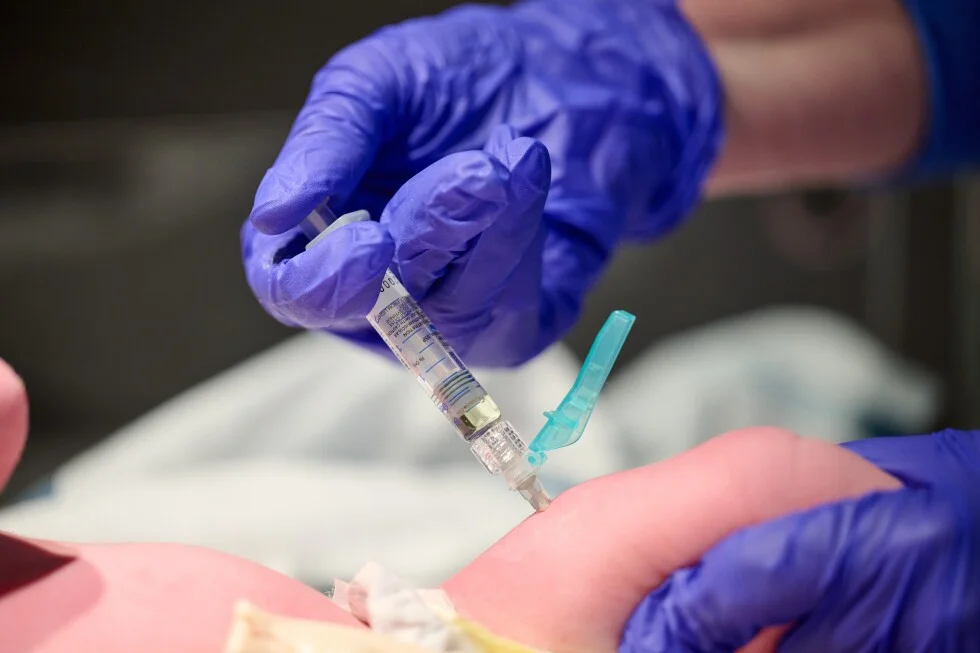
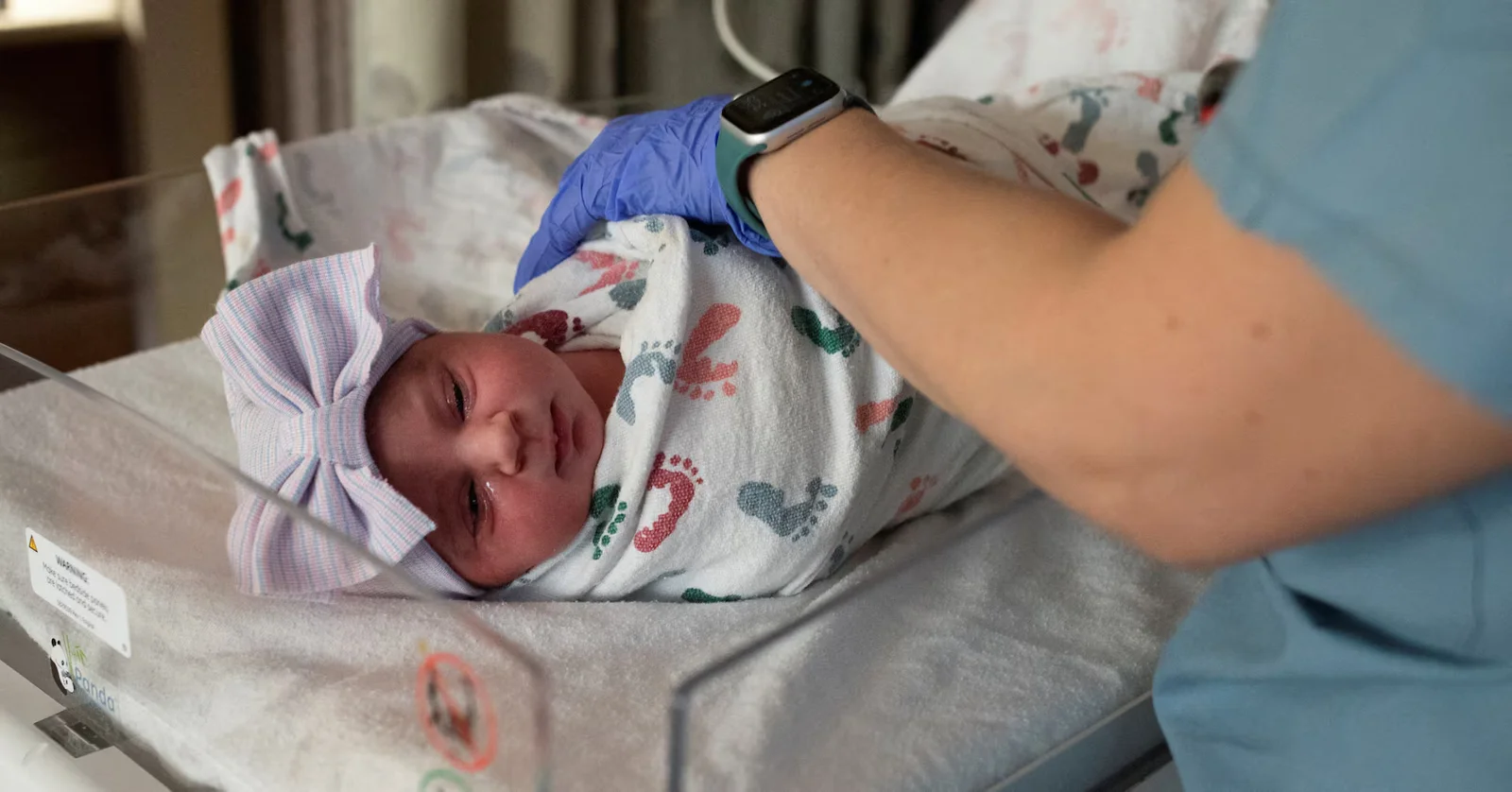
A surge in parents refusing the routine vitamin K injection for newborns has led to a sharp increase in life-threatening bleeding cases. While the shot has been standard since the 1960s, refusal rates have doubled, driven by misinformation and broader medical distrust. Hospitals are struggling to persuade families, with some infants suffering severe brain injuries or dying from preventable hemorrhaging.
New Data Links Rising Refusal of Newborn Vitamin K Shots to 347% Surge in Infant Bleeding
health2 days ago

New Data Links Rising Refusal of Newborn Vitamin K Shots to 347% Surge in Infant Bleeding

Two major studies published in November 2026 reveal a sharp rise in vitamin K deficiency bleeding (VKDB) among U.S. infants, correlating with increased parental refusal of the standard post-birth injection. Data from 2017 to 2025 shows that while the rate of shot administration dropped from 97.7% to 95%, cases of VKDB increased by 347.1%. Experts attribute the trend to misinformation and growing medical mistrust, emphasizing that the injection is a safe, non-vaccine preventive measure that has been standard since the 1960s.

Study Links Vitamin K Shot Refusals to 347% Surge in Infant Bleeding
health4 days ago

Study Links Vitamin K Shot Refusals to 347% Surge in Infant Bleeding

Two new studies published in November 2026 reveal a sharp rise in vitamin K deficiency bleeding (VKDB) among U.S. infants, correlating with increased parental refusal of the standard post-birth injection. Data from 2017 to 2025 shows that while the rate of shot administration dropped from 97.7% to 95%, VKDB cases increased by 347.1%. Experts attribute the trend to misinformation and growing medical mistrust, emphasizing that the injection is a safe, non-vaccine preventive measure that has been standard since the 1960s.

Infant Bleeding Cases Surge 347% as Vitamin K Shot Refusal Doubles
health4 days ago

Infant Bleeding Cases Surge 347% as Vitamin K Shot Refusal Doubles

Two new studies reveal a sharp rise in infant bleeding linked to increased refusal of the standard vitamin K shot. Between 2017 and 2025, refusal rates doubled, coinciding with a 347% increase in vitamin K deficiency bleeding cases. Experts attribute the trend to misinformation and growing medical mistrust, emphasizing that the injection is a safe, non-vaccine preventive measure.

Infant Bleeding Cases Surge 347% as U.S. Parents Reject Vitamin K Shots
health14 days ago

Infant Bleeding Cases Surge 347% as U.S. Parents Reject Vitamin K Shots

Two new studies reveal a sharp rise in life-threatening infant bleeding in the U.S., correlating with a doubling of parental refusal rates for the standard vitamin K shot. While the injection has been standard since 1961, declining uptake has coincided with a 347% increase in bleeding cases since 2017. Experts attribute this trend to growing medical mistrust, misinformation, and shifting federal health policies, though the CDC maintains its recommendation for the shot.

Texas Infant Dies After ER Delays Vitamin K Treatment Amid Rising Refusal Rates
health-and-medicine15 days ago

Texas Infant Dies After ER Delays Vitamin K Treatment Amid Rising Refusal Rates

An 11-day-old Texas infant, Gwen Biesenbach, died in 2023 from vitamin K deficiency bleeding after an emergency room doctor failed to administer the critical injection or transfer her to a pediatric hospital. The Texas Medical Board disciplined the physician for failing to recognize the life-threatening condition. This case highlights a broader national trend where refusal rates for the standard newborn vitamin K shot have doubled since 2017, coinciding with a 347% surge in infant bleeding diagnoses. While parents increasingly opt for oral drops or decline the shot due to mistrust of medical interventions, experts warn that the injection remains the only proven method to prevent catastrophic, often fatal, bleeding in newborns.

Newborn Vitamin K Refusal Surges 57%, HBV Vaccine Rejection Jumps 107%
health2 months ago

Newborn Vitamin K Refusal Surges 57%, HBV Vaccine Rejection Jumps 107%

Recent data indicates a sharp increase in parental refusal of routine newborn interventions. While the primary source reports a 57% rise in vitamin K shot refusals, secondary reporting from Healio highlights a 107% surge in Hepatitis B vaccine non-receipt. These trends suggest a broader decline in trust for standard newborn medical procedures, potentially reversing decades of progress in preventing infant bleeding and infectious diseases.

New vaccine policy shifts stoke questions about newborn care
health10 months ago

New vaccine policy shifts stoke questions about newborn care

U.S. vaccine-policy changes under Health Secretary Kennedy are fueling hesitation in labor wards, with doctors reporting more families delaying standard newborn care such as vitamin K injections and erythromycin eye ointment amid distrust and social-media misinformation. While pediatricians stress these treatments and routine immunizations are crucial—and some measles outbreaks spur early vaccination—officials say policy shifts haven’t caused the declines. In 2024, vitamin K was not given to more than 5% of newborns, up from under 3% in 2017, with some parents opting for oral vitamin K.

"UN Report: Global Child Mortality Reaches Record Low in 2022"
health-global-development2 years ago

"UN Report: Global Child Mortality Reaches Record Low in 2022"

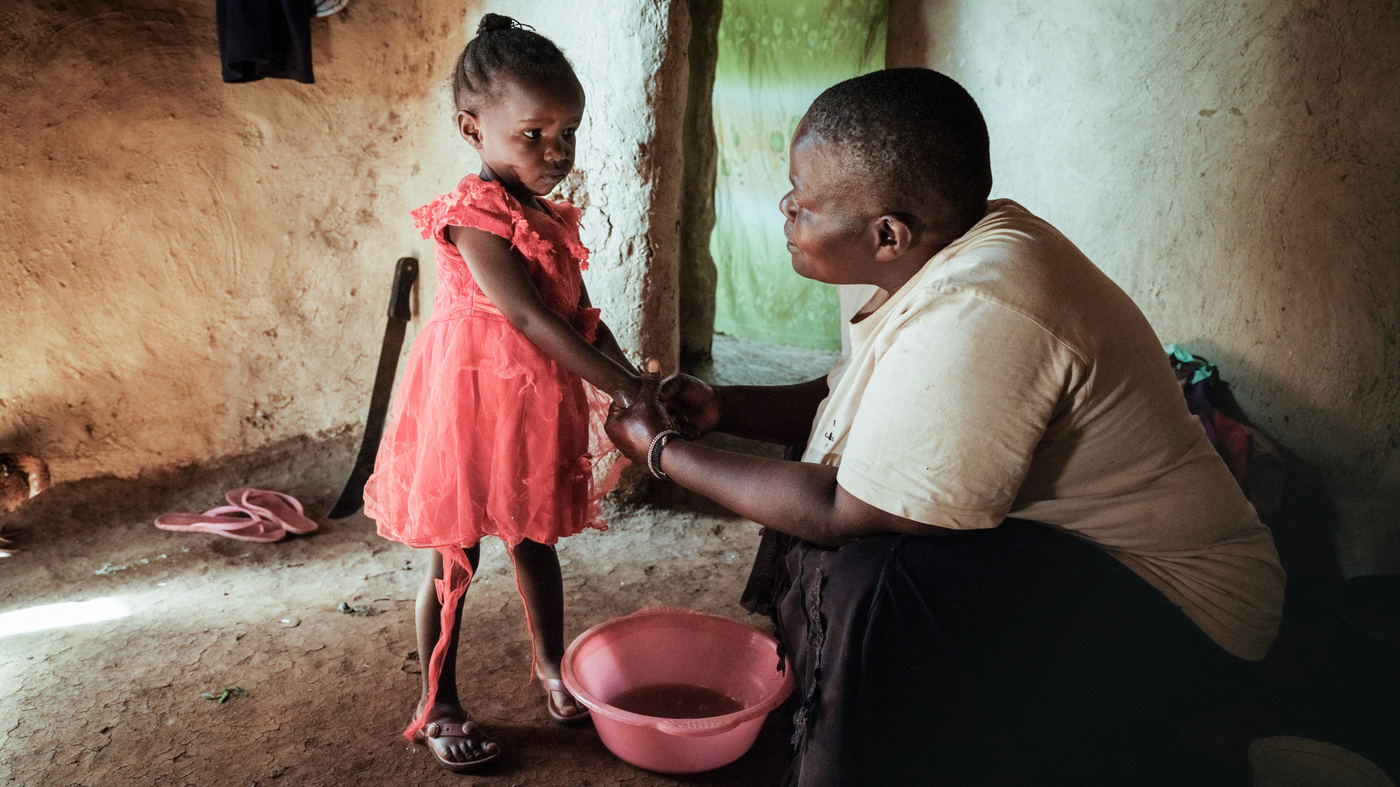
A new report by UNICEF marks a historic moment as the number of children dying before their 5th birthday has dropped below 5 million for the first time, with significant progress in countries like Malawi, Rwanda, Cambodia, Mongolia, and Uzbekistan. However, despite the positive trend, there is still much work to be done, especially in sub-Saharan Africa and Southern Asia where child mortality rates remain high due to preventable and treatable conditions. Inequalities within countries, such as urban-rural divides and disparities in wealth and education, also impact child mortality. While interventions like community health workers have shown success, more efforts are needed to address newborn care and ensure continued health investments to further reduce child mortality.

"Rationale Behind Banning Kissing and Cuddling Babies"
parenting2 years ago

"Rationale Behind Banning Kissing and Cuddling Babies"

Research shows that kissing and cuddling newborns, especially those born premature or with health problems, can pose serious health risks due to their vulnerable immune systems. Despite the risk, many parents feel uneasy asking visitors not to touch or kiss their baby, fearing offense or being labeled overprotective. Setting boundaries with friends and family can be difficult, but experts advise calmly and firmly explaining concerns about infections and trusting parental instincts to keep the baby safe and healthy. Simple hygiene measures, such as hand-washing and avoiding contact when unwell, can help lower the risk of passing on infections to young babies.