Tag

Norepinephrine

All articles tagged with #norepinephrine

Surprise-Induced Pupil Dilation Signals the Brain to Refresh and Learn Faster
science12 days ago

Surprise-Induced Pupil Dilation Signals the Brain to Refresh and Learn Faster

Researchers tracked 63 adults as they predicted colors on a screen while their pupil size and brain activity were recorded. They found that surprise-triggered pupil dilation aligns with arousal signals in the locus coeruleus/norepinephrine system and EEG markers, helping the brain refresh context, adjust learning, and reduce perceptual bias when predictions are violated.

Triple-action ADHD drug centanafadine offers a new treatment option
health22 days ago

Triple-action ADHD drug centanafadine offers a new treatment option

Centanafadine (Simtriyo) is a US-approved ADHD medication for adults and children aged 6+ that uniquely increases dopamine, norepinephrine, and serotonin by blocking their reuptake. This triple-action approach differs from most stimulants, which mainly affect dopamine and norepinephrine, and has led to debate over whether centanafadine is a stimulant. In four phase-3 trials it improved ADHD symptoms versus placebo and was generally well tolerated, though no head-to-head comparisons with existing meds have been published. Common side effects include reduced appetite, insomnia, dry mouth, and headache, with a warning for suicidal thoughts. It is not yet approved in Australia, and research into its potential for ADHD with anxiety or depression is ongoing.
Nerve-Fibroblast Loop Spurs Early Pancreatic Cancer Growth
health-and-medicine6 months ago

Nerve-Fibroblast Loop Spurs Early Pancreatic Cancer Growth

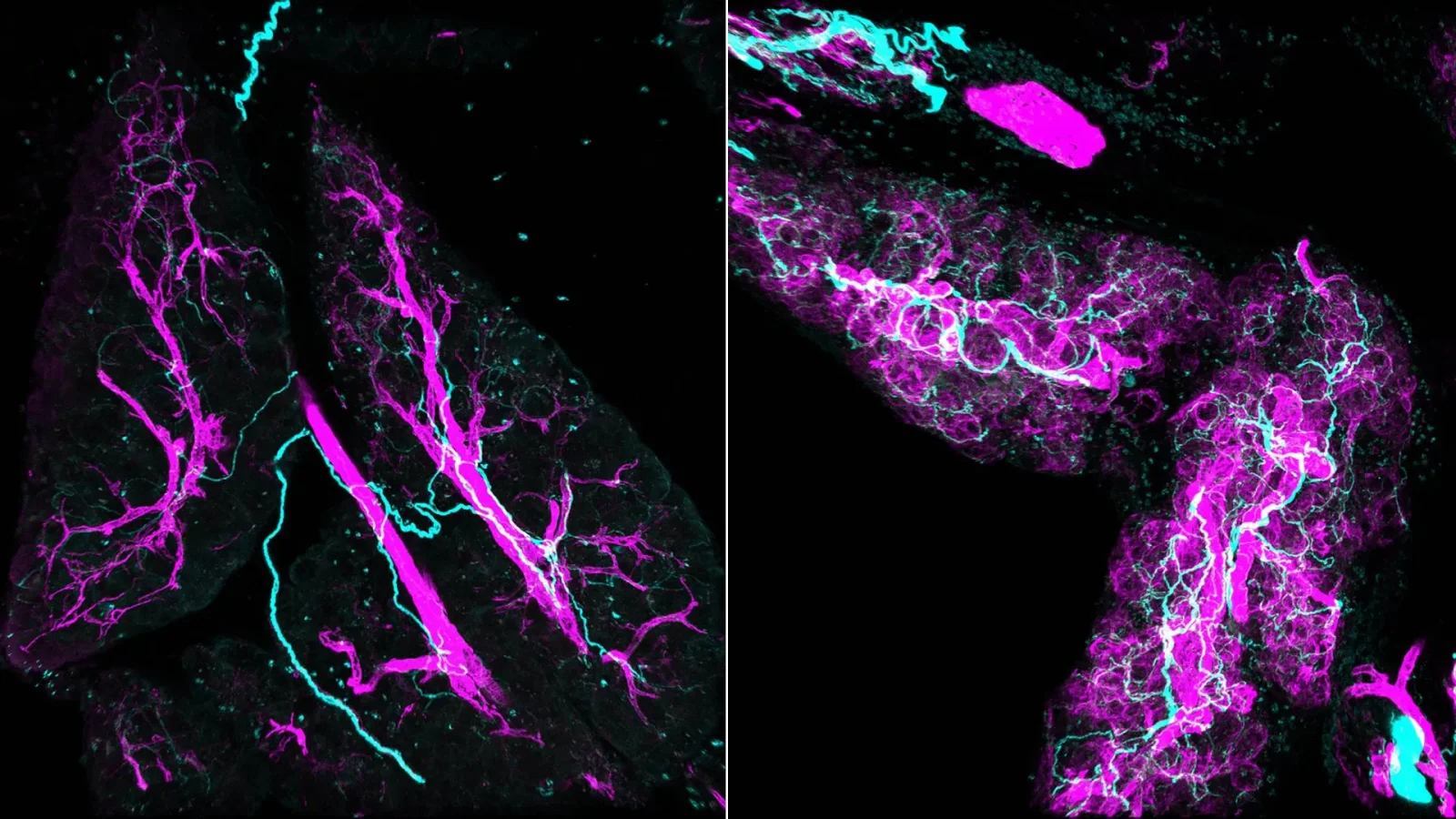
Researchers at Cold Spring Harbor Laboratory uncovered a self-sustaining loop in early pancreatic cancer: myCAFs (fibroblasts) lure sympathetic nerves, whose norepinephrine signals activate the fibroblasts and recruit more nerves, accelerating tumor development. Blocking nerve activity slowed growth by about 50% in mice/human cell experiments, pointing to therapies that disrupt the nerve–fibroblast crosstalk alongside existing cancer treatments.

"Sunlight's UV Rays Could Revolutionize Obesity Treatment"
health2 years ago

"Sunlight's UV Rays Could Revolutionize Obesity Treatment"

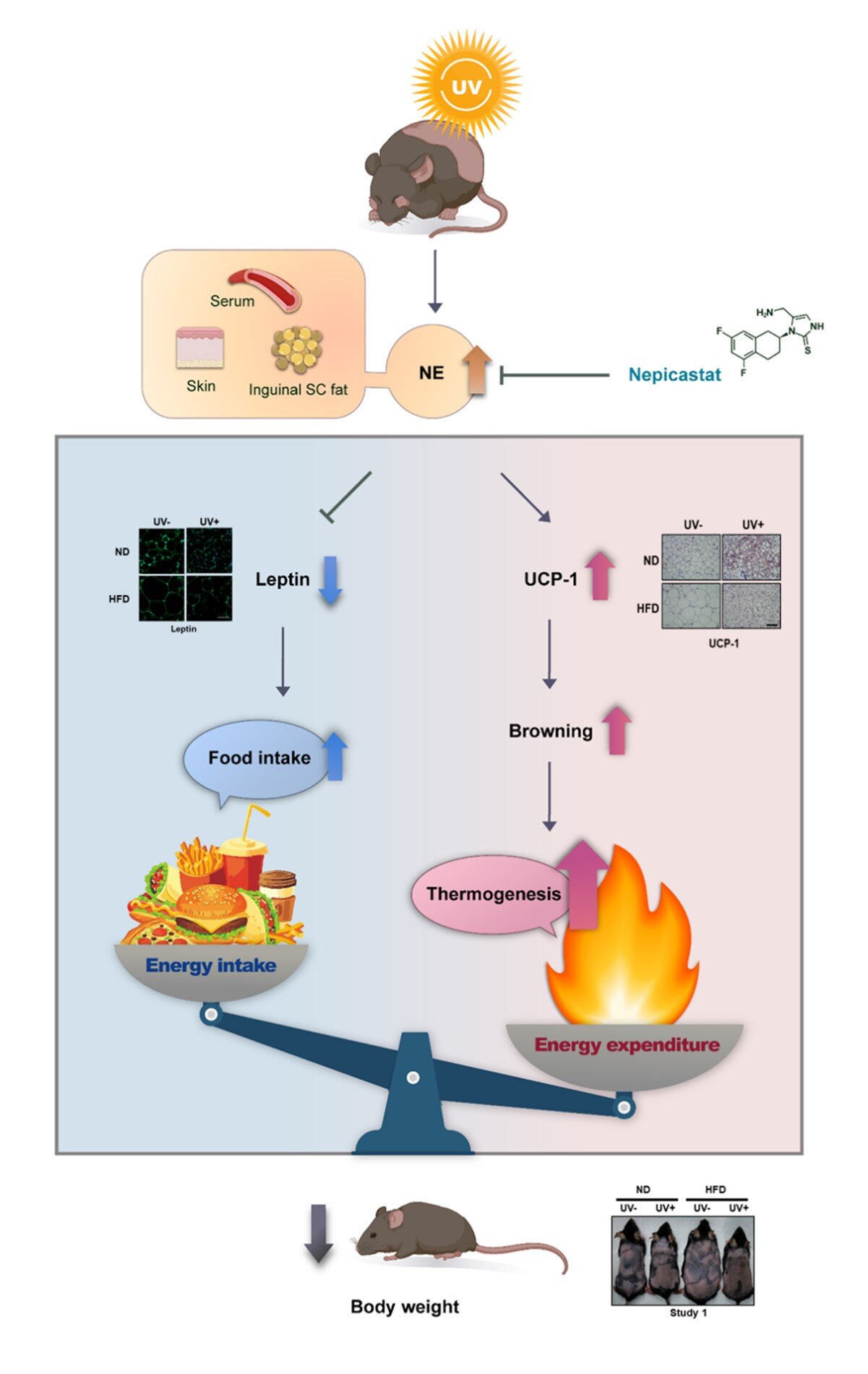
A study published in the Journal of Investigative Dermatology reveals that ultraviolet (UV) radiation can influence subcutaneous fat regulation by increasing norepinephrine levels, which decreases leptin and promotes the browning of fat, thus enhancing energy expenditure. This discovery could lead to new treatments for obesity and metabolic disorders, although further research is needed to address the long-term effects and safety of UV exposure.

Early Diagnosis of Parkinson's Possible with Heart PET Scans
health2 years ago

Early Diagnosis of Parkinson's Possible with Heart PET Scans

PET scans of the heart can potentially identify individuals at risk for Parkinson's disease or Lewy body dementia up to seven years before symptoms appear. The loss of norepinephrine in the heart, a signaling molecule derived from dopamine, precedes the loss of dopamine in the brain and the onset of symptoms. Early detection allows for interventions to start early, potentially increasing their effectiveness. The study highlights the potential of cardiac PET scans in diagnosing these neurodegenerative disorders before significant damage occurs.

Boosting Brain's Waste Disposal System Reduces Swelling After Injury
medical-research2 years ago

Boosting Brain's Waste Disposal System Reduces Swelling After Injury

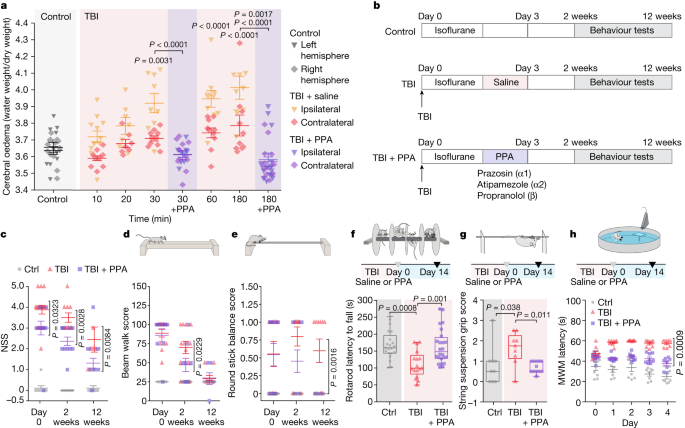
A study has found that enhancing glymphatic drainage, the brain's waste clearance system, can reduce post-traumatic cerebral edema, a major complication of traumatic brain injury. The researchers discovered that norepinephrine, a neurotransmitter involved in the body's stress response, plays a crucial role in regulating glymphatic function. By blocking the lymphatic vessels or inhibiting norepinephrine release, they observed an increase in brain edema. Conversely, stimulating norepinephrine release or enhancing glymphatic drainage through pharmacological interventions reduced cerebral edema. These findings suggest that targeting the glymphatic system and norepinephrine signaling could be a potential therapeutic strategy for minimizing brain edema following traumatic brain injury.