The internet is saturated with advice on 'nervous system resets,' including cold plunges and acupressure mats, to combat 'dysregulation.' However, experts argue that the nervous system does not need a reset but rather increased flexibility to handle stress effectively.
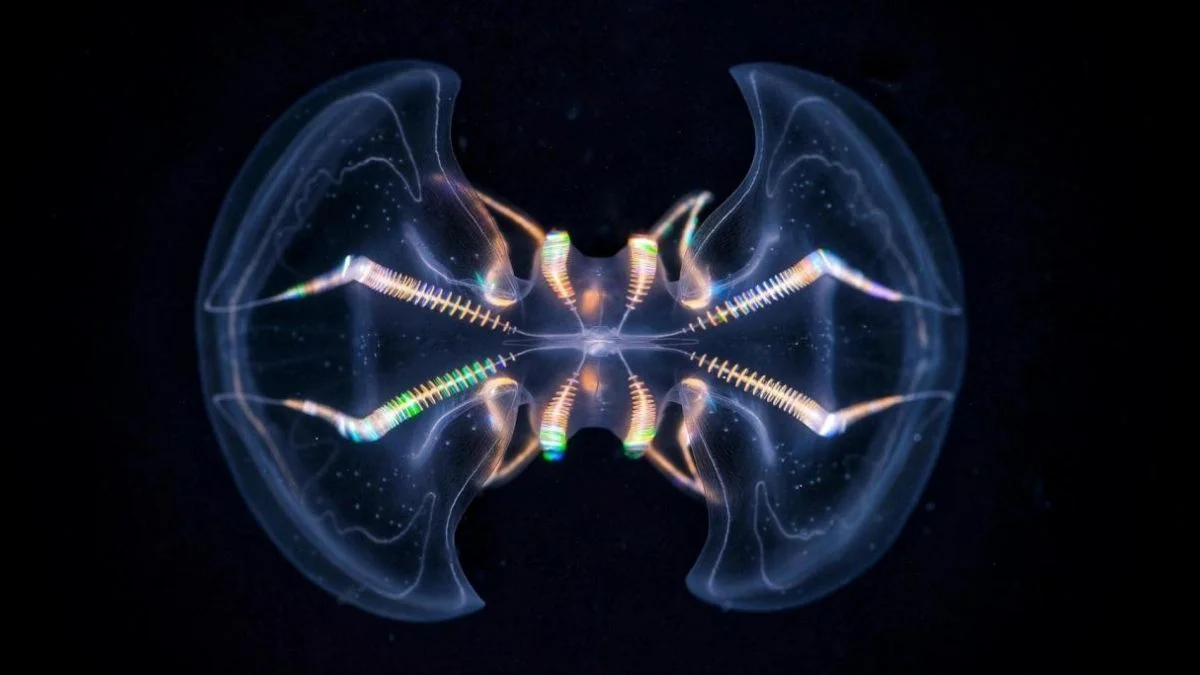
Quanta Magazine reports that comb jellies (ctenophores) are reshaping our understanding of early animal evolution: new studies suggest the earliest nervous systems may have existed in these creatures, with a nerve net lacking synapses, and that nervous systems may have evolved twice. Their genomes reveal unusual regulatory loops, and their bioluminescence and cell diversity offer clues to how complex life arose and adapted, challenging long-held assumptions about the animal family tree.
Experts say that a 10-minute drawing activates the brain’s reward system and calms the nervous system, making quick sketching a practical, accessible form of stress relief that’s trending in art therapy and on social media.
A rising number of young women report persistent fatigue that sleep can't fix—a low‑grade energy drain characterized by brain fog, reduced stamina, and poor recovery. Experts say it's less about workload than deregulation of the nervous system, hormones, and inflammation, worsened by chronic stress from hybrid work and constant digital signals. The takeaway: establish steady sleep routines, regular meals with enough protein and fiber, and limit decision fatigue; seek medical evaluation if fatigue impairs daily life, as tests for iron, thyroid, vitamin D/B12, and metabolic health may be needed. Encouragingly, workplaces are setting clearer boundaries and researchers are delving into women’s health to recalibrate biology instead of simply asking for more resilience.
A nutritionist argues that gut health starts with regulating the nervous system rather than relying on probiotics, explaining that chronic stress and a dysregulated nervous system disrupt digestion via the gut–brain axis and the vagus nerve. She suggests switching to a parasympathetic “rest and digest” state and using techniques like diaphragmatic breathing, eating in a relaxed environment, getting 7–9 hours of sleep, and regular exercise to improve digestion and reduce inflammation. Probiotics and supplements can help, but may not suffice if stress remains high; persistent issues should be evaluated by a healthcare professional.
Yoga with Adriene’s 10-minute routine is presented as a nervous-system reset by targeting the autonomic nervous system—helping move the body from a stressed state to a calmer baseline through gentle movement, controlled breathing, and body awareness. The routine requires no equipment and can be done seated, lying down, or from a chair, making it accessible; it may particularly benefit those who are chronically stressed, though it’s not a cure, just a tool to support regular stress regulation.
Volume electron microscopy reveals that the comb jelly’s aboral organ is a complex, brain-like center: about 900 cells in 17 types (11 new), with a dense nerve net converging on a central node and evidence of volume transmission—pushing back the origin of centralized nervous systems and showing they evolved in diverse forms long ago.
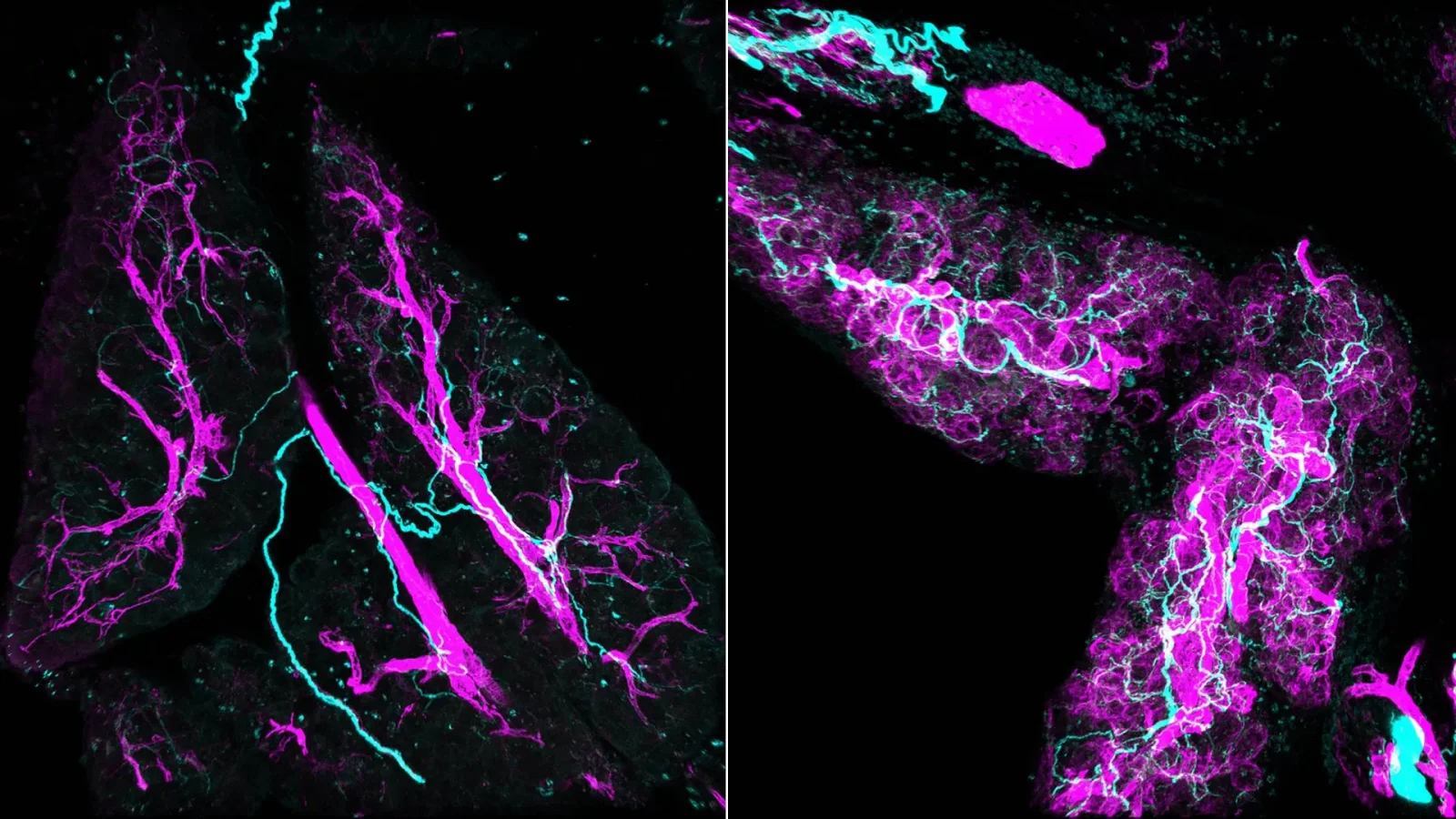
Researchers at Cold Spring Harbor Laboratory uncovered a self-sustaining loop in early pancreatic cancer: myCAFs (fibroblasts) lure sympathetic nerves, whose norepinephrine signals activate the fibroblasts and recruit more nerves, accelerating tumor development. Blocking nerve activity slowed growth by about 50% in mice/human cell experiments, pointing to therapies that disrupt the nerve–fibroblast crosstalk alongside existing cancer treatments.
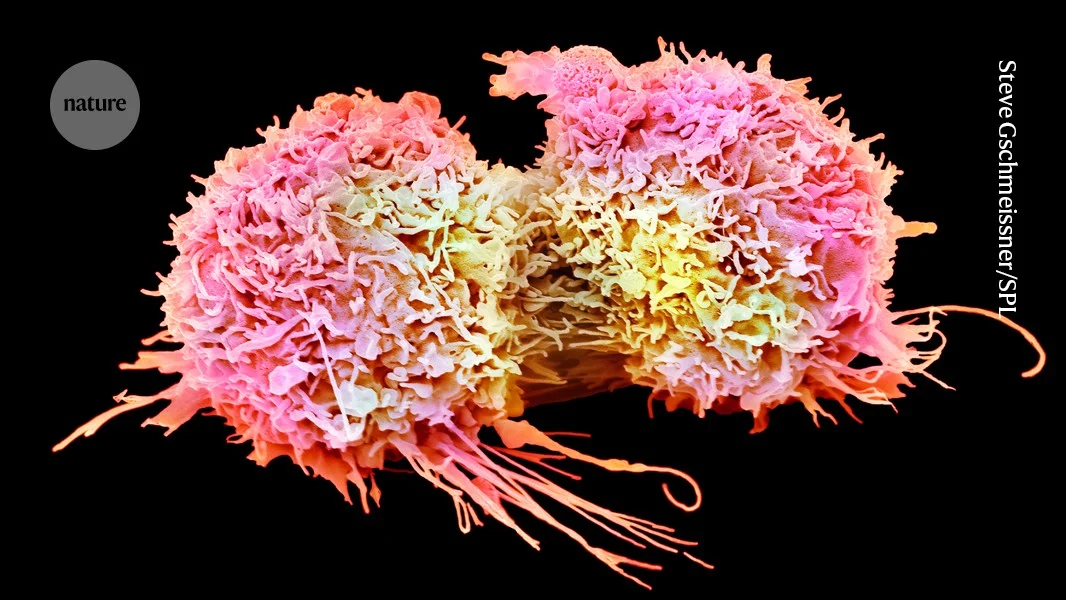
A Nature study in mice shows that lung cancer cells connect with nearby sensory neurons to send a signal to the brain that suppresses tumor-killing immune cells at the tumor site, allowing cancer to grow. Disabling these neurons reduced tumor growth by more than 50%, revealing a tumor-to-brain–immune axis that could be targeted to boost anticancer defenses.
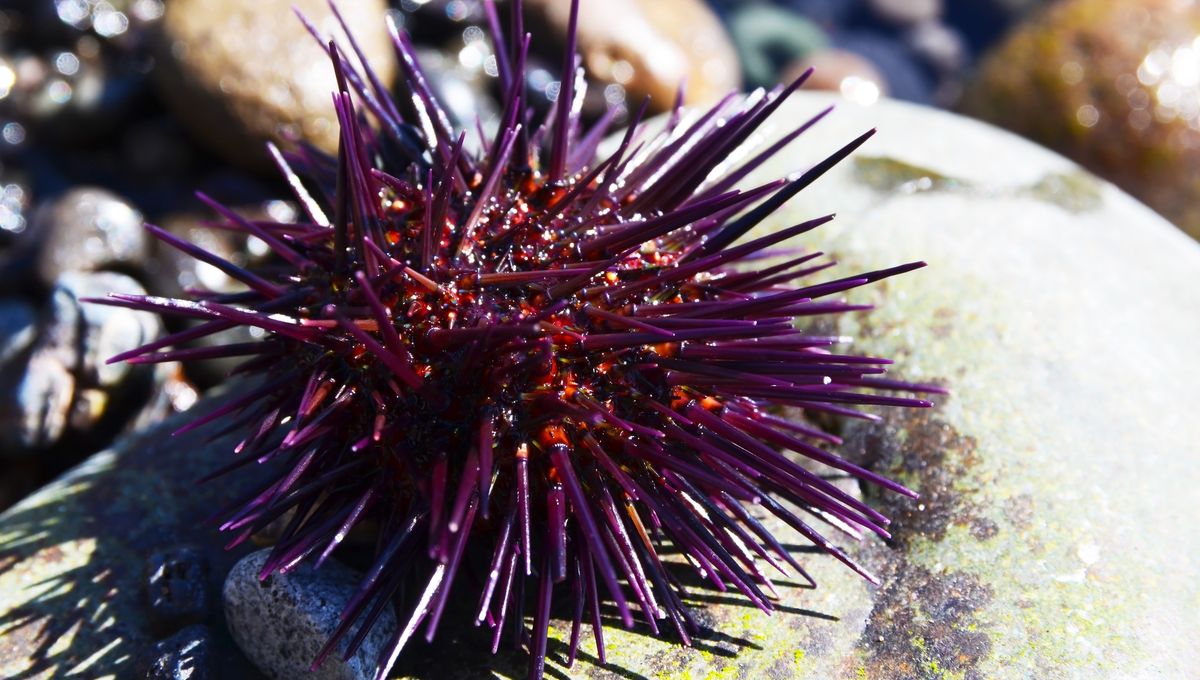
A study reveals that sea urchins possess a complex, brain-like nervous system spread throughout their bodies, including light-sensitive cells, challenging previous notions of their simplicity and offering new insights into nervous system evolution.
Recent research reveals that sea urchins possess a complex, integrated nervous system resembling an 'all-body brain,' challenging previous beliefs that echinoderms lack centralized brains and prompting a reevaluation of animal intelligence and nervous system evolution.
Engaging in simple hobbies like gardening, journaling, yoga, knitting, walking in nature, painting, playing music, cooking, and meditation can significantly soothe the nervous system and reduce stress, offering natural and accessible ways to improve mental well-being.
A new study suggests that Tylenol's active byproduct, AM404, may block pain signals at the nerve level by inhibiting sodium channels, challenging previous beliefs about its mechanism and opening avenues for safer painkillers, though further research in humans is needed.
A study shows that finger wrinkles caused by water are consistent and follow blood vessel patterns, suggesting they are unique and stable over time, potentially useful for biometric identification, and are controlled by the nervous system rather than passive water absorption.
New research from Karolinska Institutet and Columbia University reveals that the heart has its own complex nervous system, or "mini-brain," capable of independently regulating the heartbeat. This discovery, made through studies on zebrafish, challenges traditional views and could lead to new treatments for heart diseases like arrhythmias. The study highlights the heart's neural network's complexity and its potential interaction with the brain during stress or disease, offering new therapeutic targets.