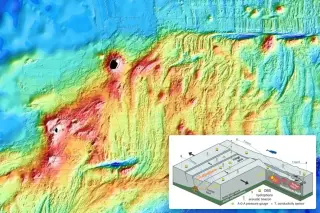
Scientists using an undersea observatory at the Southeast Indian Ridge captured a rare, real-time birth of new seafloor during a 2024 tectonic event, revealing seafloor spreading can occur in dramatic bursts rather than steadily and opening new avenues for marine geophysics.
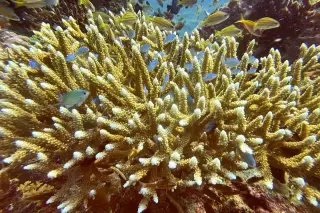
A new study maps coral reefs and identifies about 64,000 square miles that appear capable of withstanding warming oceans, highlighting priority areas for targeted conservation and restoration to protect biodiversity and livelihoods as climate change progresses.
Researchers at Dartmouth College have developed a method to enhance the ocean's natural carbon sequestration process by using clay dust to convert carbon into food for zooplankton. This process accelerates the biological pump, as zooplankton consume the clay-carbon flocs and excrete them at lower ocean depths, effectively storing carbon for millennia. The technique, which could capture up to 50% of carbon released by dying phytoplankton, is set to be field-tested off Southern California's coast.
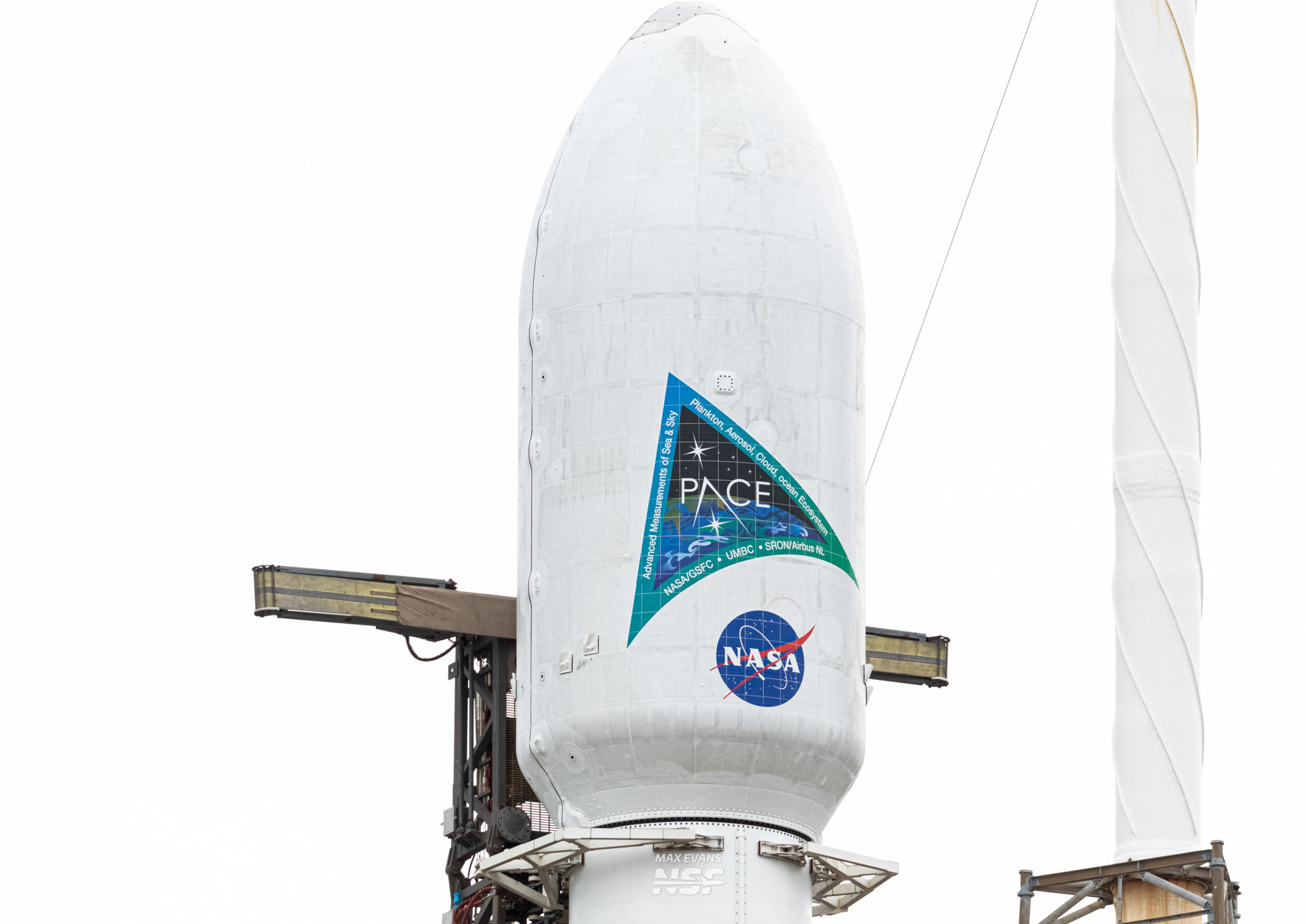
SpaceX is preparing to launch the PACE ocean science satellite for NASA aboard a Falcon 9 rocket in a rare polar corridor launch from Florida. The satellite is equipped with instruments to measure ocean color, aerosols, and clouds, providing valuable data on the marine ecosystem and atmosphere. The launch, originally scheduled for Feb. 6, was delayed due to weather conditions and is now set for Feb. 7. If successful, PACE could offer extended missions after its primary three-year mission. This launch marks SpaceX's 11th mission of the year and is part of their ambitious goal to conduct up to 120 Falcon missions in 2023.
A Secchi disk, a simple 19th-century tool historically called a "dinner plate" by sailors, is still useful in monitoring phytoplankton abundance in the open ocean. A research team compared the performance of Secchi disks with modern methods and found that Secchi disks performed almost as well as satellites and high-performance chromatography. This means that Secchi measurements going back more than a century can help scientists understand long-term changes in the ocean. Secchi disks are still used all around the world to monitor ocean biomass and water quality, and the findings support their continued use.