Tag

Pd 1

All articles tagged with #pd 1

Diet–Gut Allies Amplify Cancer Immunotherapy in Obesity
science1 month ago

Diet–Gut Allies Amplify Cancer Immunotherapy in Obesity

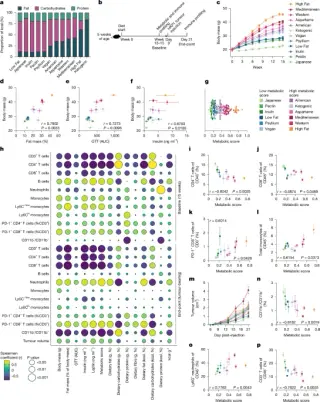
A Nature study shows that obesity-related immunotherapy responses are driven by the diet–gut microbiome axis rather than metabolic dysfunction alone. Using 12 mouse diet models, researchers found obesogenic diets foster a stable gut microbiota that can restore anti-PD-1 sensitivity after short diet changes or fecal microbiota transplantation from non-responders. Monocolonization with beneficial bacteria like Lactobacillus johnsonii, paired with an obesogenic diet, enhanced tumor regression via microbiota-derived aromatic amino acid metabolites. In human-to-mouse FMT, high-BMI donors boosted ICI efficacy versus normal-BMI donors, and an obesogenic diet could restore sensitivity after FMT from a non-responder. The work suggests diet–microbiome synergy could be leveraged to improve ICI outcomes and guide FMT-based strategies.

A Bold Immunotherapy Bet That Reshaped Cancer Care
business1 month ago

A Bold Immunotherapy Bet That Reshaped Cancer Care

Dr. Israel Lowy, who helped pioneer cancer immunotherapy starting with AIDS work, led early anti-PD-1/PD-L1 and anti-CTLA-4 trials and played a key role in the development of blockbuster therapies like Keytruda and Opdivo. Despite skepticism and recent trial setbacks, he emphasizes ongoing exploration of the tumor microenvironment and strategic biotech deals (e.g., Regeneron–CytomX, Parabilis) to combine immune and targeted therapies, reflecting a long‑term shift in biotech innovation and cancer care.

Healthy-donor fecal transplants boost frontline immunotherapy responses in NSCLC and melanoma
health6 months ago

Healthy-donor fecal transplants boost frontline immunotherapy responses in NSCLC and melanoma

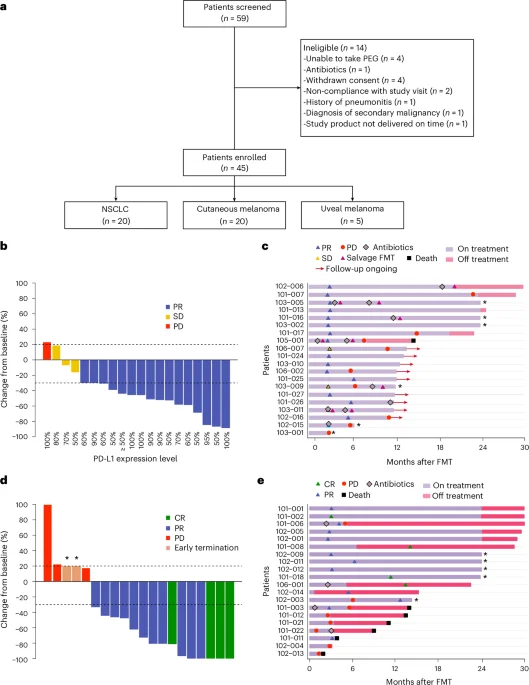
In the phase 2 FMT-LUMINate trial, healthy-donor fecal microbiota transplantation given before first-line anti-PD-1 therapy in NSCLC and anti-PD-1 plus anti-CTLA-4 in melanoma yielded high objective response rates (80% in NSCLC; 75% in melanoma) and was deemed safe overall, with no grade 3+ adverse events in NSCLC. Post-FMT microbiome shifts correlated with responses, including the loss of certain deleterious bacteria (e.g., Enterocloster and Clostridium species). Donor source did not predict efficacy, suggesting that remodeling the gut microbiome—specifically eliminating harmful taxa—drives the benefit. Preclinical mouse data supported this mechanism, showing that reintroducing the lost taxa abrogated the anti-tumor effects of immunotherapy. These findings support FMT as a strategy to overcome resistance to checkpoint inhibitors in NSCLC and melanoma.

PD-1 preserves skin cancer immunity in CD8 T cells.
medical-research3 years ago

PD-1 preserves skin cancer immunity in CD8 T cells.

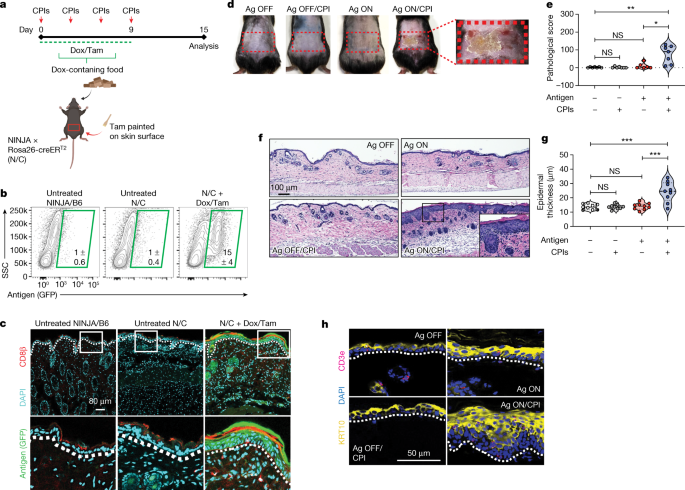
A mouse model was developed to study the role of PD-1 in maintaining peripheral tolerance towards skin-specific antigens. PD-1 prevented tissue-infiltrating antigen-specific effector CD8 T cells from acquiring a pathogenic differentiation state, secreting effector molecules, and gaining access to epidermal antigen-expressing cells. In the absence of PD-1, epidermal antigen-expressing cells were eliminated by antigen-specific CD8 T cells, resulting in local pathology. The study supports a model of peripheral T cell tolerance in which PD-1 allows antigen-specific effector CD8 T cells to co-exist with antigen-expressing cells in tissues without immunopathology.