Tag

Phthalates

All articles tagged with #phthalates

Hidden Toxins Lurk in Most Personal Care Products, Study Finds
health12 days ago

Hidden Toxins Lurk in Most Personal Care Products, Study Finds

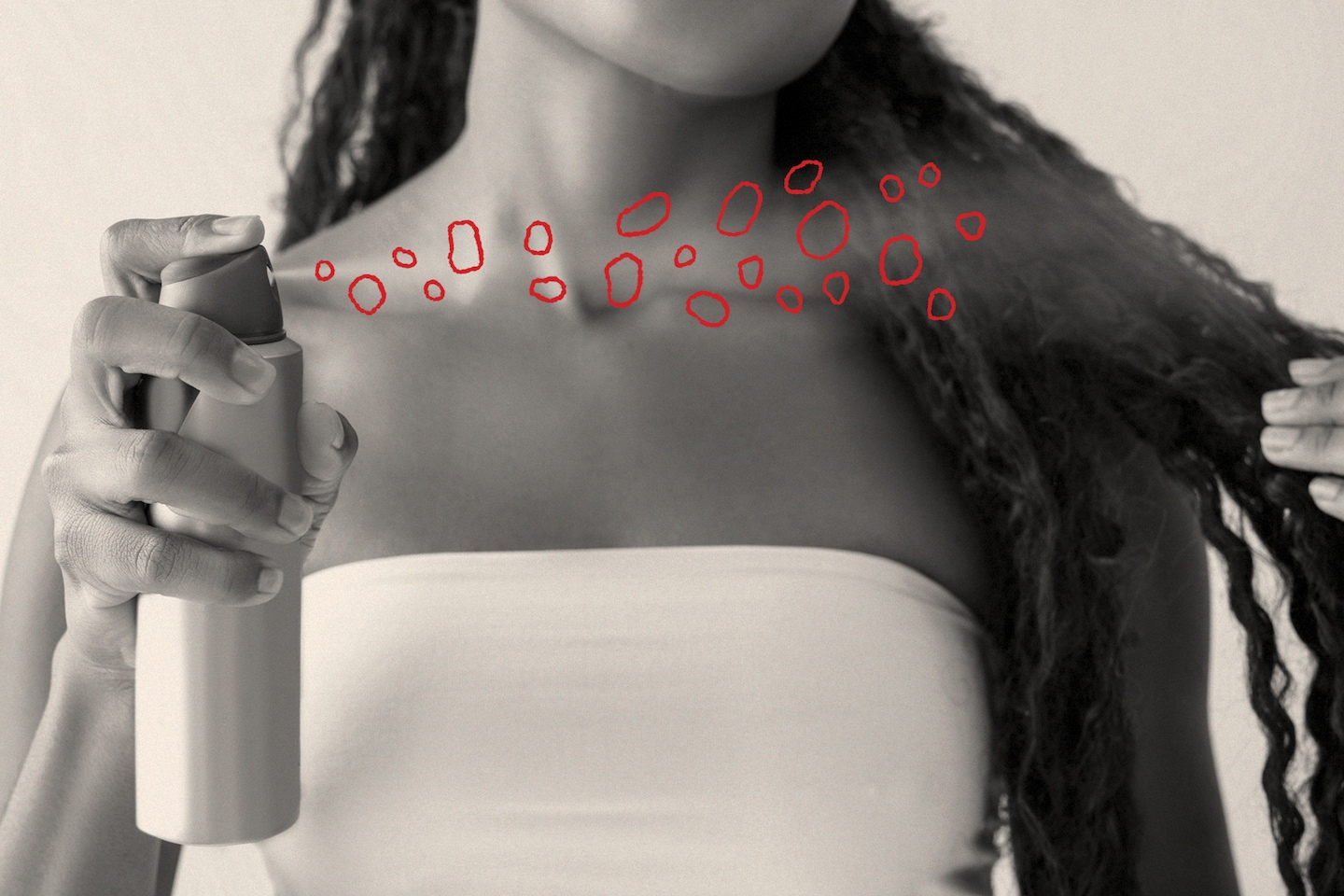
A peer‑reviewed study tested 113 consumer personal care products from major retailers and found unlabeled toxic chemicals in about 85% of them, including phthalates, parabens, PFAS and formaldehyde; 26% of products labeled as 'eco','green' or 'natural' contained at least one dangerous compound, and many items carried multiple undisclosed ingredients. Using non-targeted chemical analysis cross-checked against EPA data, researchers identified 303 chemicals and highlighted fragrance as a common source of undisclosed chemicals. The findings prompt questions about labeling, oversight, and the need for mandatory testing, while offering consumer tips to reduce exposure (avoid fragrance, prefer less plastic packaging, and consult resources like the EWG Skin Deep database). Million Marker plans to fund more testing.

Dryer sheets and cancer risk: no direct link, but fragrance emissions may matter
health1 month ago

Dryer sheets and cancer risk: no direct link, but fragrance emissions may matter

Dryer sheets and fabric softeners aren’t shown to directly cause cancer, but they can release volatile organic compounds from fragranced products (like acetaldehyde and benzene), and ingredients such as phthalates may disrupt hormones. Risk depends on exposure level and duration, so experts recommend minimizing fragrance exposure when possible.

Vitamin D Supplements Expose Contaminants in Independent Lab Study
health2 months ago

Vitamin D Supplements Expose Contaminants in Independent Lab Study

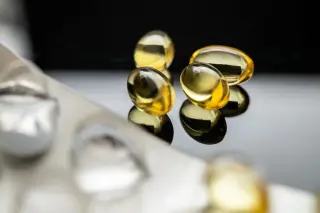
Mamavation (in partnership with Environmental Health News) tested 11 popular Vitamin D supplements (mostly D3 with K2) in EPA-certified labs for PFAS, glyphosate, 500+ pesticides, phthalates, and heavy metals. Findings showed every product contained ortho-phthalates; no samples exceeded California Prop 65 limits for heavy metals, though 9 of 11 had detectable metals and 1 had none. 64% had other pesticides, and 9% contained specific PFAS; anthraquinone appeared in several brands around 10 ppb. One extreme outlier was dominated by DINP contamination. The report suggests contamination can enter at multiple points in the supply chain (capsules, fillers, packaging) and emphasizes the value of separate analyses of capsules versus fill materials. Results underscore that even expensive supplements can carry measurable contaminants, highlighting the importance of independent testing and transparent sourcing for consumers.

Toxins Detected in Widely Used Headphones Raise Health Concerns
technology6 months ago

Toxins Detected in Widely Used Headphones Raise Health Concerns

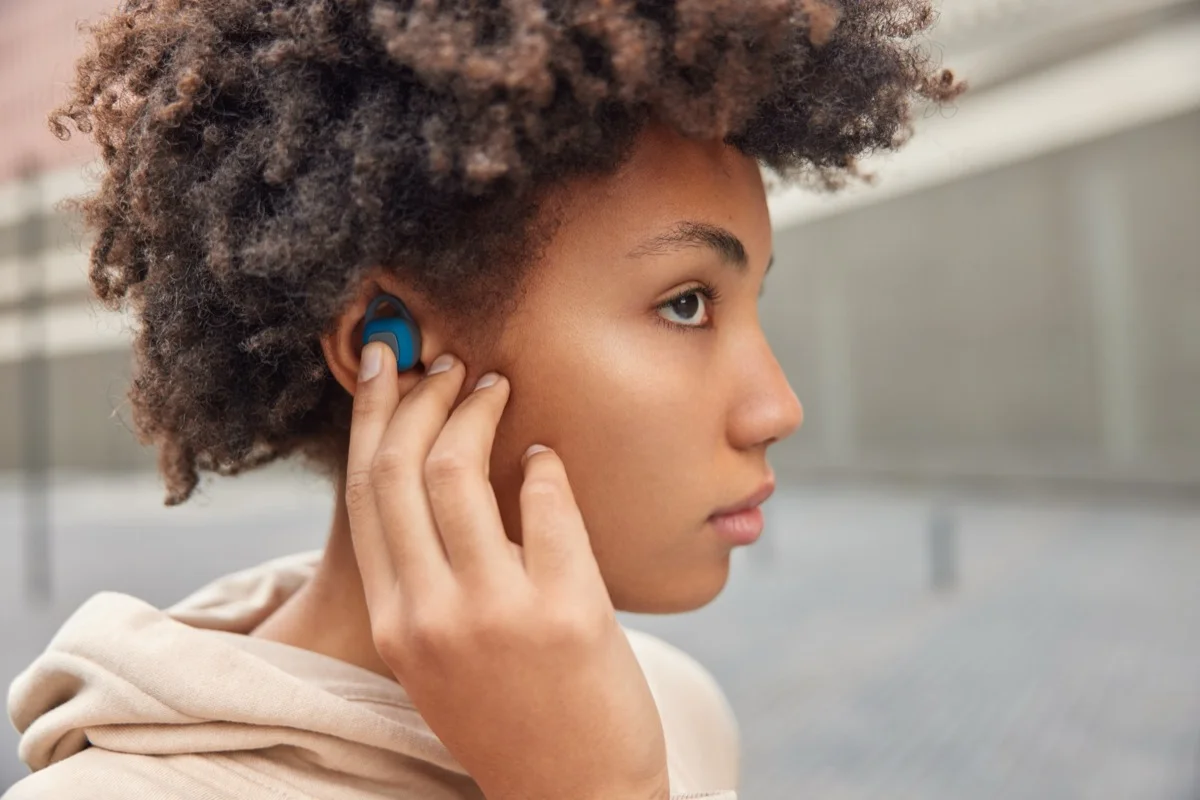
A TOX-Free Project study tested 81 headphones and earbuds from brands including Bose, Samsung, and Sennheiser, finding bisphenol A in 98% of samples and bisphenol S in over 75%, along with phthalates and other flame retardants. These chemicals are linked to cancer, neurodevelopmental problems, and hormone disruption; long-term exposure—especially with sweat during use—may pose health risks. The research notes no immediate danger but highlights potential long-term concerns, and mentions Apple has regulated chemicals on its list. The project aims to improve detection of chemicals in consumer products using nanotechnology.

health-and-medicine6 months ago

Cancer-Linked Chemicals Found in Nearly All Tested Headphones

A European study tested 81 headphones and found BPA in 98% of samples and its substitute BPS in more than three-quarters, with these chemicals migrating into wearers through skin contact—especially with in-ear models—raising concerns about long‑term risks like endocrine disruption, feminization, early puberty, cancer and organ damage. Regulators and manufacturers are urged to demand safer materials and transparency, with TOX-Free LIFE for All pushing bans; Bose and Panasonic were contacted for comment.

Most headphones harbor hazardous chemicals that can migrate into the body
technology6 months ago

Most headphones harbor hazardous chemicals that can migrate into the body

A European study found BPA in 98% of tested headphones and its BPA substitute BPS in more than 75%, along with phthalates and other flame retardants; researchers warn these chemicals can migrate from headphone materials into sweat and be absorbed through the skin, potentially causing endocrine disruption and long‑term health risks, with no brand proven completely safe.

Hazardous Chemicals Detected in Every Headphone Sample
health6 months ago

Hazardous Chemicals Detected in Every Headphone Sample

A study by the ToxFREE LIFE for All project tested 81 headphones (in-ear and over-ear) and found hazardous substances in every pair, with BPA detected in 98% of samples and other toxins like phthalates, chlorinated paraffins, and brominated flame retardants across brands from Bose to Shein/Temu; researchers warn these chemicals can migrate into the body, especially with heat and sweat accelerating skin exposure.

health-and-consumer-safety10 months ago

Warning: 60 Millions de consommateurs identifies four olive oils to avoid

France's 60 Millions de consommateurs tested 24 popular extra-virgin olive oils and found some samples contaminated with plasticizers and mineral oils, linked to packaging and processing. Four brands showed elevated levels of harmful phthalates, prompting advice to consumers to choose oils in glass or metal containers, check harvest dates, and store in cool, dark places to reduce exposure. The findings highlight the importance of packaging, storage, and purchasing habits in minimizing chemical intake from olive oil.

Experts Warn of Health Risks from Hidden Chemicals in Perfumes
health1 year ago

Experts Warn of Health Risks from Hidden Chemicals in Perfumes

Scientists warn about the health risks of phthalates, chemicals used in perfumes and other self-care products to prolong scent. Phthalates are known endocrine disruptors linked to developmental issues in children and cardiovascular disease in adults. Despite being banned in children's toys, they remain prevalent in many consumer products. Experts recommend avoiding added fragrances and opting for phthalate-free alternatives to reduce exposure. While some argue the data on human harm is insufficient, animal studies suggest significant risks, prompting calls for more cautious consumer choices.

health1 year ago

The Hidden Dangers of Everyday Fragrances

Research is raising concerns about phthalates, chemicals found in many personal care products like perfumes and nail polishes, due to their potential health risks, including insulin resistance and impaired neurodevelopment. Experts recommend reducing exposure to these endocrine-disrupting chemicals (EDCs) by using phthalate-free products and minimizing processed food consumption. While critics argue the data isn't conclusive, studies in animals suggest EDCs can cause significant health issues, potentially affecting future generations.

"General Mills Urged to Eliminate Toxic Chemicals from Food Products"
consumer-safety2 years ago

"General Mills Urged to Eliminate Toxic Chemicals from Food Products"

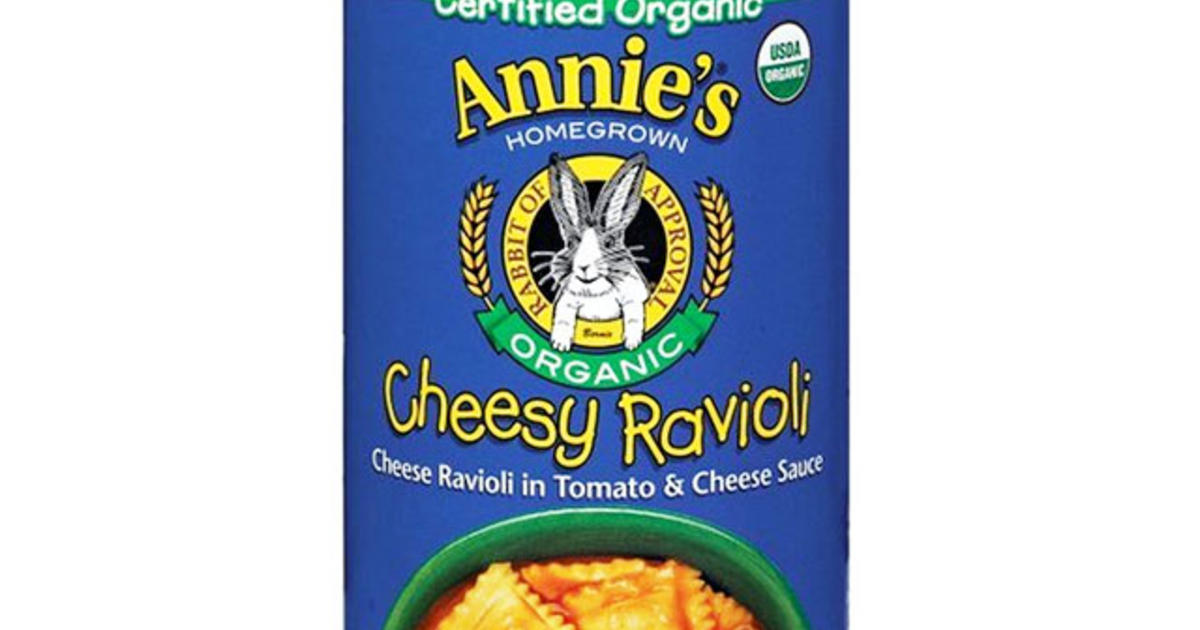
Consumer Reports has delivered a petition with over 30,000 signatures to General Mills, urging the company to eliminate plastic chemicals, specifically phthalates, from its food products. Tests revealed concerning levels of these chemicals in various General Mills brands, including Annie's, Yoplait, Cheerios, Green Giant, and Progresso. Phthalates, used to make plastics flexible, have been linked to serious health risks. General Mills asserts that their products meet regulatory standards and that they regularly review their ingredients and suppliers.

"Link Between Plastics on Everyday Products and Rise in Premature Births Revealed in Study"
health2 years ago

"Link Between Plastics on Everyday Products and Rise in Premature Births Revealed in Study"

A new study suggests that synthetic chemicals called phthalates, commonly found in everyday products like vinyl flooring, furniture, personal care items, and food packaging, may be contributing to an increase in premature births in the United States. The study, published in Lancet Planetary Health, found that nearly 57,000 preterm births in 2018 could potentially be linked to phthalates, which are known to act as hormone disruptors and impact the placenta during pregnancy. The American Chemistry Council, representing the plastics industry, has disputed the study's claims, stating that the association does not establish a causal relationship.