Tag

Physiological Response

All articles tagged with #physiological response

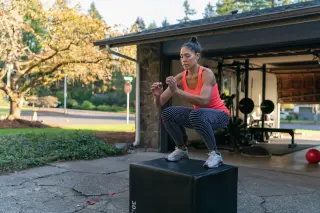
Brief Bursts of High-Intensity Exercise May Outperform Long, Moderate Workouts
health-and-fitness2 months ago

Brief Bursts of High-Intensity Exercise May Outperform Long, Moderate Workouts

A new study indicates that three minutes of intense exercise may produce greater physiological benefits than 90 minutes of moderate activity. Researchers found that short, high-intensity bursts significantly increased health-associated molecules in the blood, suggesting that workout intensity may be more critical for certain health outcomes than duration.

Brief Breathing Techniques Prevent Physiological Stress Spikes During High-Pressure Tasks
health-and-wellness3 months ago

Brief Breathing Techniques Prevent Physiological Stress Spikes During High-Pressure Tasks

A study published in Comprehensive Psychoneuroendocrinology found that short breathing exercises, specifically box breathing and prolonged exhalation, effectively prevented spikes in heart rate and anxiety during a simulated public speaking test. Researchers at Texas State University and the University of Toronto Mississauga tested these techniques on 66 university students, finding that while the stressor increased physiological markers in a control group, the breathing interventions blunted these responses. Although the exercises did not improve cognitive performance, they offer a practical, low-cost method for managing acute stress in high-pressure professions.

Scientists Explore the Phenomenon of Exercise-Induced Orgasms
health-and-science1 year ago

Scientists Explore the Phenomenon of Exercise-Induced Orgasms

A series of studies, including surveys and interviews, explore the phenomenon of exercise-induced orgasms in women, revealing that about 9% have experienced this at least once, often during abdominal exercises or weightlifting, with sensations starting in childhood and sometimes linked to later sexual experiences. The research aims to understand the physiological mechanisms behind these responses and their integration into sexual life, highlighting complex emotional reactions and potential for empowering experiences, while noting the need for further diverse and physiological studies.