Tag

Human Anatomy

All articles tagged with #human anatomy

BuzzFeed Compiles 19 Historical and Biological Medical Facts Ranging from Mites to Medical Errors
health1 day ago

BuzzFeed Compiles 19 Historical and Biological Medical Facts Ranging from Mites to Medical Errors

BuzzFeed published a listicle detailing 19 medical facts, ranging from the presence of Demodex mites on human faces to historical practices like milk transfusions and tobacco enemas. The article highlights both biological realities, such as the ratio of bacteria to human cells, and historical medical errors, including the 2006 case of Sherman Sizemore, who underwent surgery without anesthesia. It also notes the legacy of Dr. Marion Sims and the use of morphine in infant remedies.


Microbiologist Explains How Sulfur Compounds Create the Distinct Odors of Human Flatulence
science15 days ago

Microbiologist Explains How Sulfur Compounds Create the Distinct Odors of Human Flatulence

A microbiologist explains that the offensive smell of flatulence is caused by trace sulfur-containing gases produced by gut bacteria, not the primary odorless gases like nitrogen or methane. While a healthy person passes gas 14 to 20 times daily, the odor intensity depends on dietary intake of sulfur-rich foods and the specific microbial activity in the gut. Although the smell is often unpleasant, the ability to detect these compounds is an evolutionary adaptation that helps humans identify potentially dangerous environments or pathogens.

New Study Maps Nonlinear Aging Across 40 Human Tissues
science2 months ago

New Study Maps Nonlinear Aging Across 40 Human Tissues

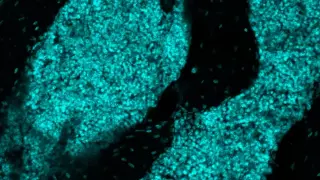
A new study published in Nature Aging reveals that human organs age on distinct, non-linear schedules rather than a single uniform timeline. Using a computational tool called PathStAR, researchers analyzed over 25,000 post-mortem tissue samples to identify periods of accelerated structural change. The findings indicate that arteries age rapidly in the 30s, while reproductive organs change significantly around menopause. Most tissues exhibit a 'biphasic' pattern with two bursts of aging, coordinated by hormonal signals.

Skull Bone Marry Hosts Hidden Immune Organs to Fight Brain Cancer
science3 months ago

Skull Bone Marry Hosts Hidden Immune Organs to Fight Brain Cancer

Researchers at Washington University in St. Louis have identified a previously unknown immune organ within the skull bone marrow. Published in Nature, the study reveals that these structures act as localized 'security stations' for the central nervous system, distinct from the body's peripheral immune system. By tracking molecules through channels in the dura mater, scientists found germinal centers in mouse skulls that train B cells to fight brain-specific threats. In glioma models, enhancing these structures improved survival rates, suggesting a potential future therapy for brain tumors and other neurological conditions.

Microscopic View Reveals Liver Vein Packed with Red Blood Cells
science3 months ago

Microscopic View Reveals Liver Vein Packed with Red Blood Cells

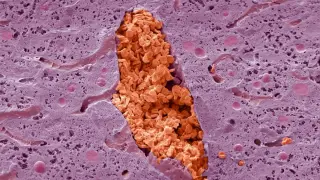
A weekly science quiz from ScienceAlert presents a microscopic image that resembles geological rock but is actually a cross-section of a human liver vein. The reddish-orange channel is filled with red blood cells, while the surrounding pink tissue consists of hepatocytes. The image was captured using a scanning electron microscope and colorized to distinguish structures.

New Model Links Human Vision and Sleep Cycles to a 600-Million-Year-Old 'Cyclops' Ancestor
science3 months ago

New Model Links Human Vision and Sleep Cycles to a 600-Million-Year-Old 'Cyclops' Ancestor

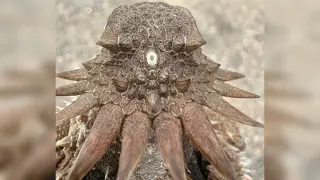
A new evolutionary model published in Current Biology proposes that the paired retinas of vertebrates, including humans, evolved from a single, central light-sensing organ in a worm-like ancestor living approximately 600 million years ago. This 'median eye' likely persisted as the pineal gland, which today regulates sleep cycles, while its lateral components were repurposed to form modern eyes. The theory explains why vertebrate retinas contain mixed cell lineages and develop from brain tissue, distinguishing them from invertebrate eyes.

Unraveling the Mystery: Scientists Explain Why Humans Lack Tails
science2 years ago

Unraveling the Mystery: Scientists Explain Why Humans Lack Tails

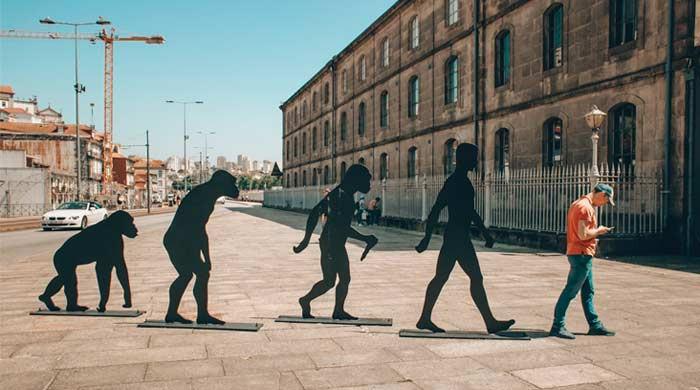
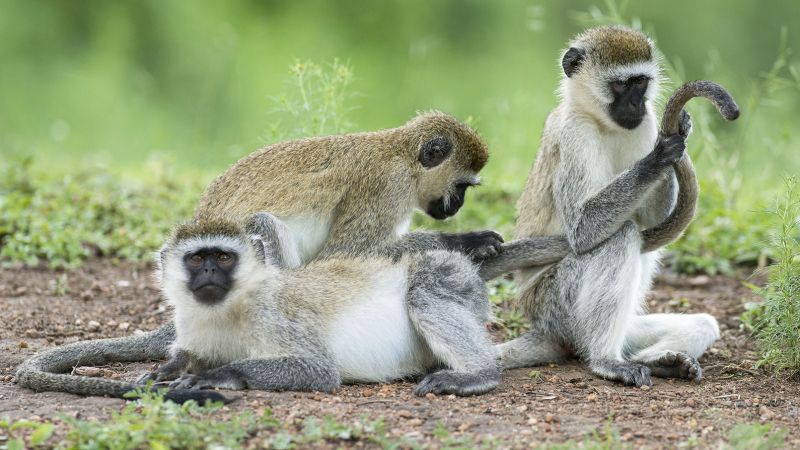
Scientists have discovered that humans lost their tails approximately 25 million years ago due to a genetic divergence from old world monkeys, as a result of transitioning to bipedalism. The study, published in Nature, identified a genetic connection between human tail loss and a type of birth defect, pointing to changes in DNA, particularly the Alu element. While the research explains how tail loss occurred, it does not address why humans lost their tails in the first place.

Uncovering the Mystery of Human Taillessness: Surprising Insights from Unlikely Sources
science2 years ago

Uncovering the Mystery of Human Taillessness: Surprising Insights from Unlikely Sources

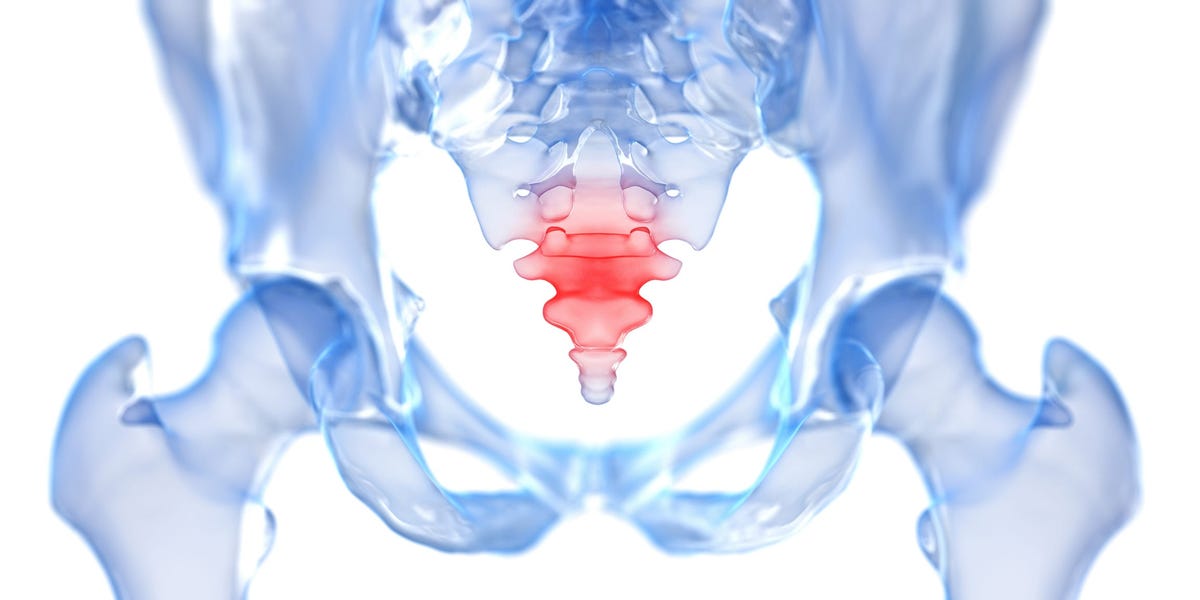
Scientists have discovered that the loss of tails in humans and great apes can be traced back to a genetic sequence called Alu element, previously dismissed as junk DNA, which disrupted the TBXT gene associated with tail length. This finding challenges previous hypotheses and sheds light on the genetic mechanism behind taillessness. The study also suggests implications for understanding neural tube malformations during human fetal development and may provide insights into the evolution of bipedalism. While the "why" of tail loss remains an open question, the research highlights the significance of genetic factors in shaping human anatomy and evolution.

"The Genetic Mutation That Led to Human Tail Loss 25 Million Years Ago"
science2 years ago

"The Genetic Mutation That Led to Human Tail Loss 25 Million Years Ago"

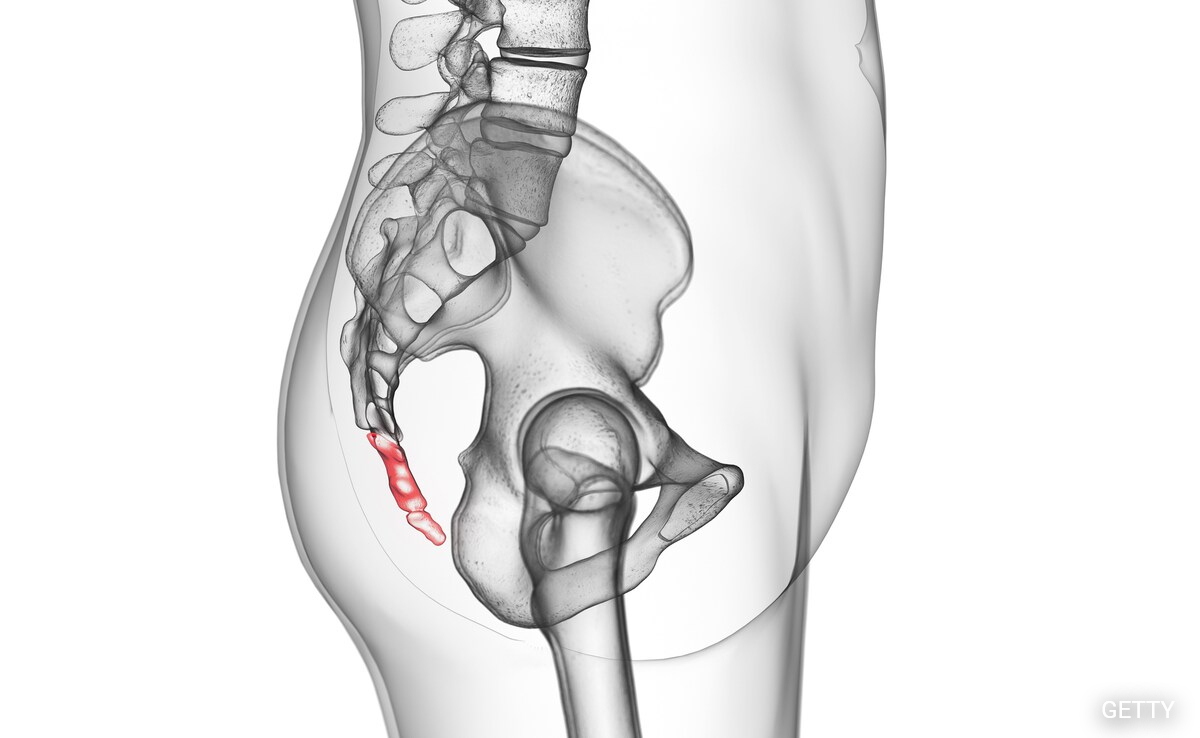
A new study suggests that a single genetic tweak 25 million years ago caused humans to lose their tails, allowing for upright walking but also leading to birth defects like spina bifida. The tweak involved the insertion of Alu elements near the TBXT gene, preventing tail growth. While the loss of the tail may have provided evolutionary advantages, it also resulted in neural tube defects. The study sheds light on the genetic basis of tail loss in humans and its potential consequences.

The Evolutionary Mystery of Human Tail Loss Unraveled
science2 years ago

The Evolutionary Mystery of Human Tail Loss Unraveled

Scientists have discovered that humans lost their tails about 25 million years ago due to the insertion of a genetic code "snippet" known as AluY, which affected the gene TBXT involved in tail length. This finding, published in Nature, sheds light on the evolutionary process and was tested using mice, showing that offspring had shorter or missing tails. The study also suggests a potential link between tail loss and an increase in neural tube defects, contributing to diseases like spina bifida in humans.

"The Evolutionary Mystery of Human Gills"
science2 years ago

"The Evolutionary Mystery of Human Gills"

Humans don't have gills because they evolved from fish with lungs, which allowed them to survive on land. Gills need to stay wet to work, making them inefficient for land animals. Early lungs in fish allowed them to gulp air above the surface to supplement oxygen intake. Human embryos have pharyngeal arches resembling gills, which develop into parts of the jaw, throat, and ears. These arches are present in all creatures with heads and are a remnant of early gills.

"Muscle Matters: Unveiling the Body's Largest and Smallest Muscles"
science-and-health3 years ago

"Muscle Matters: Unveiling the Body's Largest and Smallest Muscles"

The gluteus maximus is the largest muscle in the body by mass, accounting for about 12% to 13% of the total weight of all leg muscles. It is responsible for extending the thigh at the hip joint and is critical for activities like walking up stairs and running. On the other hand, the latissimus dorsi, commonly known as the "lats," is the largest muscle in terms of surface area. It measures about 7 inches in width and 14 inches in length. In contrast, the stapedius muscle, measuring only 0.2 inches in length, is the smallest skeletal muscle in the human body and plays a crucial role in dampening sound vibrations in the middle ear.

"The Surprising Influence of Downclimbing on Human Anatomy"
science3 years ago

"The Surprising Influence of Downclimbing on Human Anatomy"

Researchers from Dartmouth propose that the ability of humans to freely move their shoulders and elbows originated as a natural braking system for primate ancestors descending from trees, a behavior known as "downclimbing." Through an analysis of climbing techniques and limb structures in chimps and mangabeys, they found that the unique limb flexibility in apes and early humans allowed them to descend safely, which eventually facilitated evolutionary advancements in tool use and hunting techniques. The study highlights the significance of downclimbing in the evolution of apes and early humans and sheds light on the role of limb mobility in human anatomy.

The Art of Aging: From Hunting and Gathering to Cooking.
science3 years ago

The Art of Aging: From Hunting and Gathering to Cooking.

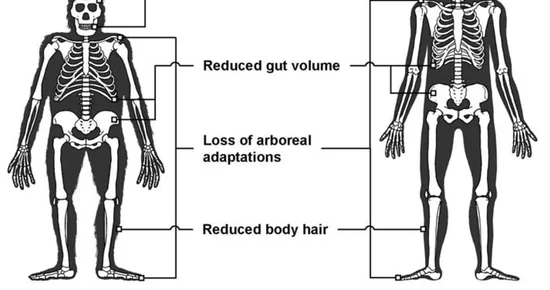
The invention of cooking, not baskets, may have led to the evolution of modern human anatomy from Australopithecus to Homo erectus. Cooked meat is easier to digest and provides more energy than raw meat, which may have allowed for more efficient foraging and hunting. Sharing cooked meat around a fire may have led to the development of social structures and gender roles, with men hunting and women gathering. The oldest evidence for hearths is only about 250,000 years old, so the exact timeline of these developments is still speculative.