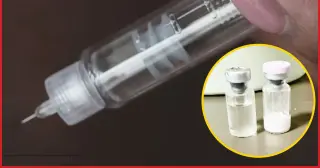
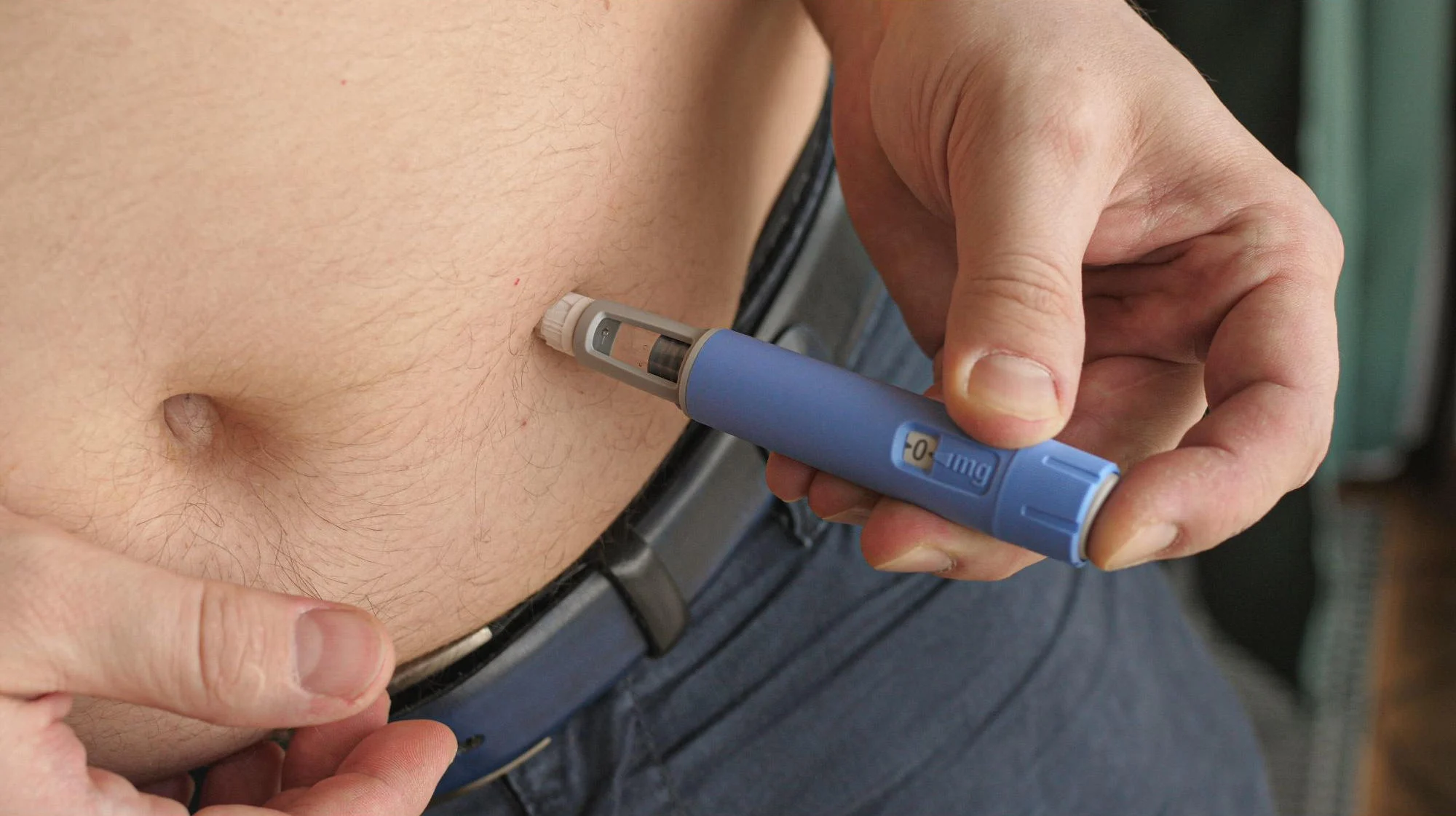
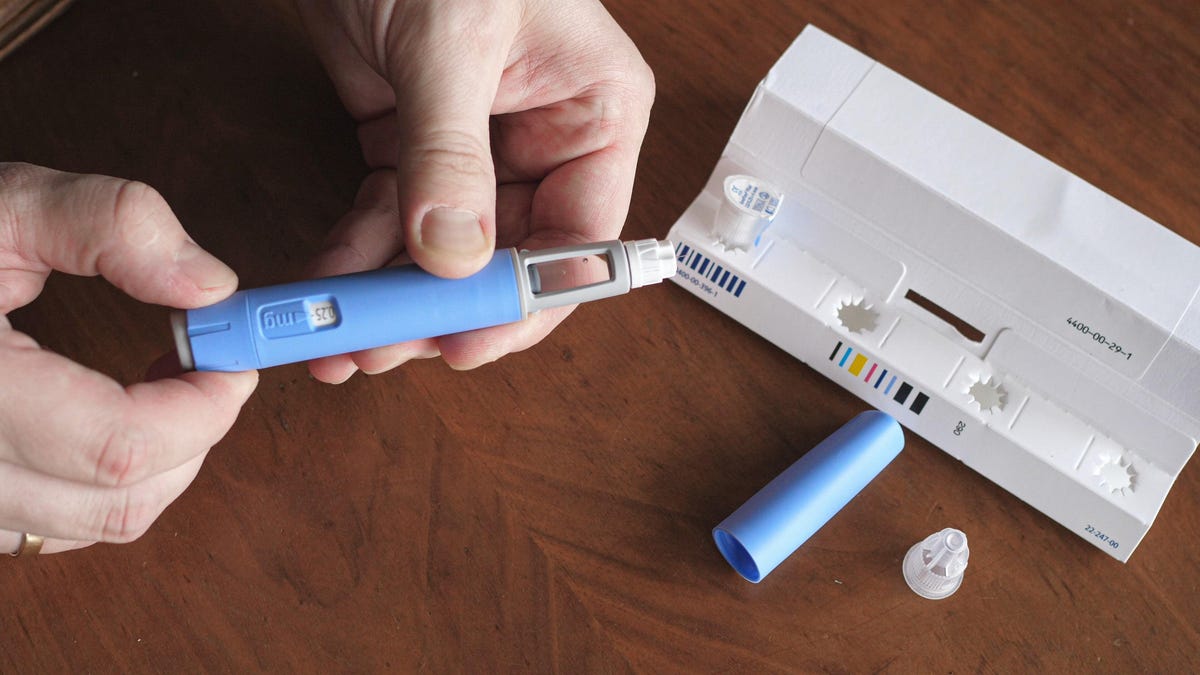
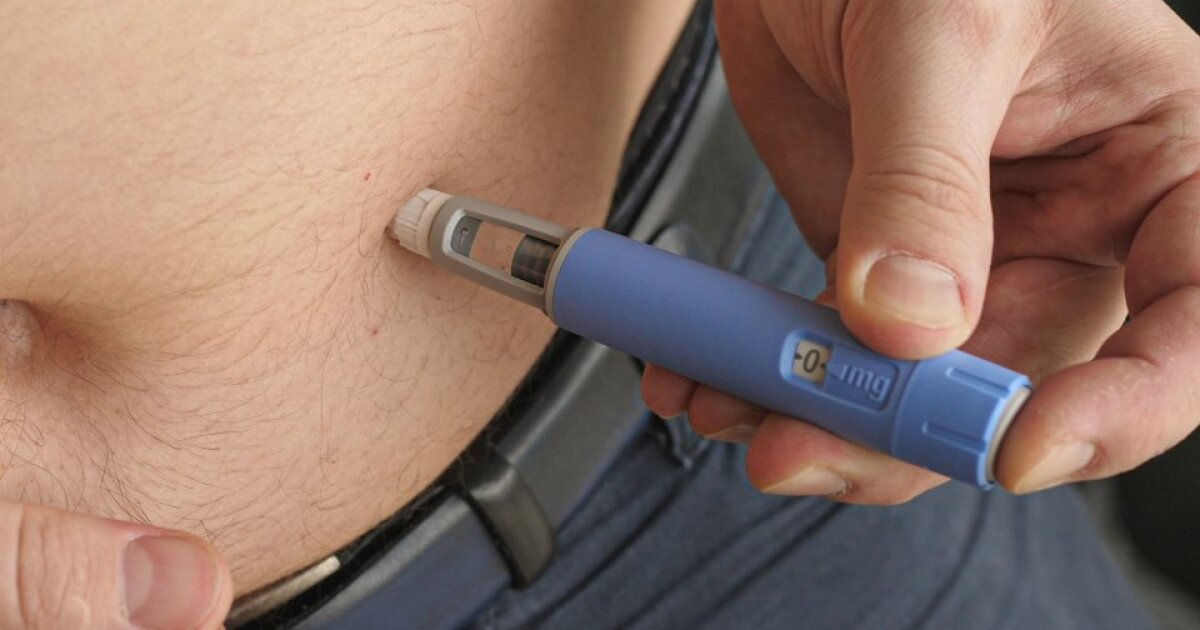
Surging demand for GLP-1 weight-loss drugs is causing a spike in poison center calls and emergency room visits due to dosing errors. Consumers are increasingly turning to unapproved 'gray market' alternatives to save money, leading to dangerous complications from improper mixing and measurement.
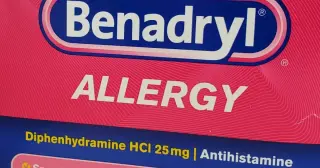
Georgia’s poison center reports a sharp rise in diphenhydramine (Benadryl) overdoses among teens, with 278 cases year-to-date in 2026 versus 170 in 2025 (63% higher). Nationwide calls for 13- to 19-year-olds have doubled in early 2026. Experts link the trend to social media hype about using the drug to get high, warning of severe risks including seizures, abnormal heart function, coma, and death. Parents are urged to monitor social media and talk to children about the dangers of OTC medications, especially Benadryl.
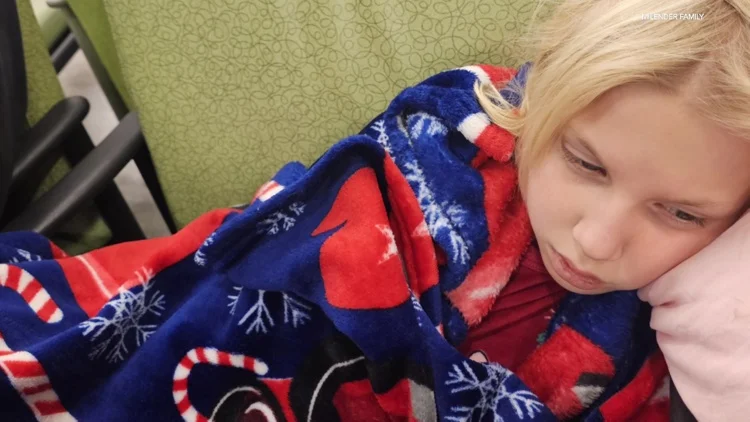
A California family’s 7-year-old daughter overdosed on her mother’s GLP-1 medication (tirzepatide/Mounjaro), causing severe vomiting and dehydration but a full recovery; the incident mirrors a nationwide surge in GLP-1 overdose and side-effect calls to poison centers as prescriptions rise, with most cases due to accidental dosing errors. Experts urge careful reading of instructions, pharmacist demonstrations on proper dosing, use of lockboxes for meds, and obtaining medications from reputable sources to keep them away from children.
A study reports a more than threefold increase in self-harming behaviors among children aged 6 to 12, often using household items like medications and vitamins, with a significant rise in cases suspected of suicidal intent, highlighting the need for better parental supervision, safe medication storage, and mental health screening.
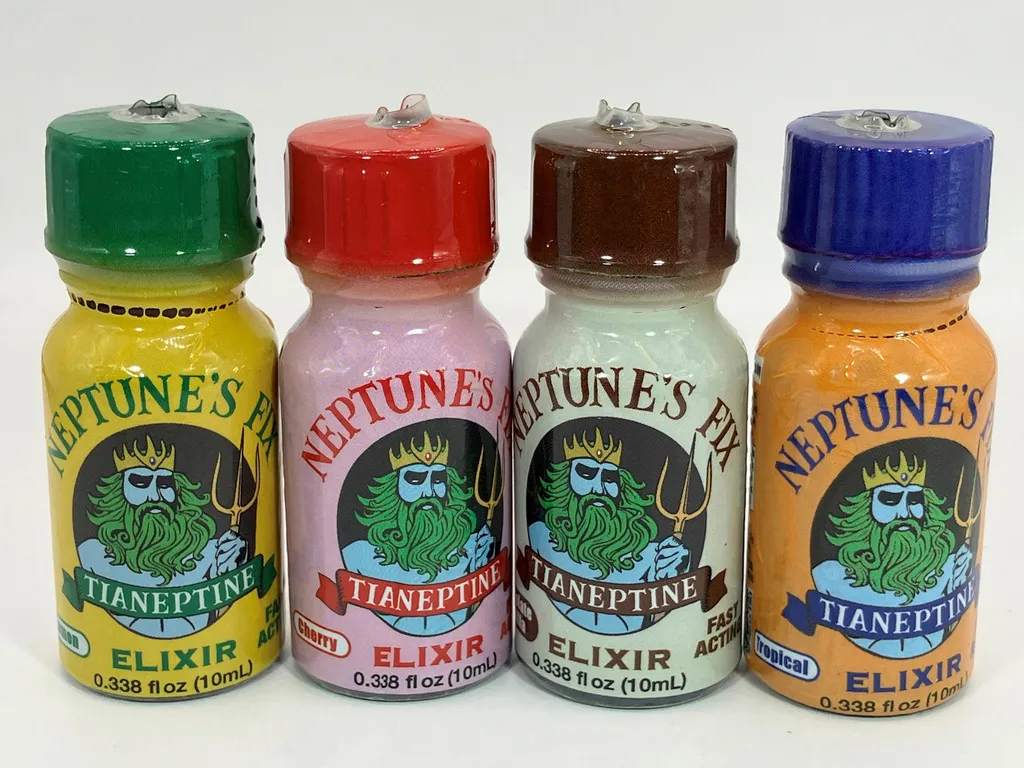
The article discusses the dangers of tianeptine, often sold as 'gas station heroin,' a substance unapproved by the FDA that can be addictive and cause serious health risks. Despite being illegal to sell as a supplement in the U.S., it is widely available in various products, leading to a rise in poison control calls and health emergencies. Some states have enacted laws to restrict its use, which has helped reduce related incidents.
Health experts warn about 'gas station heroin,' brightly colored bottles sold at gas stations containing tianeptine, an unapproved and potentially addictive drug that can cause serious side effects, with emergency calls related to its use rising significantly in the U.S.
Dr. Meghan Martin, a Florida-based pediatrician, warns parents about 'granny's purse syndrome' during the holiday season, where children accidentally ingest unsecured medications from grandparents' purses. She highlights that 20% of child poisonings involve such incidents, emphasizing the importance of securing medications in child-resistant containers and avoiding taking them in front of children. Dr. Martin advises calling 911 or Poison Control if ingestion occurs, urging families to ensure a safe holiday environment.
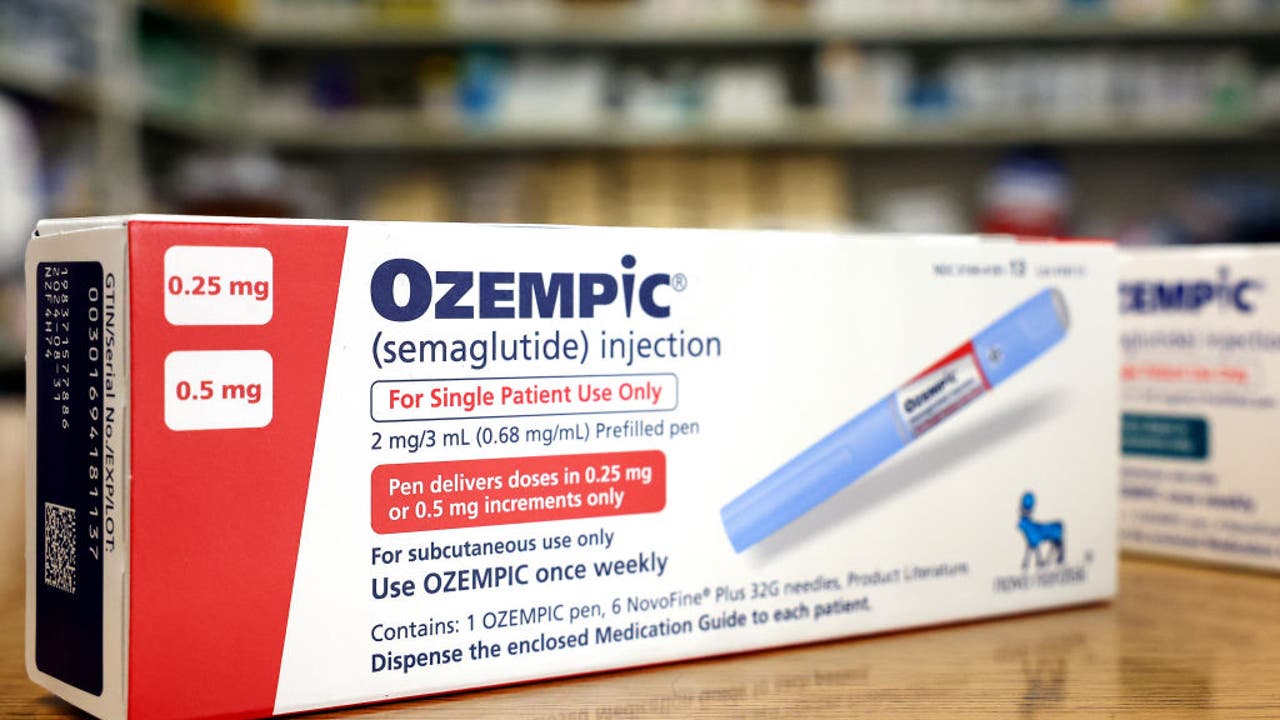
Poison control centers have reported an increase in cases of people taking too much Ozempic, a diabetes medication also used for weight loss. While overdosing is technically possible, it's unlikely with proper use. Errors can occur when patients attempt to "microdose" higher prescriptions to save costs or use compounded versions of the drug. Overdosing can lead to side effects like nausea, vomiting, and low blood sugar. Patients are advised to follow their doctor's instructions carefully and consult them if unsure about dosing.
Poison Control Centers are warning about rising semaglutide overdoses and misuse due to the popularity of weight loss drugs Ozempic and Wegovy. Dr. Joseph Lambson discusses the risks associated with compounded semaglutide and non-prescription purchases on the podcast "It’s (Probably) Not Rocket Science," highlighting the dangers of incorrect dosing and buying semaglutide online or at spas.
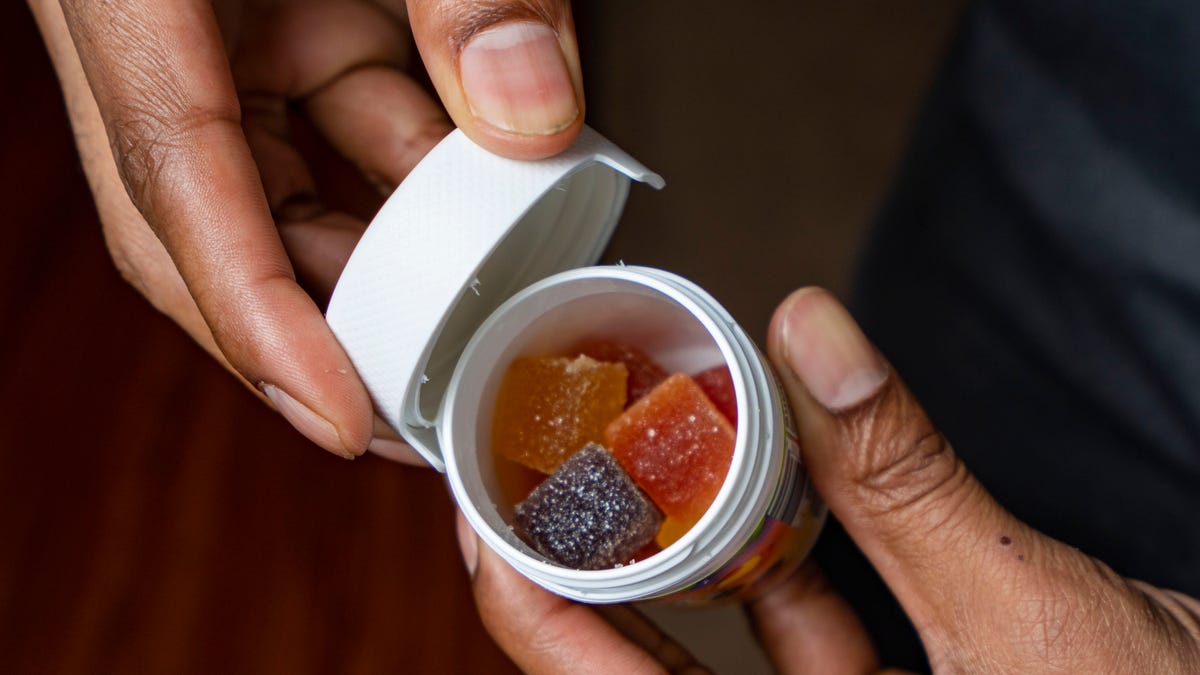
The popularity of delta-8 and other hemp products is soaring in states where marijuana remains illegal, leading to a surge in reports of adverse reactions and poison control calls. Concerns are raised about the lack of regulation, potential contamination, and inconsistent potency of these products. Some users report uncomfortable highs, panic attacks, and hospitalization, while children are at risk of accidental ingestion due to packaging resembling candy. The FDA's limited oversight and varying state regulations contribute to the confusion and potential dangers associated with these products, prompting calls for a new regulatory regime and increased consumer awareness.
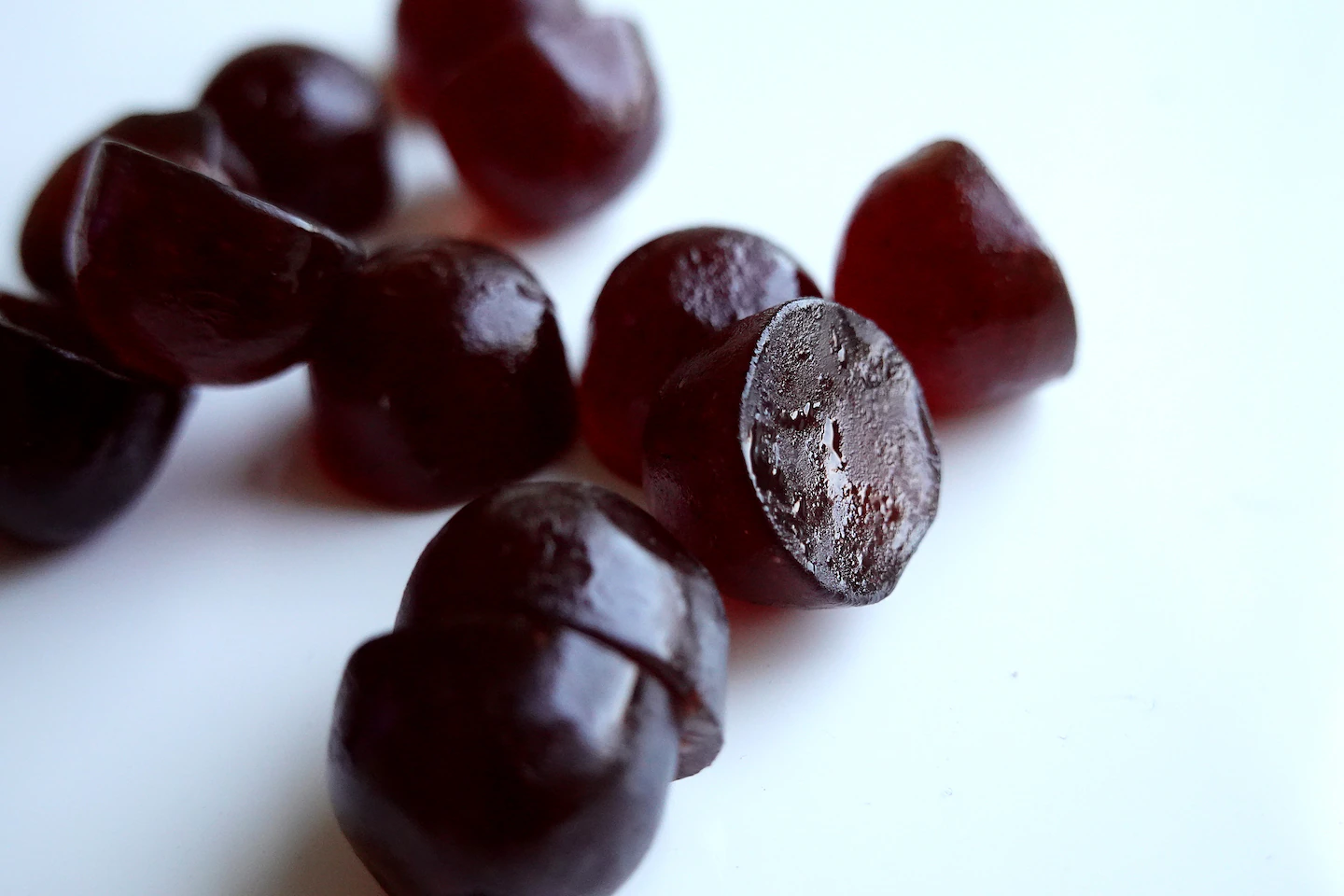
The CDC reported a significant increase in pediatric melatonin exposures, with a 530% rise in poison center calls and a 420% increase in ER visits between 2012 and 2021. The rise in melatonin use among adults coincided with this trend, and flavored formulations like gummies and chewable tablets are particularly attractive and accessible to children. While most exposures do not require hospitalization, there are concerns about the lack of regulation in supplement packaging and potential long-term effects on children's health. Poison control officials are advocating for better packaging to prevent these exposures.
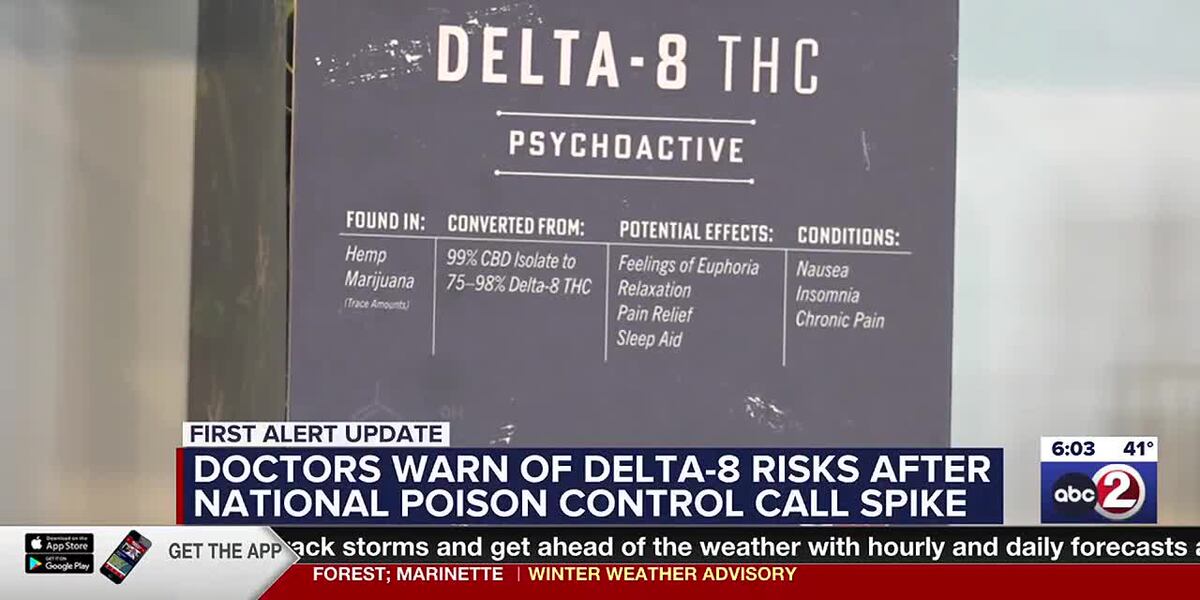
Health experts are warning about the risks of delta-8 products after a significant increase in calls to poison control centers, particularly related to children accidentally ingesting the substance. The lack of FDA regulation means consumers may unknowingly purchase products containing delta-8, which can lead to serious health issues, especially when combined with heat. Experts advise keeping these products out of reach of children and urge caution when purchasing items labeled as CBD or hemp.
Poison control centers in the United States have seen a significant increase in calls related to potential overdoses of semaglutide, the active ingredient in weight loss drugs Ozempic and Wegovy. The rise in calls may be linked to compounded versions of the drug, which are not tested for safety and can vary in dosage. Compounded semaglutide is often cheaper than the approved versions, but it poses risks of dosing errors and potential side effects such as vomiting, dizziness, and seizures. Authorities have warned against using compounded semaglutide and have taken legal action against distributors. Anyone experiencing an overdose should contact their local poison control center or the national hotline.
Calls reporting misuse and overdose of the popular drug Ozempic have increased by 1500% compared to previous years, with the majority of calls related to dosing issues. Originally designed to treat diabetes, Ozempic is often self-injected monthly, and taking the wrong dose can lead to various complications, including stomach issues. Symptoms of an Ozempic overdose may include nausea, vomiting, diarrhea, and more. The National Capital Poison Center advises seeking immediate medical attention if confusion occurs after use.
Poison control centers have experienced a 1,500% increase in calls related to accidental overdoses of the injectable weight-loss and diabetes medication, semaglutide. Most callers were between the ages of 40 and 70, and in 94% of cases, semaglutide was the only substance reported. The overdoses were primarily due to dosing errors, with some individuals mistakenly injecting themselves with a month's worth of the drug. Compounded versions of semaglutide, which are not FDA-approved, are also being used, leading to accidental overdoses. Symptoms of an overdose include nausea, vomiting, stomach pain, low blood sugar, lightheadedness, and confusion. There is no antidote for semaglutide overdose, but supportive care can help alleviate symptoms.