Tag

Polystyrene

All articles tagged with #polystyrene

New Study Links Polystyrene Nanoplastics to Colorectal Cancer via Gut Microbiome Disruption
health-and-science9 hours ago

New Study Links Polystyrene Nanoplastics to Colorectal Cancer via Gut Microbiome Disruption

A study published in Molecular Cancer suggests that chronic exposure to polystyrene nanoplastics may promote colorectal cancer by damaging the gut lining and depleting protective bacteria. While the research was conducted on mice, it adds to growing concerns about environmental factors driving rising cancer rates in younger populations.


Mouse Study Links Polystyrene Nanoplastics to Colon Cancer via Gut Microbiome Disruption
health1 day ago

Mouse Study Links Polystyrene Nanoplastics to Colon Cancer via Gut Microbiome Disruption

A new study in Molecular Cancer suggests that polystyrene nanoplastics, common in food packaging, may promote colorectal cancer by damaging gut lining and depleting protective bacteria. While the mouse-based research shows a clear mechanism involving immune suppression, experts caution that the doses used were far higher than human exposure levels.

Chinese Study Links Polystyrene Exposure to Aggressive Colon Tumors in Mice
health2 days ago

Chinese Study Links Polystyrene Exposure to Aggressive Colon Tumors in Mice

A new study from Central South University in China suggests that long-term exposure to polystyrene, the plastic used in Styrofoam, promotes the growth of severe colon tumors in genetically predisposed mice. While the research does not prove direct causation in humans, it adds to growing concerns about microplastics as a risk factor for rising colorectal cancer rates among young adults. Experts suggest these particles may damage the gut’s protective mucus layer, allowing toxins to reach the colon wall.

Deep-sea vents show microplastics infiltration, study finds
environment4 months ago

Deep-sea vents show microplastics infiltration, study finds

A KRIBB–KIOST study found microplastics contaminating over 90% of deep-sea molluscs living on hydrothermal vents deeper than 2,000 metres, with Indian Ocean samples nearly 15 times more polluted than those from the southwestern Pacific; most plastics were polystyrene, suggesting coastal pollution and riverine inputs are delivering microplastics even to Earth's deepest ecosystems and underscoring the need for deep-sea monitoring and conservation policies.

Plastic waste could become a CO2 sponge through amine chemistry
science5 months ago

Plastic waste could become a CO2 sponge through amine chemistry

Aarhus University researchers upcycled discarded polystyrene into a solid amine-based carbon-capture material that works at both smokestack CO2 concentrations and ambient air; a two‑step bromination (gold catalyst) and amination (copper catalyst) builds a tunable porous structure, showing potential to derive carbon-capture materials from waste plastics, though energy use and performance trade-offs remain.

Polystyrene microplastics may clog immune cells, hindering infection defense
health8 months ago

Polystyrene microplastics may clog immune cells, hindering infection defense

A mouse study found that polystyrene microplastics can accumulate in macrophages and disrupt their ability to engulf dead cells and pathogens, impairing infection clearance in the lungs. While microplastics are detected in many tissues, there is not yet clear evidence of direct human health effects; researchers caution about potential links to inflammation and cardiovascular issues and plan further human studies to assess relevance to human health.

Microwaving Cup Noodles Made Safer
food-and-beverage3 years ago

Microwaving Cup Noodles Made Safer

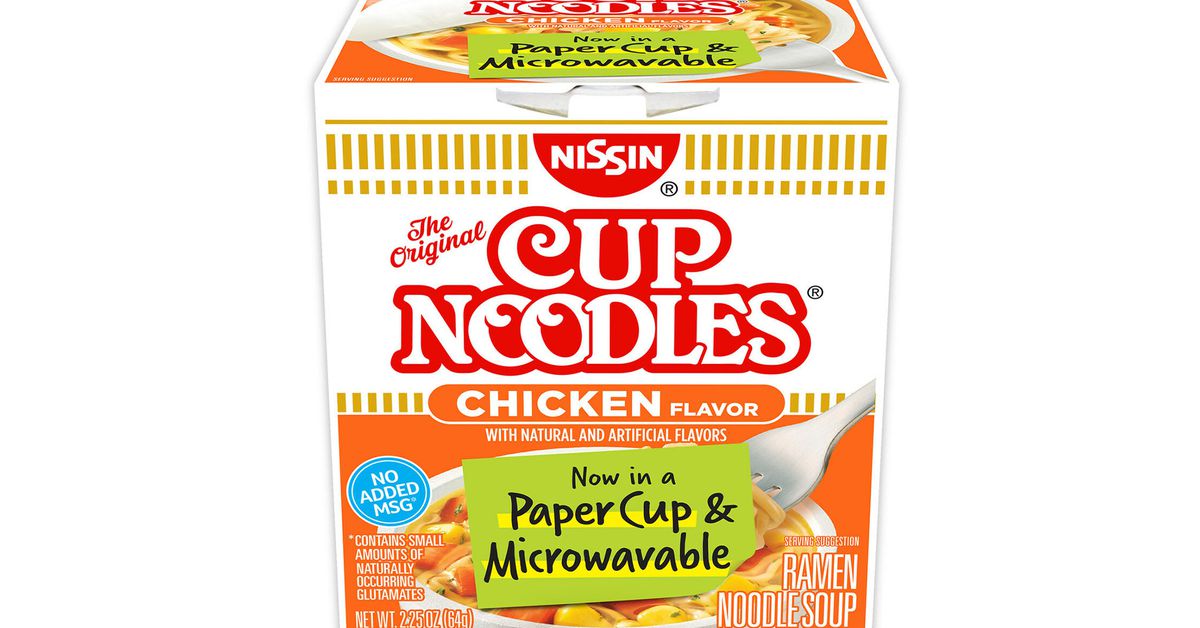
Nissin, the maker of Cup Noodles, has announced that it will be updating the design of its iconic product in 2024, replacing the polystyrene packaging with paper, making it microwaveable. This revelation has caused confusion among consumers who have been microwaving Cup Noodles despite the label clearly stating not to do so. Microwaving polystyrene can release harmful substances into the food, and it can also compromise the structural integrity of the container. The new packaging will be more environmentally friendly, made with recycled fiber and without plastic wraps. Additionally, the new design will eliminate the need for boiling water, reducing the heating time.