Tag

Primate Evolution

All articles tagged with #primate evolution

Cellular Slowdown Explains Why Marmoset Brains Lack Human-Like Wrinkles
science1 month ago

Cellular Slowdown Explains Why Marmoset Brains Lack Human-Like Wrinkles

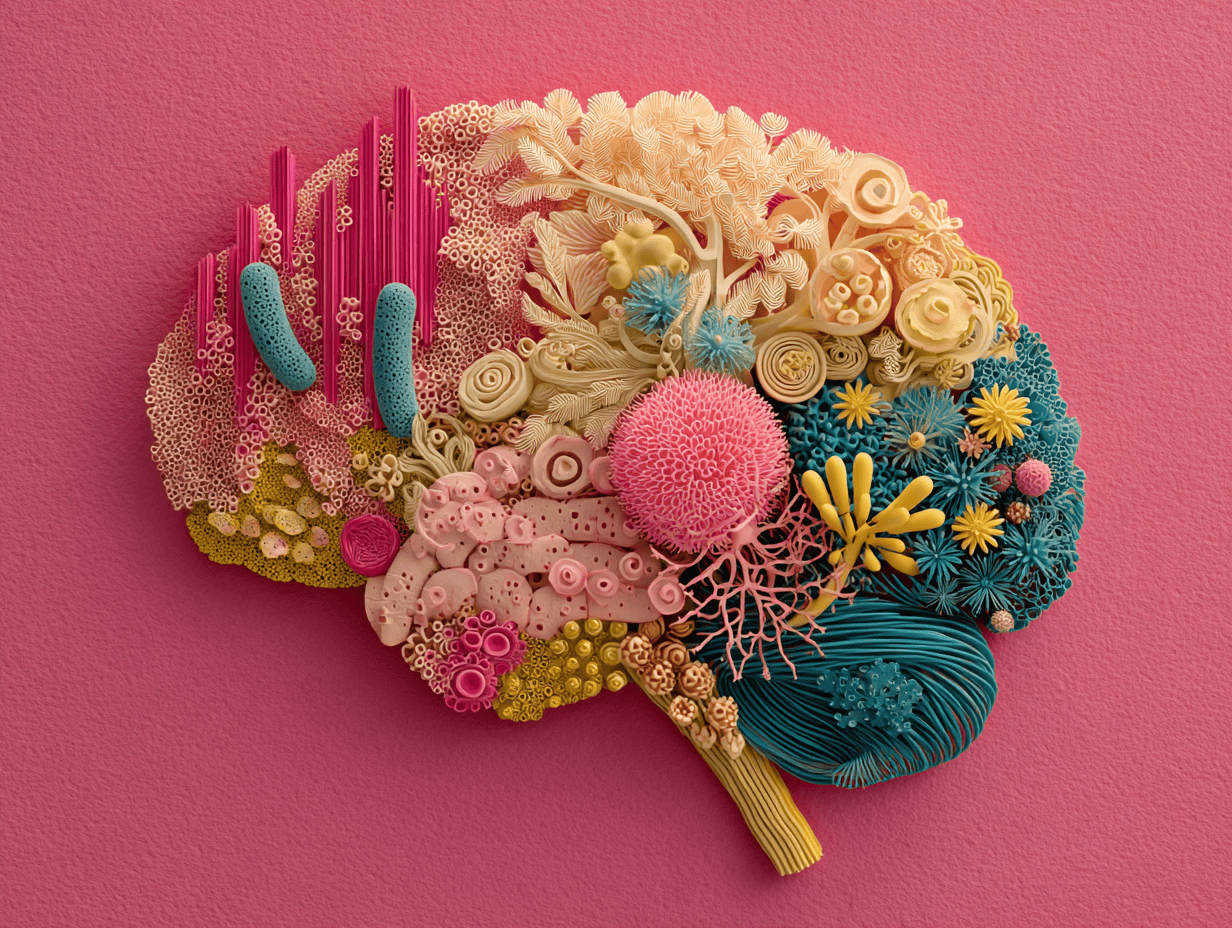
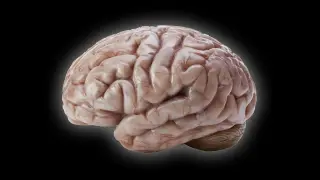
Researchers at the German Primate Center identified why common marmosets have smooth, small brains unlike other primates. By comparing human and marmoset brain organoids, they found that marmoset neural progenitor cells divide more slowly, have simpler structures, and have a shorter window for rapid growth. These combined cellular changes reduce neuron production, limiting brain size and folding. The findings, published in Science Advances, offer new insights into primate brain evolution and potential mechanisms for human brain development disorders.


New Sequencing Reveals Hidden Non-B DNA Structures in Human and Ape Genomes
science3 months ago

New Sequencing Reveals Hidden Non-B DNA Structures in Human and Ape Genomes

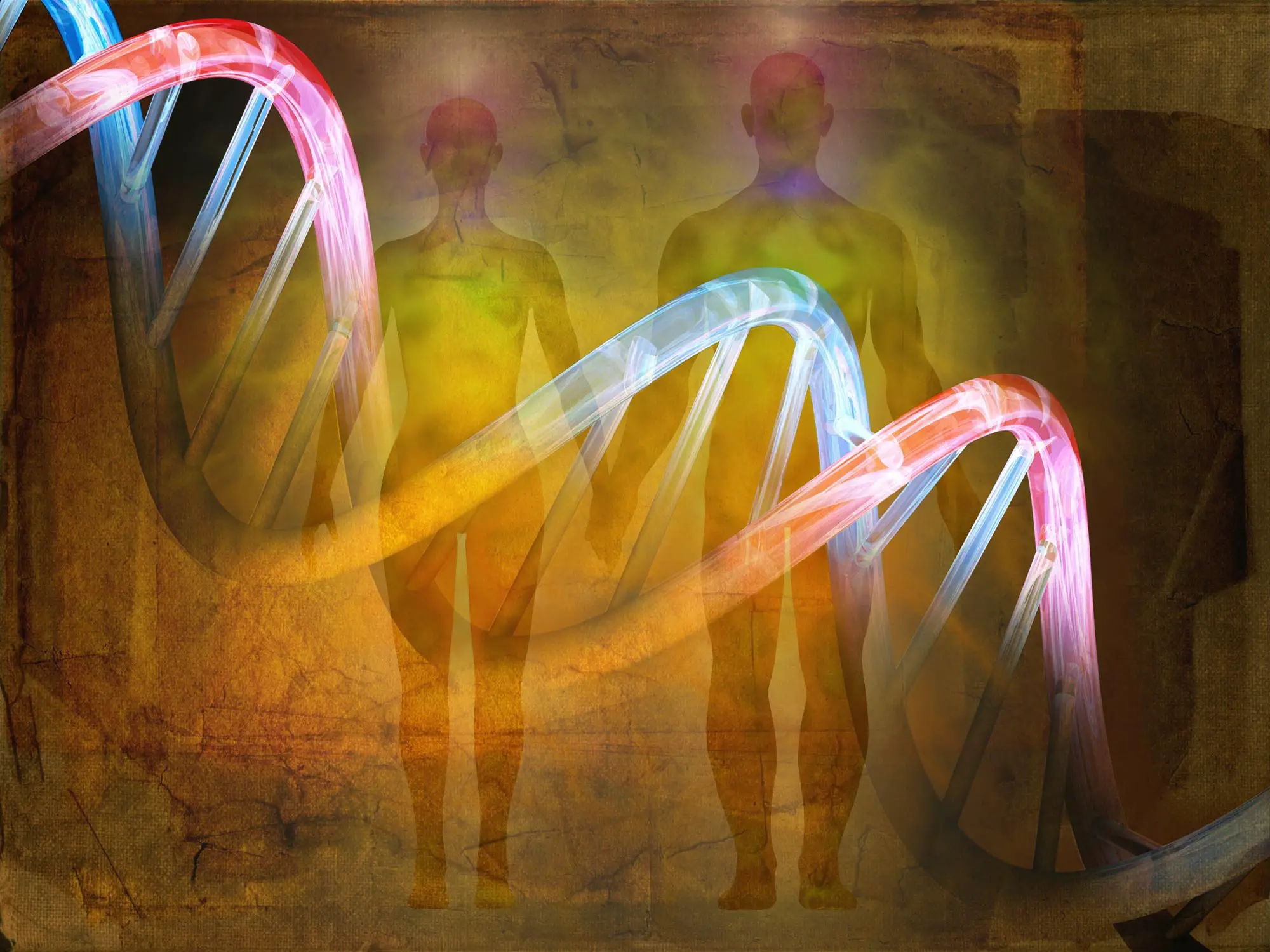
Researchers at Pennsylvania State University have mapped non-canonical DNA structures, known as non-B DNA, across the human genome and six ape species using new long-read sequencing data. Published in Nucleic Acids Research, the study reveals that these alternative structures, which make up about 13% of the human genome, are more prevalent in previously unsequenced regions than earlier methods suggested. The findings highlight how these shapes, including hairpins and G-quadruplexes, influence genome stability and may contribute to diseases like cancer and neurodegenerative disorders. By analyzing complete reference genomes from the Telomere-to-Telomere consortium, scientists now have a comprehensive view of where these motifs occur, offering a new framework for understanding how DNA structure, not just sequence, affects biological function and health.

Two Evolutionary Shifts Underlie Humans' Strong Right-Handedness
science6 months ago

Two Evolutionary Shifts Underlie Humans' Strong Right-Handedness

Oxford researchers analyzed 2,025 individuals from 41 primate species using Bayesian models and found that a combination of upright walking (bipedalism) and larger brain size likely drove humans’ strong right-hand bias. Early hominins showed modest right-hand preferences, which intensified in Homo species, culminating in near-universal right-handedness in modern humans, while Homo floresiensis may have had a weaker bias; left-handedness persistence remains unexplained, suggesting a two-stage evolution—freeing the hands for tool use via walking upright, then brain expansion strengthening the bias.

"Reviving the Ancient: Scientists Reconstruct 12-Million-Year-Old Ape's Face"
science3 years ago

"Reviving the Ancient: Scientists Reconstruct 12-Million-Year-Old Ape's Face"

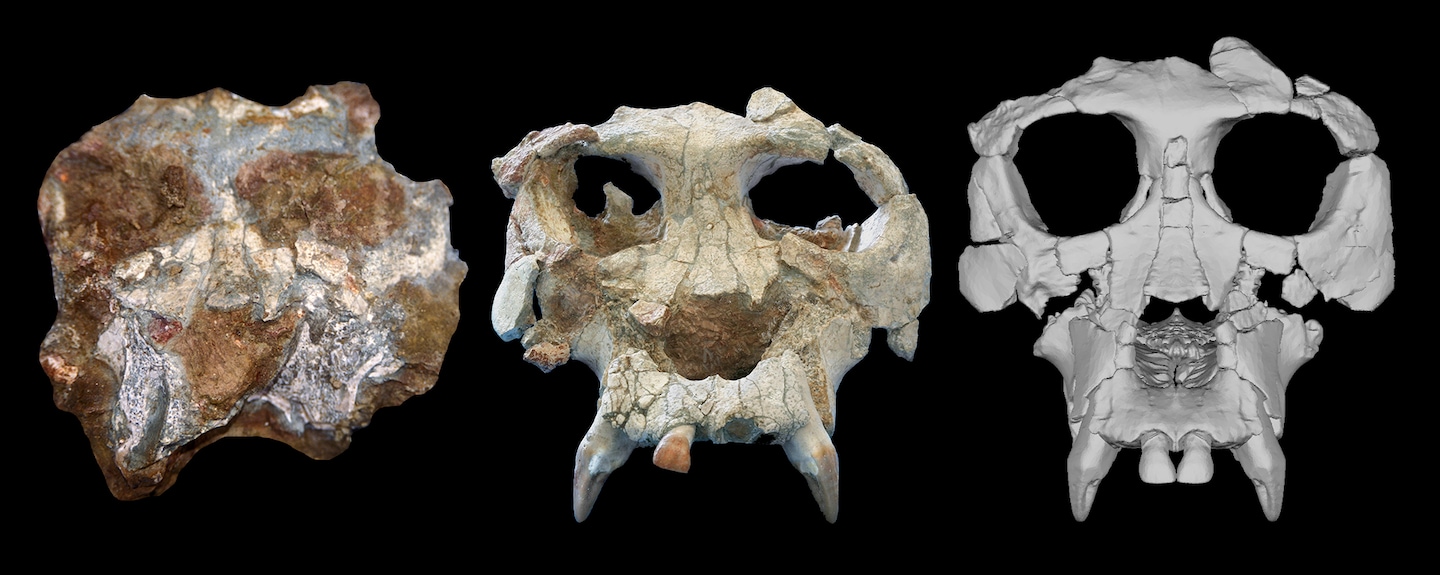
Scientists have reconstructed the face of a 12 million-year-old great ape called Pierolapithecus catalaunicus using advanced X-ray imaging technology. The three-dimensional image provides insights into primate evolution and may offer clues about human origins. The great ape had a mix of physical characteristics, some shared by living primates and others by extinct species. The reconstruction reveals a mosaic of features, including a face similar to modern great apes and shorter hands like those of monkeys. The research sheds light on the changes that have occurred over millions of years of ape evolution.

"The Surprising Influence of Downclimbing on Human Anatomy"
science3 years ago

"The Surprising Influence of Downclimbing on Human Anatomy"

Researchers from Dartmouth propose that the ability of humans to freely move their shoulders and elbows originated as a natural braking system for primate ancestors descending from trees, a behavior known as "downclimbing." Through an analysis of climbing techniques and limb structures in chimps and mangabeys, they found that the unique limb flexibility in apes and early humans allowed them to descend safely, which eventually facilitated evolutionary advancements in tool use and hunting techniques. The study highlights the significance of downclimbing in the evolution of apes and early humans and sheds light on the role of limb mobility in human anatomy.

The Evolutionary Benefits of Masturbation in Primates.
science3 years ago

The Evolutionary Benefits of Masturbation in Primates.

Masturbation may help protect against sexually transmitted infections by flushing out the genital tract, at least in male primates, according to new research. The study amassed the largest ever database of masturbatory instance records across 105 primate species and found that masturbation is an ancient trait within the primate order. The researchers found "strong evidence for coevolution between masturbation and pathogen occurrence in males", pointing to a secondary theory for why masturbation is common – to flush microorganisms that cause disease out of the genital tract. Masturbation is also more common in males of larger primate species that can't reach down to orally groom their genitals.