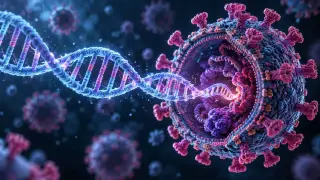
A human brain gene named BC200 has retained its ability to move across genomes for 40 million years, recently inserting itself into the molluscum contagiosum virus. This discovery challenges the assumption that functional genes lose mobility over time.
Researchers at Pennsylvania State University have mapped non-canonical DNA structures, known as non-B DNA, across the human genome and six ape species using new long-read sequencing data. Published in Nucleic Acids Research, the study reveals that these alternative structures, which make up about 13% of the human genome, are more prevalent in previously unsequenced regions than earlier methods suggested. The findings highlight how these shapes, including hairpins and G-quadruplexes, influence genome stability and may contribute to diseases like cancer and neurodegenerative disorders. By analyzing complete reference genomes from the Telomere-to-Telomere consortium, scientists now have a comprehensive view of where these motifs occur, offering a new framework for understanding how DNA structure, not just sequence, affects biological function and health.
Scientists at Northwestern University have created the most detailed 4D maps of the human genome's 3D organization over time, revealing how DNA folding influences gene activity and cell function, with implications for understanding diseases and developing targeted therapies.
Scientists have created a detailed 4D map of the human genome, revealing how its components interact over time in three dimensions, which could lead to advances in understanding gene regulation and developing new cancer therapies.
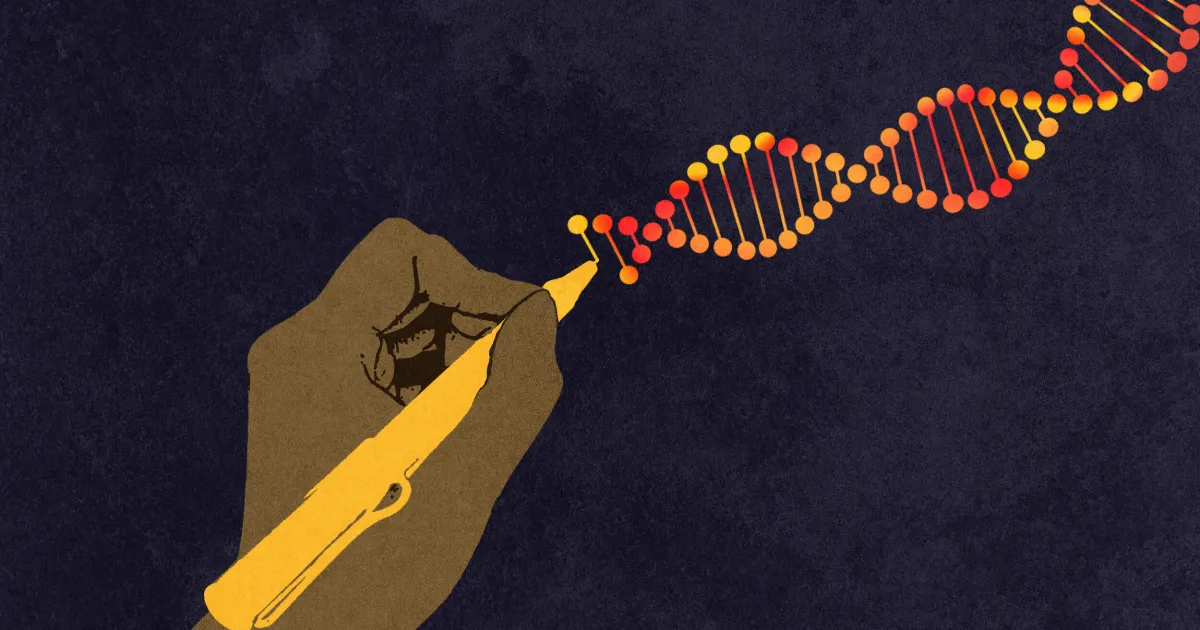
The article discusses the emerging field of writing genomes, highlighting projects like HGP-write and SynHG that aim to construct entire human genomes from scratch. This technological leap could revolutionize medicine, biology, and industry by enabling the creation of custom organisms and new therapies, but it also raises significant ethical and safety concerns that require responsible governance and global collaboration.
A new study reveals that ancient viruses embedded in our DNA, specifically transposable elements like MER11, play a crucial role in regulating gene activity, especially during early development, challenging the previous notion that these 'junk' DNA segments are nonfunctional.
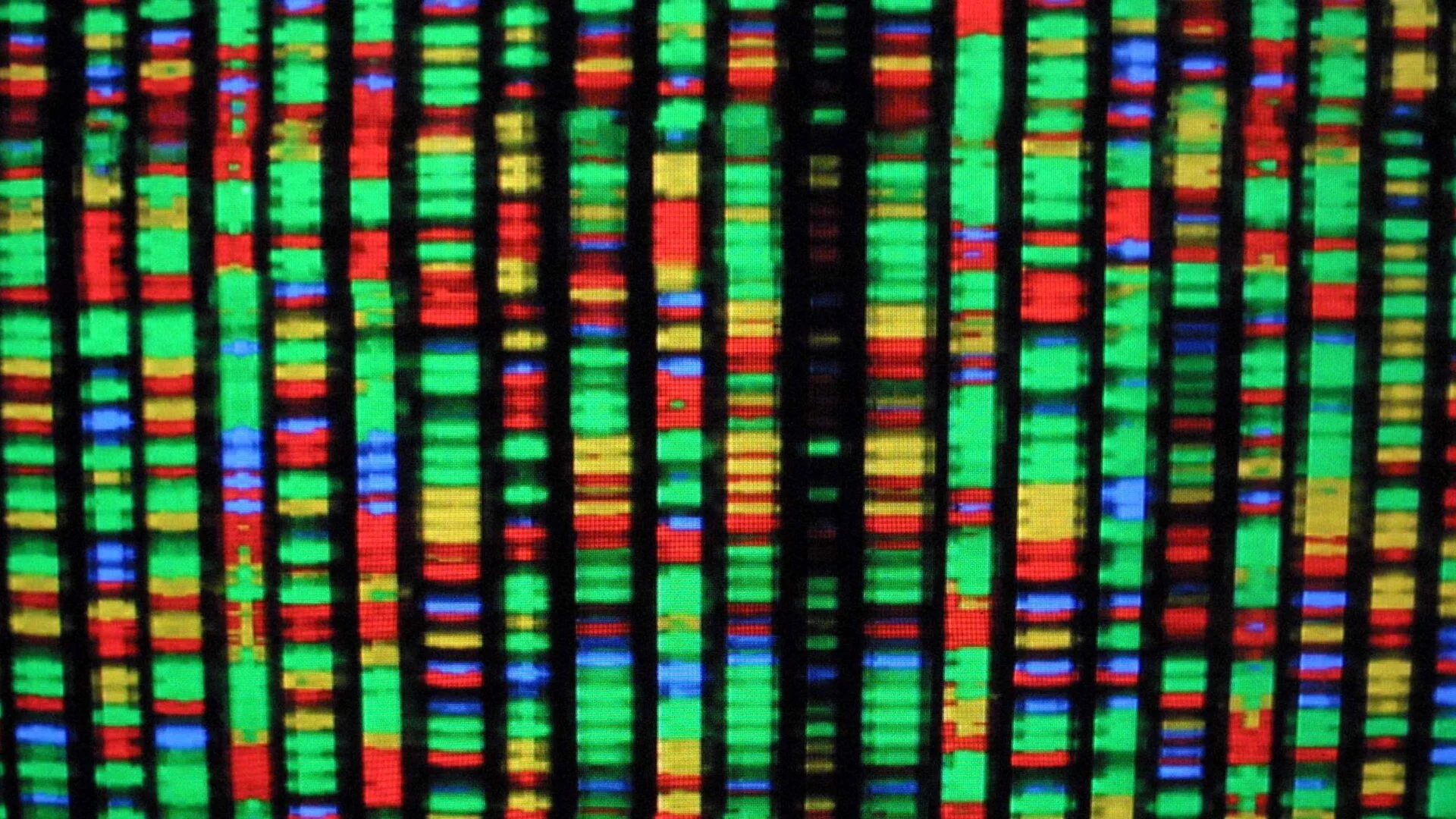
Scientists have achieved the most complete decoding of the human genome to date by filling in 92% of previously unresolved DNA gaps using advanced long-read sequencing techniques, revealing important genetic variations linked to health conditions and improving the accuracy of genetic testing across diverse populations.
Scientists have released the most detailed map of human genetic variation by sequencing over 1,000 genomes worldwide, revealing new insights into structural variants, repetitive DNA, and transposons, which could impact understanding of human health and disease. The studies also highlight technological advances that allow for more complete and accurate genome assemblies, including the first gapless human genome and detailed analysis of centromeres and jumping genes.
A new project aims to synthesize a human chromosome, marking progress in synthetic biology and genome engineering, building on the completion of the human genome sequence in 2022.
Scientists are beginning work on the Synthetic Human Genome project, aiming to digitally design and synthesize a large portion of human DNA, which could revolutionize medicine and biotechnology, though ethical and technical challenges remain.
A UK-based research team, funded by the Wellcome Trust with $11.7 million, is pioneering the creation of a human genome from scratch, aiming to deepen understanding of genetics and develop new medical treatments, while actively addressing the ethical implications of such technology.
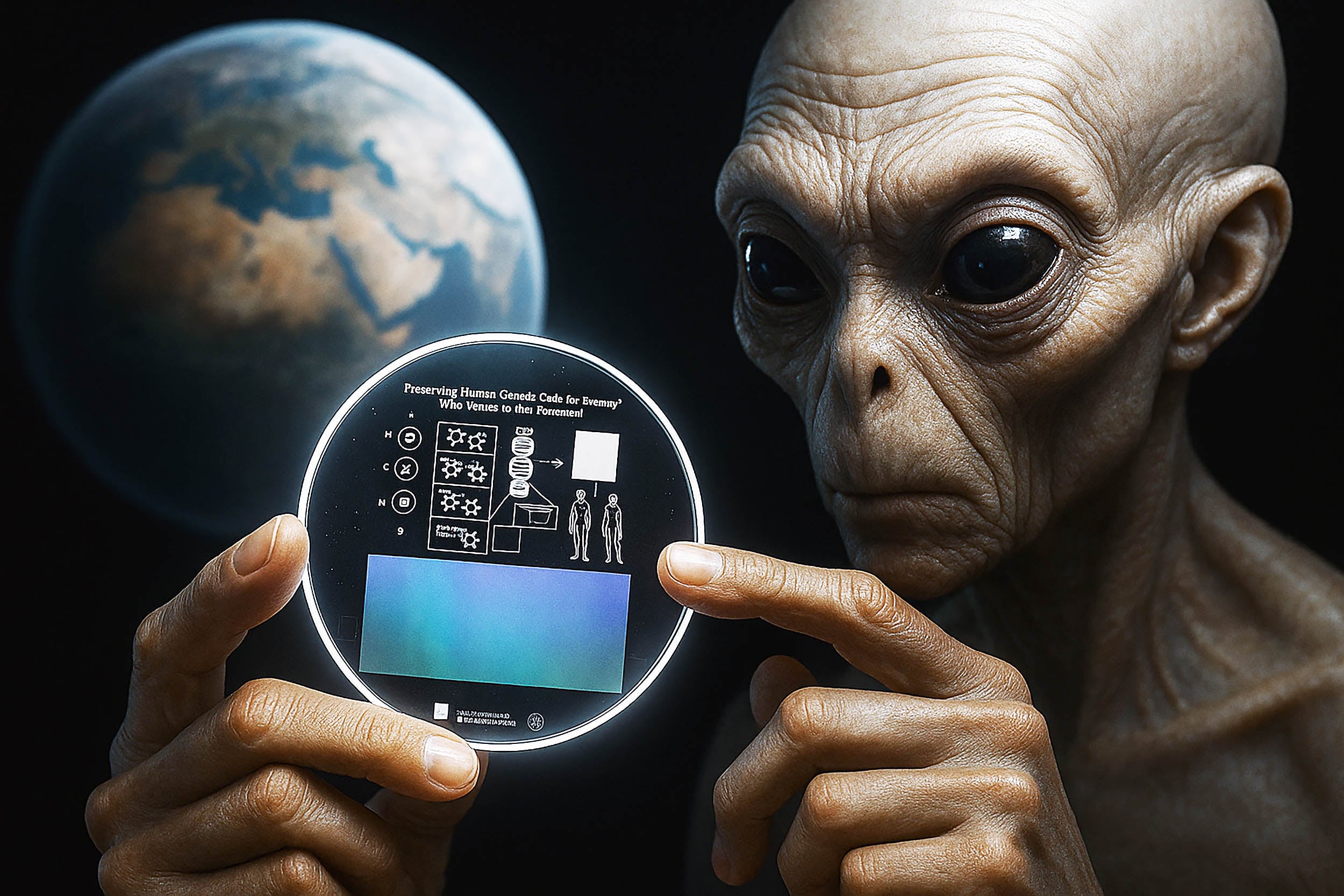
A tiny 5D memory crystal in Austria stores the entire human genome in a durable, long-lasting format, potentially enabling future de-extinction and preservation of endangered species by providing a permanent, resilient data archive that can survive extreme conditions and the passage of billions of years.
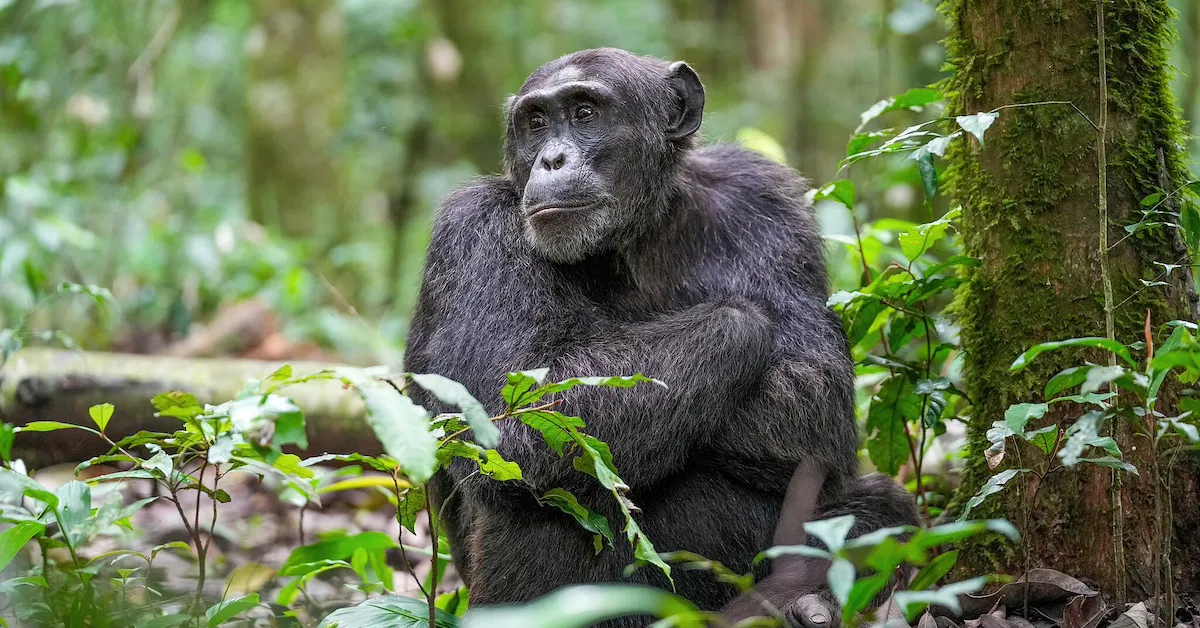
A recent study challenges the commonly cited 98-99% genetic similarity between humans and chimps, revealing a much larger difference of around 14-15%, which supports creationist views over evolutionary theory by suggesting humans and chimps are not as closely related as often claimed.
A global consortium of researchers has identified tens of thousands of 'dark' genes in the human genome, which code for tiny proteins potentially involved in diseases like cancer. These genes, previously overlooked due to their short sequences, challenge the notion of 'junk DNA' and suggest the human genome is still incomplete. The study, pending peer review, highlights the biomedical relevance of these genes, particularly in cancer immunotherapy, and suggests they could represent new drug targets. Researchers found at least 3,000 new peptide-coding genes, with many more likely undiscovered.
A study in Nature Communications reveals that ancient viral DNA, known as human endogenous retroviruses (HERVs), embedded in the human genome may increase susceptibility to psychiatric disorders like schizophrenia, depression, and bipolar disorder. Researchers found specific gene variants associated with these disorders that also influence HERV activity in the brain. This discovery advances the understanding of the genetic basis of these conditions, though further research is needed to determine how HERVs contribute to disease development.