Salvage bid for NASA's Swift telescope canceled
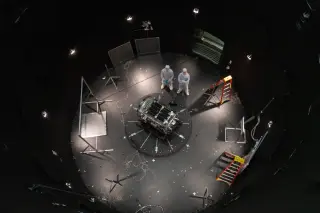
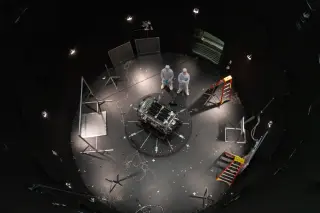
A private consortium's plan to rescue NASA's Swift space telescope has been canceled, ending the salvage effort after preparations for thermal vacuum testing at NASA's Goddard Space Flight Center.
All articles tagged with #private spaceflight

A private consortium's plan to rescue NASA's Swift space telescope has been canceled, ending the salvage effort after preparations for thermal vacuum testing at NASA's Goddard Space Flight Center.

In late March 2025, four private astronauts aboard SpaceX’s Fram2 mission launched from Florida on Crew Dragon Resilience and reached a true polar orbit of about 430 km, tilting 90 degrees to the equator to fly directly over both poles on every orbit—the first time humans have followed such a path in more than six decades of crewed spaceflight. Led by Chun Wang, with Jannicke Mikkelsen, Rabea Rogge, and Eric Philips, the private mission focused on Earth observations and health/space-tech research, demonstrating that private crews can undertake orbital geometry milestones without a space station as a destination.

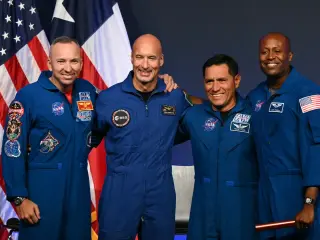
NASA announced the Artemis III crew—Andre Douglas, Frank Rubio, Luca Parmitano and Randy Bresnik—with Bob Heintz as backup, for a 2027 lunar mission that will practice in-space docking with landers from Blue Origin and SpaceX as a stepping stone to a future Moon landing.

Mega Engine Technology of Xi’an reports that its Chi high-pressure oxygen-rich staged-combustion kerolox engine accumulated 1,000 seconds of test time (2,000 seconds total) as of May 2026, a milestone previously dominated by state propulsion houses. Chi is throttleable from 35–75 tons (87 tons in vacuum) with about 302 s Isp at sea level (rising to ~350 s at altitude). The company plans a second engine, Yan, a 200-ton closed-cycle kerolox, to target heavy lifting, signaling a potential private path toward reusable medium-lift propulsion in China. However, independent verification is lacking, and details about the test article, flight customer, and supply chain remain unconfirmed; the broader context is a deliberate push—civil-military fusion—to move advanced propulsion from laboratories into commercial hands.

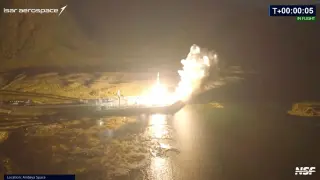
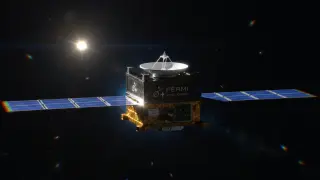
NASA is funding a fast-paced, private mission by Katalyst Space Technologies’ Link to rendezvous with the Neil Gehrels Swift Observatory in low Earth orbit and raise its altitude to counter atmospheric drag. Swift, launched in 2004 to detect gamma-ray bursts, is still operational but decaying in orbit, and weekly trajectory predictions will guide Link’s maneuvers. The goal is to keep Swift around 185 miles (about 300 km) above Earth into early fall, with a $30 million contract and a June Pegasus rocket launch planned. Success depends on precise tracking amid space weather, but if all goes well Swift could be boosted back to a more favorable orbit rather than deorbiting.

NASA picked Blue Origin to fly the first of three uncrewed lunar missions, funding roughly $230 million toward the initial two lander missions to test payloads and tech for a future Moon base, with SpaceX as a competing option for crew landers and Artemis missions; the plan pursues an iterative, privately supported path to a sustained lunar presence by the 2030s.

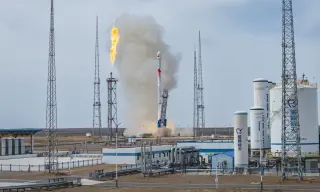
LandSpace's Zhuque-2E Y5 successfully launched from Dongfeng, delivering a 2.8-ton payload to a 900 km orbit and signaling heavier-payload capability for China's private-space sector; the two-stage methane rocket uses four first-stage engines and a second-stage engine, with a 267-ton liftoff mass and 338 tons of thrust, following Zhuque-3's recovery test and underscoring momentum toward future large-scale constellations.

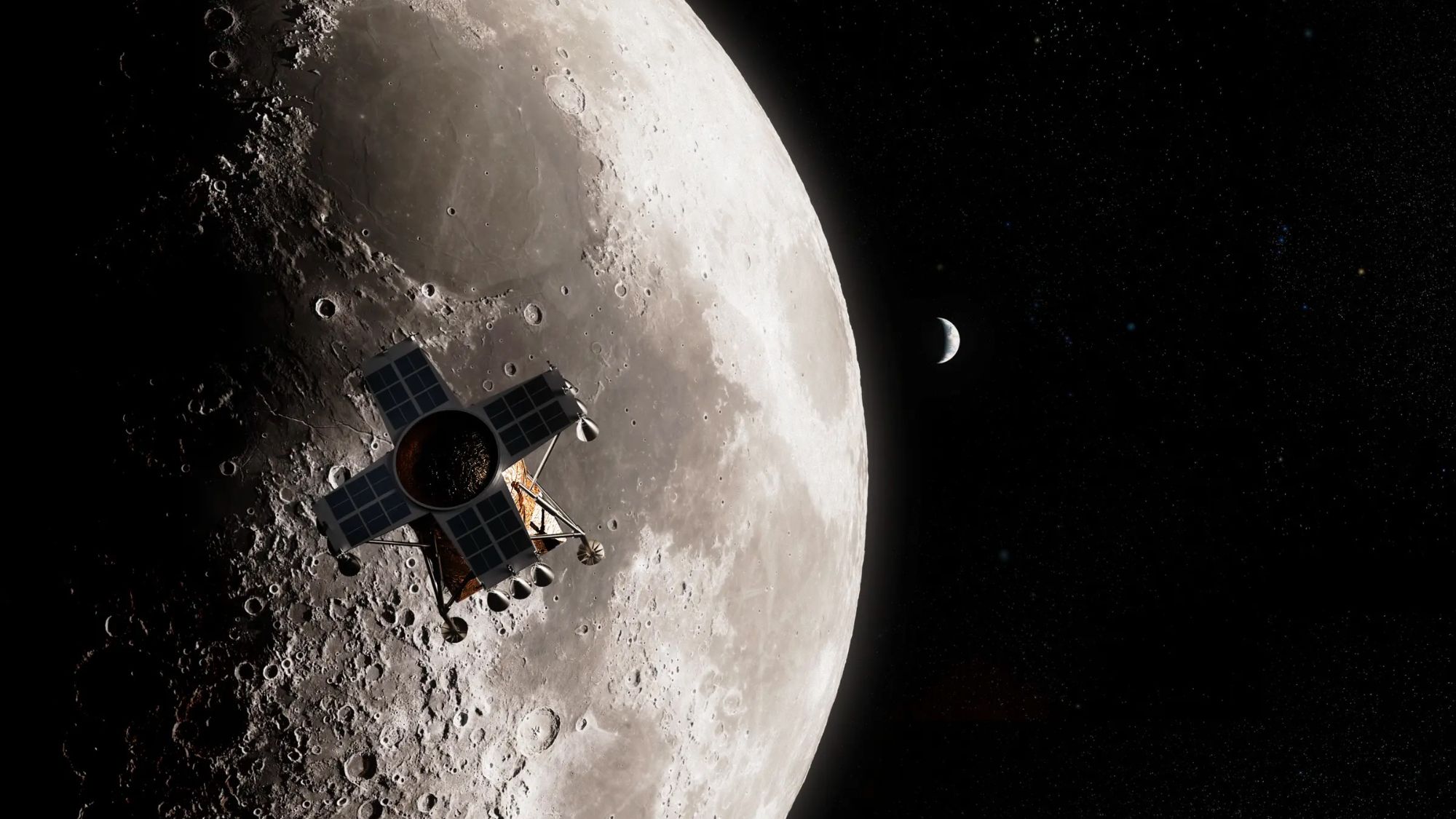
Impulse Space, founded by former SpaceX employee Tom Mueller, plans to develop a robotic lunar lander with a potential first mission as early as 2028, aiming to deliver up to 3 tons of payload to the moon using its Helios kick stage and in-house built lander, expanding private lunar exploration efforts.

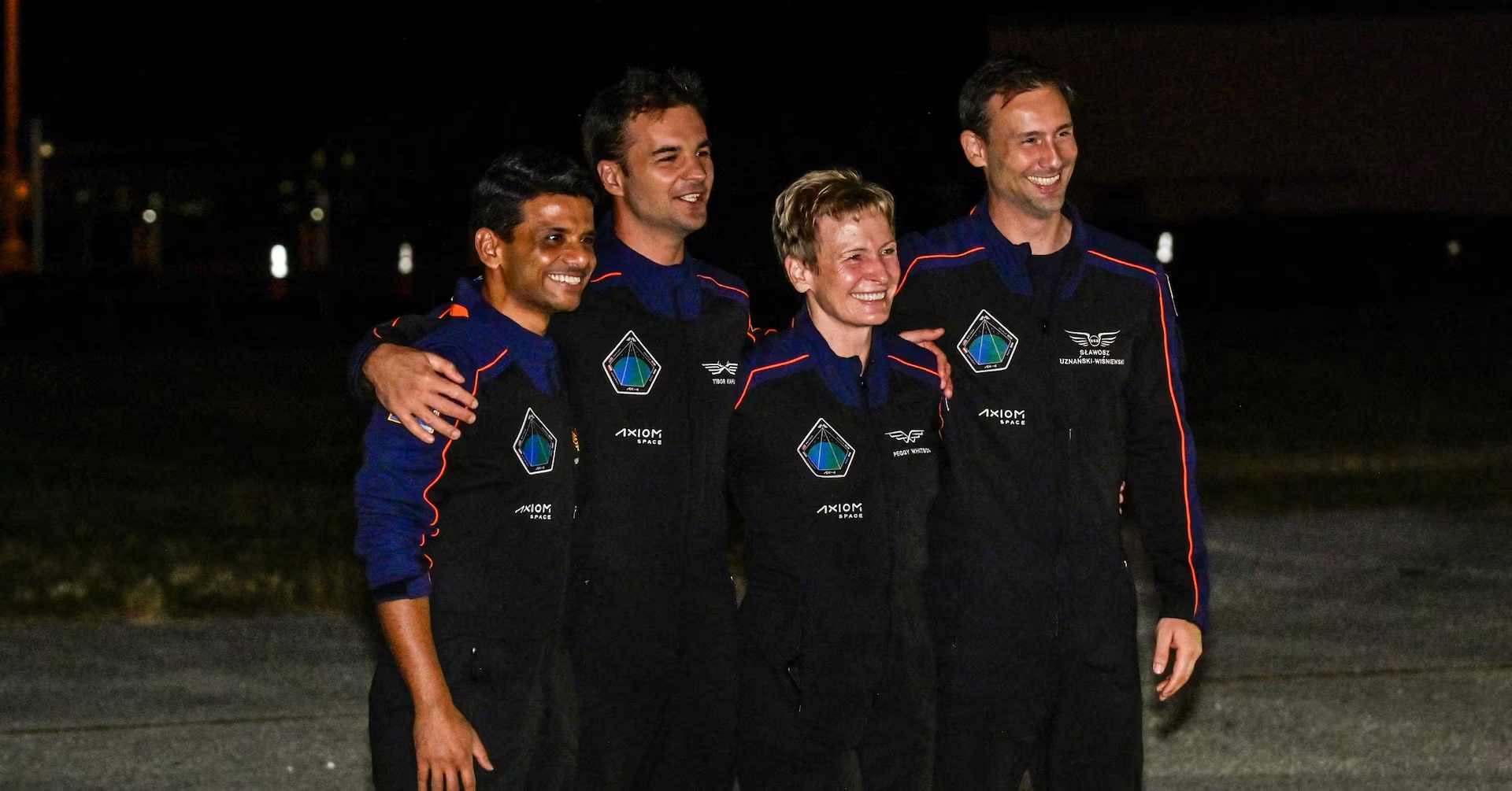
A crew of astronauts from India, Poland, Hungary, and the US, including veteran astronaut Peggy Whitson, returned from an 18-day mission aboard the ISS, marking significant milestones for their respective countries' space programs and the commercial spaceflight industry, with their capsule set to land in the Pacific Ocean.

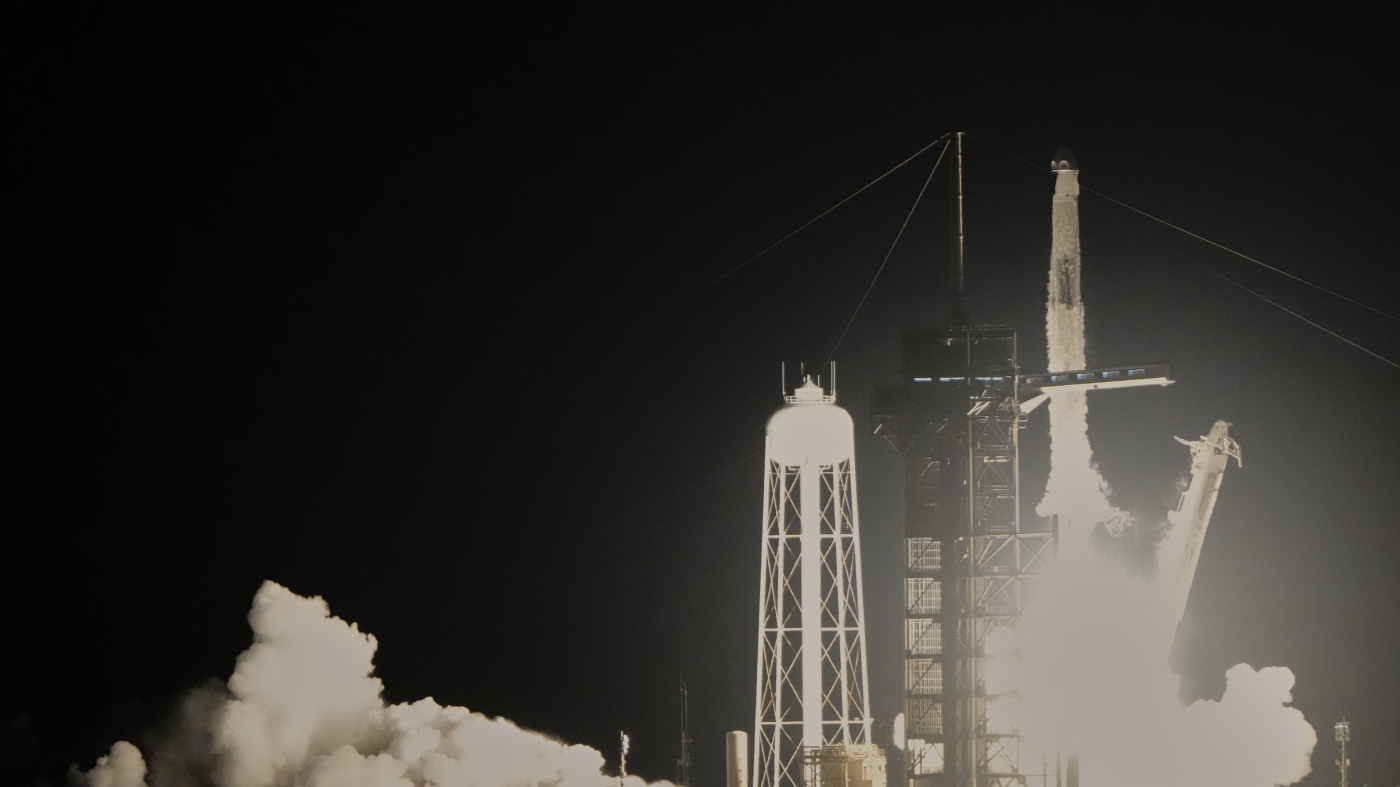
SpaceX successfully launched four astronauts on the Ax-4 mission to the International Space Station, marking the fourth private spaceflight by Axiom Space. The crew includes veteran NASA astronaut Peggy Whitson, Indian astronaut Shubhanshu Shukla, and astronauts from Poland and Hungary, returning their countries to human spaceflight after over 40 years. The mission faced delays due to weather and technical issues but proceeded with a new SpaceX Dragon spacecraft, which will remain docked at the ISS for a two-week research mission.

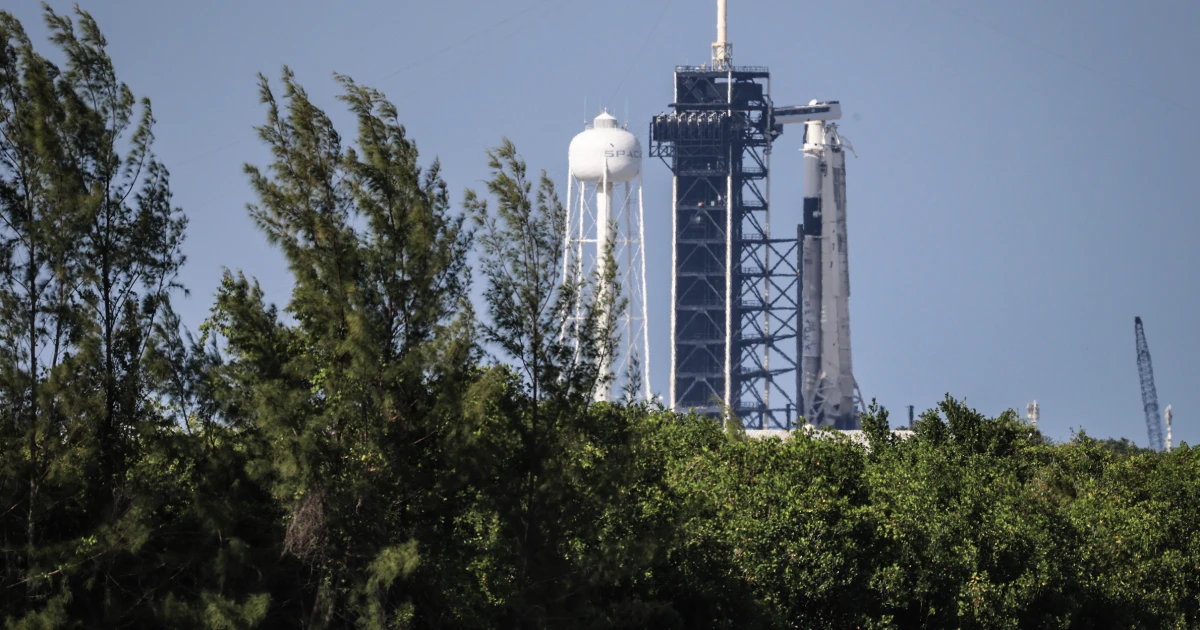
Four astronauts, including retired NASA astronaut Peggy Whitson and representatives from India, Poland, and Hungary, are launching on a private mission to the ISS organized by Axiom Space and SpaceX, marking the first time astronauts from these countries will live and work on the station. The mission, Ax-4, will last about two weeks and include scientific experiments, with a launch delayed by weather but now scheduled for Wednesday from Kennedy Space Center.

A private Japanese company, ispace, experienced its second consecutive failure in attempting a lunar landing with the Resilience lander, which crashed on the Moon due to a malfunction in its laser distance measurement device, ending its mission prematurely. Despite the setbacks, ispace plans to launch more missions in 2027 with an upgraded lander.

A Japanese private lunar lander from ispace crashed during its attempt to land on the moon, marking the second failed mission for the company, which aims to advance commercial lunar exploration despite setbacks.

A Japanese private lunar lander from ispace crashed during its attempted touchdown on the moon, marking the second failed mission for the company. Despite technical issues with altitude measurement and a faster-than-expected descent, ispace plans to continue its lunar exploration efforts, aiming for future missions including a larger lander in 2027.

A Japanese private company, ispace, is attempting a lunar landing in the north of the moon with its lander Resilience and a mini-rover named Tenacious, marking a significant step in the growing trend of commercial lunar exploration.