Tag

Quantum Networks

All articles tagged with #quantum networks

Chinese researchers transfer three-level quantum states via one-meter microwave link
science5 days ago

Chinese researchers transfer three-level quantum states via one-meter microwave link

Researchers from the Chinese Academy of Sciences and other institutions successfully transferred a three-level quantum state, known as a qutrit, between two superconducting chips connected by a one-meter microwave cable. Published in Physical Review Letters, the study demonstrates that superconducting transmon circuits can utilize more than two energy levels for quantum communication. The team achieved a mean transfer fidelity of 83.68% and established remote entanglement with 81.21% fidelity, surpassing classical and standard qubit benchmarks. This work suggests that high-dimensional quantum resources could enhance the capacity and efficiency of future quantum networks.

Physicists Teleport 100-Pixel Quantum Image Across Parallel Channels
science2 months ago

Physicists Teleport 100-Pixel Quantum Image Across Parallel Channels

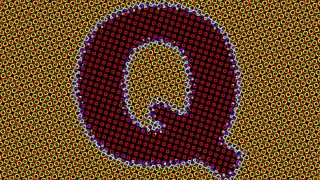
A team led by Jietai Jing at East China Normal University achieved quantum teleportation across 100 simultaneous channels by encoding the letter 'Q' into a 10-by-10 grid of optical modes. The all-optical system processed parallel channels without separate electronic feedforward, achieving an average fidelity of 0.60, which exceeds the classical limit of 0.52. This demonstrates a scalable architecture for high-capacity quantum communication networks, though current capacity is limited by laser power.

Chinese Physicists Achieve 420km Quantum Entanglement via Fiber Optics
science3 months ago

Chinese Physicists Achieve 420km Quantum Entanglement via Fiber Optics

A team at the University of Science and Technology of China has established a new record for matter-to-matter quantum entanglement over 420 kilometers of optical fiber. By using laser-cooled rubidium atoms as quantum memories and converting photon wavelengths to reduce loss, the researchers surpassed previous limits by more than four times. This achievement demonstrates that memory-based networks can outperform direct transmission limits, providing a critical building block for future quantum internet infrastructure.

Hidden Handedness Emerges in Free-Space Light
science6 months ago

Hidden Handedness Emerges in Free-Space Light

Researchers show that light can naturally develop handedness (chirality) as it travels through empty space—even without mirrors or special materials—due to its internal topology when the beam is prepared in a balanced state. The emergent spin and twist of structured light could enable new ways to encode information, improve medical diagnostics and sensing, and boost data capacity in communications and future quantum networks.

AI Revolutionizes Quantum Entanglement with Simpler Methods
science-and-technology1 year ago

AI Revolutionizes Quantum Entanglement with Simpler Methods

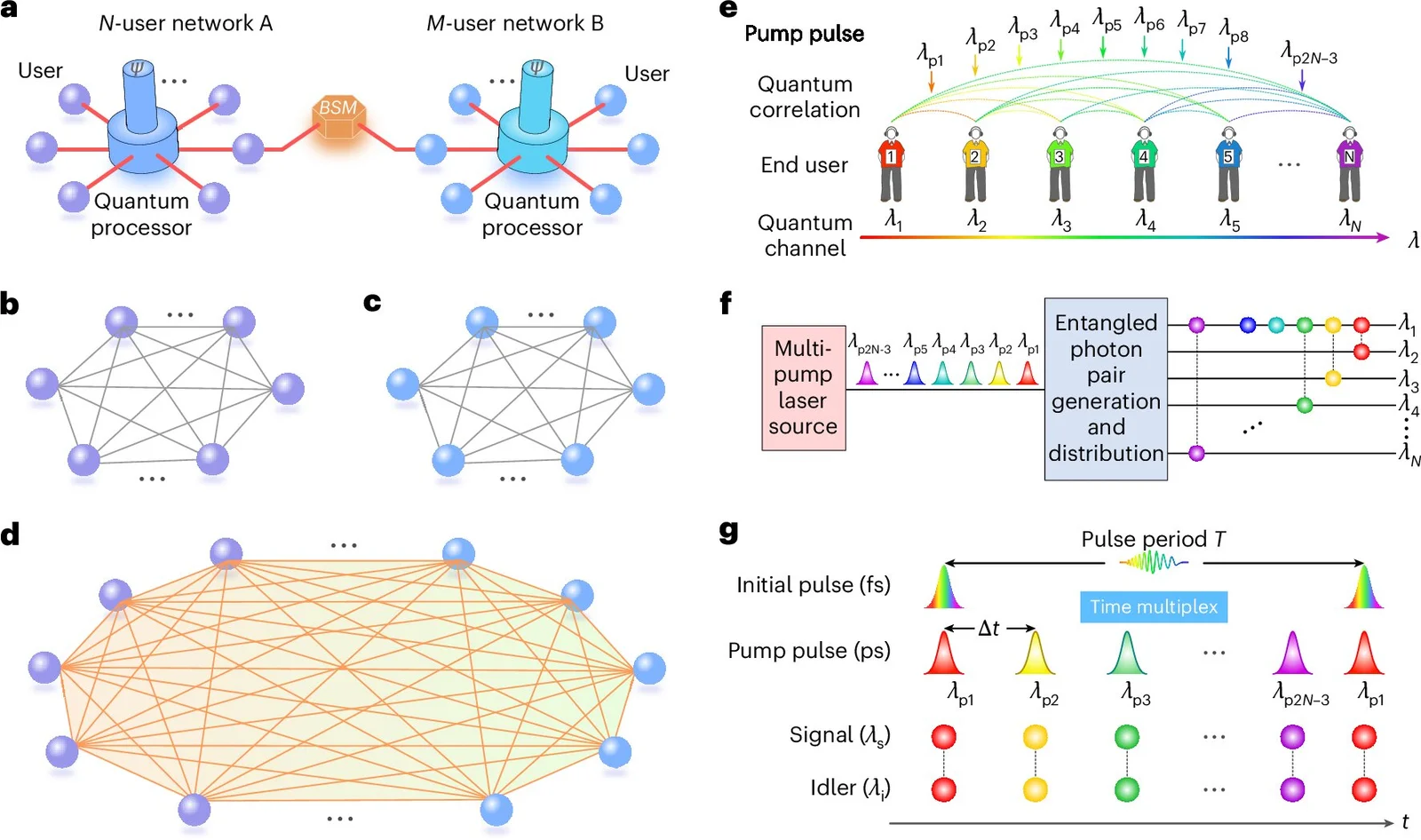
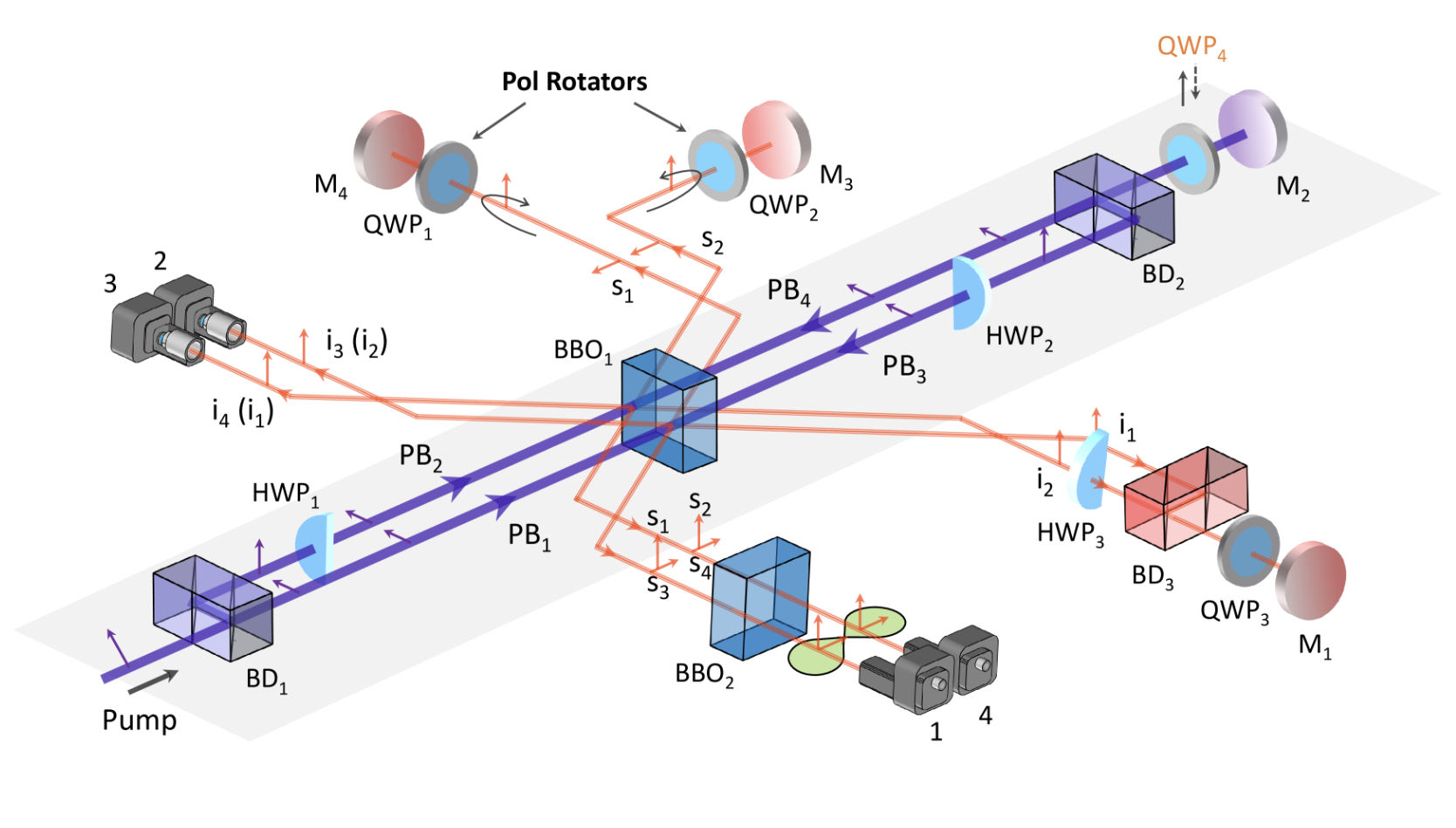
Researchers from Nanjing University and the Max Planck Institute have discovered a simpler method to create quantum entanglement between distant photons using an AI tool called PyTheus. This approach, which avoids traditional methods like Bell-state measurements, relies on the indistinguishability of photon paths to generate entanglement, challenging long-held assumptions in quantum networking. The AI's unexpected solution reduces complexity and resource requirements, potentially advancing quantum communication and information processing.

"Harnessing Quantum Communication with Magnetic Disks"
science-and-technology2 years ago

"Harnessing Quantum Communication with Magnetic Disks"

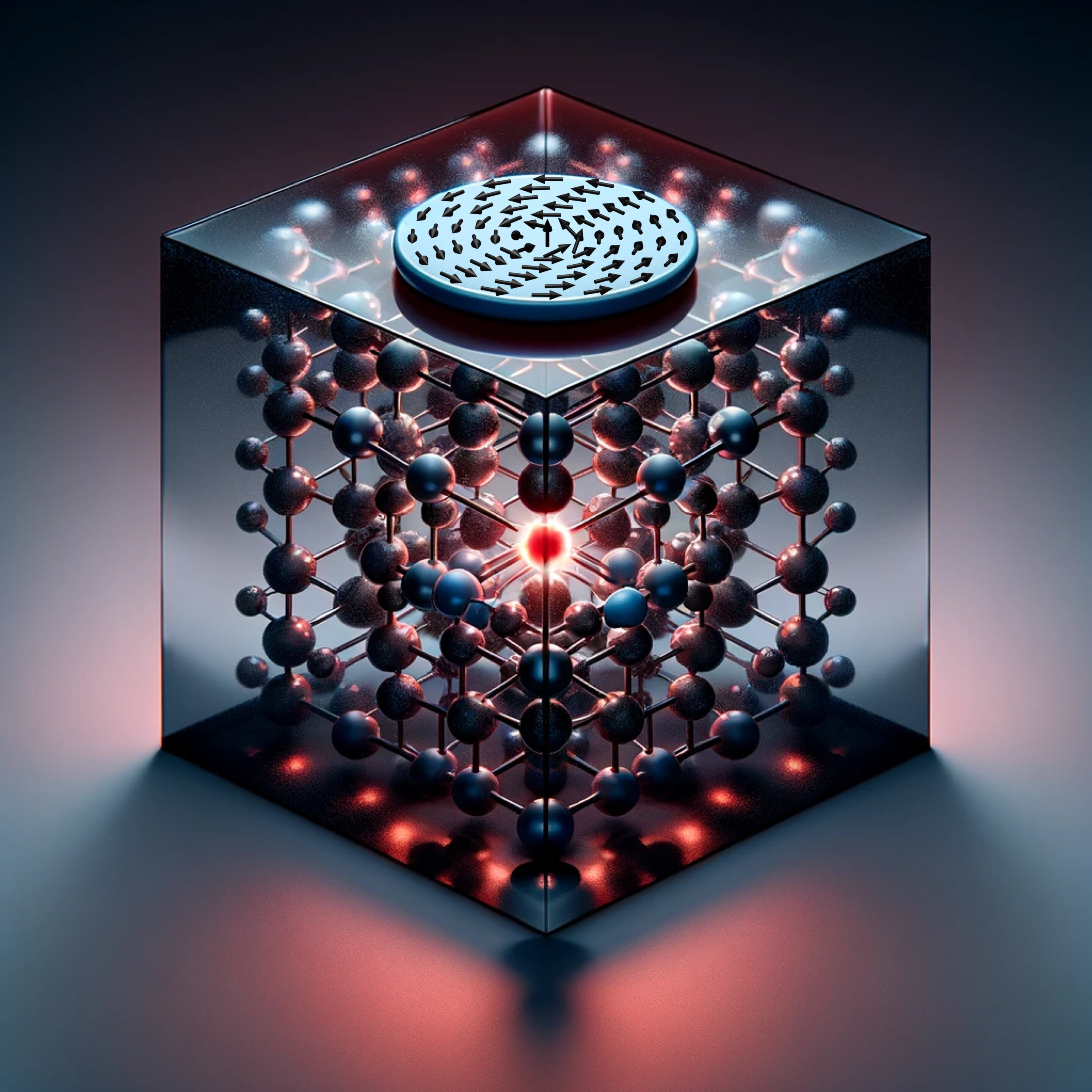
Researchers at HZDR have manipulated atomic-sized qubits in silicon carbide using wave-like excitations in magnetic disks called magnons, presenting a new approach for transducing quantum information. This method could potentially enable the transduction of information within quantum networks, addressing the need for efficient communication between distinct quantum modules. The team's research demonstrates the feasibility of addressing qubits exclusively with magnons, offering insights for the development of a practical quantum computer in the future.

Advancements in Quantum Networks: Unlocking New Realms with Nanometric Optomechanical Cavities
technology2 years ago

Advancements in Quantum Networks: Unlocking New Realms with Nanometric Optomechanical Cavities

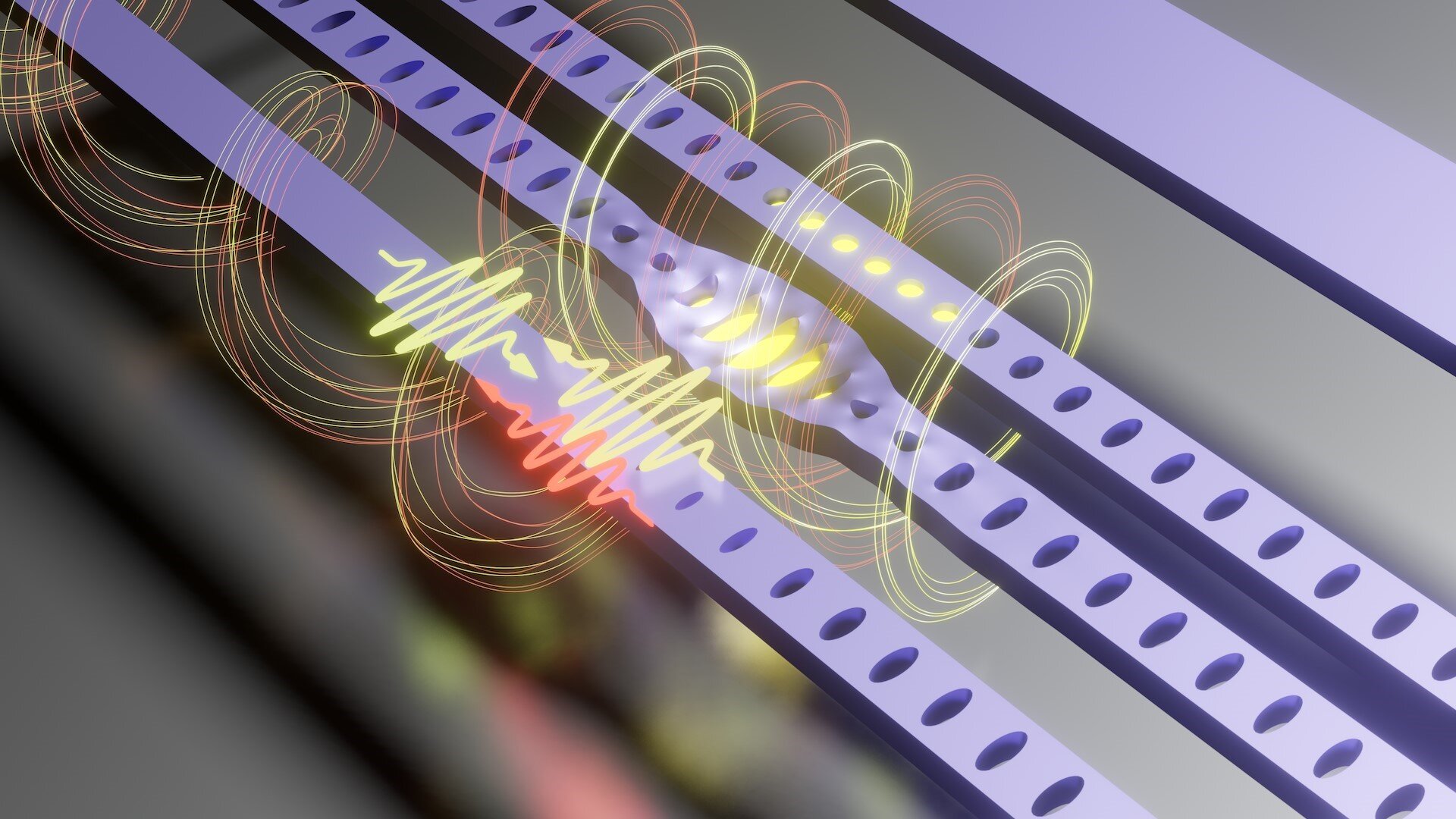
Researchers at the State University of Campinas (UNICAMP) in Brazil, in collaboration with colleagues at ETH Zurich and TU Delft, have conducted a study on the use of nanometric optomechanical cavities for the development of advanced quantum networks. The study introduces dissipative optomechanics, allowing for direct scattering of photons from the waveguide to the resonator, enabling tighter control of optoacoustic interaction. The researchers achieved a tenfold rise in the optomechanical coupling rate and raised the mechanical frequency by two orders of magnitude, offering promising prospects for more effective devices. The study also lays the foundation for future research in manipulating mechanical modes individually and mitigating optical non-linearities in optomechanical devices.

Unveiling Quantum Nonlocality: A Breakthrough Criterion for Quantum Networks
science-and-technology3 years ago

Unveiling Quantum Nonlocality: A Breakthrough Criterion for Quantum Networks

Researchers have developed a theoretical framework that provides deeper insights into quantum nonlocality, a vital property for quantum networks to outperform classical technology. The study unified previous nonlocality research and showed that nonlocality is achievable only through a restricted set of quantum operations. This framework could aid in evaluating the quality of quantum networks and broaden our understanding of nonlocality.

Chiral Behavior Observed in Artificial Atoms
quantum-computing3 years ago

Chiral Behavior Observed in Artificial Atoms

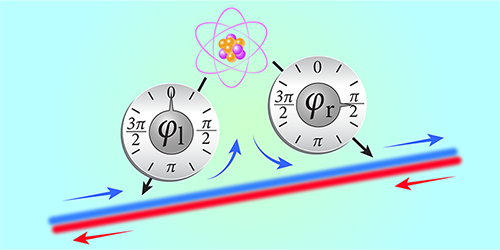
Researchers from the California Institute of Technology have developed a nonreciprocal device, an "artificial atom" made from a superconducting circuit, which can be coupled exclusively to either left- or right-moving signals in a microwave waveguide. This chiral design could be used in quantum networks to enable control over information flow between multiple artificial atoms coupled to a waveguide. The researchers achieved this by using additional superconducting artificial atoms as couplers between the emitter atom and the waveguide, and the relative phase between the modulations of the two couplers yielded the crucial phase difference that either let forward- or backward-propagating light pass through the waveguide.