New data from an underground Canadian lab suggests Earth's mantle may not be uniformly mixed, with radioactive elements potentially concentrated in specific regions. This finding challenges the long-held assumption that deep rock is evenly distributed and could reshape understanding of planetary heat generation and geological activity.
The SNO+ experiment in Canada has recorded its first geoneutrino detections, marking the first measurement of these particles in the western hemisphere. These ghostly particles, generated by radioactive decay in Earth's interior, offer a unique method to map the distribution of heat-producing elements like uranium and thorium. While previous detectors in Japan and Italy showed varying flux levels, SNO+ results suggest a 'medium' level of radioactivity beneath Canada. This data challenges the assumption that the mantle is chemically uniform, potentially revealing deep structures like large low-shear-velocity provinces. The upcoming JUNO detector in China is expected to provide significantly more data, potentially confirming whether radioactive elements are clustered in specific regions or evenly distributed.
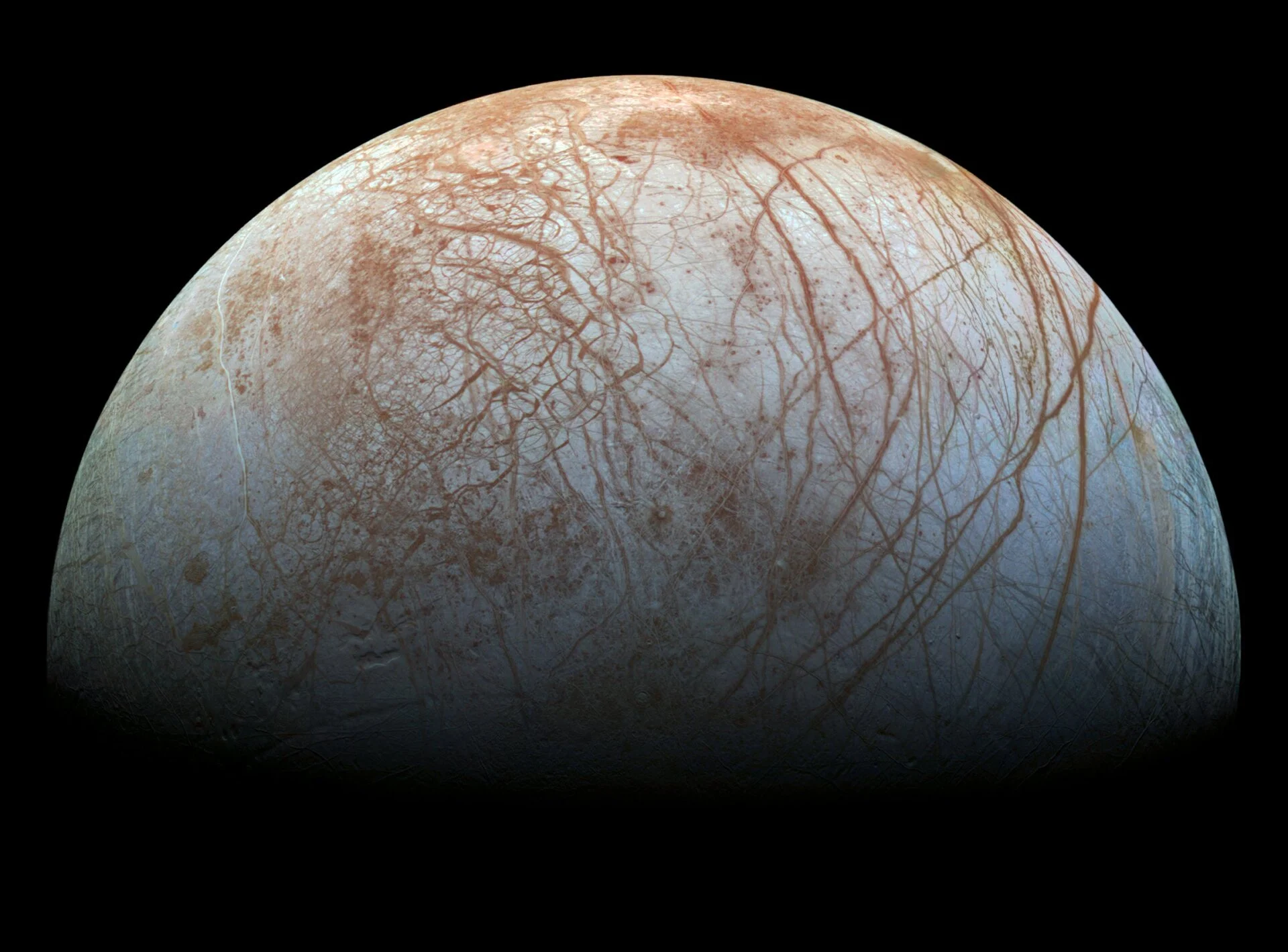
Scientists propose that radioactive elements seeping from Europa's rocks into its subsurface ocean could generate enough energy to support microbial life, offering an alternative to internal heat as a source of habitability. The upcoming NASA Europa Clipper mission may test this theory, which is inspired by Earth's chemosynthetic ecosystems.
Scientists at Oak Ridge National Laboratory have uncovered crucial properties of the rare, radioactive element promethium, nearly 80 years after its discovery. By isolating a pure sample and using advanced techniques, they analyzed promethium's bonding properties, comparing it with other lanthanides. This breakthrough could lead to improved separation technologies and new applications for rare earth elements.
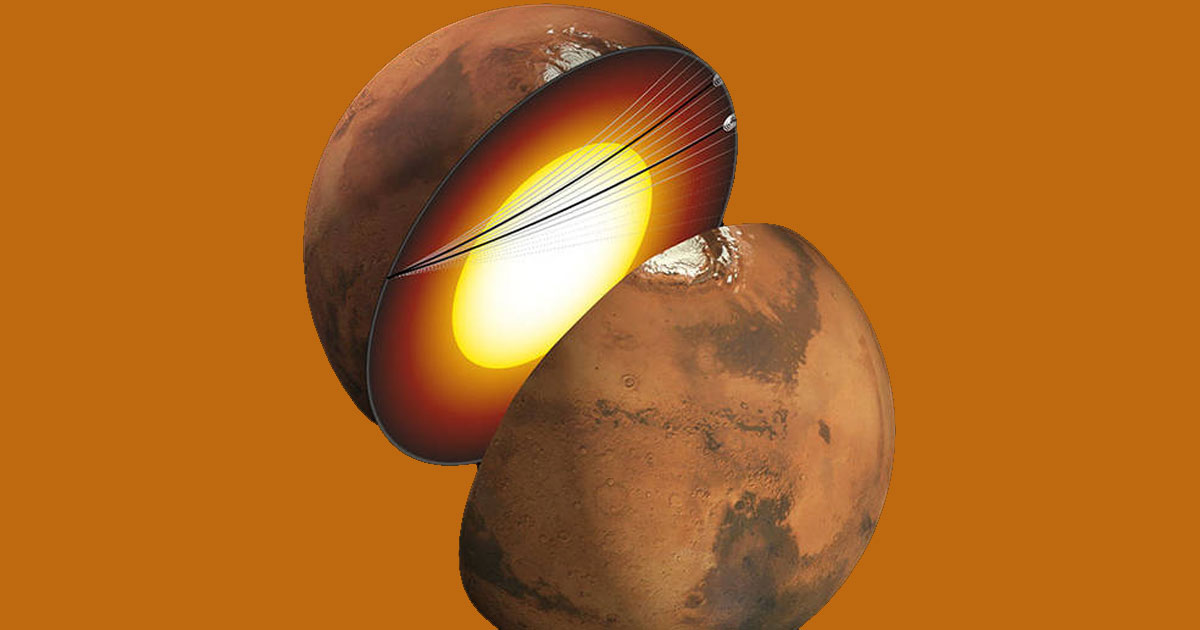
Researchers at ETH Zurich have discovered that the main source of heat inside Mars is the result of radioactive elements like thorium and uranium decaying over time. The team used data obtained by NASA's Mars InSight lander to determine the thickness of the Martian crust, which averages between 26 and 35 miles, much thicker than that of the Earth or the Moon. At least half of the heat-producing radioactive elements were found in the Martian crust, which could account for "local melt zones" in the planet's interior.