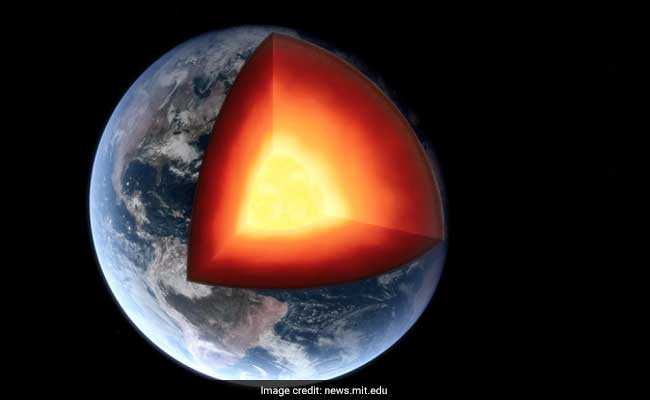
New data from an underground Canadian lab suggests Earth's mantle may not be uniformly mixed, with radioactive elements potentially concentrated in specific regions. This finding challenges the long-held assumption that deep rock is evenly distributed and could reshape understanding of planetary heat generation and geological activity.
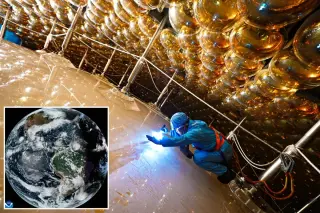
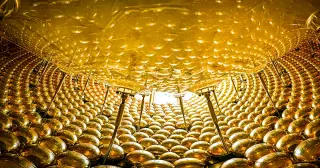
The SNO+ experiment in Canada has recorded its first geoneutrino detections, marking the first measurement of these particles in the western hemisphere. These ghostly particles, generated by radioactive decay in Earth's interior, offer a unique method to map the distribution of heat-producing elements like uranium and thorium. While previous detectors in Japan and Italy showed varying flux levels, SNO+ results suggest a 'medium' level of radioactivity beneath Canada. This data challenges the assumption that the mantle is chemically uniform, potentially revealing deep structures like large low-shear-velocity provinces. The upcoming JUNO detector in China is expected to provide significantly more data, potentially confirming whether radioactive elements are clustered in specific regions or evenly distributed.
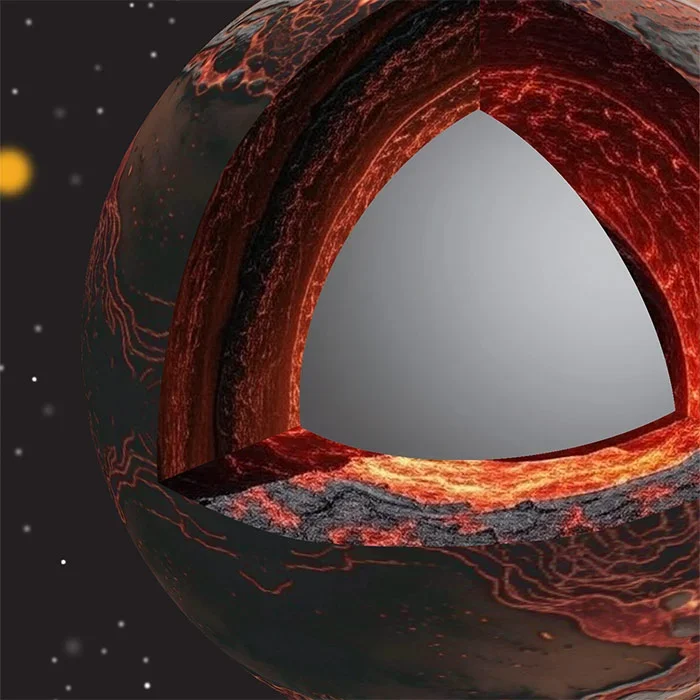
A new study suggests that massive structures in Earth's mantle, called LLSVPs and ULVZs, are remnants of early Earth’s chaotic formation, influenced by material leaking from the core, which helps explain Earth's habitability and surface activity.
Researchers discovered South African diamonds with contrasting inclusions of oxidized and reduced materials, challenging existing theories of diamond formation and deep Earth chemistry, and suggesting oxidized materials exist deeper in the mantle than previously thought.
Recent research highlights olivine's role in transporting water deep into Earth's mantle, revealing that only older, fast-moving oceanic plates can carry water to significant depths, which has major implications for understanding tectonic processes, seismic activity, and Earth's hidden water reservoirs.
Scientists have discovered that the deep roots of North America are slowly dripping away into the Earth's mantle, driven by the remnants of the ancient Farallon Plate, providing a rare real-time glimpse into the process of cratonic thinning and continental evolution.
Recent discoveries in Brazil and Botswana suggest that a vast amount of water may be trapped deep within Earth's mantle, stored in minerals like ringwoodite between 410 and 660 kilometers below the surface. This finding could significantly alter our understanding of Earth's water systems, the deep water cycle, and the dynamics of plate tectonics, potentially impacting theories about the planet's long-term behavior.
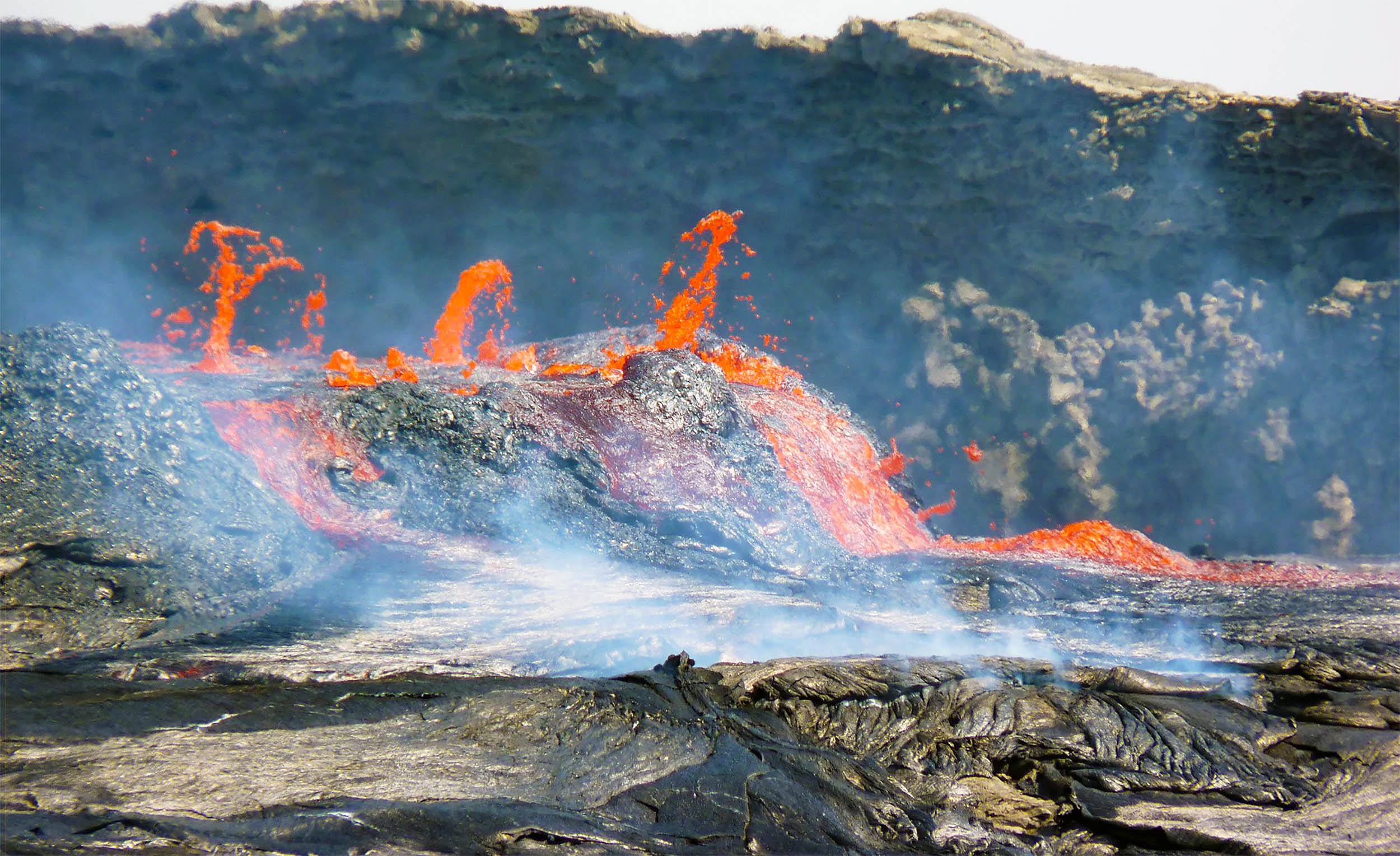
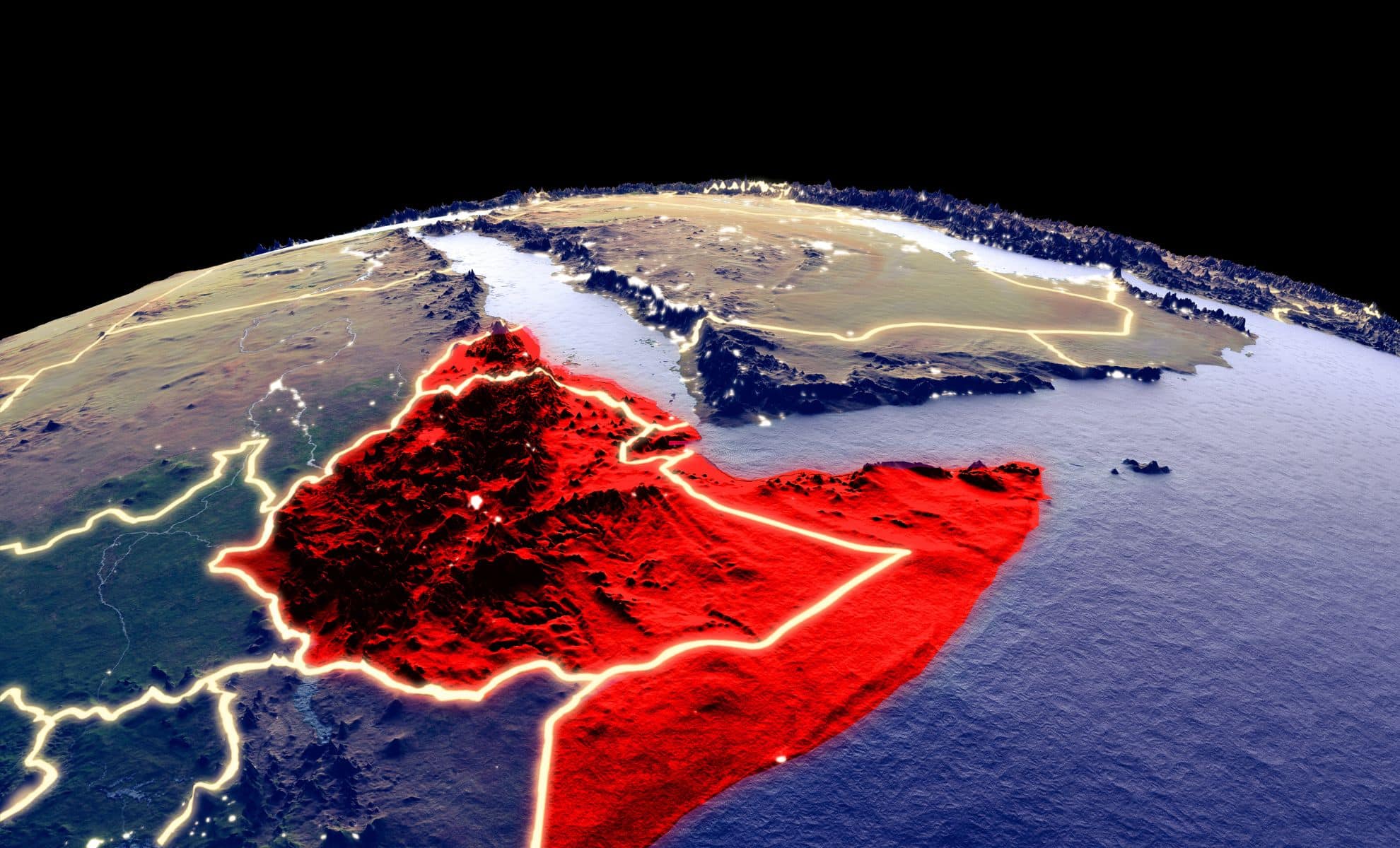
Scientists have discovered that mantle upwelling beneath the Afar Depression is complex and pulsing, influenced by tectonic plate movements, which accelerates crust thinning and volcanic activity, ultimately leading to the formation of a new ocean basin in East Africa.
Scientists have discovered rhythmic pulses in Earth's mantle beneath Africa's Afar region, driven by molten magma, which influence tectonic plate movement, volcanic activity, and the formation of a new ocean basin, providing new insights into Earth's dynamic interior and surface interactions.
Scientists have discovered that the acceleration of seismic waves at the Earth's core-mantle boundary is caused by the alignment of post-perovskite crystals due to convective motions deep within the mantle, providing new insights into Earth's interior dynamics.
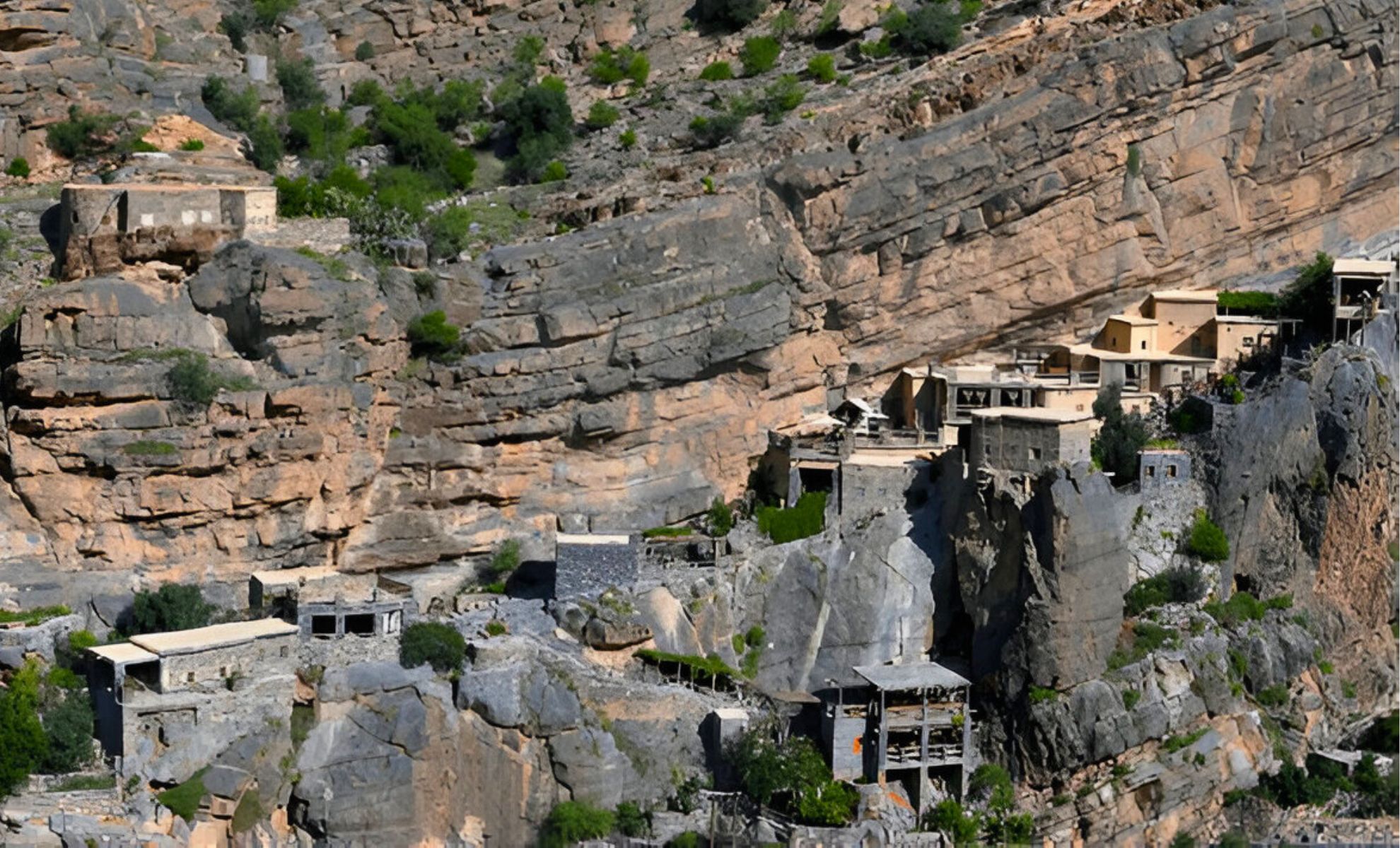
Scientists have discovered a mysterious 'phantom' mantle plume beneath Oman, called the Dani plume, which influences regional land uplift and may have played a role in the movement of the Indian tectonic plate and the formation of the Himalayas. This unique, heat-rich structure challenges existing models of Earth's internal processes and suggests the mantle may be more active and complex than previously thought.
Scientists have discovered a massive ocean, three times the size of Earth’s oceans, located 700 km beneath the Earth’s surface within the mantle. This finding challenges existing theories about the origin of Earth’s water and suggests that water may have originated internally rather than from comet impacts. The discovery was made using a network of seismographs and analyzing seismic waves from over 500 earthquakes. This revelation has the potential to reshape our understanding of Earth’s water cycle and offers new insights into one of the planet’s fundamental processes.
Researchers from Northwestern University have discovered a massive reservoir of water 700 km beneath the Earth's surface, hidden within a blue rock called ringwoodite in the mantle. This subterranean ocean contains more water than all the planet's surface oceans combined and may provide insight into the origins of Earth's water. The findings, made in 2014, have resurfaced on social media, shedding light on the Earth's hidden water reserves and the possibility that oceans may have gradually oozed out of the planet's interior.
A massive ocean has been discovered 700 kilometers beneath the Earth's surface, stored in a rock known as ringwoodite, with a volume three times that of all the planet's surface oceans combined. This subterranean reservoir was found through the study of earthquakes and seismic shockwaves, and its unique properties were detailed in a 2014 scientific paper. The discovery team believes it provides evidence for a whole-Earth water cycle and may help explain the abundance of liquid water on the planet's surface.
Scientists have discovered a massive reservoir of water hidden 400 miles beneath the Earth's surface, contained within a blue rock called ringwoodite in the Earth's mantle. This reservoir is three times larger than all the oceans on the Earth's surface and was found using seismometers to measure earthquake waves. The discovery could help explain Earth's formation and the origin of its water, suggesting a whole-Earth water cycle and potentially reshaping our understanding of where Earth's water came from.