Gold futures slid to a 2026 low as investors priced in fewer near-term rate cuts and a stronger dollar amid Iran-related tensions and crude-energy concerns, despite Trump’s five‑day pause on strikes.
Gold edged up in European trading but remains on track for a deep weekly loss as the Iran conflict raises inflation worries and dents bets on near-term rate cuts; spot gold around $4,657/oz and futures near $4,658/oz, with the week’s decline about 8% as the dollar weakens and energy price pressures cloud central bank policy.
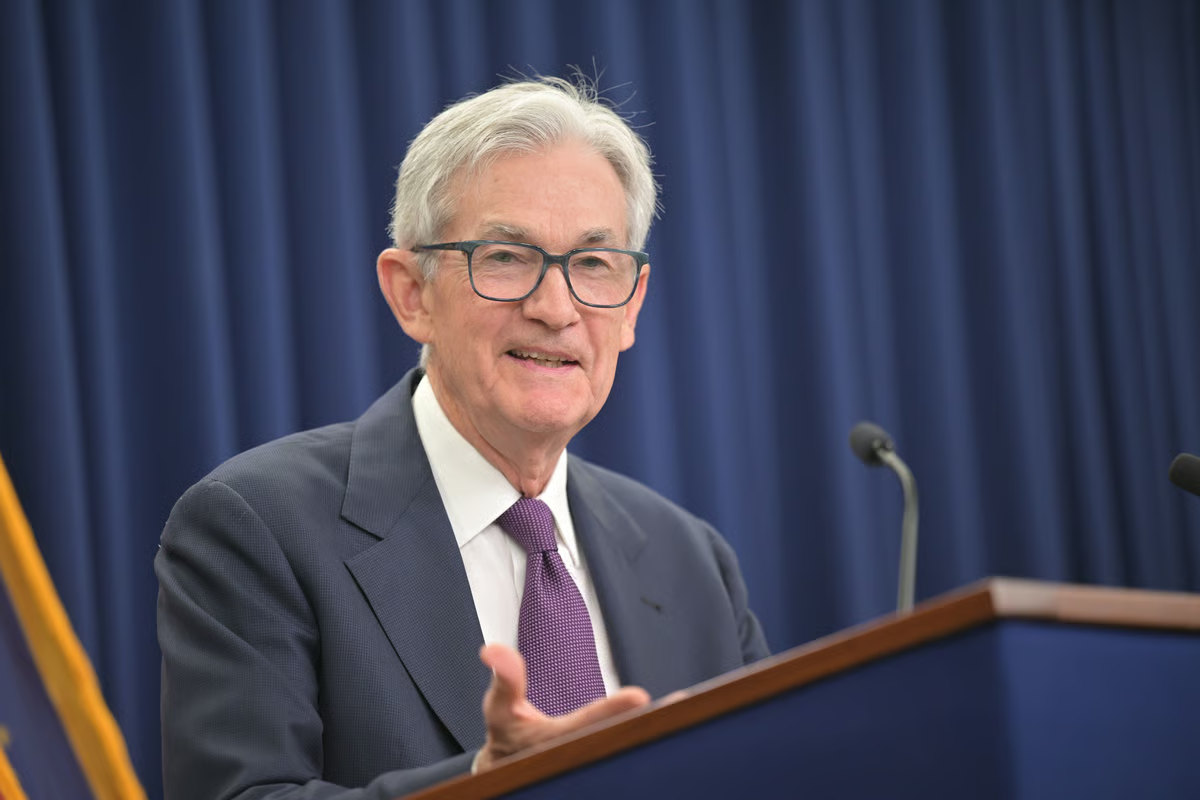
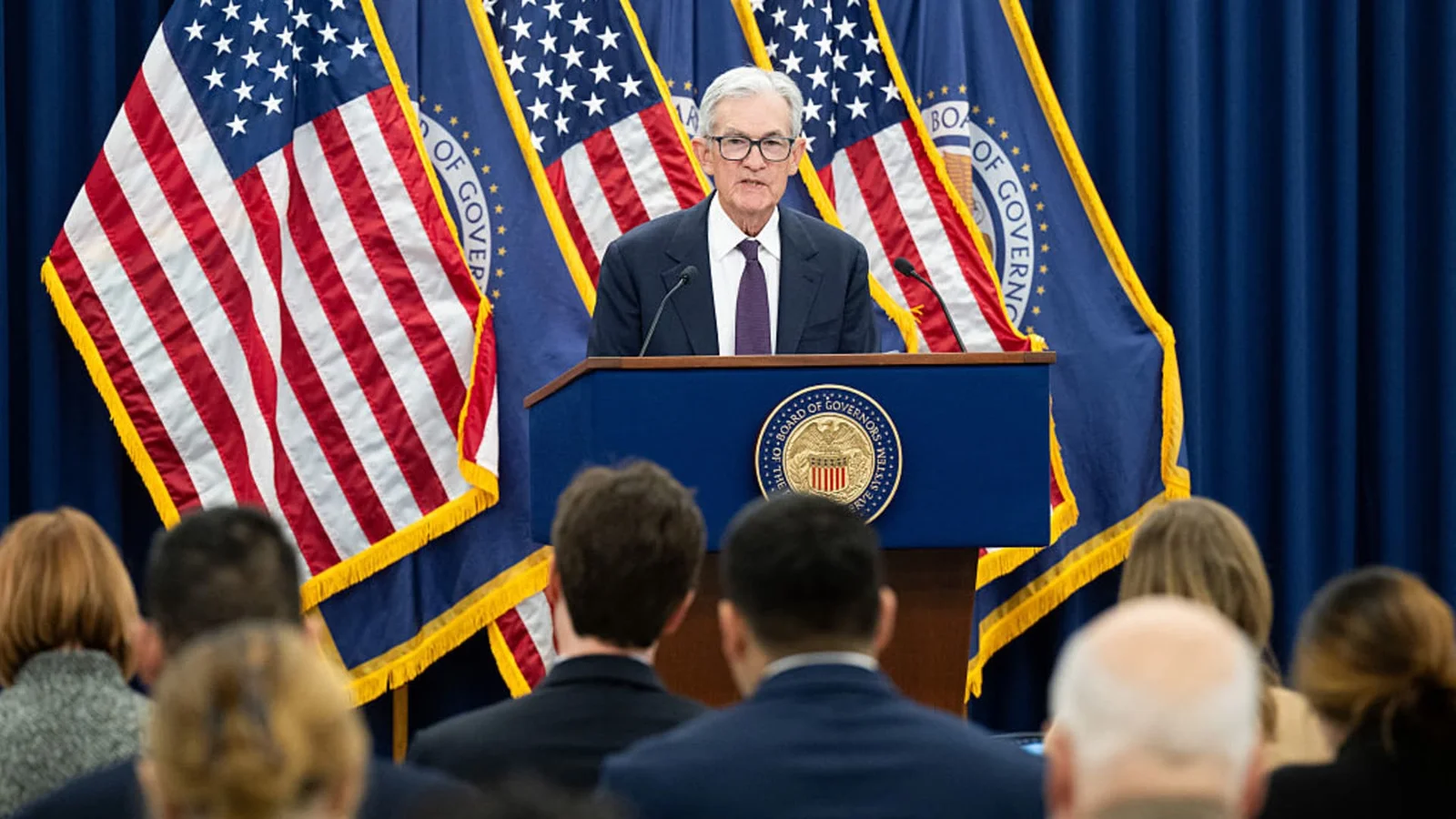
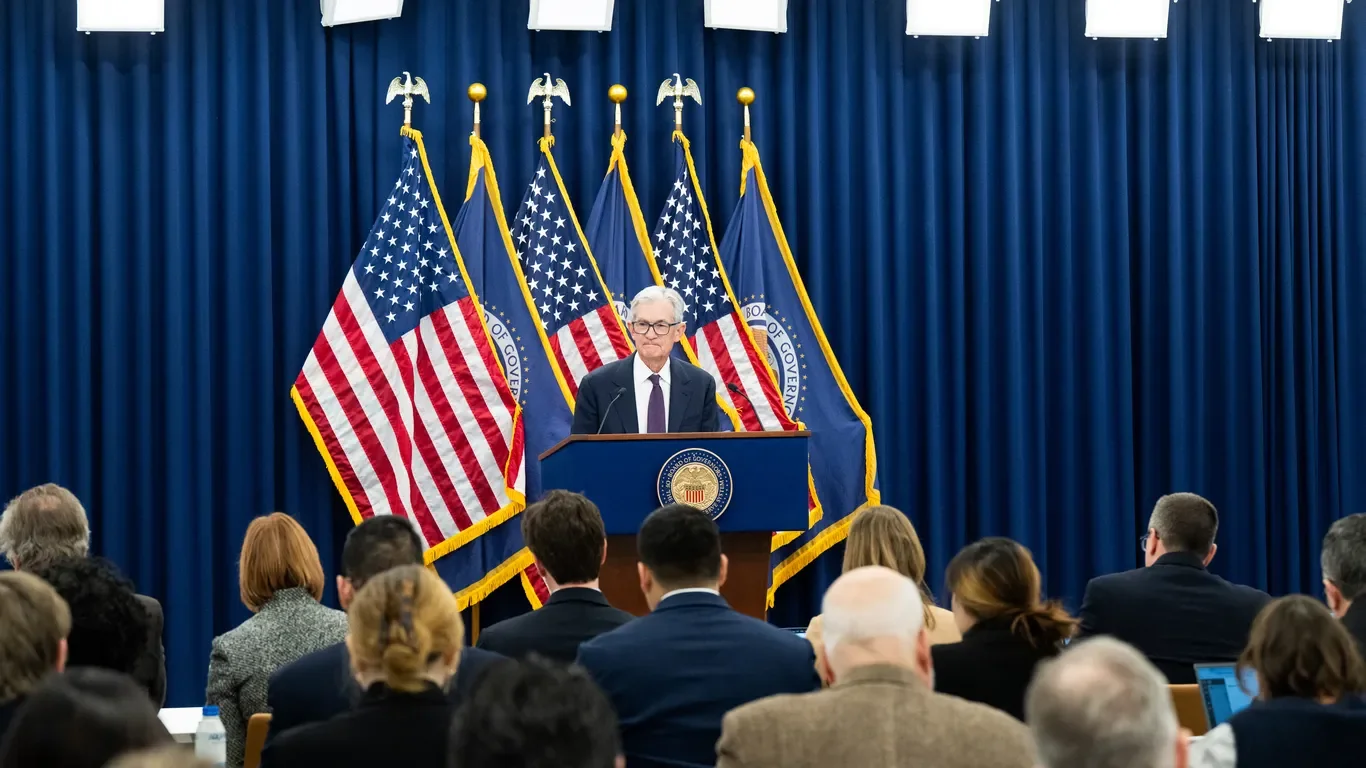
Fed Chair Powell rejects the stagflation label and says he’ll stay through an ongoing investigation as the Fed holds rates at 3.5%–3.75% and signals two potential cuts this year if inflation progresses. Oil-price shocks from the Iran war push near‑term inflation higher, though higher U.S. energy production could cushion some effects. Markets fell as investors weighed the policy stance against ongoing Middle East uncertainty.
A hotter-than-expected February producer price index dampens bets on near-term Fed easing, with December cuts priced in around 60% but not with strong conviction. Odds for June/July/September cuts have fallen as inflation stays elevated due to factors like tariffs, the Iran war, and higher services costs. Markets imply a higher-for-longer path, expecting the fed funds rate to end 2026 near 3.43% versus 3.64% now, as traders await the FOMC decision with hawkish expectations.
State Farm will issue an average $100 per vehicle cash-back dividend to auto policyholders this summer, totaling about $5 billion for more than 49 million vehicles, as auto rates were cut by roughly 10% in 40 states (about $4.6 billion in savings) — the largest dividend in State Farm's 103-year history.
Friday morning's release of the Fed's preferred inflation gauge, the PCE Price Index, could move U.S. markets as traders assess whether inflation is moderating and what that means for Fed rate cuts this year. If PCE confirms cooling inflation, markets could rise with bets of multiple rate cuts; futures currently price in about two 25bp cuts in 2026, potentially lifting to three if the data reinforces a softer inflation path.
Minutes from the Jan. 27-28 FOMC meeting show a clear split among policymakers on the path for rates: some want further cuts if inflation cools, others urge holding rates for now, and a few even floated hikes if inflation stays above target. The decision to hold was marked by dissent from two governors, even as most officials noted signs of labor-market stabilization. Recent data—strong job gains and a softer CPI—keep the outlook mixed. With Powell nearing the end of his term and Kevin Warsh eyed as a successor, the policy path remains unsettled ahead of upcoming meetings.
U.S. stocks fell more than 1% as January labor data showed rising job cuts, higher initial jobless claims, and softer job openings, fueling bets on Fed rate cuts; SPY and QQQ closed lower while odds of a 25-basis-point cut by the March FOMC rose to about 21%.
Federal Reserve Governor Stephen Miran has resigned as chair of the Council of Economic Advisers, a White House post he briefly held after joining the CEA in January 2025 and taking leave in September 2025 to join the Fed Board; his Fed term expired on January 31. At the Fed he pushed for aggressive rate cuts and voted against holds, advocating larger reductions than the 0.25% moves the Fed delivered. In a CNBC interview, he noted his vacancy could clear the way for Kevin Warsh’s nomination as Fed chair. Elizabeth Warren criticized the timing, and Barron’s was the first to report the departure while CNBC sought comment.
Four rotating regional Fed presidents—Lorie Logan (Dallas), Beth Hammack (Cleveland), Anna Paulson (Philadelphia) and Neel Kashkari (Minneapolis)—join the FOMC’s voting slate this year, potentially making policy more cautious as inflation stays above 2%. They share voting power with the New York Fed chief and the Fed governors, meaning Trump’s push for rapid rate cuts could face resistance. The first 2026 meeting is expected to keep rates unchanged, with the Fed projecting only one cut for the year if conditions allow.
Federal Reserve Governor Michelle Bowman said the central bank should stay prepared to cut rates again if job‑market risks emerge, signaling a more dovish stance as policymakers weigh future moves in light of labor‑market dynamics and inflation concerns.
Silver jumped above $90 an ounce for the first time and gold hovered near an all-time high as a mix of attacks on the Federal Reserve, expectations of additional U.S. rate cuts, and geopolitical tensions fueled a broad rally in precious metals.
Federal Reserve Bank of Philadelphia President Anna Paulson indicated that further interest rate cuts might be delayed as the economy stabilizes, with a cautious outlook on inflation and the labor market, suggesting only modest adjustments later in the year.
Precious metals, especially gold, started 2026 strongly, boosted by hopes of U.S. rate cuts and geopolitical tensions, with gold reaching near record highs and other metals like silver and platinum also posting significant gains, driven by global economic concerns and increased demand.
Some Fed officials are hesitant to support further interest rate cuts in 2026, citing concerns about inflation and economic stability, leading to a split in policy views amid ongoing economic growth and labor market uncertainties. The Fed's future moves remain uncertain, especially with upcoming leadership changes and political pressures.