Tag

Rediscovery

All articles tagged with #rediscovery

Two Lazarus marsupials reappear in New Guinea after millennia
science16 days ago

Two Lazarus marsupials reappear in New Guinea after millennia

Two marsupials once known only from fossils — the pygmy long-fingered possum (Dactylonax kambuayai) and the ring-tailed glider (Tous ayamaruensis) — were rediscovered alive in New Guinea, earning Lazarus taxa status; the glider is placed in a new genus Tous in honor of local Indigenous communities, highlighting collaboration with Traditional Owners and the persistence of life in isolated forests.

Ancient Marsupials Reemerge in New Guinea After 6,000 Years
science1 month ago

Ancient Marsupials Reemerge in New Guinea After 6,000 Years

Researchers have rediscovered two marsupial species—the pygmy long-fingered possum and the ring-tailed glider—in New Guinea, after about 6,000 years of presumed extinction. Documented in studies led by Tim Flannery, the finds label them Lazarus taxa and underscore New Guinea’s role as a haven for ancient biodiversity. The work also spotlights urgent conservation needs amid deforestation and wildlife trade, with Indigenous communities aiding in locating and identifying these species.

Scientists in Barbados Rediscover the World's Smallest Snake
science8 months ago

Scientists in Barbados Rediscover the World's Smallest Snake

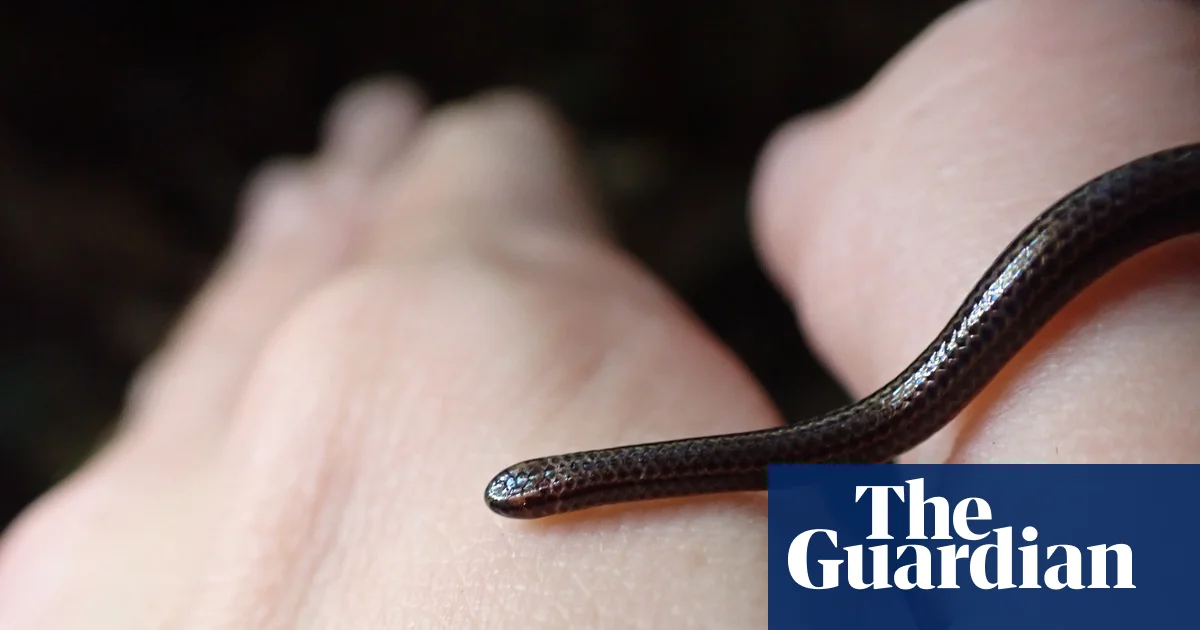
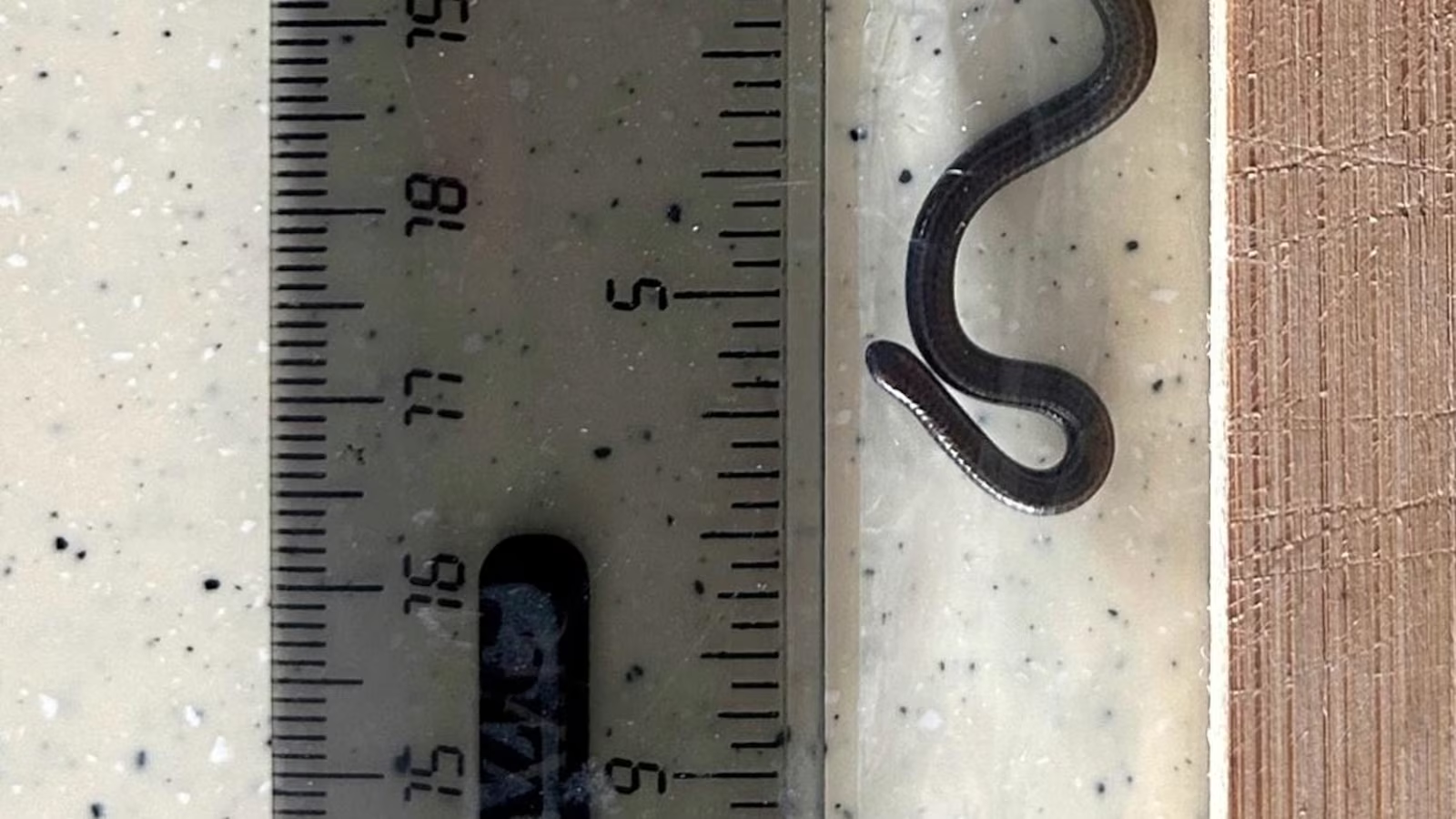
Scientists rediscovered the world's smallest-known snake, the Barbados threadsnake, after nearly 20 years of being lost to science. Found in Barbados, this tiny, blind snake measures up to four inches and plays a crucial role in its ecosystem. The rediscovery highlights the importance of habitat conservation, especially on islands with many endangered endemic species.

Tiny Seahorse Unveils Hidden Worm Species
science1 year ago

Tiny Seahorse Unveils Hidden Worm Species

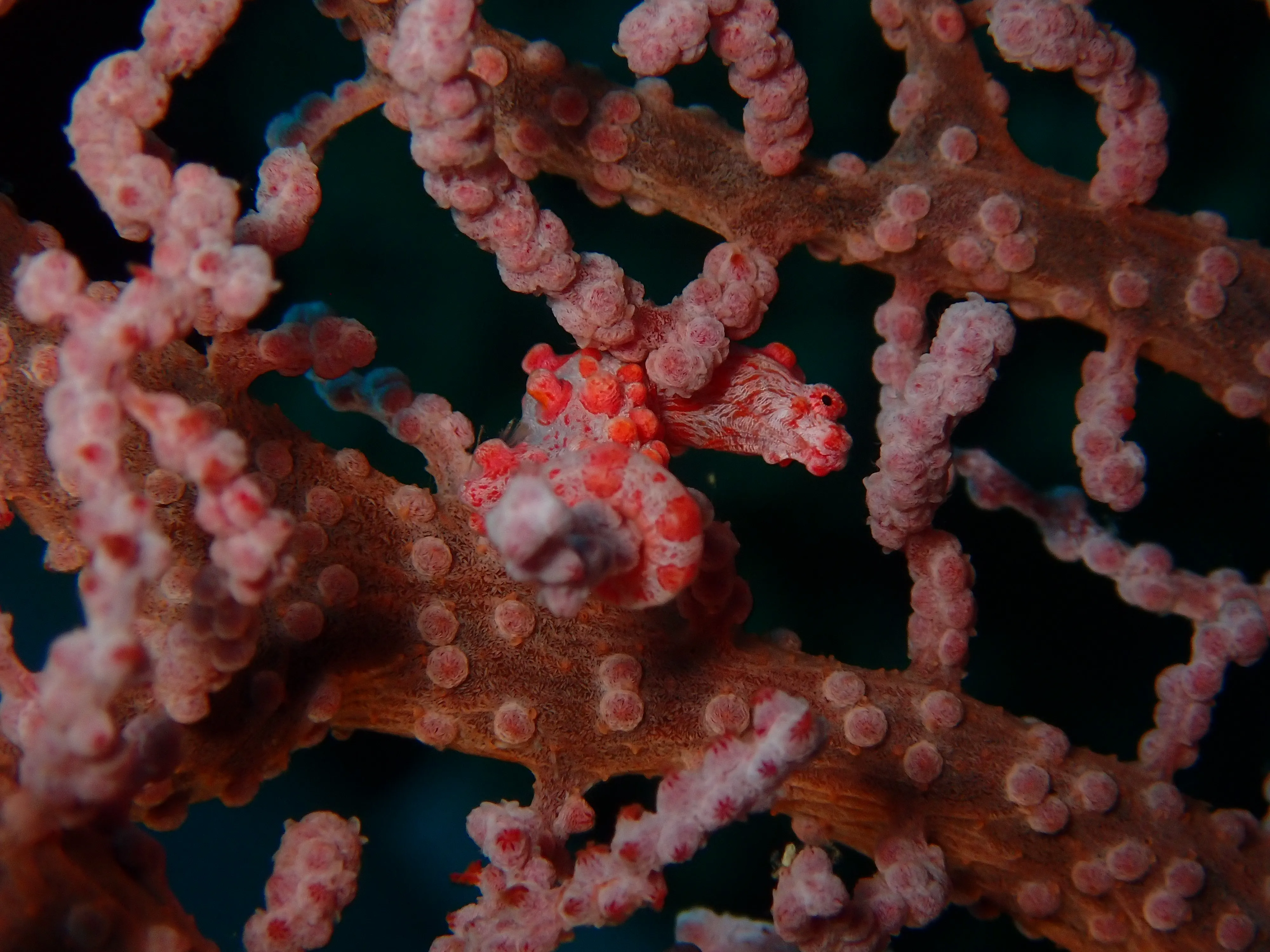
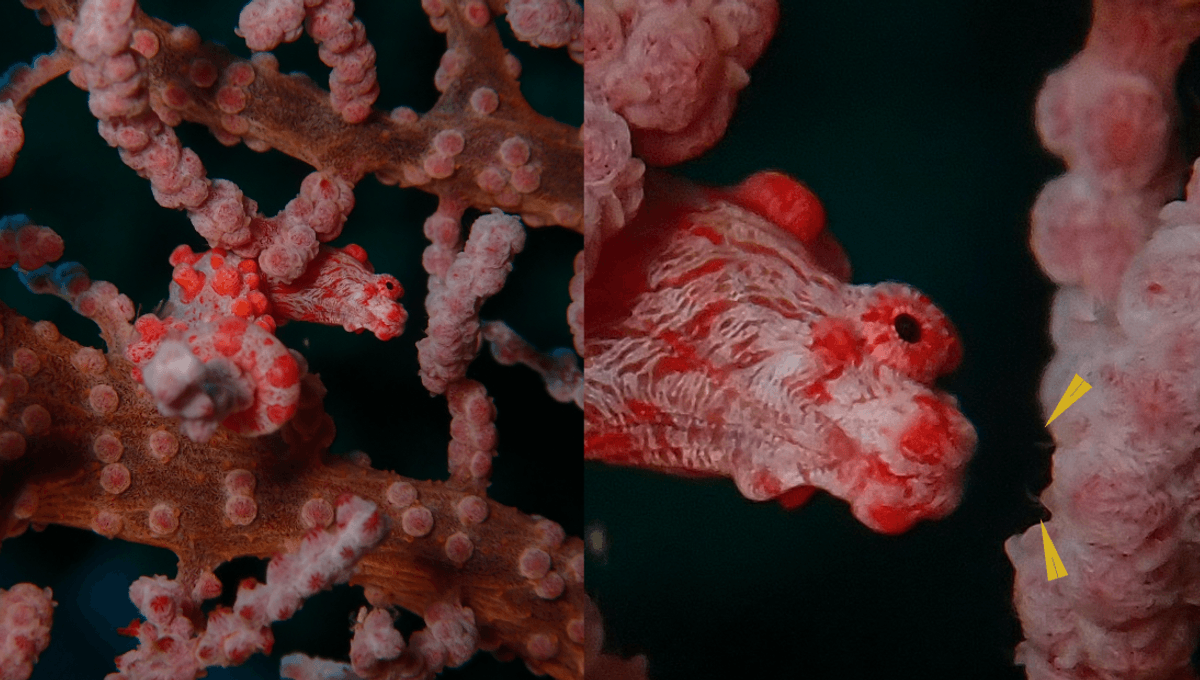
Researchers at the University of the Ryukyus in Okinawa, Japan, have rediscovered a long-lost species of polychaete worm, Haplosyllis anthogorgicola, while studying pygmy seahorses. These tiny, translucent worms live in coral burrows and were last recorded in 1956. The discovery highlights the complex symbiotic relationships between the worms, seahorses, and corals, and suggests that the worms may clean the coral by consuming leftover food. The study underscores the importance of examining species interactions within their ecosystems and the potential for citizen science platforms like iNaturalist to aid in such discoveries.

Rediscovered Worm Found in Seahorse Photos After 68 Years
nature1 year ago

Rediscovered Worm Found in Seahorse Photos After 68 Years

A marine worm species, Haplosyllis anthogorgicola, thought to be lost since 1956, has been rediscovered photobombing pygmy seahorses in citizen science photos. Researchers found the worm in three-quarters of seahorse images on iNaturalist, revealing its widespread presence and behavior. This discovery highlights the potential of citizen science platforms to uncover "lost" species hidden in plain sight.

"Rare Clara Bow Film 'The Pill Pounder' Discovered at Omaha Auction"
entertainment2 years ago

"Rare Clara Bow Film 'The Pill Pounder' Discovered at Omaha Auction"

A presumed-lost 1923 silent film featuring Clara Bow, titled "The Pill Pounder," was rediscovered at an Omaha auction. The 20-minute film provides a crucial glimpse into Bow's path to superstardom and has been restored with the help of Bow biographer David Stenn. The rediscovery of this film has sparked renewed interest in silent film and may lead to a general resurgence of interest in the genre.

"Rare Yellow-Crested Bird Rediscovered in Stunning First Photo"
nature2 years ago

"Rare Yellow-Crested Bird Rediscovered in Stunning First Photo"

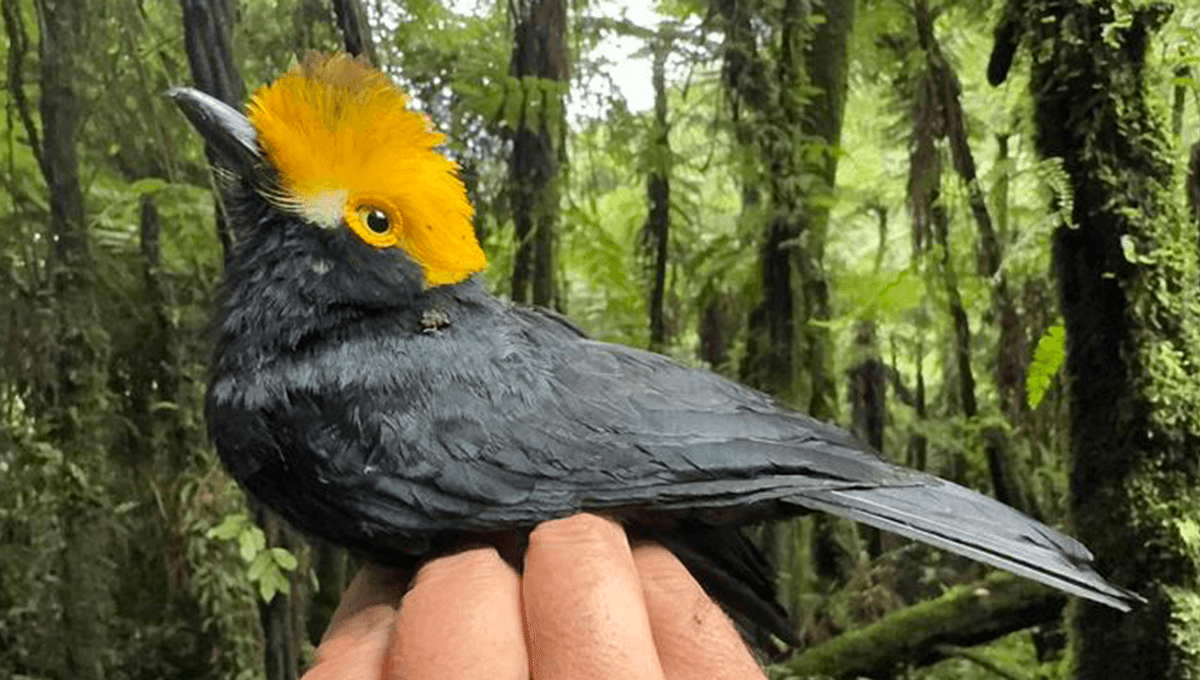
Researchers from the University of Texas at El Paso captured the first ever photo of the yellow-crested helmetshrike, a bird species not seen for nearly 20 years, during an expedition in the Democratic Republic of the Congo. The team also rediscovered an amphibian species, the red-bellied squeaker frog. However, both species face threats from habitat loss due to agriculture and mining, prompting discussions on conservation efforts to protect the region's forests and the helmetshrike.

"Lost Klimt Portrait Rediscovered After 100 Years, Expected to Fetch $54 Million at Auction"
arts-and-culture2 years ago

"Lost Klimt Portrait Rediscovered After 100 Years, Expected to Fetch $54 Million at Auction"

Gustav Klimt's long-lost "Portrait of Fräulein Lieser," last seen in Vienna in the 1920s, has been rediscovered and is set to be auctioned, with an estimated value of 30-50 million euros. The painting, featuring a young woman, is a rare find and is expected to attract international attention. Its history and provenance have been carefully examined, and an agreement has been reached with the present owner and the descendants of the Lieser family based on guidelines for identifying and restoring artwork confiscated by the Nazis.

"Lost Klimt Portrait Found After 100 Years, Expected to Sell for $54 Million"
arts-and-culture2 years ago

"Lost Klimt Portrait Found After 100 Years, Expected to Sell for $54 Million"

A long-lost portrait by Gustav Klimt, Portrait of Fräulein Lieser, has resurfaced in a private collection and is expected to fetch up to $54 million at auction. Belonging to an Austrian industrialist's family, the subject of the painting is now believed to be one of three sisters. The artwork, dating back to 1917, will be auctioned in April and is set to tour Switzerland, Germany, Great Britain, and Hong Kong before the sale.

Miraculous Rediscovery: Sand-Swimming Golden Mole, Presumed Extinct for Decades, Found Alive in South Africa
conservation2 years ago

Miraculous Rediscovery: Sand-Swimming Golden Mole, Presumed Extinct for Decades, Found Alive in South Africa

The De Winton's golden mole, a species feared extinct since 1937, has been rediscovered near Port Nolloth in South Africa. This blind and elusive mole, known for its ability to "swim" through sand dunes, was found after a two-year search aided by a trained dog named Jessie. The team used environmental DNA testing to confirm the presence of the mole. The discovery highlights the importance of protecting the area from threats such as diamond-mining to ensure the survival of this endangered species and others.