Tag

Coelacanth

All articles tagged with #coelacanth

From Fossil to Living Legend: The 1938 Coelacanth Discovery in East London
science23 days ago

From Fossil to Living Legend: The 1938 Coelacanth Discovery in East London

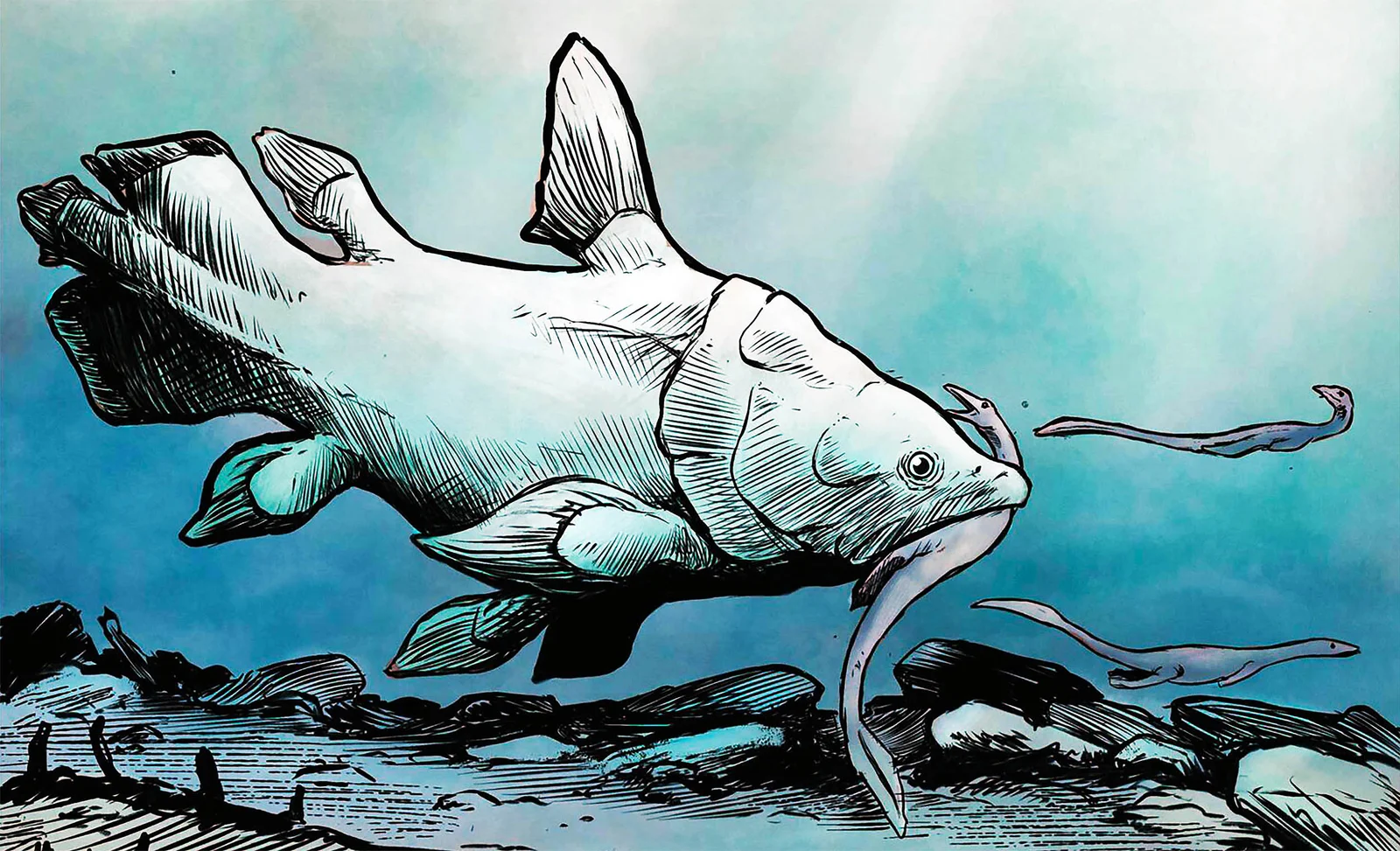
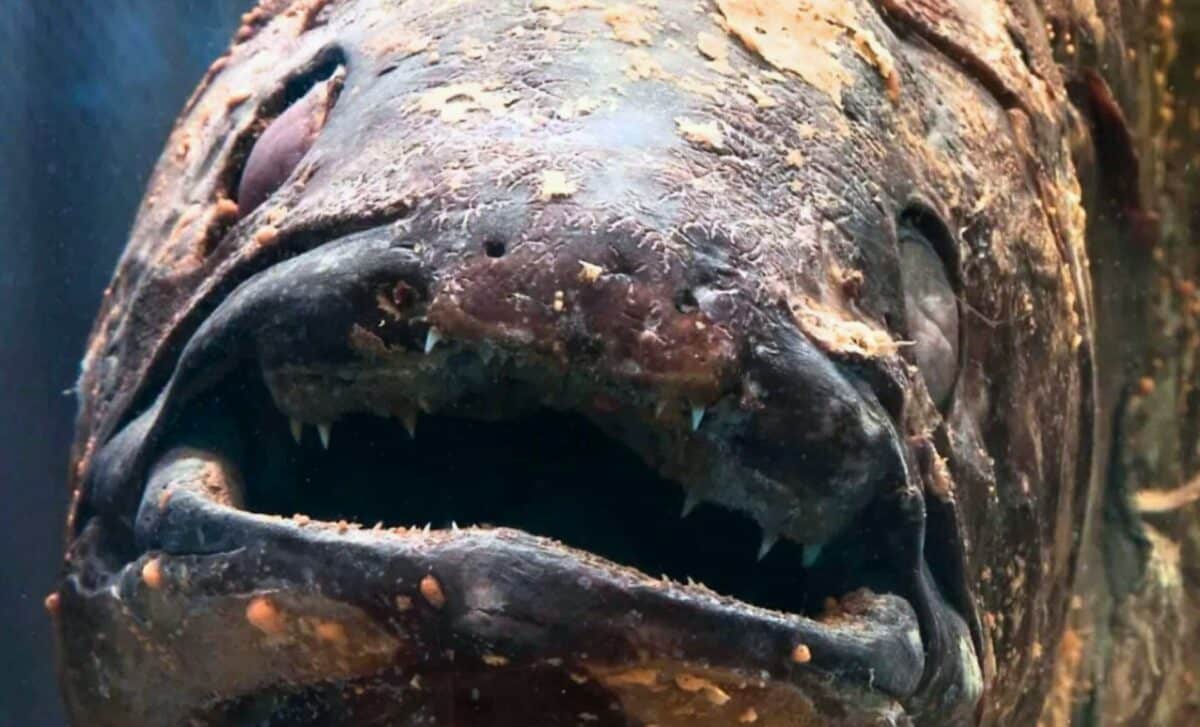
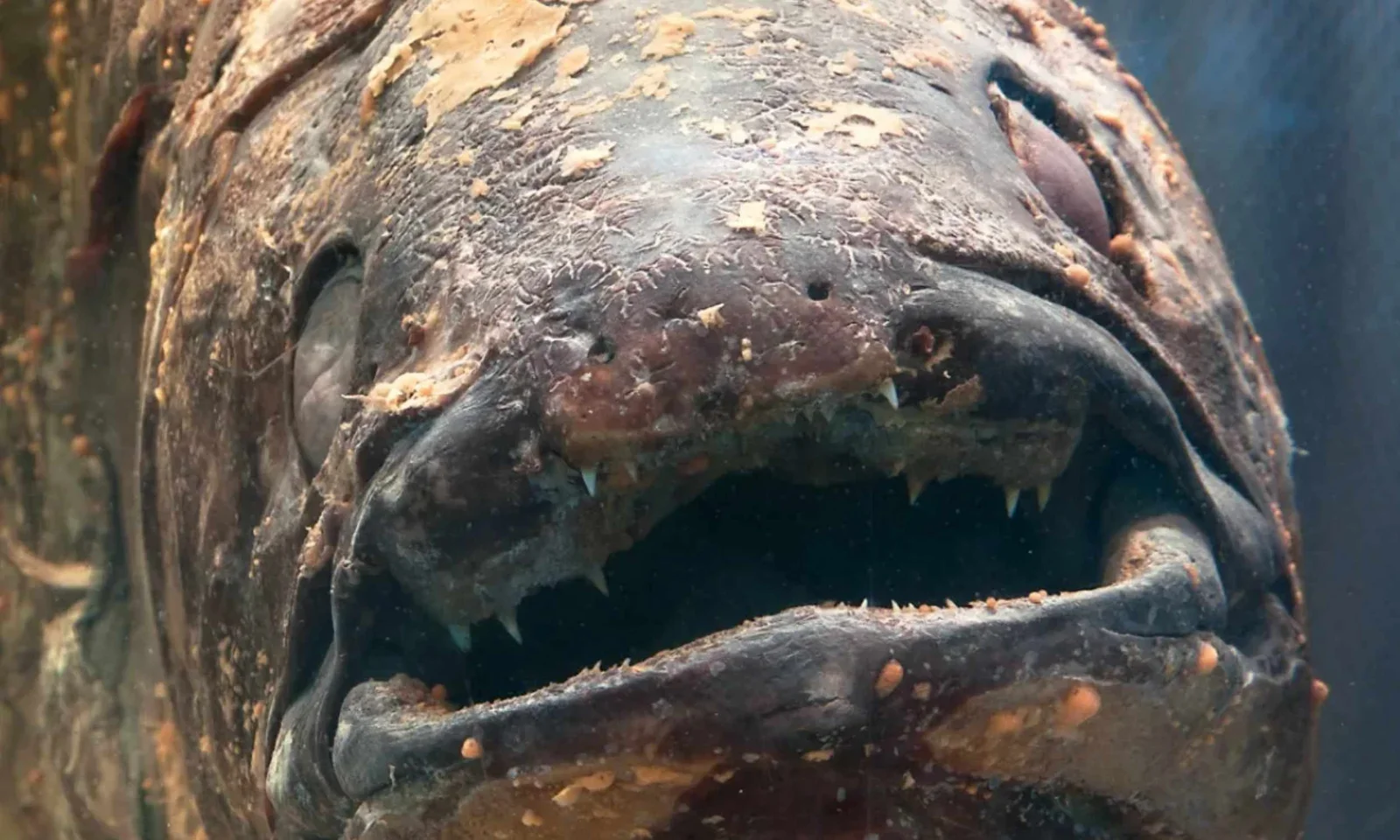
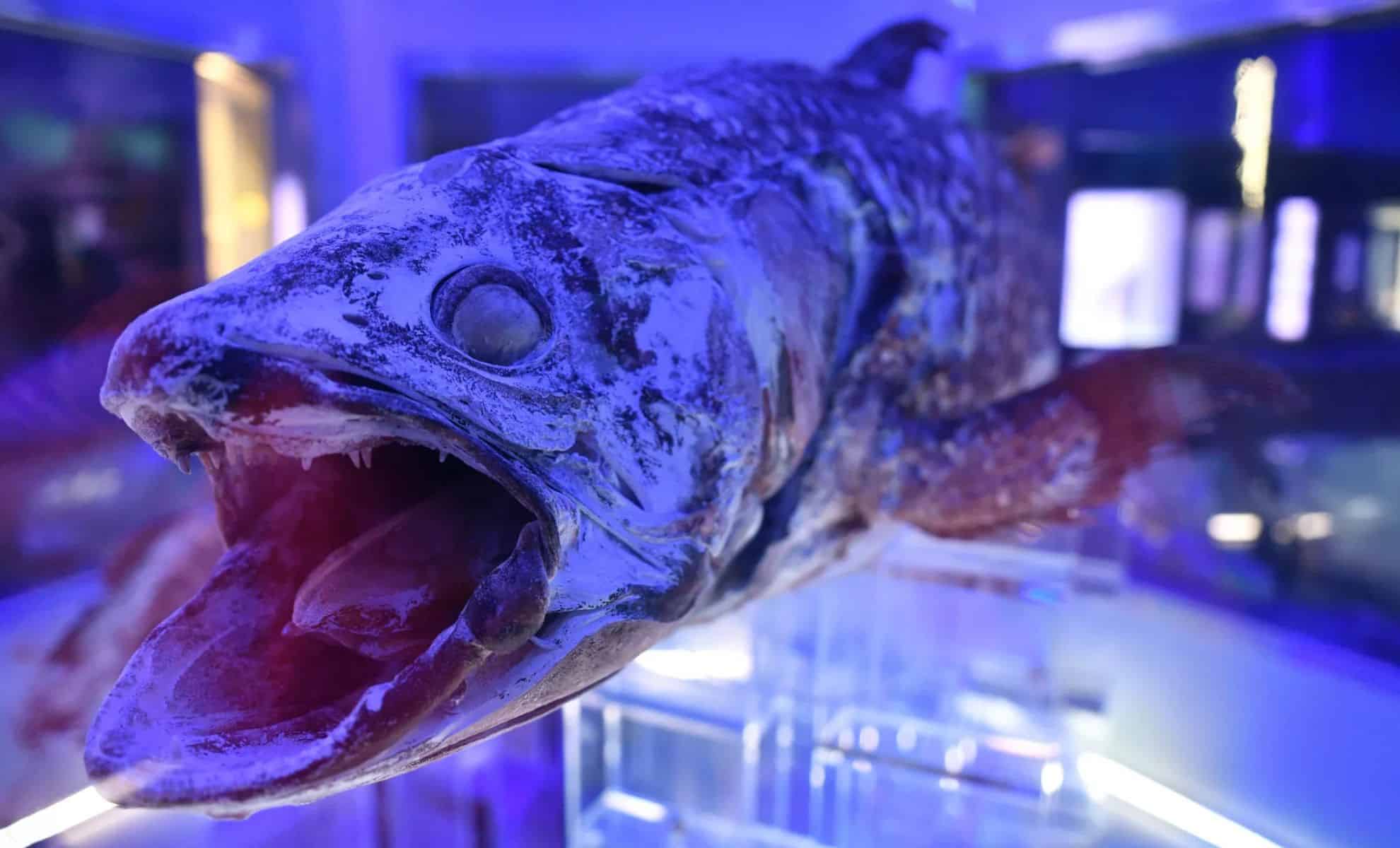
In 1938, East London Museum curator Marjorie Courtenay-Latimer found a heavy blue coelacanth in a trawler’s discard, a fish science had believed extinct for tens of millions of years. Ichthyologist J.L.B. Smith confirmed its identity as Latimeria chalumnae, publishing the finding in Nature and showing that absence of evidence in the fossil record does not prove extinction. The discovery sparked shifts in how scientists view ‘living fossils’ and evolution, and later work revealed ongoing genomic change despite the fish’s ancient lineage.

Ancient Fishes Survived the Ages: Six Lineages Still Swim Today
natural-sciences1 month ago

Ancient Fishes Survived the Ages: Six Lineages Still Swim Today

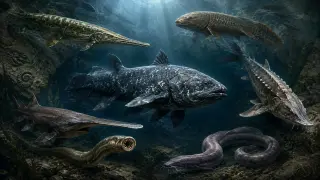
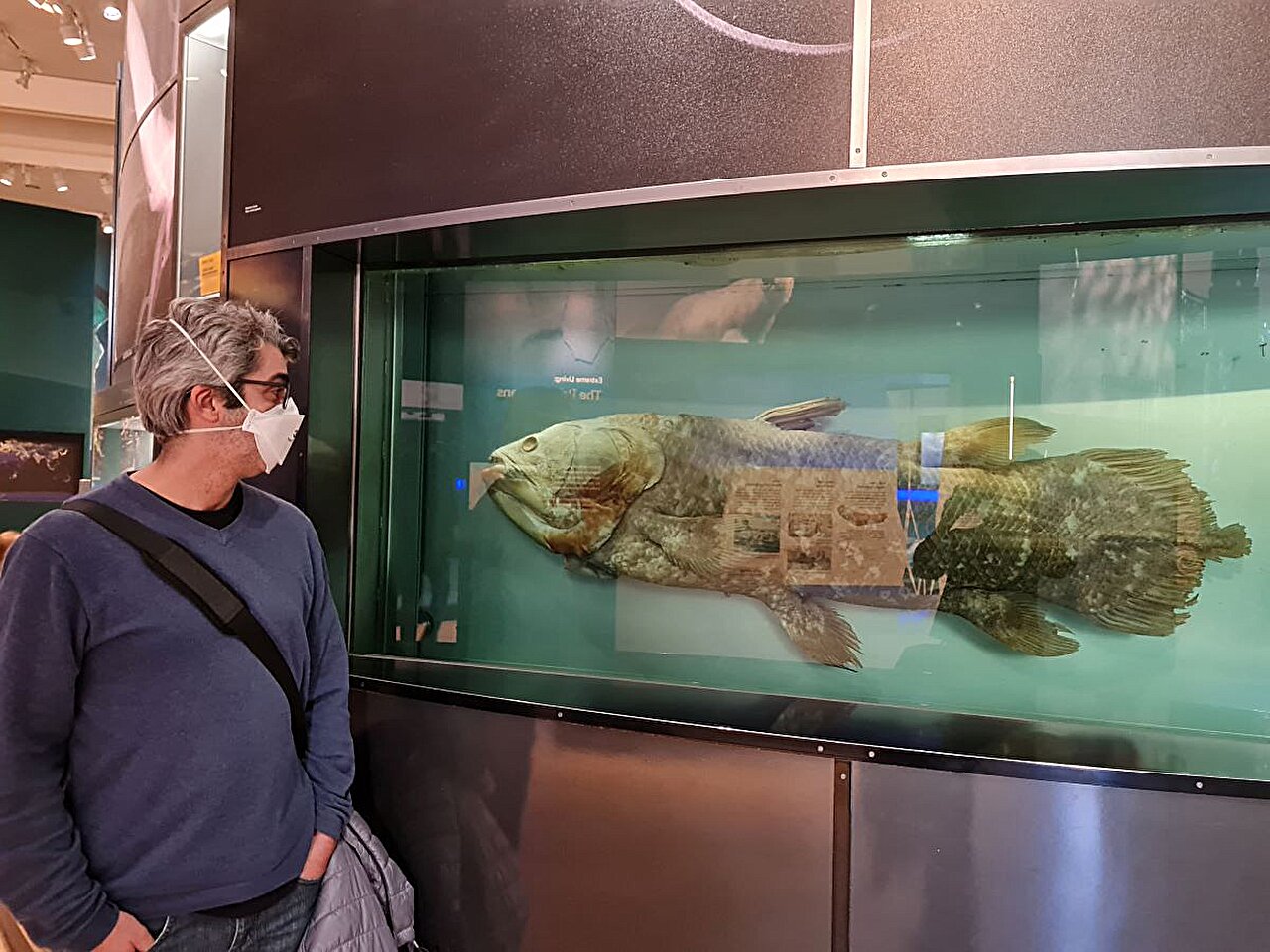
A science feature highlights six ancient fish lineages—coelacanth, sturgeon, lungfish, lamprey, hagfish, and paddlefish—that have persisted for hundreds of millions of years, offering insights into vertebrate evolution while slowly evolving at the genetic level, and notes how modern threats like habitat loss and pollution endanger these evolutionary treasures.

A Living Fossil's Shocking Return: Coelacanth Rewrites Extinction Story
science2 months ago

A Living Fossil's Shocking Return: Coelacanth Rewrites Extinction Story

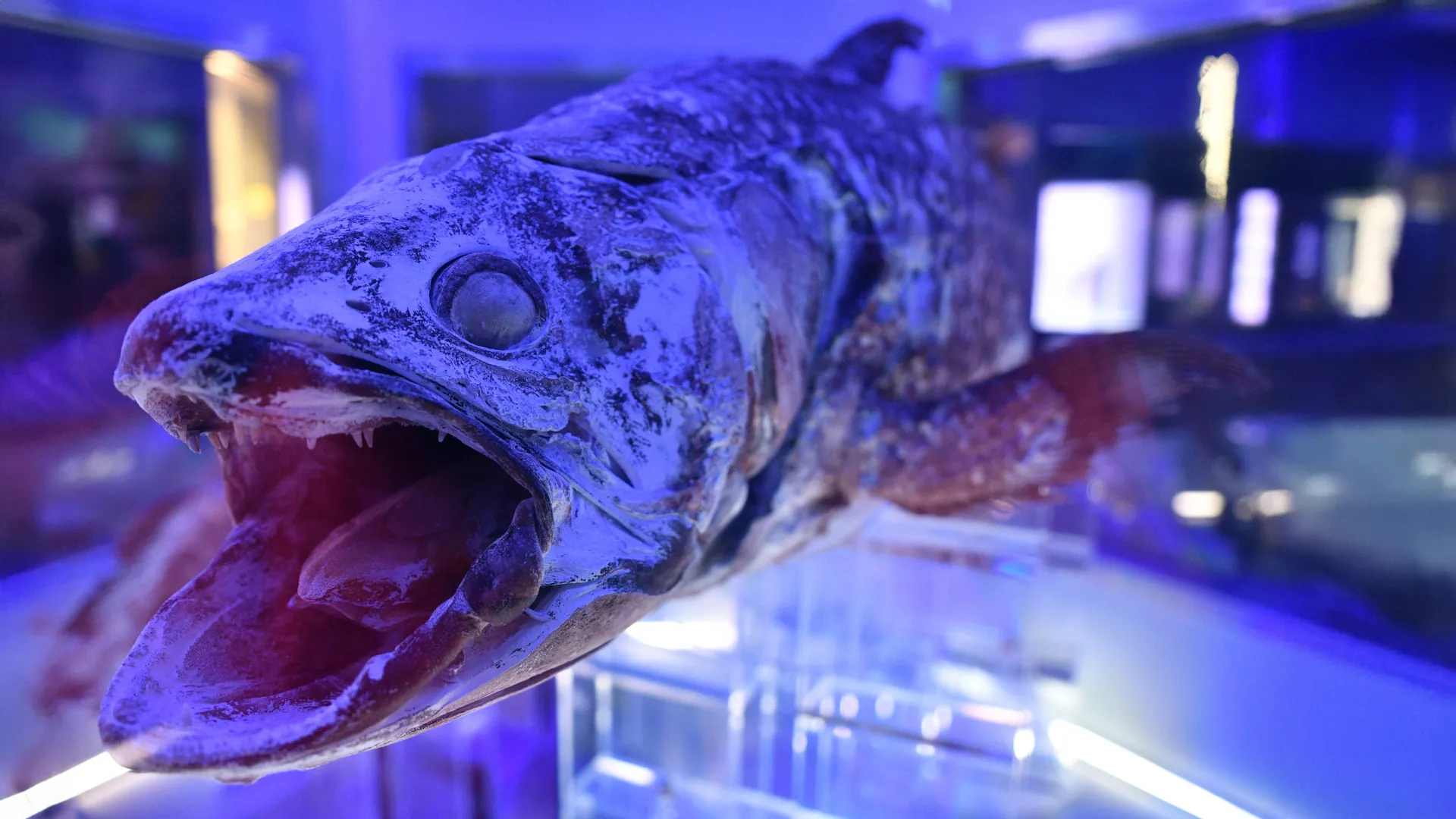
In 1938 a self-taught East London museum curator found a coelacanth, long believed extinct, prompting J.L.B. Smith to spend 14 years proving its survival; the living fish, a Lazarus taxon, challenged assumptions about extinction and revealed a lineage spanning hundreds of millions of years, with subsequent finds expanding its known range and confirming its rarity and vulnerability into modern times.

Ancient Coelacanth Fossil Rewrites a Crucial Chapter in Its 400-Million-Year Lineage
science2 months ago

Ancient Coelacanth Fossil Rewrites a Crucial Chapter in Its 400-Million-Year Lineage

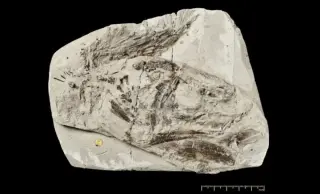
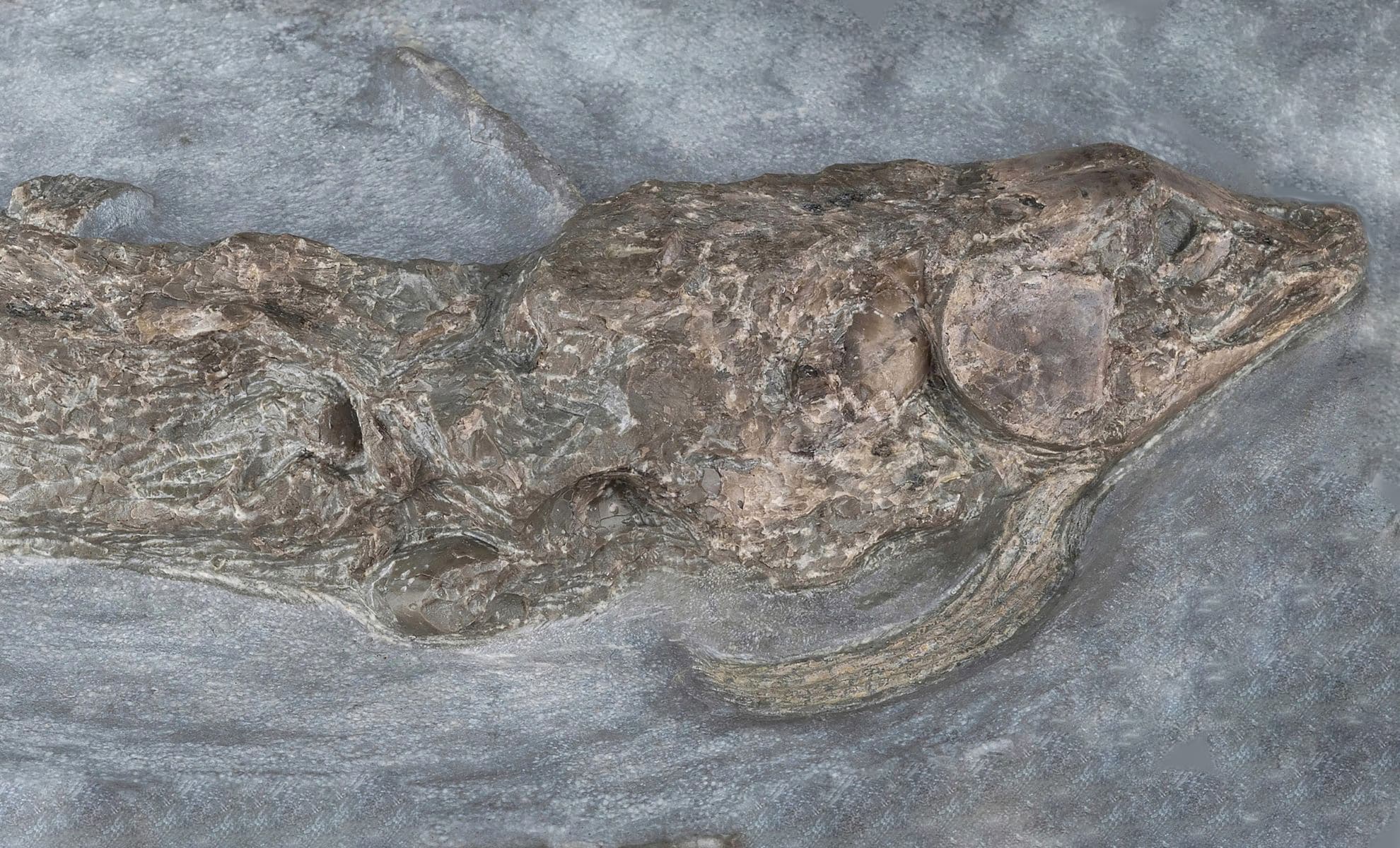
A 150-year-old fossil at London’s Natural History Museum has been identified as a new coelacanth species, Macropoma gombessae, using 3D XCT imaging. The find fills a 50-million-year gap in the coelacanth fossil record, shedding light on how these 'living fossils' persisted with little change and underscoring the value of museum collections and modern technology in paleontology.

Ancient Relatives of Dinosaur-Resilient Fish Discovered
science6 months ago

Ancient Relatives of Dinosaur-Resilient Fish Discovered

A new study reexamines over 50 fossils from the Late Triassic period in Britain, revealing they are ancient coelacanths, related to modern species, and correcting past mislabeling. These findings shed light on the diversity and ecology of coelacanths just before the end-Triassic extinction, emphasizing the importance of museum collections in scientific discovery.

240-Million-Year-Old Species Discovered with Particle Accelerator
science1 year ago

240-Million-Year-Old Species Discovered with Particle Accelerator

Scientists have discovered a new species of coelacanth, Graulia branchiodonta, using the European Synchrotron Radiation Facility in France. This extinct fish, dating back 240 million years, was found in exceptional condition, allowing researchers to create detailed 3D models of its skeleton. The study highlights the potential of synchrotron technology in paleontology, offering unprecedented insights into ancient species and their evolutionary history.

"Unchanged Through Time: 5 Living Fossils of the Earth"
science-and-nature2 years ago

"Unchanged Through Time: 5 Living Fossils of the Earth"

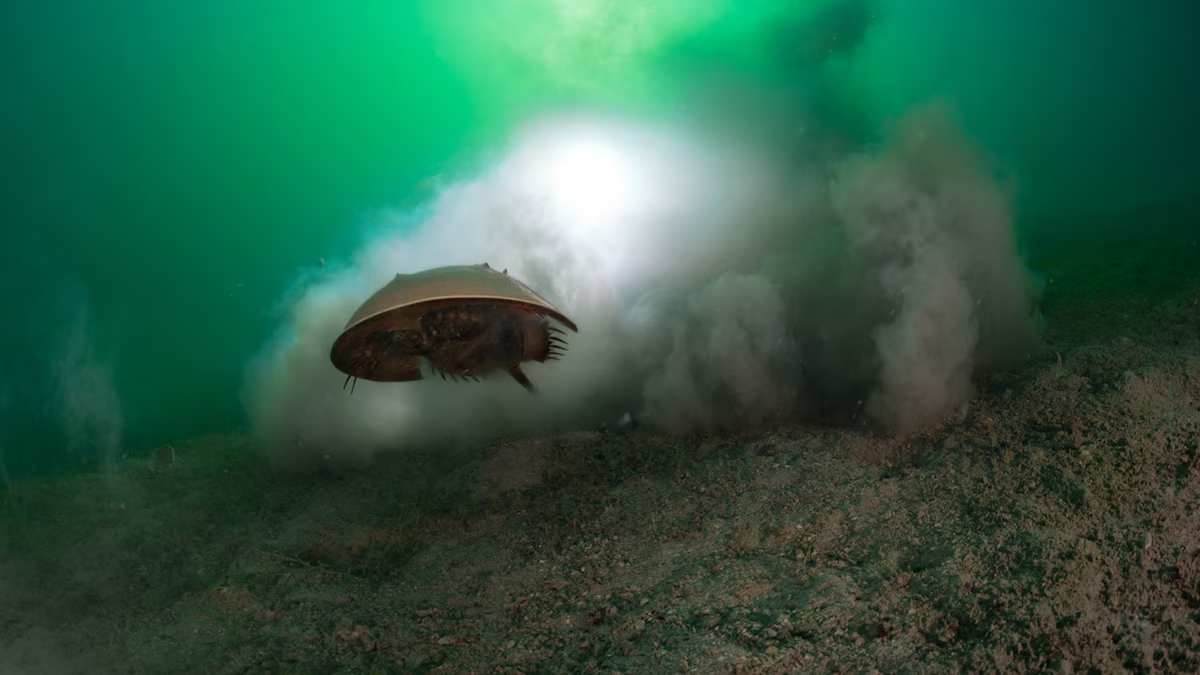
The article discusses five "living fossils" that have survived for millions of years, including the horseshoe crab, tuatara, nautilus, coelacanth, and ginkgo tree. These organisms are descendants of ancient lineages and closely resemble their fossilized ancestors. Despite their outward similarity, their DNA has evolved over time. The survival of these living fossils is attributed to their tolerance for environmental conditions and marine habitats. However, human interference and exploitation have endangered some of these species, highlighting the importance of conservation efforts.

"Resurrected from Extinction: The Remarkable Centenarian West Indian Ocean Coelacanth"
science2 years ago

"Resurrected from Extinction: The Remarkable Centenarian West Indian Ocean Coelacanth"

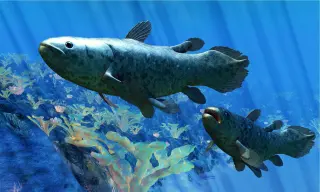
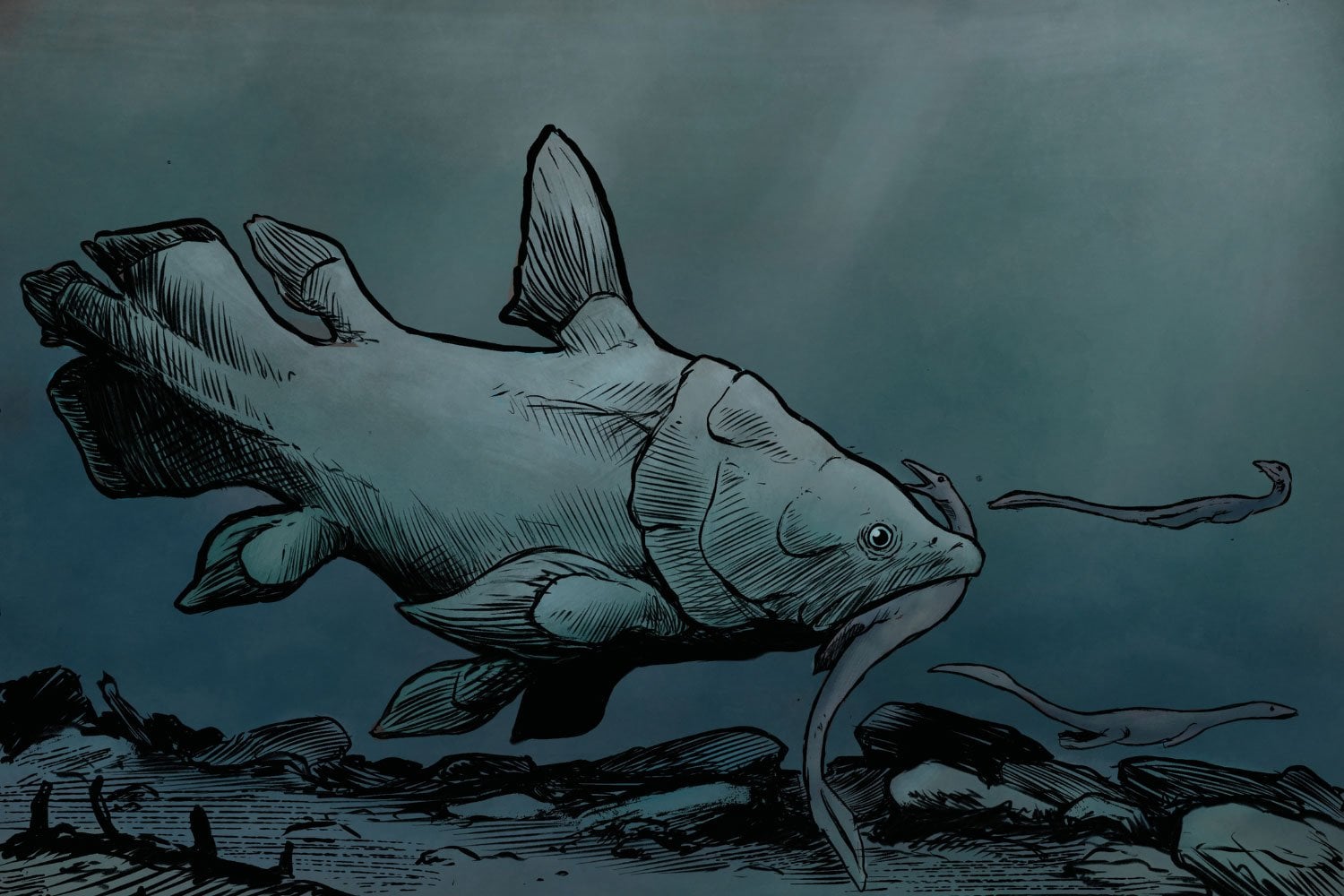
The West Indian Ocean coelacanth, a Lazarus species once thought to be extinct for over 65 million years, was rediscovered off the coast of South Africa in 1938. These ancient bony fish can grow up to 6.5 feet long, weigh up to 198 pounds, and live for up to 100 years. They have slow metabolism, low oxygen absorption, and a unique skeleton that allows them to hunt while doing a headstand. Coelacanths reach sexual maturity late, with males breeding from age 40 and females from age 58, and have the longest gestation period of any known vertebrate, lasting five years.