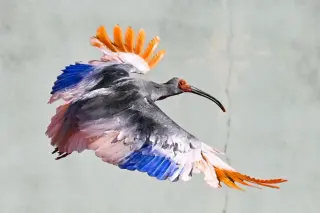
Eight captive-bred crested ibises were released into the wild in Hakui, Japan, in a milestone conservation effort decades after the species disappeared from the country, an event attended by Crown Prince Akishino and other officials.
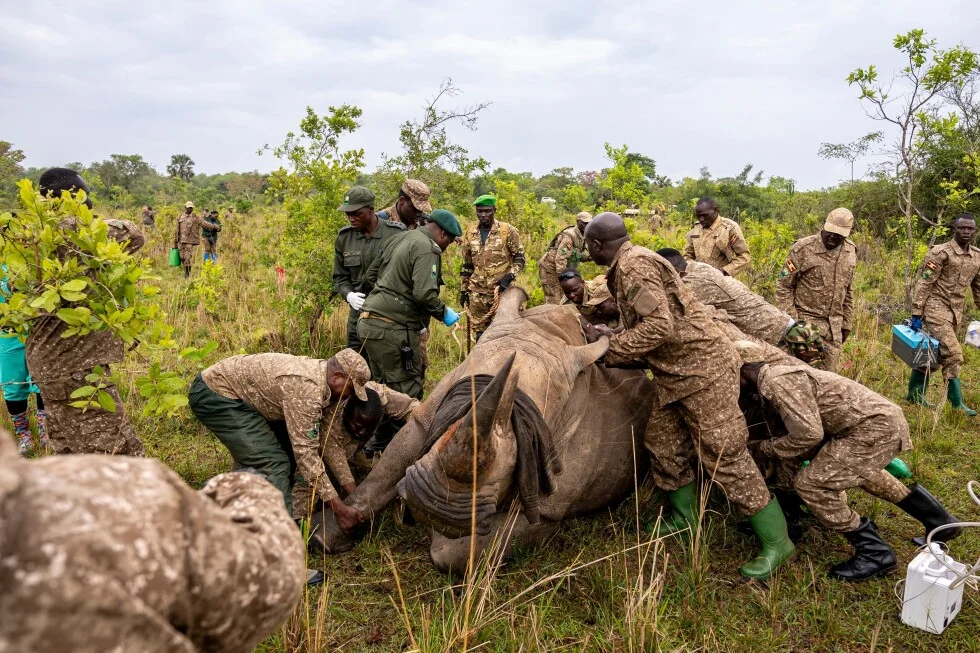
Uganda has reintroduced rhinos into a remote protected area in the northeast, where they were extinct since 1983, relocating animals from the Ziwa Rhino Sanctuary and a private ranch to Kidepo Valley National Park. Conservationists view the move as a significant milestone in rhino recovery amid ongoing poaching threats.
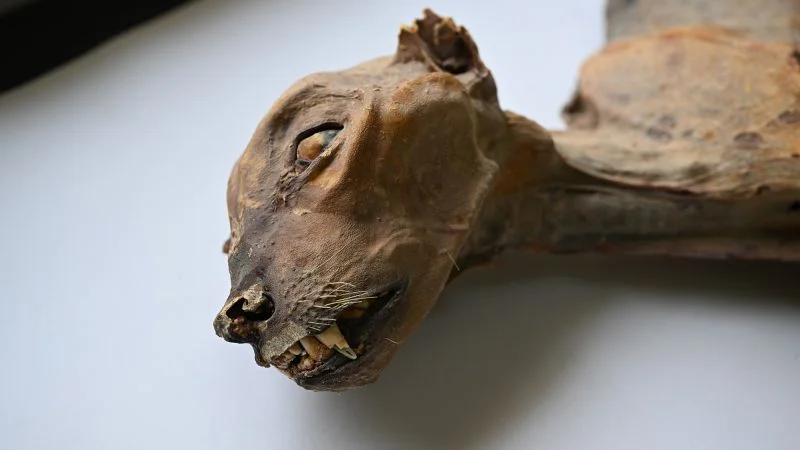
Saudi researchers found seven naturally mummified cheetahs in five caves near Arar, with DNA from three mummies showing two of the oldest specimens belonged to Acinonyx jubatus hecki (Northwest African cheetah). Dated up to 4,000 years old (and up to ~1,870 years for some), the remains reveal multiple cheetah lineages once roamed the Arabian Peninsula and indicate cheetahs thrived there historically. The study, based on exceptionally preserved tissue, offers a DNA-backed guide for selecting subspecies and lineages best suited to potential reintroduction in Saudi Arabia’s protected habitats.
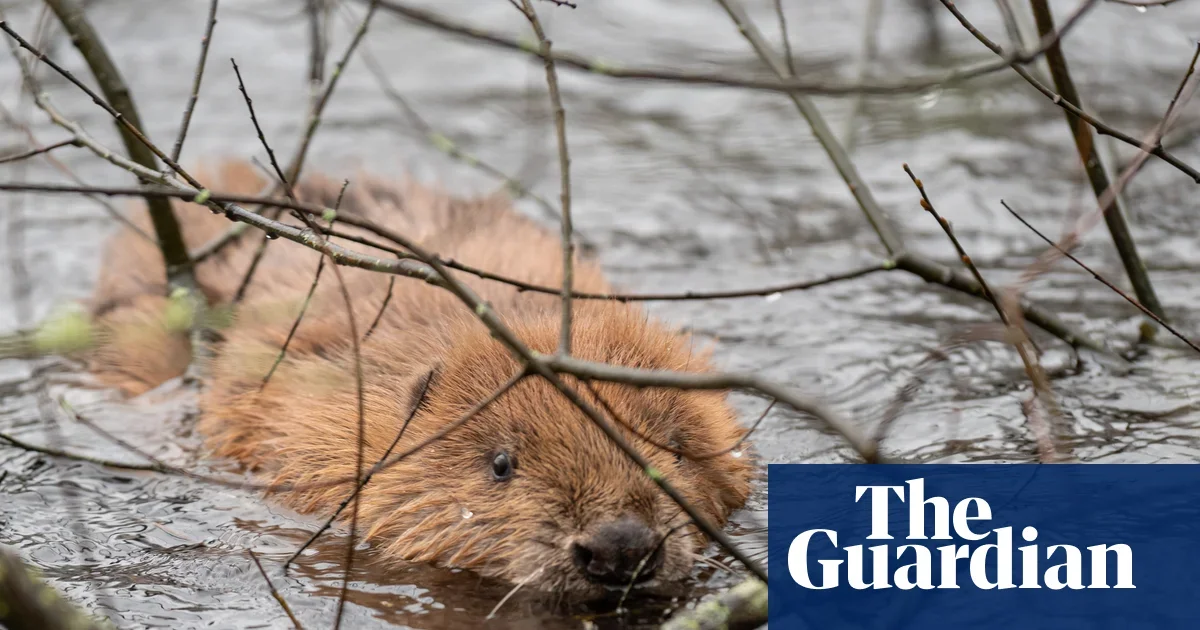
England authorizes its first legally licensed beaver release into a river system, with two beavers released into a Cornwall pond as part of a broader plan to establish a self-sustaining, diverse population that could improve water management and biodiversity; the process remains costly and bureaucratic, but officials expect more catchment-wide releases in the coming years.
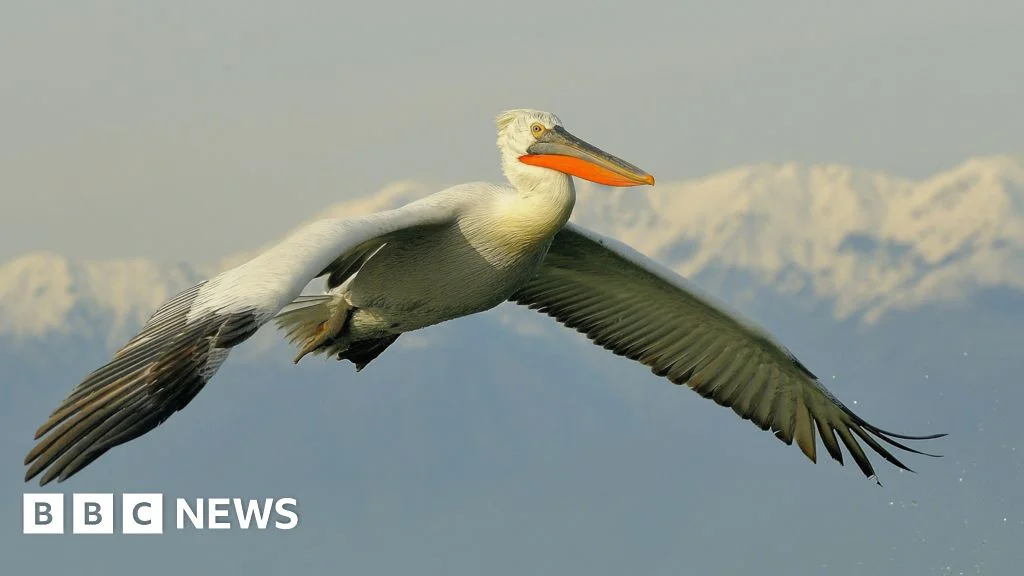
Conservationists are studying the feasibility of reintroducing the Dalmatian pelican, Europe’s largest flying bird, to historic UK wetlands (Norfolk and Suffolk Broads, Essex marshes, Somerset Levels) to boost habitat restoration and serve as an indicator of wetland health.
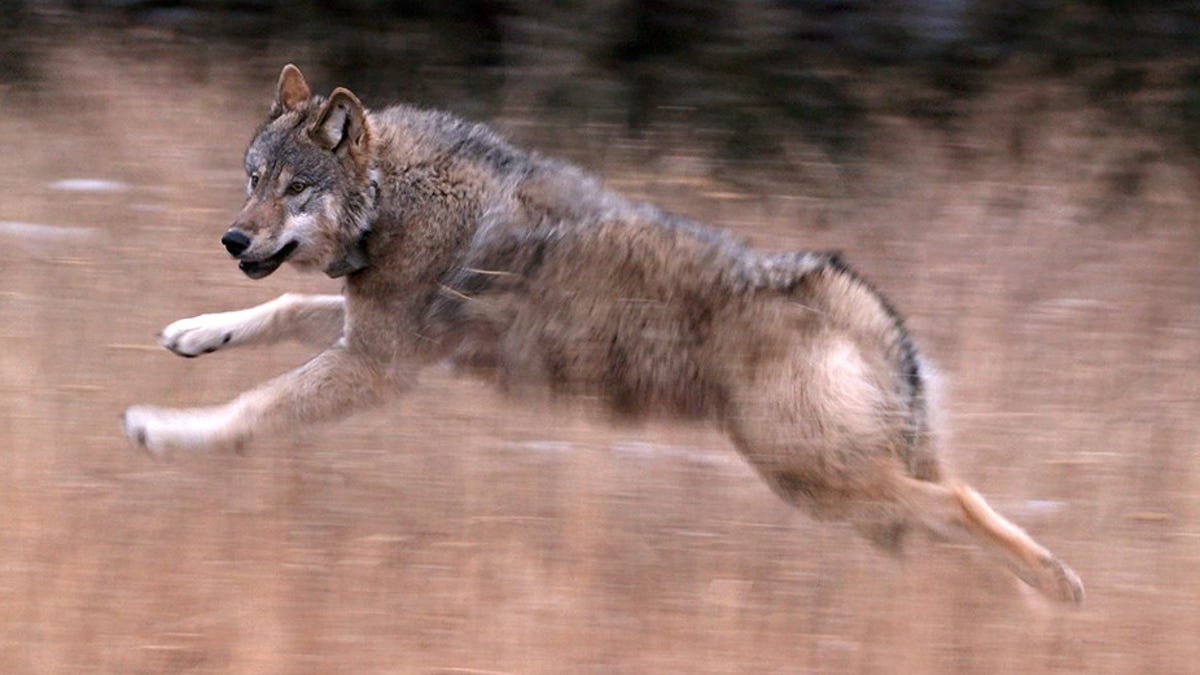
A calf was killed in Colorado in the first confirmed gray wolf depredation since the animals' reintroduction in December. The attack, which occurred in Grand County, has reignited concerns among ranchers about the risks wolves pose to livestock. Colorado's controversial wolf reintroduction plan, which aims to release up to 50 wolves captured from Oregon, has faced opposition from farmers and ranchers who fear the impact on wildlife and livestock.
Colorado Parks and Wildlife released a map showing the locations of 12 collared wolves in Colorado, with the wolves ranging in drainages in several counties. Lawmakers grilled wildlife officials about the reintroduction of wolves from Oregon, expressing concerns about trust, collaboration, and addressing mental health problems for impacted communities. The agency is working to repair relationships and define chronic depredation, while also aiming to rebuild trust with communities impacted by the reintroduction. The wolves are being tracked through collars and the agency is taking a pause to review its reintroduction work and focus on avoiding conflicts with livestock.
The 12 wolves released in Colorado last month, along with two from Wyoming, have been tracked in the central and northern mountains, with a map showing their general locations in watersheds across Jackson, Routt, Eagle, Summit, and Grand counties. Colorado Parks and Wildlife will not disclose specific GPS data to protect the animals, and the wolves' movements are tracked via collars that transmit positions every four hours. The agency plans to release a new map of the wolves' general locations monthly, but has faced criticism for lack of transparency and communication with local ranchers and leaders regarding the reintroduction plan.
Representative Lauren Boebert, a Republican from Colorado, has criticized the reintroduction of gray wolves in Colorado, claiming that it puts ranchers and farmers' livestock at risk. However, environmentalists argue that this effort is necessary to address the biodiversity extinction crisis. The reintroduction of five gray wolves came after voters narrowly approved the measure in 2020. Opponents, including ranchers and rural residents, have raised concerns about the wolves preying on livestock. To address these concerns, the state will compensate ranchers for any animals preyed upon by the wolves. The exact reintroduction location has not been disclosed to protect the wolves.
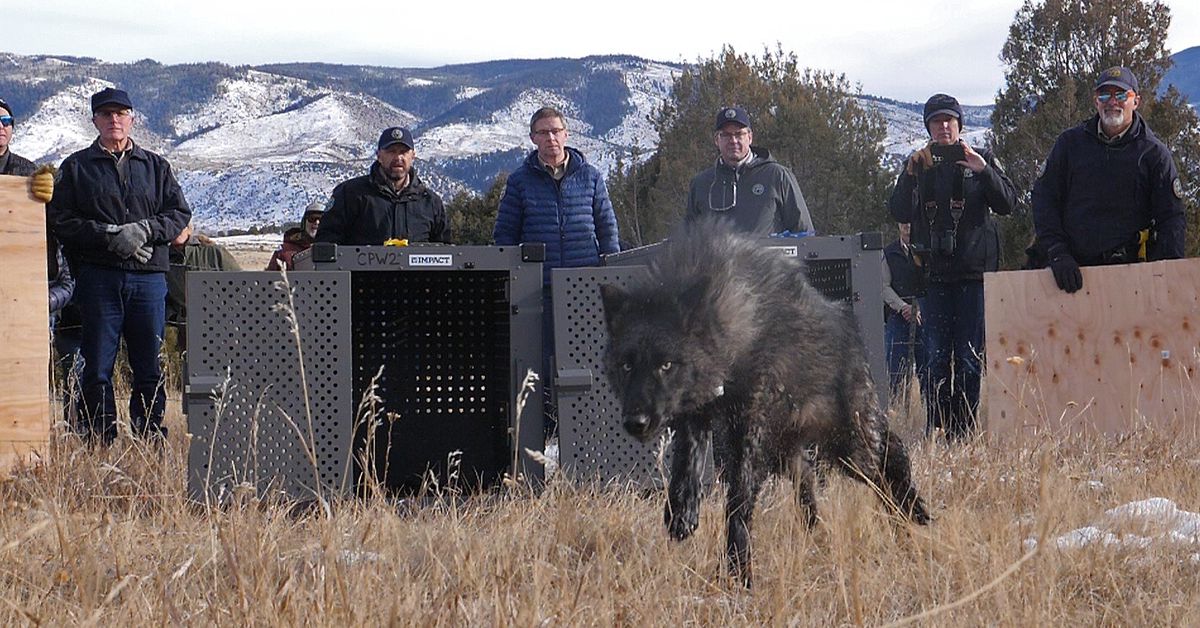
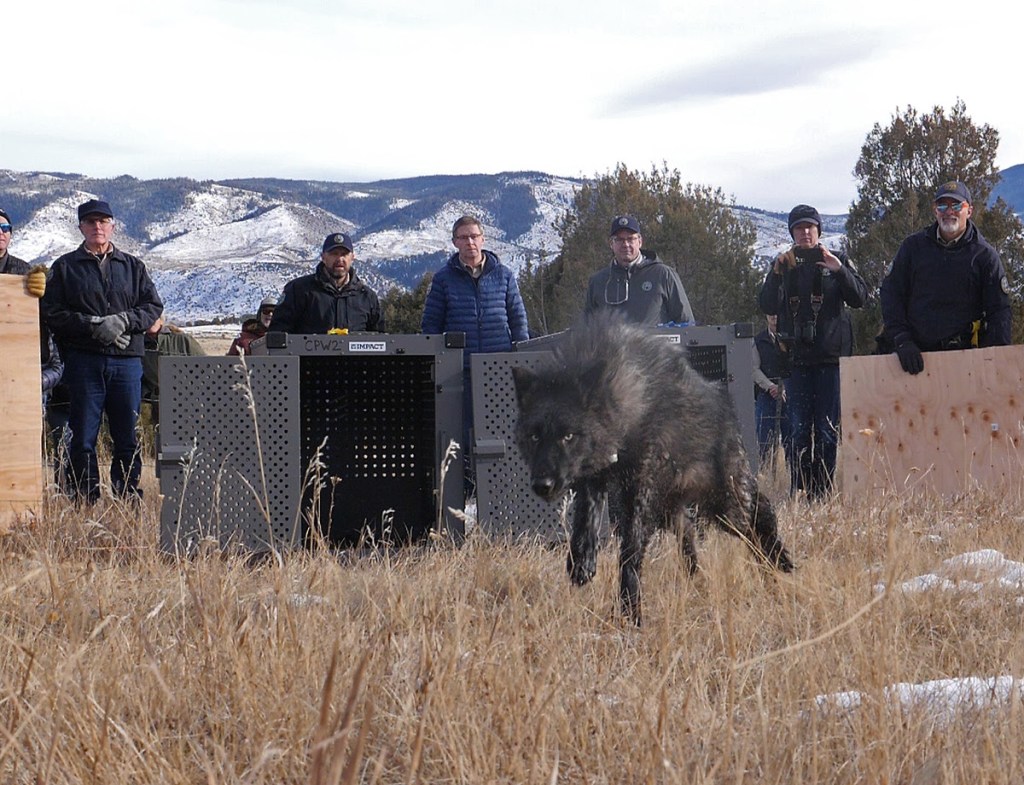
Five gray wolves have been reintroduced in Colorado, marking a significant step in efforts to conserve the endangered species. The release of the wolves onto public land follows a 2020 vote by residents to reintroduce the species. Despite opposition from ranching groups, a federal judge allowed the plan to proceed. The wolves, transplanted from Oregon, will be relocated over the next few years to connect fragmented populations and promote genetic exchange. The reintroduction of wolves in Colorado is seen as a positive development for the ecosystem and could have implications for wolf populations across the US.
Colorado congresswoman Lauren Boebert criticized the reintroduction of gray wolves to a remote area in Colorado's Rocky Mountains, expressing concern over potential attacks on livestock. Despite opposition from ranchers, the reintroduction effort was approved by voters in 2020. Boebert argued that the decision disregarded the concerns of rural America and called for listening to ranchers and farmers instead of radical environmental groups. The wolves were reintroduced after nearly being hunted to extinction, and advocates argue that they play a crucial role in the local ecosystem.
Five gray wolves were released in a remote part of Colorado's Rocky Mountains as part of a voter-approved reintroduction program. The release marks the beginning of the most ambitious wolf reintroduction effort in the U.S. in almost three decades. The program aims to release 30 to 50 wolves within the next five years to fill in one of the last remaining major gaps for the species in the western U.S. The reintroduction has sparked divisions between rural and urban residents, with concerns raised by ranchers about attacks on livestock and hunting groups worried about the impact on big game animals.
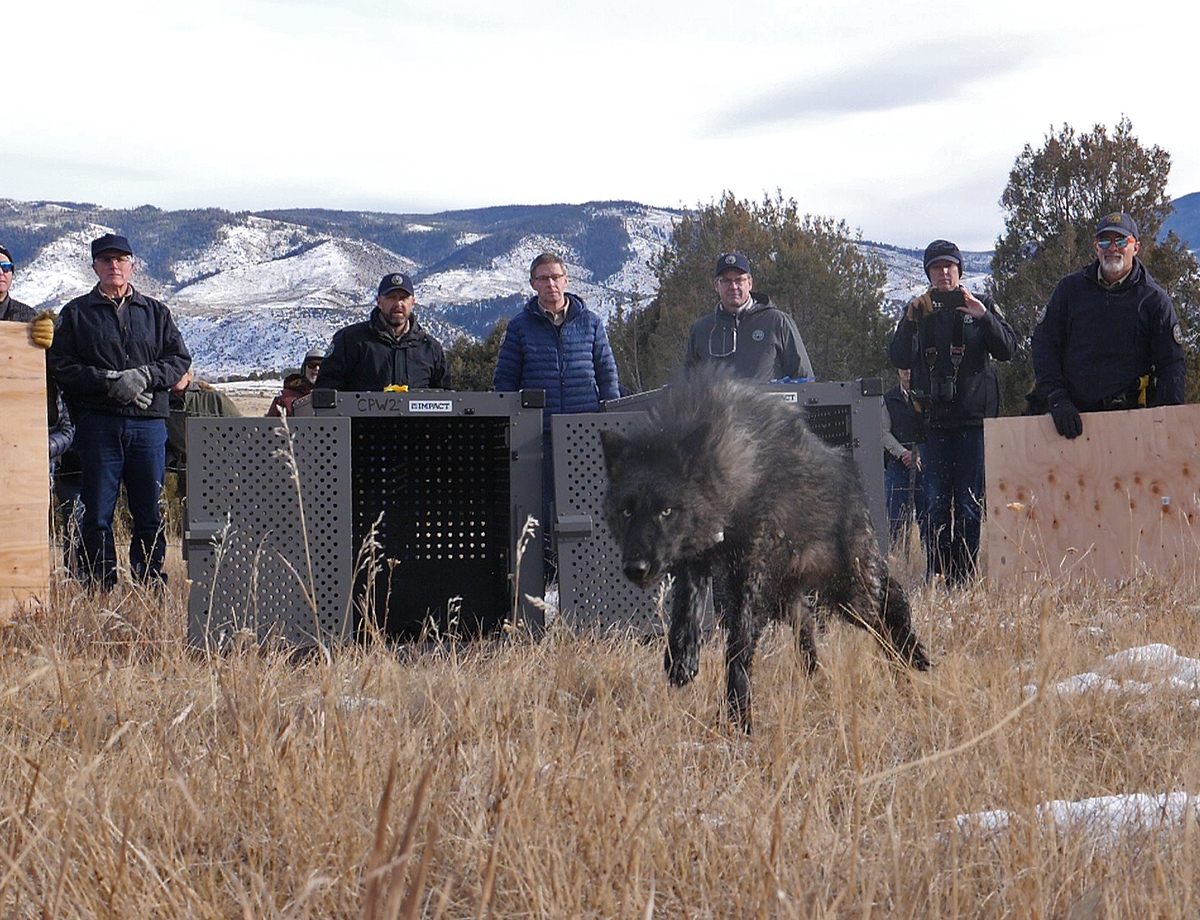
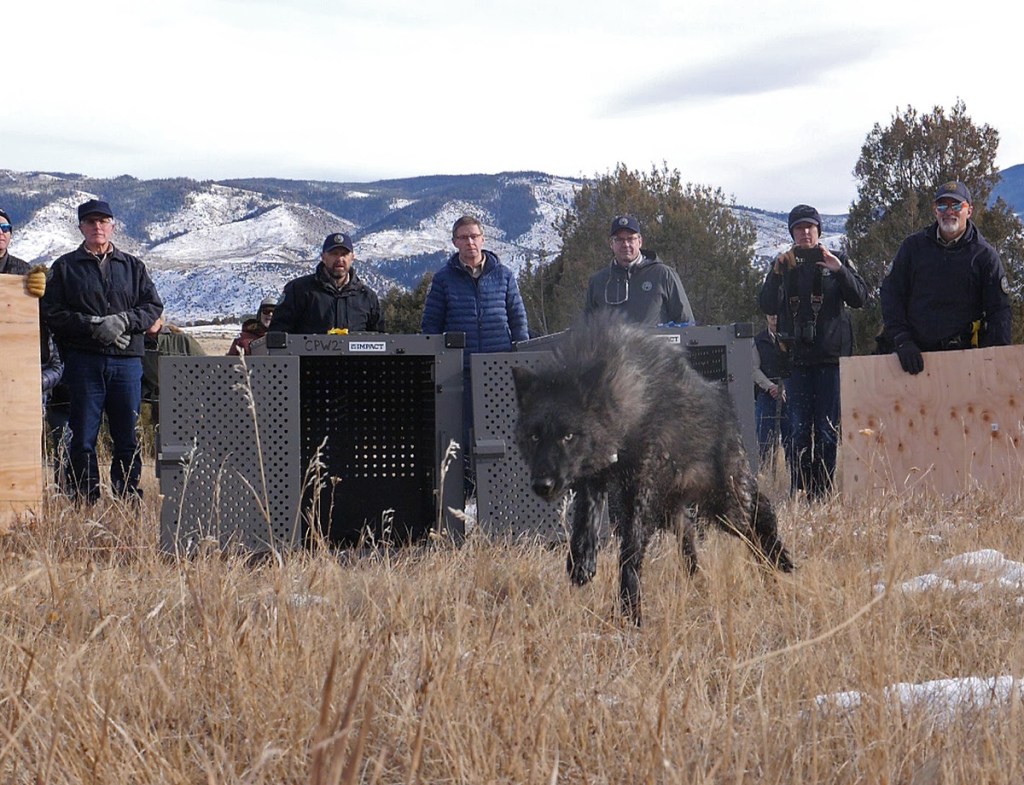
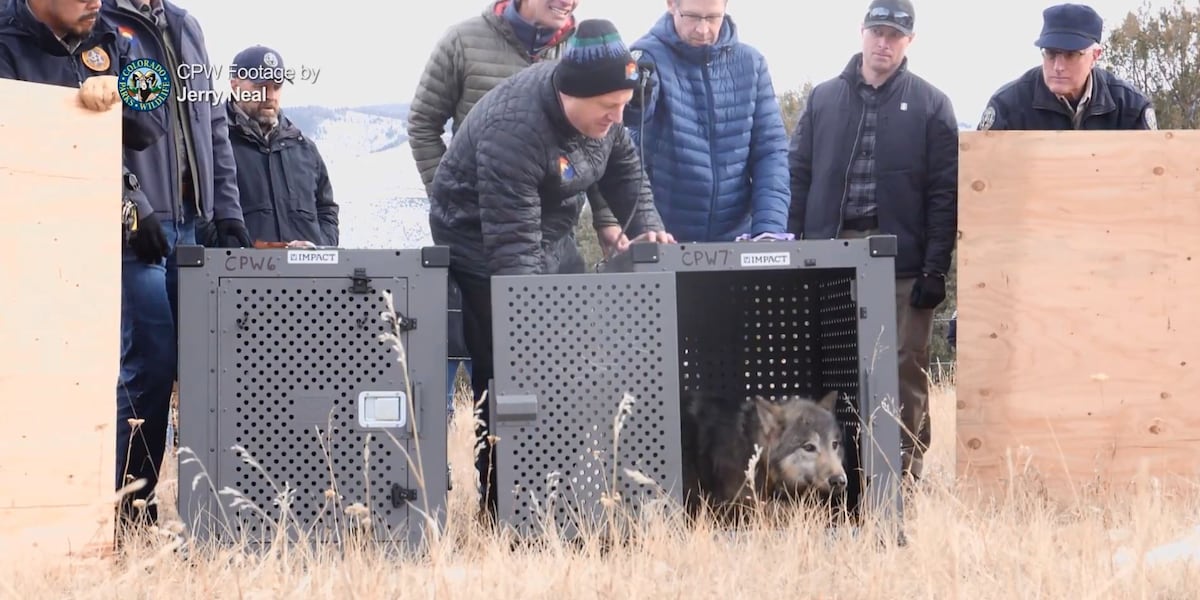
Wolves have been officially reintroduced in western Colorado, with five wolves being released in Grand County. The wolves, captured in Oregon, were evaluated, fitted with GPS collars, and transported to Colorado for their release. Colorado Parks and Wildlife plans to release a total of 10 to 15 wolves by mid-March 2024 and aims to reintroduce 30 to 50 wolves in the state over the next three to five years.
Colorado has begun a first-of-its-kind state reintroduction effort by releasing five gray wolves into the central mountains. The wolves were captured in Oregon and flown to Colorado for release. This reintroduction is the first voter-mandated reintroduction of the endangered species in the United States. Wildlife advocates see it as an opportunity to restore a crucial species to an ecosystem where wolves have not existed in large numbers since the early 1900s. However, some ranchers and hunters have expressed concerns about potential harm to livestock and hunting game herds. The wolves are expected to disperse from the release site and find suitable habitat. Colorado plans to release up to 50 wolves over the next three to five years.
Colorado Parks and Wildlife officials released five wolves in Grand County, marking the first time a state has introduced an endangered species into the wild in the U.S. The release is part of a plan to reintroduce wolves to the Western Slope by the end of 2023, as directed by Colorado voters in 2020. The wolves, captured in Oregon, were flown to Colorado and released on state-owned public land. The event is seen as a moment of re-wilding and hope for biodiversity conservation.