
Tag

Salt Clouds

All articles tagged with #salt clouds

Salt Clouds Redefine the Pink Planet’s Cold Atmosphere
space15 days ago

Salt Clouds Redefine the Pink Planet’s Cold Atmosphere

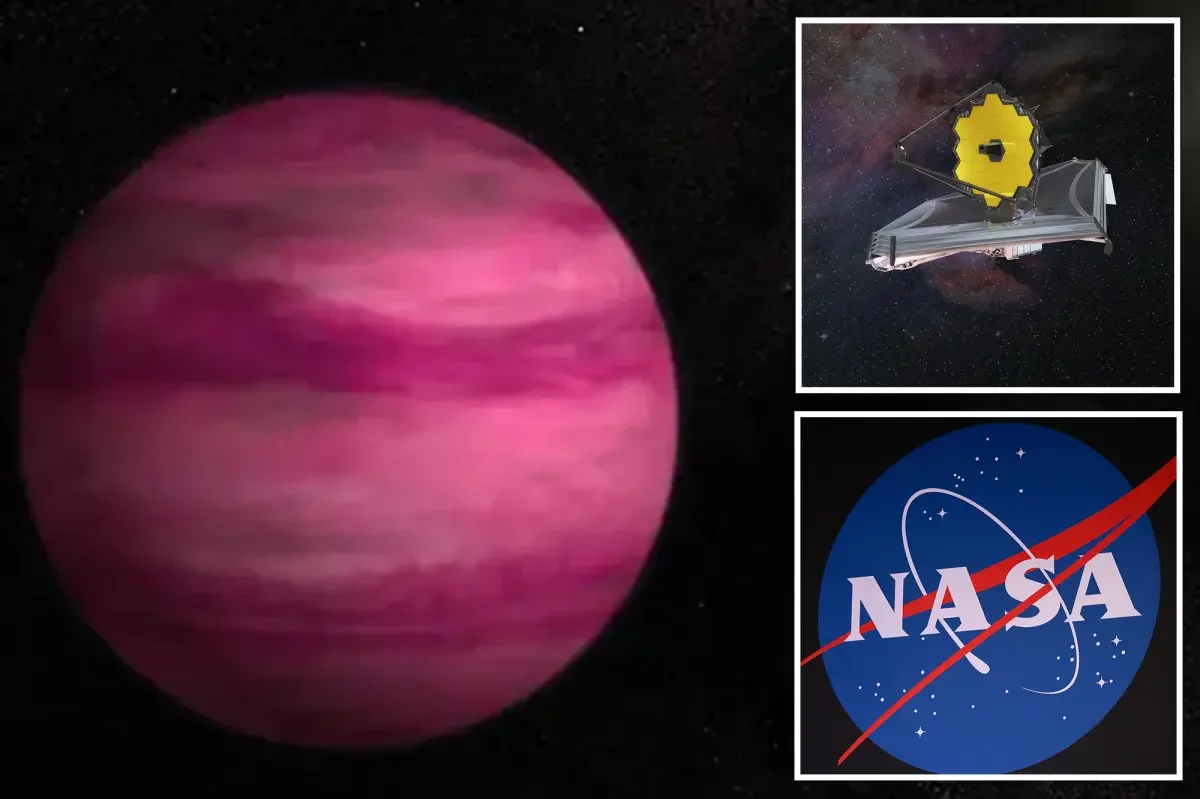
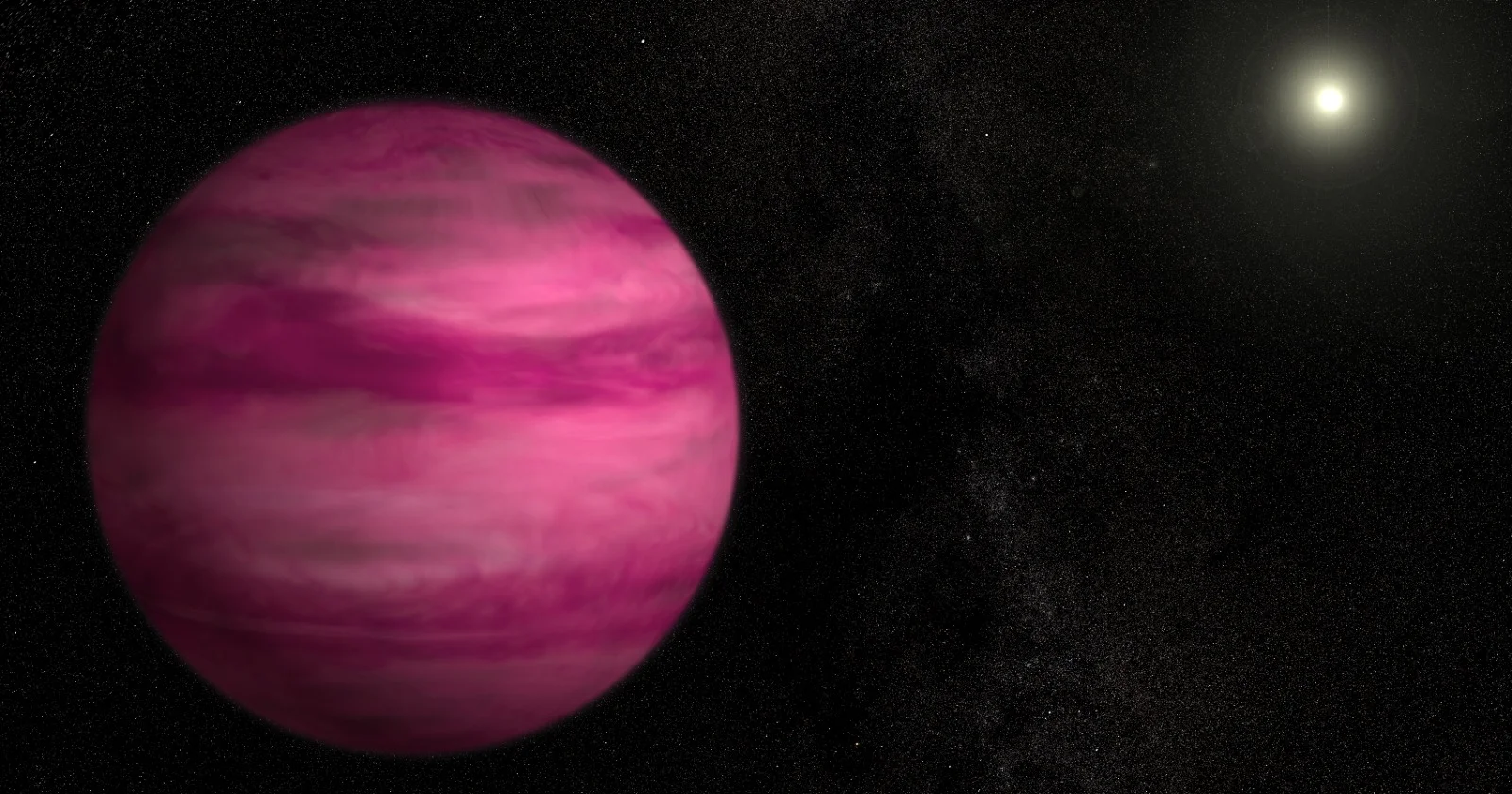
Astronomers using the James Webb Space Telescope have detected salt clouds in the atmosphere of the cold exoplanet GJ 504 b (the Pink Planet), explaining its spectral signature and prompting revised models of cloud chemistry for distant, frigid worlds; the planet, about 57 light-years away and first discovered in 2013, shows a mix of water vapor, methane, carbon dioxide and ammonia that only fits when salty clouds are included in atmospheric simulations.
JWST spots salt-cloud haze in the Pink Planet's cold atmosphere
space27 days ago

JWST spots salt-cloud haze in the Pink Planet's cold atmosphere

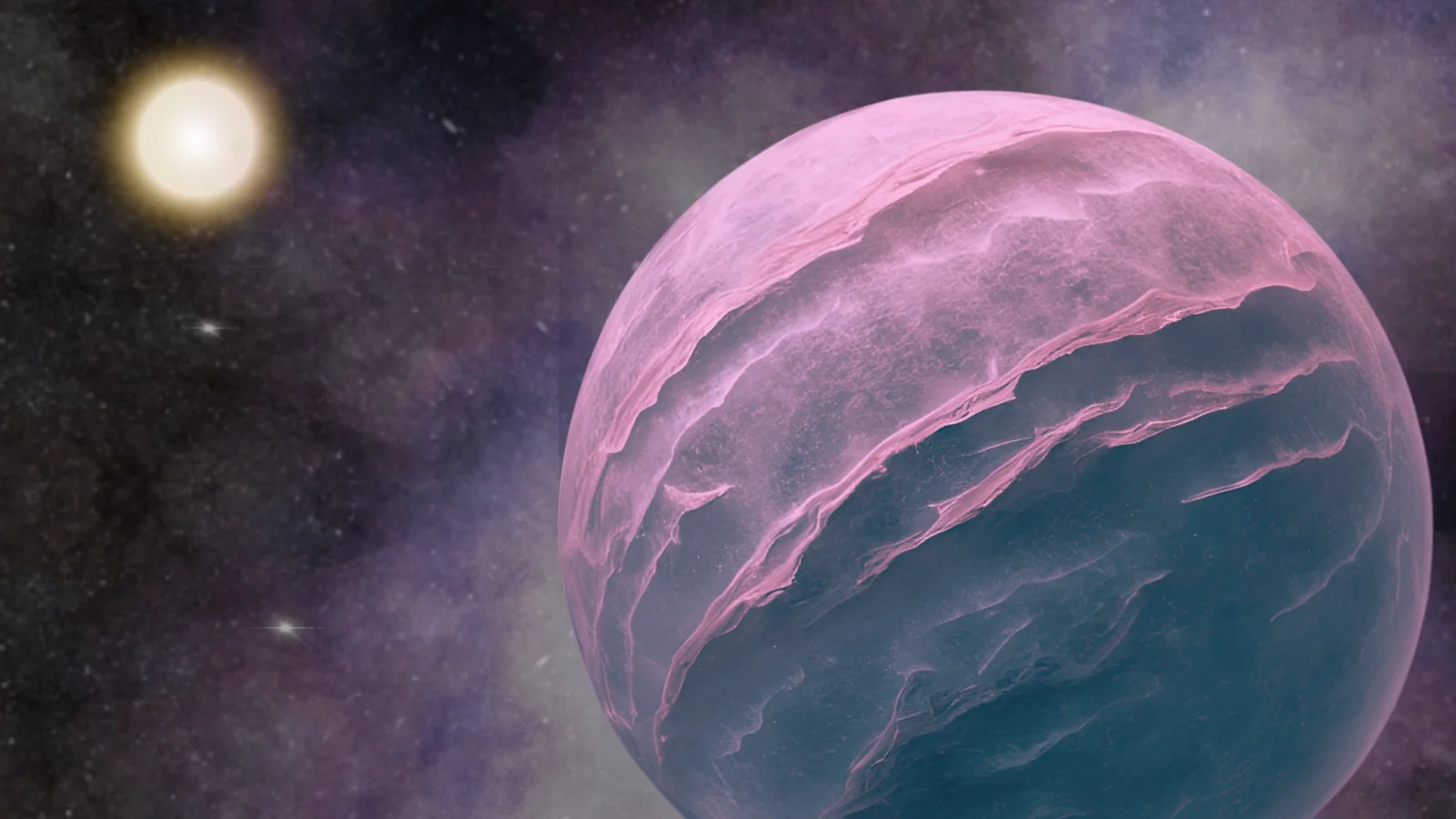
The James Webb Space Telescope has for the first time obtained a spectrum of GJ 504 b, the so-called Pink Planet, showing its light is best explained by a hazy atmosphere with salt clouds. The analysis detects water vapor, CO, methane, CO2, ammonia and hydrogen sulfide, plus signs of metal enrichment and disequilibrium chemistry, suggesting a dynamic, cloud-forming atmosphere. The planet is extremely cold for a directly imaged world (about 564 K) and sits near the planetary-mass/brown-dwarf boundary; the salt-cloud model is the key to fitting the spectrum, though the object's exact nature remains unsettled. The result demonstrates JWST’s ability to study faint, cold exoplanets and tests cloud-formation theories long discussed in theoretical work.

JWST uncovers salty clouds on the cold Pink Planet GJ504b
space1 month ago

JWST uncovers salty clouds on the cold Pink Planet GJ504b

Using the James Webb Space Telescope, astronomers detected salt clouds in the atmosphere of GJ504b, a cold, planetary‑mass companion orbiting a Sun‑like star about 57 light‑years away. With a mass around 25 Jupiter masses and an age of roughly 2.5–4 billion years, the object may be a planet or a brown dwarf, and the salty clouds help explain its atmospheric spectrum and raise questions about its origin.