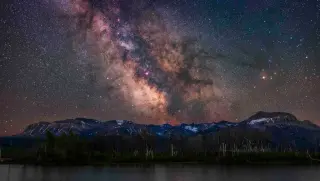
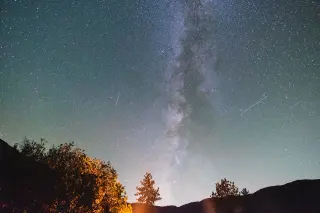
October 2026 offers prime viewing for Saturn at opposition on Oct. 4, the Orionid meteor shower peaking Oct. 21-22, and the Hunter’s Moon on Oct. 26. The Milky Way core is visible until mid-month, and the Draconid shower occurs Oct. 8-9.
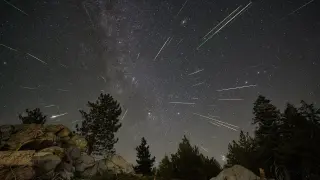
The Orionid meteor shower, caused by debris from Halley's Comet, is active until November 7, 2026, peaking overnight on October 21-22. Meteors enter Earth's atmosphere at 41 miles per second, with up to 20 per hour visible under ideal conditions. Saturn is at opposition on October 3-4, appearing brightest. The full moon on October 26 may dim fainter meteors.
October 2026 offers prime viewing opportunities for Saturn at opposition on October 4, the Orionid meteor shower peak on October 21-22, and the Moon passing near the Pleiades on October 27-28. A thin crescent Moon will occult Jupiter on October 6, while the Hunter's Moon reaches full illumination on October 26. Skywatchers should note that a waxing gibbous Moon may interfere with meteor viewing, requiring early morning observation after moonset.
October 2026 offers prime viewing for Saturn at opposition on Oct. 4, the Orionid meteor shower peak on Oct. 21-22, and a lunar conjunction with the Pleiades on Oct. 27-28. Saturn’s rings are visible again after a 2025 edge-on crossing, with a 7-degree tilt. The Orionids may be dimmed by a waxing gibbous moon, requiring pre-dawn observation. The Pleiades conjunction is visible to the naked eye, with binoculars revealing more detail.
Autumn 2026 offers a packed sky: the Fall Equinox on Sept 22 starts astronomical fall, with three Full Moons (Corn/Harvest Moon, Hunter, Beaver) and a strong meteor-showers season featuring Draconids (peak Oct 8), Orionids (peak Oct 21), Southern and Northern Taurids (peaks Nov 4–5 and 8–9), Leonids (peak Nov 16–17), and Geminids (Dec 13–14, ~100 meteors/hour) – near New Moon, minimizing moonlight. Venus glows in the evening sky while Mercury remains elusive; Saturn reaches Opposition on Oct 4, making it brightest this year, and Mars and Jupiter approach for a conjunction around Nov 14 before separating again. Moon phases will cross the sky with various close moon–planet events, offering prime observing opportunities across the season.
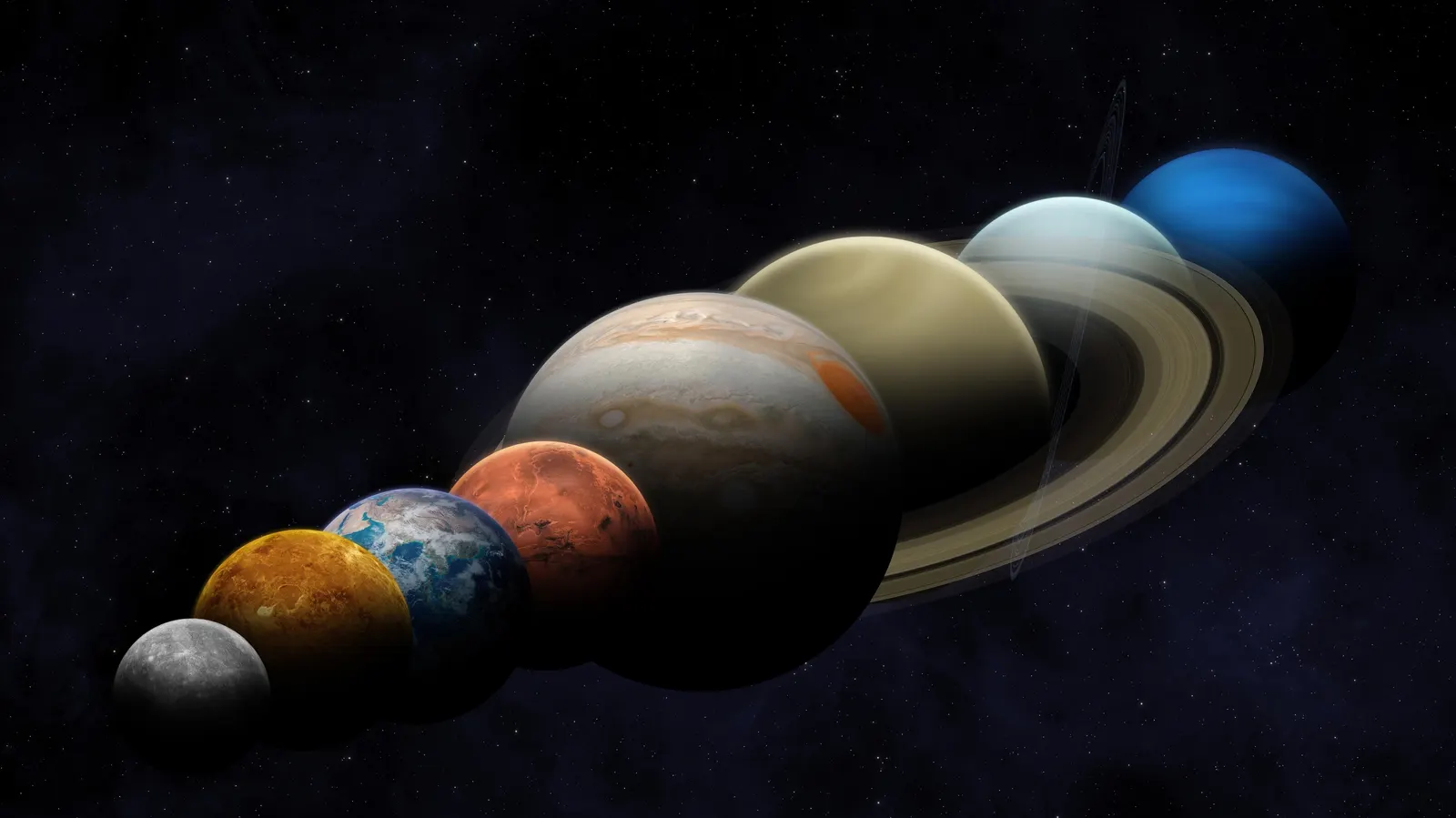
The week features the last of the 2025 five-planet parade visible before sunrise, with Venus, Jupiter, and Saturn easily seen, Neptune at its annual opposition, and a dramatic solar eclipse occurring in the Southern Hemisphere on September 22, coinciding with the fall equinox.
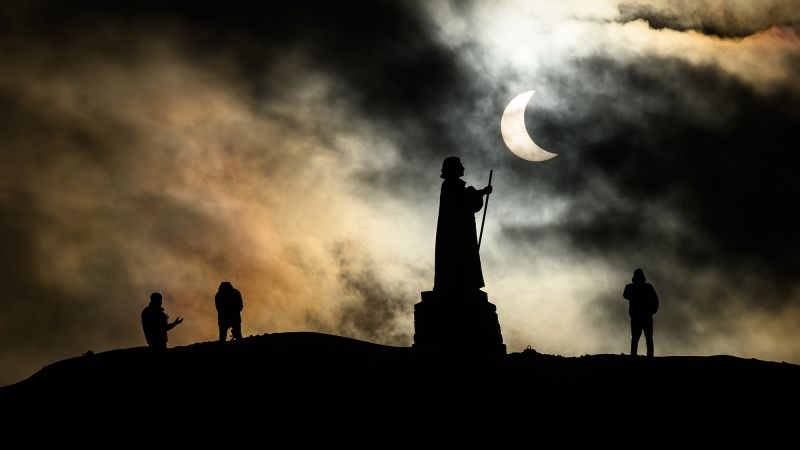
This weekend offers sky-gazers a partial solar eclipse visible in parts of the Southern Hemisphere and Australia, along with the opposition of Saturn, providing a great opportunity to observe the planet and its rings. Additionally, several full moons and meteor showers are upcoming in 2025, making it an exciting time for astronomy enthusiasts.
August 2023 will feature two "supermoons," with the next one occurring on August 30. A supermoon happens when the moon is closest to the Earth during a full moon, making it appear bigger and brighter. The Perseid meteor shower will also peak around August 11 to 13, offering a chance to see shooting stars. Additionally, the "Saturn Opposition" in late August and early September will provide the best view of the ringed planet. In terms of weather, temperatures are expected to be mostly in the 80s, with a chance of showers and thunderstorms later in August.