
ChatGPT tip helps Wilmington woman uncover thyroid cancer and recover
A Wilmington woman credits a ChatGPT tip with prompting a crucial second medical opinion that led to a thyroid cancer diagnosis and a successful recovery.

All articles tagged with #second opinion
A Wilmington woman credits a ChatGPT tip with prompting a crucial second medical opinion that led to a thyroid cancer diagnosis and a successful recovery.

William Shatner says a doctor dismissed a lump that turned out to be stage-4 malignant melanoma; a second opinion led to surgery and two years of immunotherapy. His daughter Melanie Shatner Gretsch also battled HER2-positive breast cancer at the same time, and both were declared cancer-free by the end of 2024. Shatner remains active with new books, a podcast and music projects.

A 60-year-old man from Newcastle, Ian Swindell, was repeatedly diagnosed with acid reflux for months before a bone marrow biopsy revealed incurable multiple myeloma. He underwent emergency radiotherapy and chemotherapy, now relies on a walking stick and wheelchair, and is planning his own funeral to ease the burden on his kids, while urging others to seek second opinions when something feels wrong and to listen to their bodies.
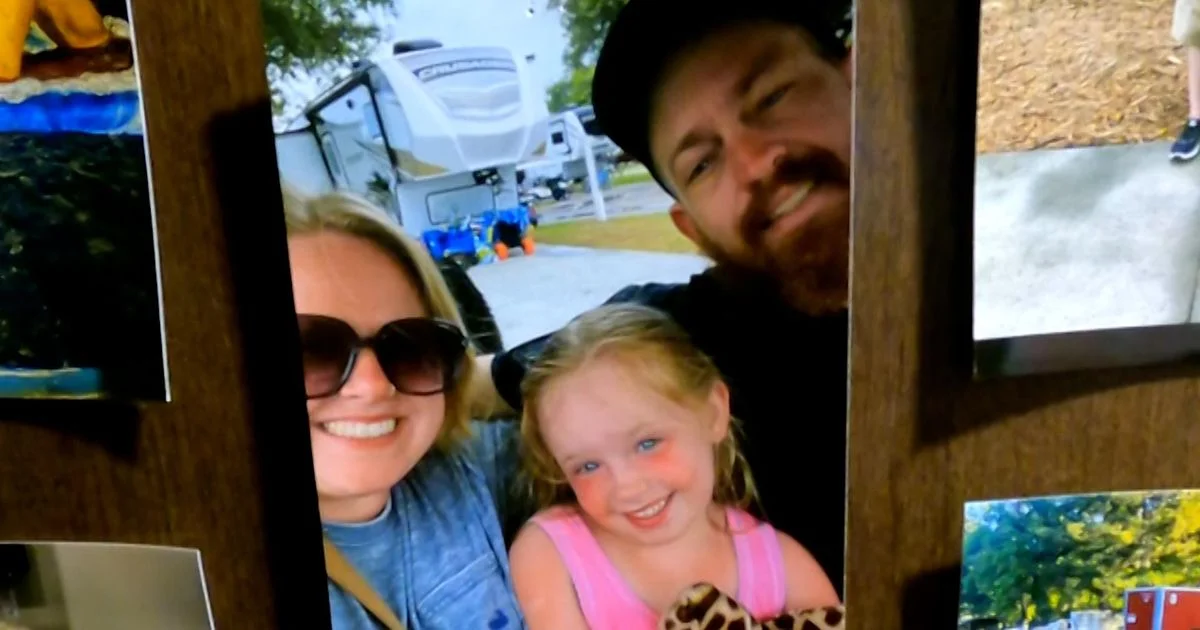
After a grim prognosis of two to three years, Spencer Laird’s stage IV colon cancer dramatically improved on a Duke Cancer Center immunotherapy trial with botensilimab and balstilimab: about a year in, nearly all 13 tumors disappeared and the largest remaining lesion shrank to 0.6 cm, while his CEA marker fell, offering the family more time with their daughter and renewed hope. The study targets microsatellite-stable colorectal cancer and aims for long-lasting control with fewer side effects, and researchers plan to expand enrollment and biomarker work. The Lairds began with a second opinion and now travel for ongoing Duke visits.

Emma Herring, 22, from Durham, was repeatedly told chest pains were anxiety or a pulled muscle after several misdiagnoses. A later X-ray and CT scan revealed a 7cm chest tumor and a 4cm neck tumor, with cancer diagnosed as stage 4 Hodgkin lymphoma, prompting immediate chemotherapy and raising concerns about infertility due to treatment. She hopes her story encourages others to trust their instincts and seek a second opinion if symptoms are dismissed.

Emma Herring, 22, from Durham, England, was repeatedly told chest pains were anxiety or a pulled muscle until imaging revealed stage 4 Hodgkin lymphoma, leading to urgent chemotherapy and fertility concerns; she is sharing her story to urge others to trust their instincts and seek a second opinion when doctors dismiss symptoms.

Emma Herring, 22, from Durham, England, was told chest pains were anxiety and later diagnosed with stage 4 Hodgkin lymphoma after repeat tests revealed masses; she began immediate chemotherapy and couldn’t freeze eggs beforehand, highlighting the importance of listening to symptoms and seeking second opinions when medical advice seems off.

After suffering a season-ending knee injury, Chiefs quarterback Patrick Mahomes is seeking a second opinion from a Dallas team physician before deciding on surgery, with optimism about his recovery and return to play.

Liliana Castaneda, a 19-year-old with Turner syndrome, experienced heavy vaginal bleeding that was initially dismissed as stress by her doctor, but was later diagnosed as Stage 2 clear cell carcinoma, a rare form of vaginal cancer. Her case highlights the importance of considering underlying conditions and seeking second opinions when symptoms persist, especially in young patients.

Micah Parsons is seeking a second medical opinion on his back tightness, which has caused concern about his readiness for the upcoming NFL season and may impact his contract extension negotiations. Despite a clean MRI, his ongoing issues and desire for further evaluation suggest uncertainty about his participation in the season opener.

A baby girl diagnosed with a rare and aggressive infant-type hemispheric glioma was given a second opinion at St. Jude's, leading to successful treatment and her current status as a thriving 3-year-old, defying initial grim prognosis.

Dr. Mikkeal A. Sekeres, an oncologist whose mother was diagnosed with lung cancer, shares essential advice for navigating a cancer diagnosis. Key steps include obtaining a formal diagnosis from a specialist, determining the cancer's stage, seeking reliable information, preparing for oncologist appointments with questions, and considering second opinions from both oncologists and pathologists to ensure accurate diagnosis and treatment.

An oncologist shares advice on navigating a cancer diagnosis, emphasizing the importance of getting a formal diagnosis, understanding the urgency, choosing reliable online sources, taking notes during appointments, and seeking second opinions from both oncologists and pathologists to ensure accurate diagnosis and treatment.
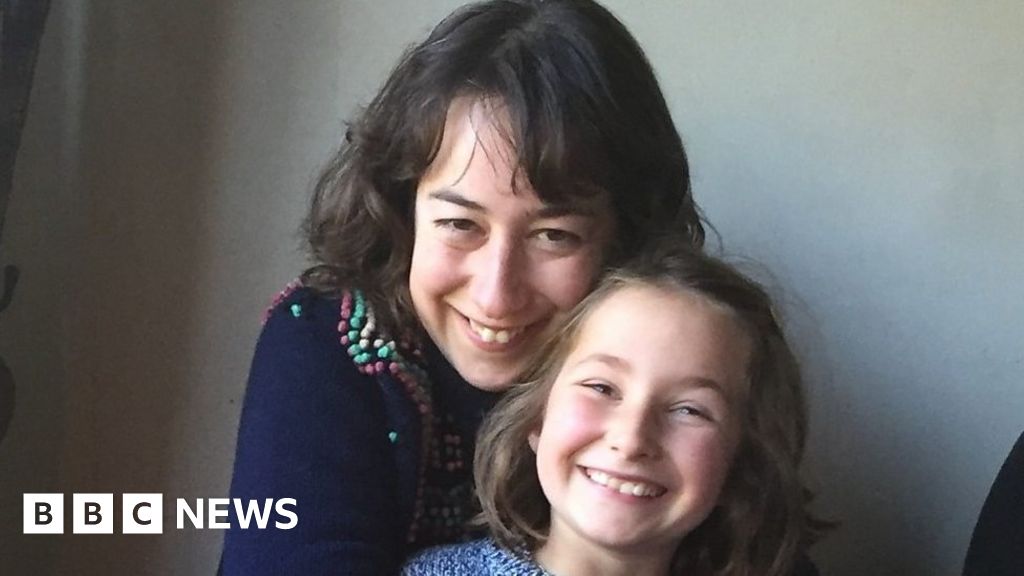
NHS hospitals in England will receive funding from April to implement "Martha's rule," allowing seriously ill patients to easily access a second opinion if their condition worsens. This initiative follows the tragic death of 13-year-old Martha Mills, whose sepsis symptoms were missed. Martha's mother, Merope Mills, believes the new system will save lives and prevent similar tragedies. The scheme will involve informing patients and families about their right to request a rapid review of treatment and recording their observations. NHS England aims to evaluate the rollout over the next year and potentially expand it to include all acute hospitals, as well as adapt it for community hospitals and mental-health trusts.

NHS leaders are set to introduce Martha's Rule, which will require doctors to take note of parents' instincts about their children's health and accept requests for a second opinion if a patient's condition is worsening. The rule is named after Martha Mills, who died at 13 due to missed signs of sepsis. Martha's parents believe the rule will save lives and change medical culture, giving families more power in their loved ones' care. The rule will also provide access to a critical-care team for rapid reviews 24/7, and at least 100 NHS trusts are expected to implement it, with a £10 million funding for the initial rollout.