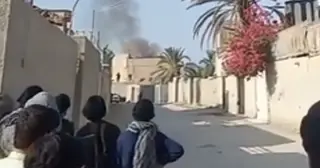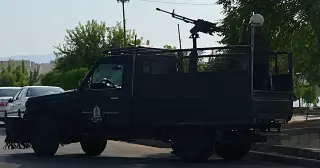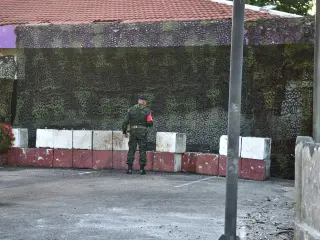
Militants attacked the Pakistan Rangers’ headquarters in Karachi, triggering a gun battle as security forces responded; authorities have not confirmed casualties or claimed responsibility, and the area is under investigation.
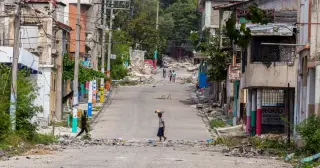
Armed men abducted James Boyard, the Defense Ministry’s cabinet director and police inspector general, in Bourdon, Port-au-Prince—marking the highest-ranking kidnapping in years amid widespread gang control of the capital. Officials haven’t confirmed who is behind the raid or any ransom. Boyard’s work on security reform and armed forces rebuilding highlights the country’s volatile security climate, where kidnappings have surged in areas once considered safe and gangs continue to target public figures.
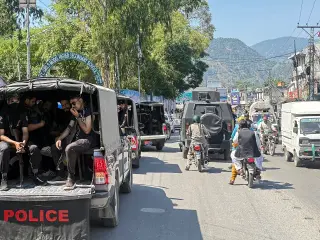
Clashes between police and protesters in Rawalakot, Pakistan-administered Kashmir, left at least 11 people dead and over 70 injured as authorities banned the JAAC and prepared for a major protest over 12 refugee-reserved seats in the AJK legislature; the unrest reflects broader grievances on governance and regional autonomy, with travel advisories and internet restrictions in place ahead of the planned demonstration.
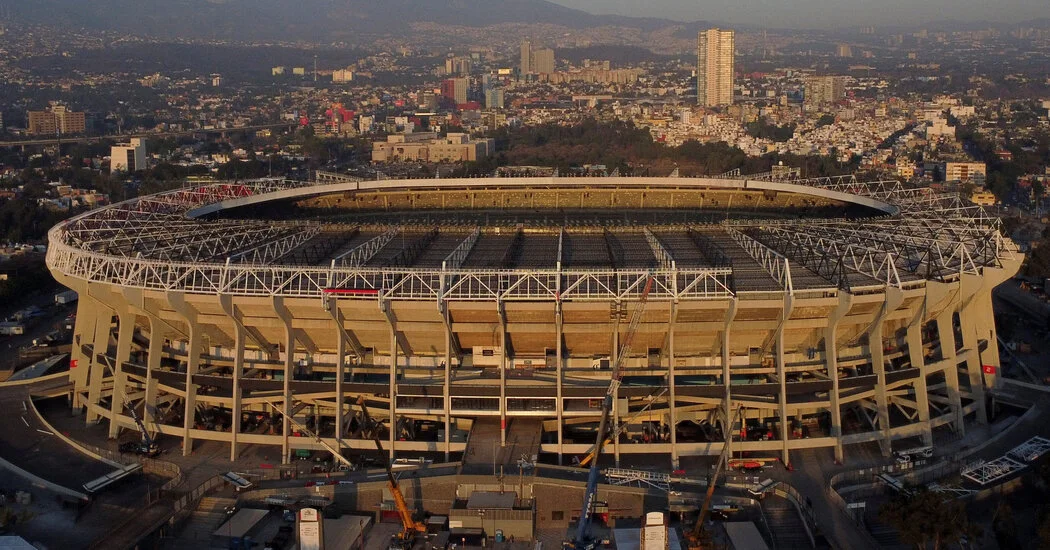
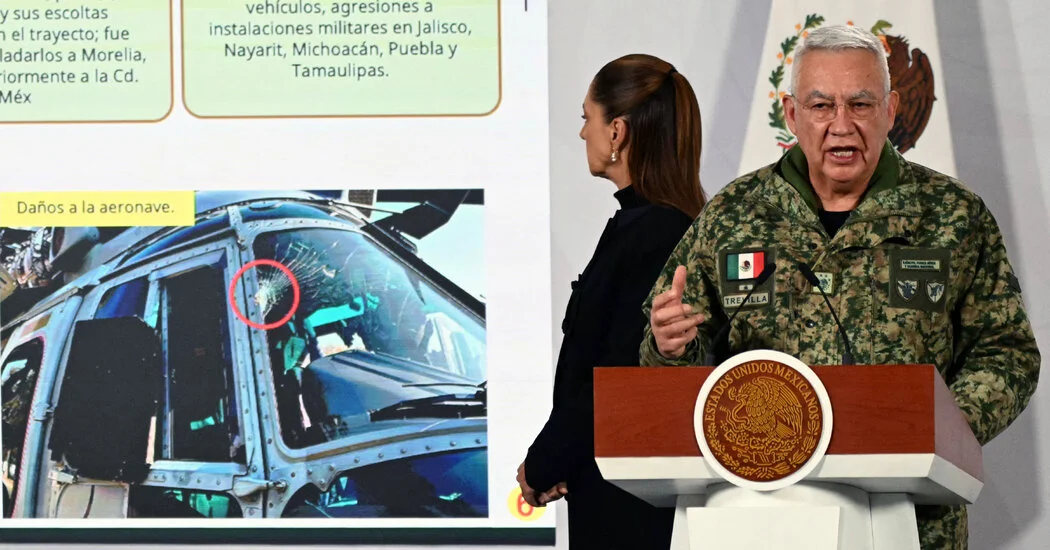
Mexico will mobilize about 100,000 security personnel—including military, police, and private guards—with vehicles, aircraft, and drones to safeguard World Cup events in Mexico City, Guadalajara, and Monterrey after a spike in cartel violence following El Mencho’s death; preparations began in January and FIFA coordination is ongoing, as tourism campaigns seek to reassure visitors ahead of an expected 5.5 million attendees.
Mexican security forces tracked Nemesio Oseguera Cervantes (El Mencho) to a Tapalpa cabin after following his lover, culminating in a Sunday raid in which he and two guards were fatally wounded; the operation sparked nationwide violence with multiple deaths and widespread disruption, while authorities said 70 suspected cartel members were arrested and 34 killed in the chaos—a major blow to the cartel and a display of state power.
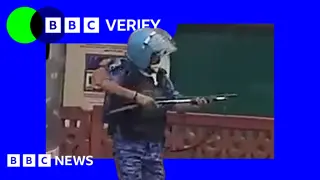
BBC Verify has verified footage from Abdanan showing a security official firing toward mourners at a cemetery during 40th‑day commemorations for those killed in Iran’s crackdown; the incident occurs as anti-government chants are heard in several cities, while state media denied injuries and rights groups estimate thousands killed in the protests.
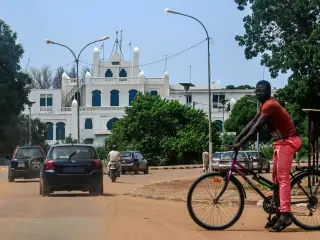
Heavy gunfire near Conakry’s central prison prompted police and special forces to deploy, with armored vehicles and roadblocks around the Kaloum district. The exchange lasted about 30 minutes, authorities offered no immediate confirmation of motives or suspects, and access to the area was later reopened. The prison has a history of violence, including a 2023 jailbreak that left several dead.
Pakistan’s security forces killed roughly 22 militants in overnight raids across Balochistan, raising militant deaths to about 177 in 48 hours after coordinated attacks by the Baloch Liberation Army that killed around 50 people; authorities say normalcy is returning but train service remains suspended, and there are no talks planned with the BLA.
Uganda's main opposition figure, Bobi Wine, was abducted from his Kampala home by security forces using an army helicopter, according to his National Unity Platform, ahead of the general election results and amid a nationwide internet blackout. The party said Wine was taken to an unknown destination, while authorities gave no immediate details as the electoral commission prepared to declare the winner, President Yoweri Museveni.
Protests across Iran are the most serious domestic challenge to the Islamic Republic, met with unprecedented force and an internet blackout; while authorities say activity is under control, open-source indicators including security defections, withdrawals, IRGC deployments, possible foreign militias, simultaneous protests in cities and rural areas, rising security casualties, leaks, and harsh framing signal mounting instability and the possibility of regime change, though several indicators are only partially tripped or unobserved and the outcome remains uncertain. The regime relies on the LEC, Basij, IRGC, and Artesh to suppress unrest, and forecasts about the regime's fate remain uncertain given evolving factors and potential external action.
At least 35 people have been killed during protests across Iran over the past 10 days, sparked by economic hardship and currency devaluation, with widespread unrest and violent crackdowns reported by human rights groups, amid calls for peaceful protest and international concern.
Protests over Iran's soaring living costs have led to clashes between protesters and security forces, resulting in at least two deaths in Lordegan, amid broader unrest across the country calling for political change and economic reform.
Iran is experiencing its fourth consecutive day of nationwide protests with demonstrations spreading across multiple cities, calls for regime change growing, and a harsh response from security forces, amid economic hardship and political unrest. International figures express support for protesters, while the government offers limited concessions and recognizes the right to protest, amidst warnings from security agencies and hardline factions. The protests are fueled by economic struggles, political dissatisfaction, and calls for accountability, with some protests turning confrontational and authorities deploying force.
Protests in Iran continue to spread across multiple provinces with security forces using live fire and water cannons to suppress demonstrators, especially targeting universities. Meanwhile, Iran's leadership makes significant military appointments amidst ongoing internal security challenges, and reports suggest a missile launch near Ilam. In Syria, negotiations are ongoing for SDF integration into the Syrian government, with Turkey supporting the process, while the UAE withdraws from Yemen. The regime's actions highlight escalating unrest and strategic military restructuring.
Following Tanzania's recent election, opposition parties allege security forces are secretly dumping bodies of hundreds killed during protests, with reports of over 1,000 deaths and a crackdown on dissent, raising concerns about election credibility and human rights violations.